

What 30 Harry Styles Shows Can Do for the Penn District
The MSG residency will create a rare stretch of sustained visitor demand, testing its impact on hotel rates, retail performance and the neighborhood’s evolving commercial ecosystem.
This article first appeared in the CPE Sneak Peek Newsletter. Subscribe now for early access to exclusive content, in-depth analysis and key trends!
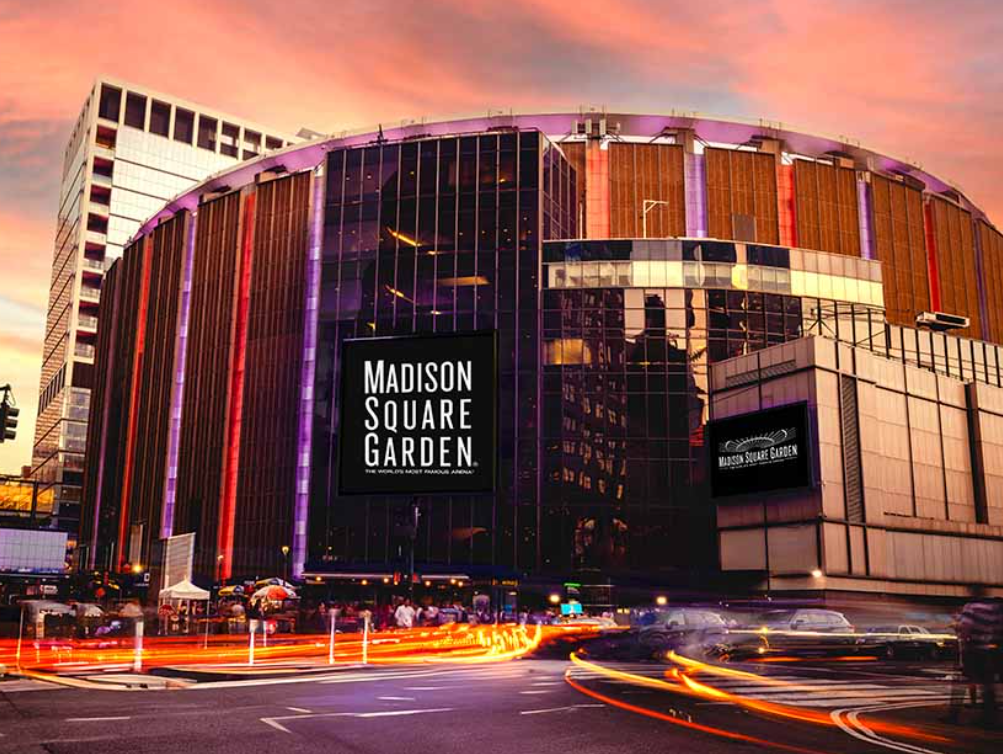
Thirty sold-out Harry Styles concerts will bring as many as 585,000 people through Madison Square Garden between Aug. 26 and Oct. 31. For Penn District retailers, hotel operators and property owners, the residency amounts to something more unusual than a blockbuster arena run: a 10-week test of what repeated event-driven demand can do in one of Manhattan’s busiest commercial and transportation hubs.
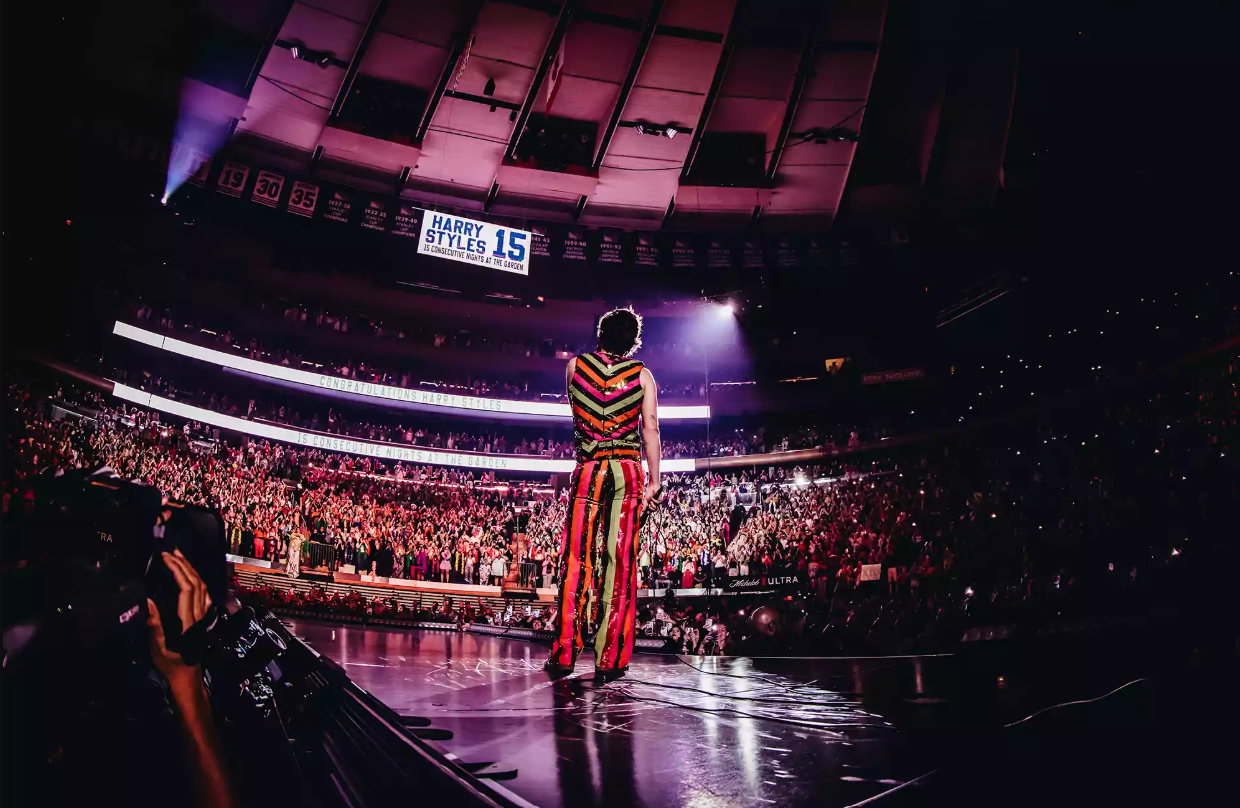
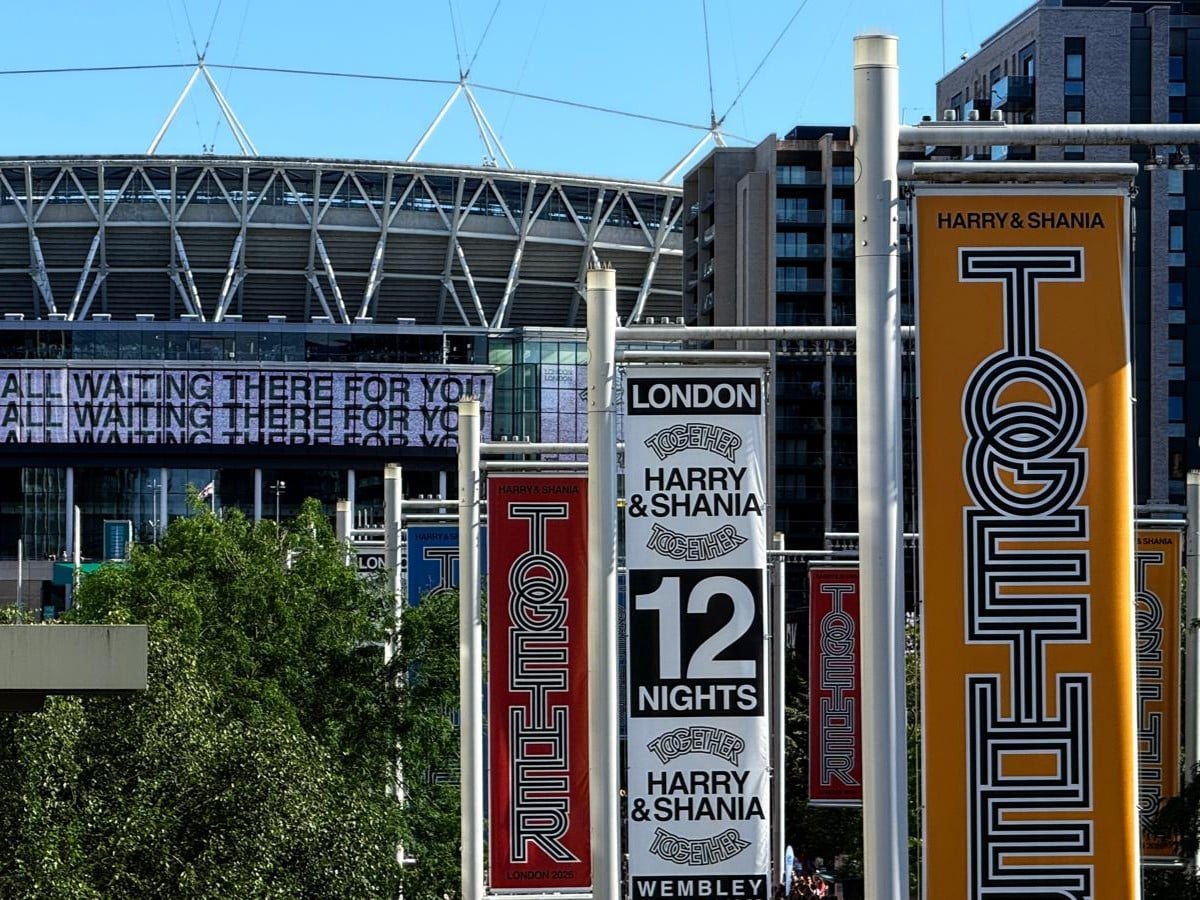
Styles’ Together, Together is structured as a series of residencies across seven cities, including Amsterdam, London, Sao Paulo, Mexico City, New York City, Melbourne and Sydney. His 30-show MSG engagement with three performances per week is his only U.S. stop and the tour’s longest residency, following his 12 shows at Wembley Stadium in London and 10 at Johan Cruyff Arena in Amsterdam back in May and June.
READ ALSO: How the World Cup Boosts CRE in Secondary Markets
Demand is hardly in question. Roughly 11.5 million people registered for the tour’s presale, according to Ticketmaster, while the MSG performances can accommodate approximately 585,000 attendees. Yet against the scale of New York City’s visitor economy—the city drew 65 million visitors in 2025, generating $55.6 billion in direct tourism spending—even a residency of this size is more likely to register at the neighborhood level than across the city as a whole.
“It moves the needle for the businesses in the immediate flow of foot traffic, but it gets lost in the noise at the level of property values or rents,” said Eric Bramlett, broker & owner of Bramlett Partners.
The more useful question for commercial real estate, then, is not whether the residency will generate spending, but where that spending will land and whether 10 weeks of repeated traffic can produce anything more durable than a temporary lift in hotel rates, restaurant covers and retail sales. Styles’ run, twice as long as his 15-show MSG residency in 2022, gives the Penn District an unusually extended test case.
From a concert spike to a 10-week demand cycle
The cadence is what distinguishes Styles’ residency from a conventional arena stop. Each Wednesday, Friday and Saturday will bring another wave of arrivals, pre-show gatherings and late-night departures through the Penn District, creating recurring and relatively predictable periods of elevated consumer traffic.
“A 30-night residency at Madison Square Garden is significant because it transforms what is typically an event-driven surge into a sustained consumer demand cycle,” said Colliers National Director of Retail Services & Practice Groups Anjee Solanki. “In a market as dense and competitive as Manhattan, repeated visitation can have a measurable impact.”
There’s a lot of precedent. According to a Colliers analysis shared by Solanki, approximately 1.5 million visits were recorded during Styles’ previous 15-show MSG engagement in 2022 from consumers who spent at least an hour around the arena, versus roughly 1 million during the comparable period immediately afterward.
“Extended residencies can materially increase dwell time and spending in the surrounding retail ecosystem,” she added.
Research from other global markets suggests that this kind of effect is easier to identify at the neighborhood level than across the entire city. The U.K.’s Office for National Statistics found that Taylor Swift’s 2024 concerts in London had little effect on national consumer spending. In Wembley’s postal district, however, card spending rose 55.3 percent year-over-year in June, while international spending in the district jumped 113.7 percent.
Bramlett expects New York City to display a similar pattern, with the clearest effect concentrated around Madison Square Garden and Penn Station rather than across the five boroughs.
“Some of it spreads because out-of-town attendees stay in hotels across Manhattan and Brooklyn and spend in their own neighborhoods, but that spread is diffuse and nearly impossible to attribute back to the residency,” he said.

Who captures the concert spend?
For retail landlords and tenants, the residency will not benefit every category equally. The most valuable periods will be relatively short windows in the hours before and after each performance, when thousands of fans will move through the Penn District looking for food, drinks and last-minute purchases.
Don Cafero, vice president of retail brokerage at JLL, expects quick-service restaurants, coffee shops and retailers selling portable accessories to capture some of the clearest gains.
“Nobody’s going furniture shopping before a Harry Styles concert,” he said. “People want something quick, affordable and easy to carry. The businesses that understand event traffic and can serve customers efficiently in those narrow windows before and after a show are the ones that will benefit the most.”
READ ALSO: What Will Power Retail’s Next Act in 2026?
A spokesperson for the New York City Economic Development Corp. similarly expects the most immediate gains to accrue to bars, restaurants and bodegas surrounding MSG and Penn Station.
“The influx of economic activity that the city gets from large-scale events is additive for the city’s economy and these impacts have ripple effects on New Yorkers of all kinds—think waiters, bartenders, bodega owners, food cart workers, street vendors,” the spokesperson told Commercial Property Executive.
Styles’ London engagement illustrates the size and breadth of the fan spending associated with a lengthy residency. Barclays projected that approximately 1 million ticket holders attending the 12 Wembley shows would spend £1.06 billion (more than $1.4 billion), averaging £981 (about $1,320) per person. That estimate included tickets, travel, accommodations, outfits and other expenses, so it is not a measure of incremental spending captured by businesses around Wembley. Still, the spending mix is revealing: Fans were expected to spend an average of £102 ($137) on official tour merchandise alone.
For property owners, the residency may therefore be more relevant as a catalyst for temporary and experiential retail than as a driver of conventional leasing fundamentals.
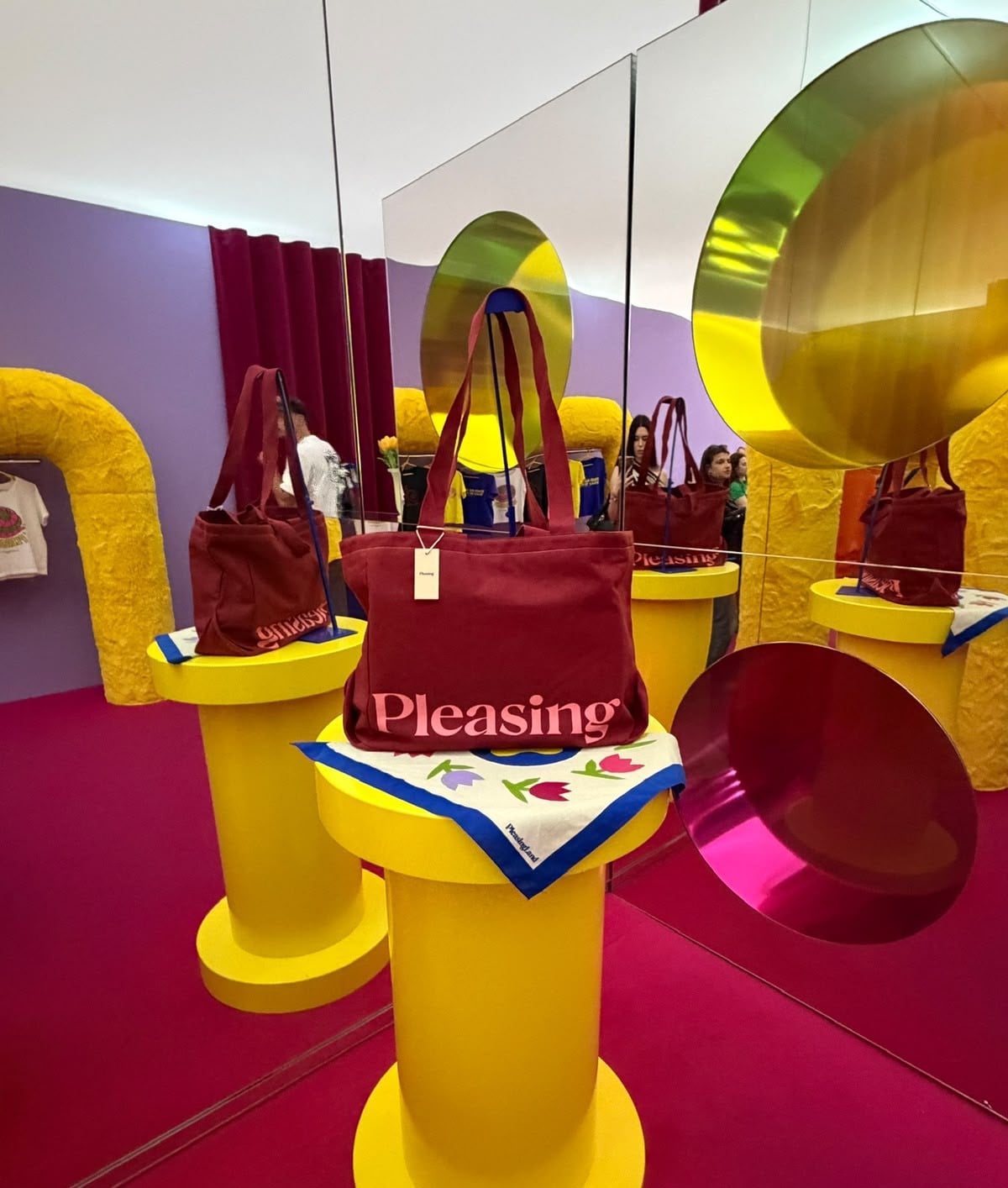
“One residency isn’t going to suddenly drive rents higher or cause a wave of lease signings, but it could create demand for pop-ups and experiential concepts,” Cafero said. “Brands are always looking for opportunities to connect with large, passionate audiences and a residency like this gives them a predictable stream of visitors over an extended period.”
Temporary retail experiences have already followed Styles across residency markets. MSG operated a Love on Tour merchandise pop-up during his 2022 residency. Ahead of the Amsterdam shows, Pleasing, the artist’s lifestyle and beauty brand, temporarily operated a store on the city’s famous Kalverstraat shopping street. The brand later opened on London’s Carnaby Street, while a separate Together, Together merchandise shop operated at Borough Yards.
These examples point to an opportunity: using a sustained event calendar to support short-term activations, merchandise concepts and experiential tenants that depend on concentrated audiences rather than everyday neighborhood demand.
The hotel demand boost
For New York City hotels, the residency may be more visible in room rates and revenue rather than in occupancy. The city already averaged 84.2 percent hotel occupancy in 2025 and sold 38.1 million hotel guestroom nights, according to New York City Tourism + Conventions. Average daily rates reached $334, up 5 percent from the previous year.
“Continued strong demand periods, ADR growth and rebounding bottom lines are beneficial for existing and future investors in and to New York,” said Mark Owens, vice chair & leader of the hospitality practice group at Colliers.
Styles’ Amsterdam residency provides a more dramatic, even if imperfect, comparison. Hotel prices across the Netherlands increased an average of 21 percent in May, contributing 0.4 percentage points to the country’s monthly inflation rate, according to Fortune.
In New York City, the effect will depend heavily on who travels for the shows and where those visitors choose to stay. Owens expects price-conscious and convenience-oriented concertgoers to gravitate toward properties near MSG, “creating compression in that market and thus impacting the broader market,” while luxury travelers may choose hotels elsewhere in Midtown.
Operators are also looking beyond guestroom revenue itself. M Social Hotel Times Square created a Styles-inspired suite, while Paramount Times Square – A Generator Hotel’s Sparkle for Styles package combines accommodation with concert accessories and themed cocktails, both examples of hotels turning the event itself into an ancillary revenue opportunity. These hotel packages are entering a Midtown South market that already looks markedly different from a decade ago. Owens pointed to Moynihan Train Hall, Manhattan West and Hudson Yards, along with the openings of the Equinox Hotel and Pendry Manhattan West, as projects that have reshaped the area’s hospitality landscape.
READ ALSO: The Evolution of CRE Demand
That stronger underlying market will also make the residency’s individual effect harder to isolate. The MSG run begins during the U.S. Open tennis championship and continues through the U.N. General Assembly’s general debate.
“Residencies, performances and iconic figures do generate demand, particularly if they coincide with other events, be it conferences, sporting events, conventions, summer travel, long holiday weekends or peak months,” said Owens.
Penn District’s longer-term real estate test
For the Penn District, Madison Square Garden’s year-round calendar matters more to long-term real estate performance than any single 30-show run.
“Ten years ago, people came to Penn Station because they had to,” Cafero said. Investment by Vornado Realty Trust, the opening of Moynihan Train Hall and a stronger restaurant and retail mix have since made the area somewhere visitors “want to hang out and spend time, not just pass through.”
Styles’ residency can reinforce that shift by repeatedly feeding consumers into the district over more than two months, but the distinction between temporary performance gains and durable real estate demand remains important.
“It’s Harry Styles today, but it’s also Knicks games, Rangers games, concerts, events at The Theater at MSG and everything else happening throughout the year,” Cafero added.
The city’s experience with other major events also shows that the geography of the economic benefit is partly a function of how an event is activated beyond its primary venue. NYCEDC estimated that the Knicks’ recent run to the NBA Finals generated roughly $380 million in economic activity. During the 2026 FIFA World Cup, the city similarly hosted more than 100 free watch parties and convened 350 business leaders from more than 50 countries at the Choose NYC Summit. These initiatives suggest that broader economic spillover depends on how effectively an event is connected to businesses and districts beyond the venue itself.
For commercial real estate, however, the more important question is what remains after the crowds disappear.
“A short-term spike shows up as a few weeks of higher hotel occupancy and restaurant covers, then it’s gone,” Bramlett said. “Durable demand is structural: a transit hub that keeps improving, an employer that anchors daytime population, housing supply that stays tight regardless of who is playing the arena.”


You must be logged in to post a comment.