


What Will Power Retail’s Next Act in 2026?
From mixed-use environments to data-driven personalization, this year will reward focus, flexibility and reinvestment.
The U.S. retail real estate sector enters 2026 with another demonstration of resilience, though performance continues to diverge sharply by asset quality and location. Growth is increasingly concentrated in new and recently renovated properties in prime locations, followed by necessity-based retail, while mid-tier and aging assets struggle to remain competitive amid rising costs and shifting consumer behavior.
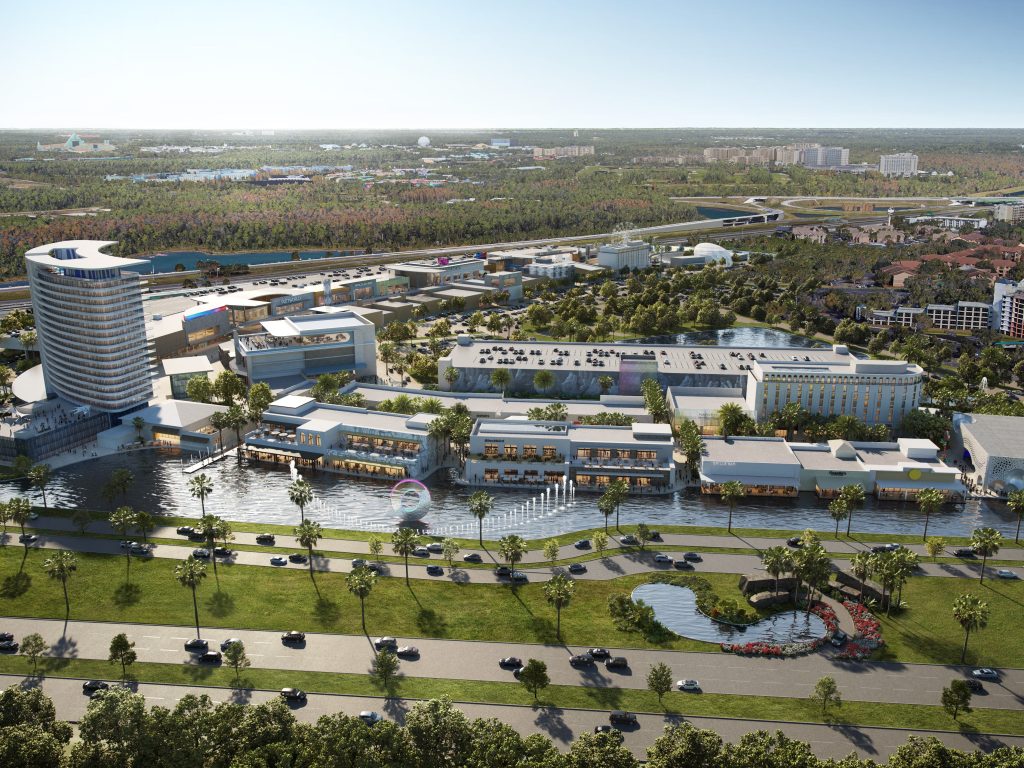
That bifurcation became especially apparent in early 2025. Elevated operating expenses, persistent inflation and tariff pressures weighed on the sector, contributing to negative net absorption in the first half of the year, according to Colliers data. It marked the first time retail absorption declined for two consecutive quarters since 2020, as store closures accelerated, consumer sentiment softened and many retailers paused expansion plans to reassess their portfolios.
Momentum began to return by midyear. Leasing activity improved, closures slowed and demand turned positive as retailers adopted more disciplined, experience-driven strategies, noted Anjee Solanski, Colliers’ national director for retail.
By the third quarter, the recovery was more evident. Retail posted 1.1 million square feet of positive net absorption, signaling that occupier confidence had largely returned, Newmark found in a recent report.
READ ALSO: The Rise of Tertiary Retail Markets
“The story of 2025 is simple: Demand held firm, supply stayed constrained and retailers continued to lean into physical stores,” said Mark Masinter, chairman of Global Retail at Newmark.
Consumer behavior played a central role in that rebound. Despite higher prices and newly imposed tariffs on goods, retail sales per square foot increased 4.4 percent year over year, according to the same real estate advisor and service provider—reflecting continued willingness to spend, particularly in experiential formats and top-tier locations.
“The year marked a shift from broad expansion to precision investment, with brands pulling back from generic rollouts and instead reinvesting in flagship streets, open-air destinations and high-performing corridors,” said Rich Johnson, principal at Odyssey Retail Advisors.
Quality, curation take center stage
Open-air centers, lifestyle-driven corridors and mixed-use developments emerged as preferred retail destinations in 2025, a pattern expected to strengthen in the year ahead. Within this “flight to quality,” co-tenancy has become a critical differentiator. Luxury and contemporary brands that align with neighboring tenants sharing a similar aesthetic and customer base have reinforced the dominance of top-tier districts such as Fifth Avenue, Rodeo Drive and the Miami Design District.
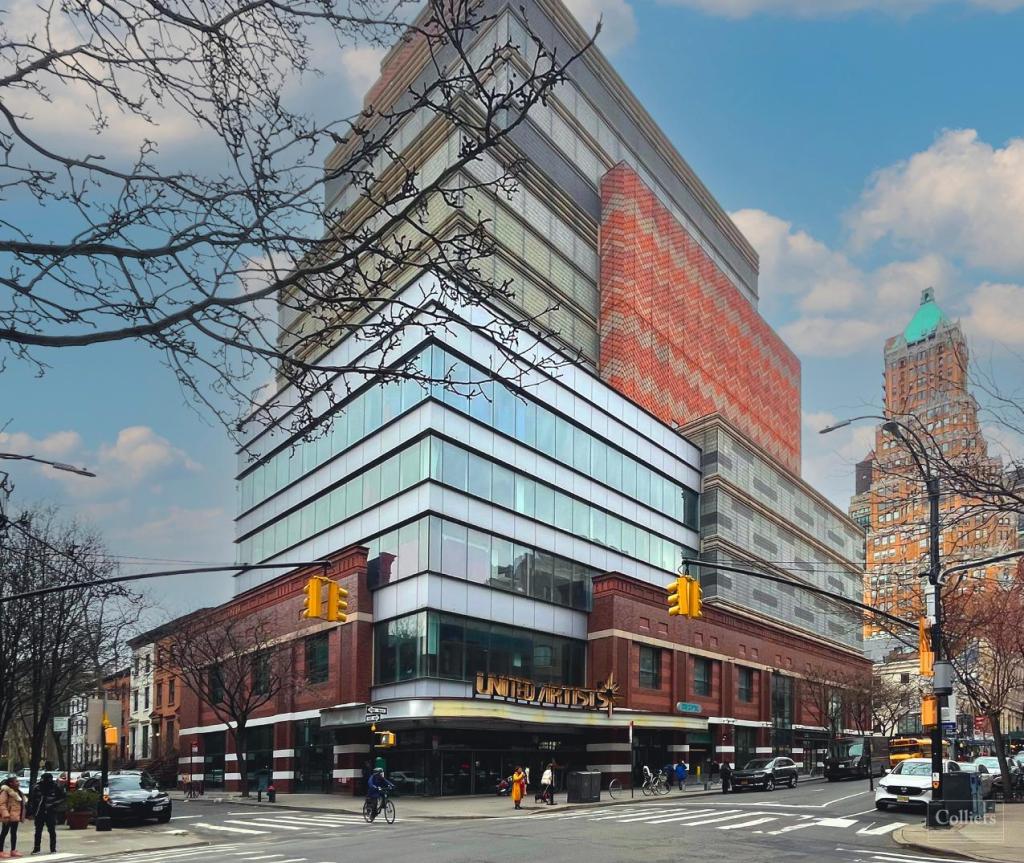
Technology is accelerating this shift. Retailers are moving away from one-size-fits-all strategies toward “mass-to-micro” personalization, increasingly using AI to optimize inventory, improve demand forecasting and boost conversion rates during peak shopping periods, according to Doug Ressler, manager of business intelligence at Yardi Matrix.
In high-performing locations, data-driven insights are helping brands fine-tune assortments while preserving the experiential qualities that draw foot traffic. As a result, retail environments that combine immersive experiences, curated tenant mixes and personalization with high-quality physical space are gaining a clear competitive edge.
In major metros, private membership clubs are emerging as a new class of anchor tenant. These hybrid concepts blur the boundaries between retail, hospitality and culture, transforming shopping districts into multidimensional social ecosystems.
“Private-membership concepts…provide the sense of exclusivity, consistency and community that modern luxury consumers are craving,” said Johnson. “Clubs have become the new anchors of retail environments in major markets like Dallas and Miami, acting as dependable traffic drivers and reinforcing high-end corridors as all-day destinations for shopping, dining and social engagement.”
In this environment, the most successful retail districts are no longer defined solely by transactions—they are defined by belonging, identity and sustained engagement.
Challenges that will carry into 2026
Even as top-tier corridors and experience-driven retail destinations continue to outperform, several structural pressures are expected to persist into 2026. High construction and operating costs, tariff-driven price volatility and ongoing labor constraints are forcing both retailers and landlords to reassess budgets, back-of-house operations and tenant mix decisions.
“Retailers are focusing on efficiency, flexible logistics and operations that can respond to both consumer expectations and cost pressures,” Solanski noted.
At the same time, consumer behavior is accelerating polarization across the sector. High-income households are expected to continue supporting luxury brands and curated experiences, while more value-conscious shoppers will gravitate toward discount formats, grocery-anchored centers and everyday necessity retail.
“The U.S. retail landscape will continue to polarize, with top‑tier districts performing strongly while underperforming assets will face continued headwinds,” said Johnson.

Given the high cost of new construction, owners will be increasingly prioritizing renovation, redevelopment and repositioning over ground-up projects. Today, capital is being directed toward amenities that enhance foot traffic, flexible leasing strategies and targeted reinvestment in underperforming space.
With limited new supply and relatively low overall availability, net absorption is expected to stabilize, supported by grocers, discount retailers and service-oriented tenants maintaining their physical footprints.
That steadier footing underpins a cautiously optimistic outlook. Masinter expects retail’s “measured, steady strength” to extend into 2026, driven by sustained demand for prime locations, aggressive repositioning of older assets and more balanced leasing conditions in secondary markets. His view points to a sector that remains resilient, but increasingly selective and strategic.
READ ALSO: Mixed-Use Design Trends
Spending patterns will further shape growth trajectories. Solanski anticipates sales growth slowing by roughly 30 basis points amid inflationary pressure and trade uncertainty, with mid-tier retailers continuing to feel squeezed between value chains and luxury brands. She also expects experience-led and authenticity-focused retailers to outperform, particularly specialty grocers and regional concepts, as younger consumers pull back on discretionary spending.
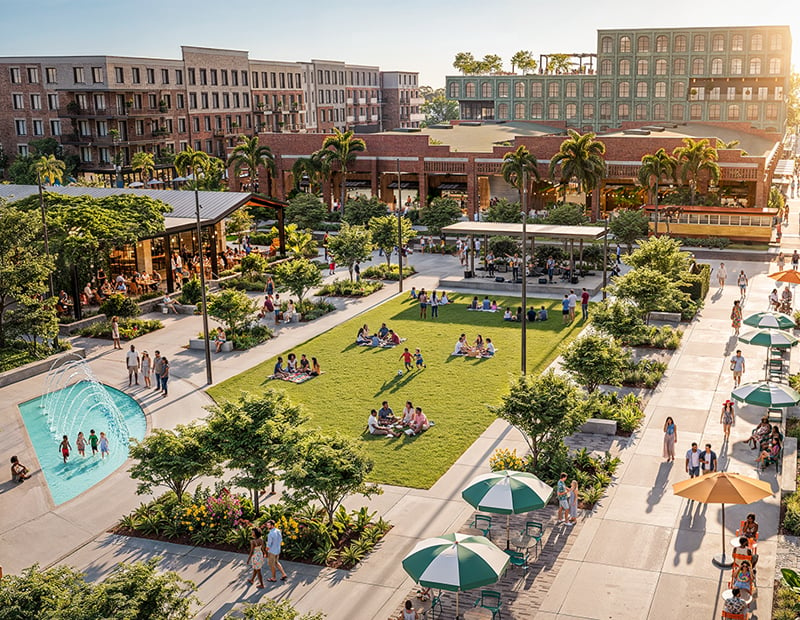
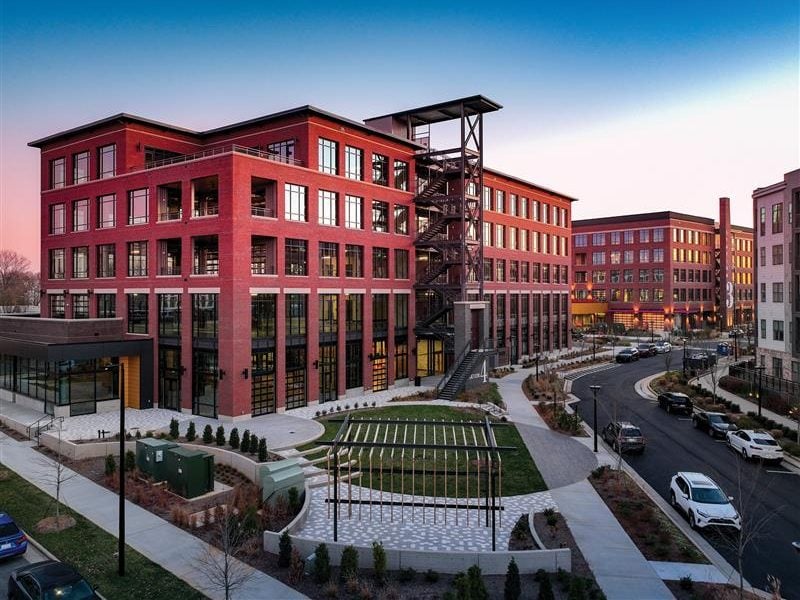
Against that backdrop, mixed-use environments are emerging as the blueprint for long-term success. As Johnson frames it, next-generation retail centers will feel less like standalone shopping hubs and more like community “villages”—places where people live, work, shop and socialize in a seamless, integrated way.
Future-proofing retail strategies
As the industry looks to 2026, retail success will be increasingly defined by actionable strategy. With consumer expectations evolving and technology reshaping operations, performance is no longer determined by location alone. How properties function, adapt and engage shoppers is becoming just as critical. Across the sector, stakeholders are prioritizing reinvestment, differentiation and operational excellence to compete in a more selective market.
“Luxury and contemporary retail in the U.S. is not shrinking. It’s refining,” Johnson said. “Success will come from intention—choosing the right streets, the right partners and the right experiences.”
That intent is translating into targeted capital deployment. Strategic demolition of obsolete space, reinvestment in amenities, footfall drivers and technology-enabled operations are emerging as central tools for maintaining relevance.
“Occupancy for assets built before 2000 has declined steadily, while centers built after 2000 have seen occupancy rise 157 basis points. Redevelopment and repositioning of aging centers—that’s the biggest lever to unlock demand,” said Masinter.
READ ALSO: Upbeat Buzz About Retail, Plus Some Caveats
At the same time, the role of the physical store will continue to evolve. Retail environments are no longer viewed as purely transactional. They are increasingly designed as storytelling platforms that blend experiential retail with brand identity and community engagement.
“Physical retail stores will continue their rebirth…they create trust and loyalty through authentic interactions, foster personal connections and build community around the brand,” Ressler said.
Flexible leasing structures, pop-ups and rotating brand experiences are helping centers stay dynamic and culturally relevant, while AI-driven personalization is expanding retailers’ ability to engage shoppers across generational cohorts. AI agents and digitally influenced sales tools are also expected to play a growing role, personalizing recommendations and automating service and inventory functions—part of a broader shift toward more integrated digital and physical shopping ecosystems in 2026 and beyond.
Additional trends shaping retail strategies going forward include labor optimization, ESG integration and deeper collaboration between landlords and tenants. Taken together, these forces point to a clear conclusion: In 2026, community-oriented platforms—supported by disciplined investment and technology—are likely to define the winners in a retail landscape shaped by selectivity, innovation and changing consumer expectations.
You must be logged in to post a comment.