
What’s Driving Mixed-Use Design
Retail is still the glue, but the other components are changing.
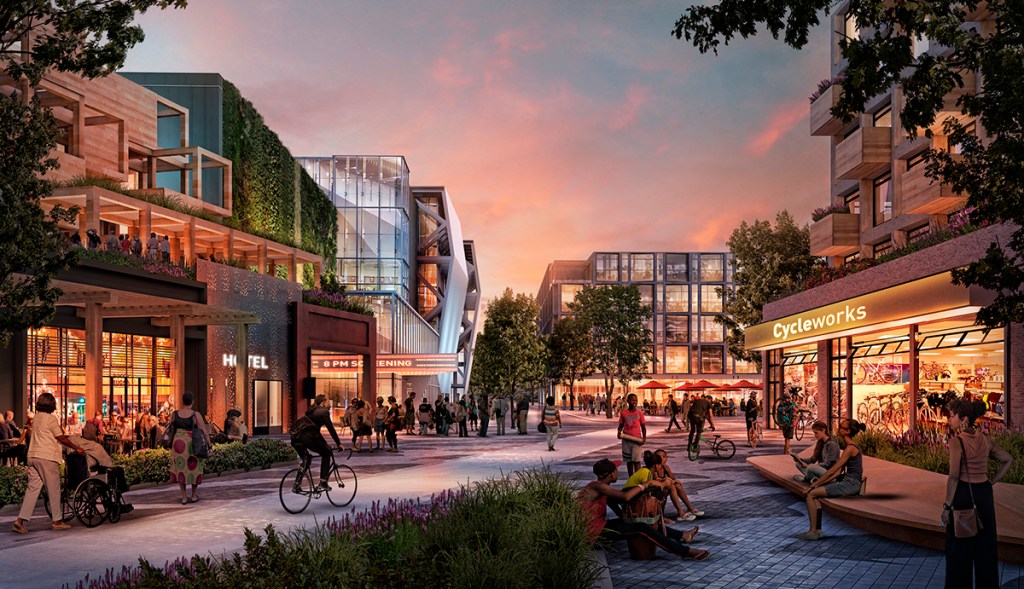
Developers are drawn to mixed-use because it generates diversified revenue streams, creates financial stability and increases potential return on investment. When done right, mixed-use development results in vibrant urban communities where multiple demographics want to live, work, play — and shop. But just how developers combine multiple asset classes into one development is usually a reflection of economic trends and evolving consumer or business needs.
“One of the biggest trends we’re seeing in mixed-use right now is that it’s (become) less about stacking all the things together for the exclusive use of a core tenant of a mixed-use building,” said Woody Hanson, associate principal of SITELAB urban studio.
Instead, developers are curating intentional spaces—beyond the walls—to bring energy throughout the day and the week to the street or open space that surrounds the building. “Mixed-use can serve a broader community,” he added.
SITELAB’s work with clients Google and Lendlease in North Bayshore, Calif., proposes a mixed-use destination centered around Google’s headquarters. “That was a traditional office park that we’ve reimagined to include 7,000 housing units and a social spine with retail alongside it,” said Hanson.
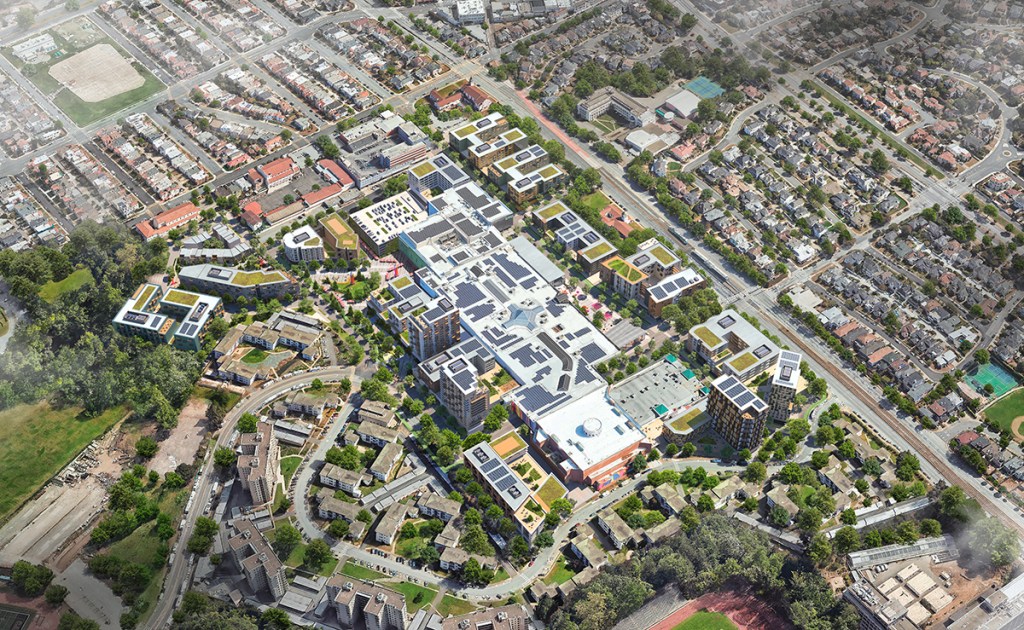
In a hybrid workplace, people don’t want to be confined indoors with co-workers all day. “They’re craving a wider range of spaces that spur creativity during their workday. They want surprise and delight in their environments. They want chance encounters. We are delivering open space from urban plazas to ecological wilds and everything in between.”
The gig economy is also shaping mixed-use design, according to Hanson. DoorDash, Uber Eats and others have created a whole new revenue stream for food and beverage.
“Developers have to think about how to accommodate pick up and drop off for this backdoor service,” said Hanson. “You also have front-door service—this is something that commercial buildings are having to reconcile with, particularly in urban areas where you don’t always have frontage on all sides to be able to serve those needs.”
Hanson has seen interest swing back and forth between highly customized retail space versus a larger shell where the developer builds it first and then finds the tenant that will fit. “Making sure you have a minimum depth of 45 feet has been something we’ve been noticing a lot of clients asking for to be able to support a wider variety of retail,” he noted. “The tighter you get to the front of the building, the harder it is to program different types of tenants.”
The art of placemaking
Another trend driving mixed-use design is the demand for experiential uses. Previously, mixed-use districts were added later to existing entertainment sites. Currently, venues and accompanying mixed-use districts are being developed simultaneously in a more holistic way.
According to Greg Verabian, a partner & regional practice director of commercial/mixed-use at HKS Architects, placemaking is at the forefront of this big idea, with locally grown experiences tied to the local culture and traditions.
“The owners of these projects—often sports teams—are realizing the revenue potential not only directly through the real estate play, such as long-term ground leases, but also through related sponsorships and branding opportunities within the real estate of these projects,” Verabian explained.
Designers are tasked with delivering authentic environments that locals are expecting. “The development needs to be integrated into its surroundings and the community, rather than feeling like an artificial island physically separated from its community,” he added.
Having a full-service conference hotel can act as an effective cornerstone and further create a distinct vibe. These developments also create a critical mass of visitors, which better supports multifamily residential and helps extend neighborhood activity hours.
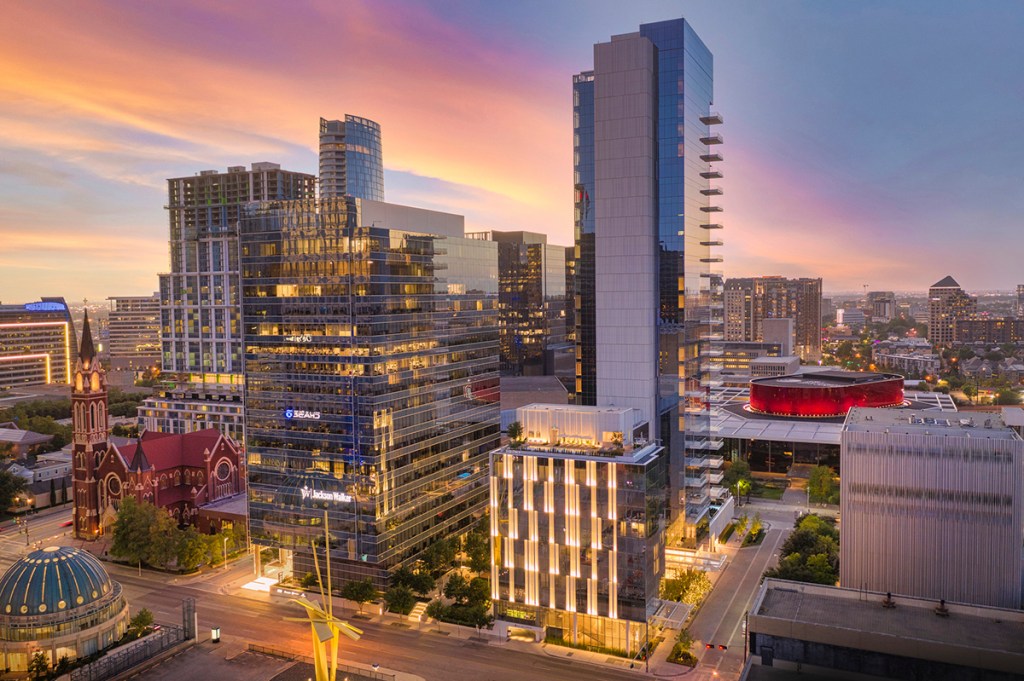
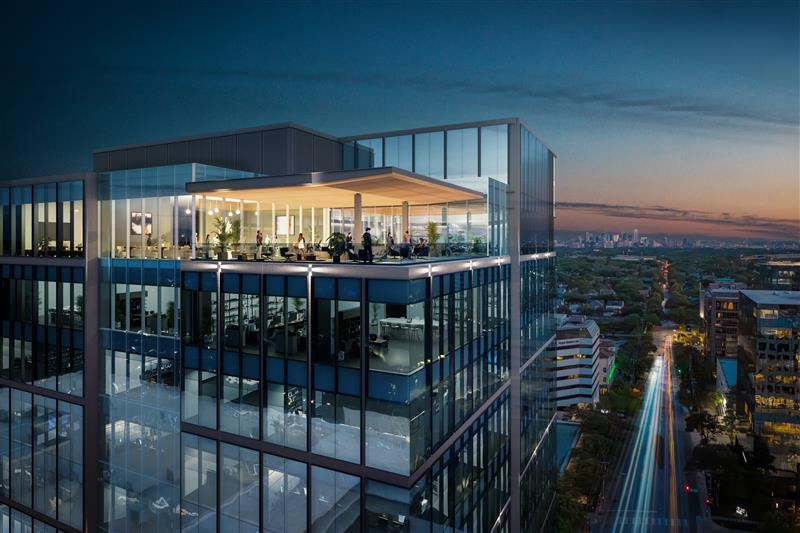
In urban settings, Verabian is increasingly seeing uses like office and residential not only coexist on the same site but sometimes in the same building. In these types of projects, residential and office components will often have separate entrances and lobbies. But they benefit from the potential of shared services, amenities and common areas that promote interaction between the different user groups.
Introducing Today’s Mixed-Use
These are just some of the trends shaping new and reimagined projects:
Small boutique projects
Combined office/residential buildings
More professional sports-related projects
Live entertainment in midsize music halls
More open spaces where people can convene
Health and wellness options
Hospitality-like design and services
Another trend that has taken off in a big way is the integration of health and wellness as a core value—not an afterthought. Buildings are being designed to deliver cleaner air, better daylight, biophilic connections and wellness-focused amenities that support both productivity and quality of life.
Mixed-use properties are also getting an infusion of hospitality-like design and services integrated into other uses like office and residential, observed Verabian. Preserving high-touch, ground-level restaurant and retail spaces, while relocating more private resident or office lobby spaces higher in the building—often above parking and incorporating views and gardens—creates a welcome sense of security and privacy.
Now the lobbies can function more like waiting rooms or transition spaces. According to Verabian, this can translate into shared services such as a neighborhood concierge, premium co-working or networking spaces for hosting industry or community events.
More feet on the ground
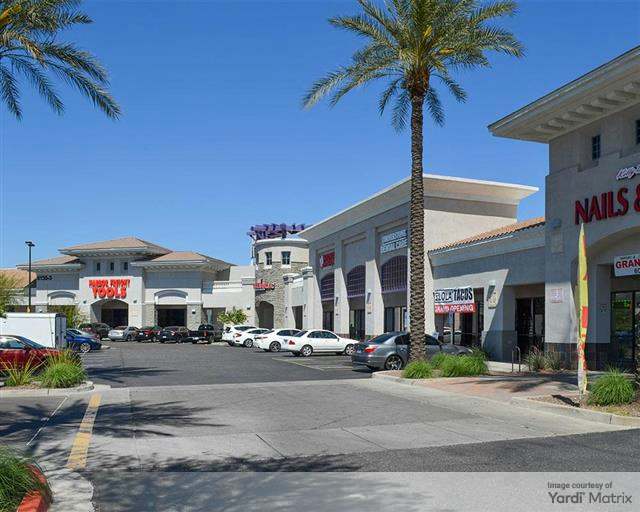
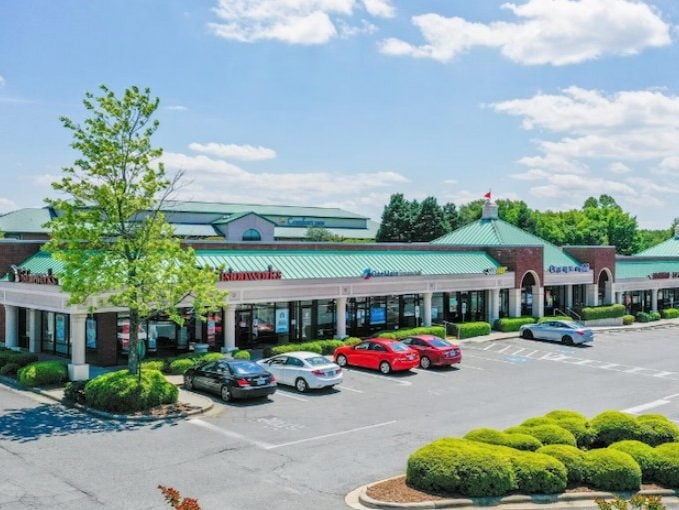
Shopping center owners have been struggling with anchors moving out and impacting the value of their real estate. The slow decline of shopping centers, however, is interesting to mixed-use practitioners because shopping centers typically are located on prime sites in populated places.
“All of the uses have their different struggles, but they’re all looking to be in populated places,” observed Duncan Paterson, leader of global mixed-use and retail centers at Gensler. As such, mixed-use is essential because it puts more feet on the ground during the course of the day.
“Retail has been the mortar between the bricks of other uses,” added Paterson. “Retail is how the activated ground plane happens, and that’s something we strive for in our projects.”
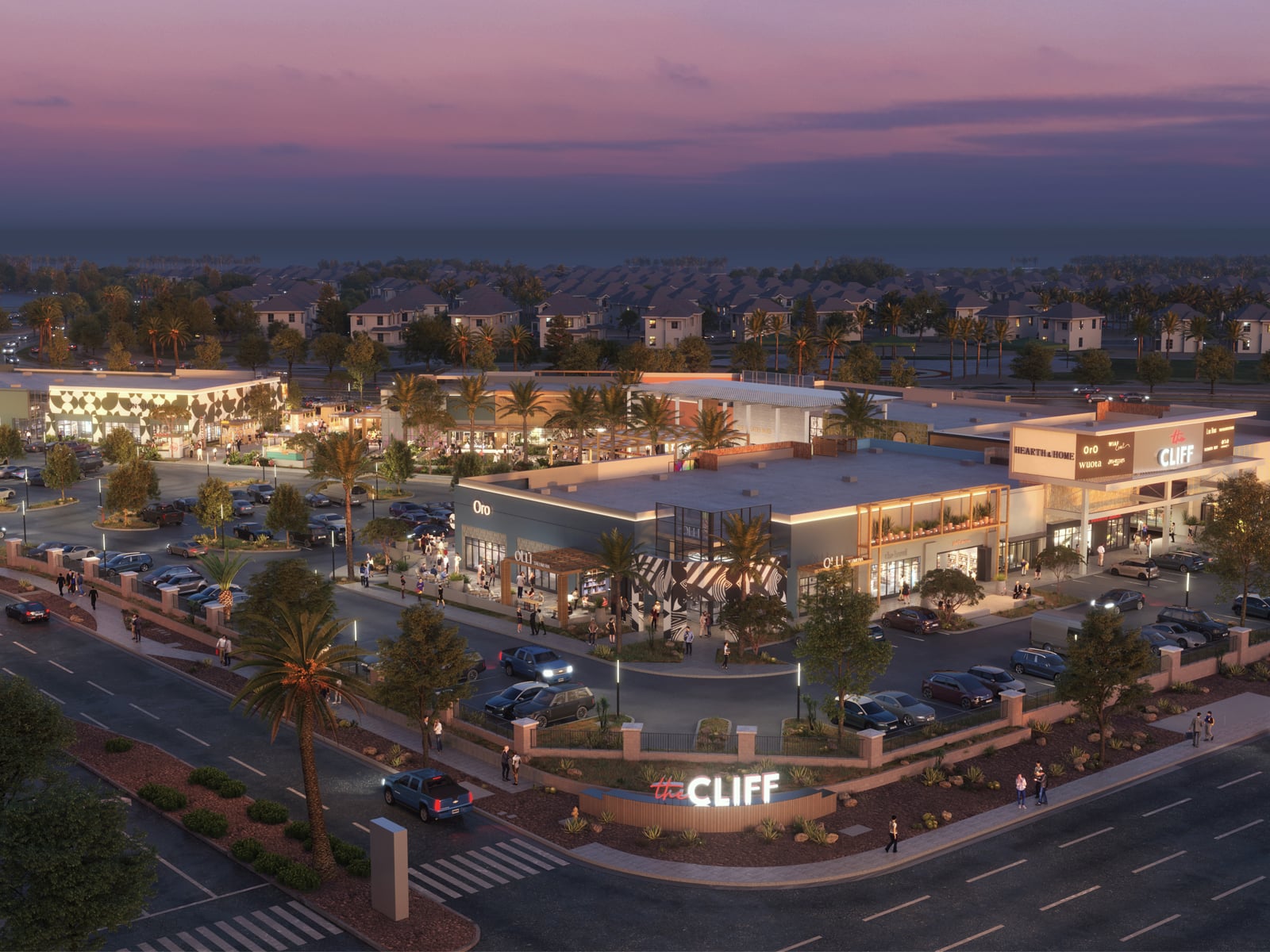
The changing retail landscape is driving another trend of smaller boutique-ish mixed-use projects. According to Paterson, those are the ones that have a better chance of being built.
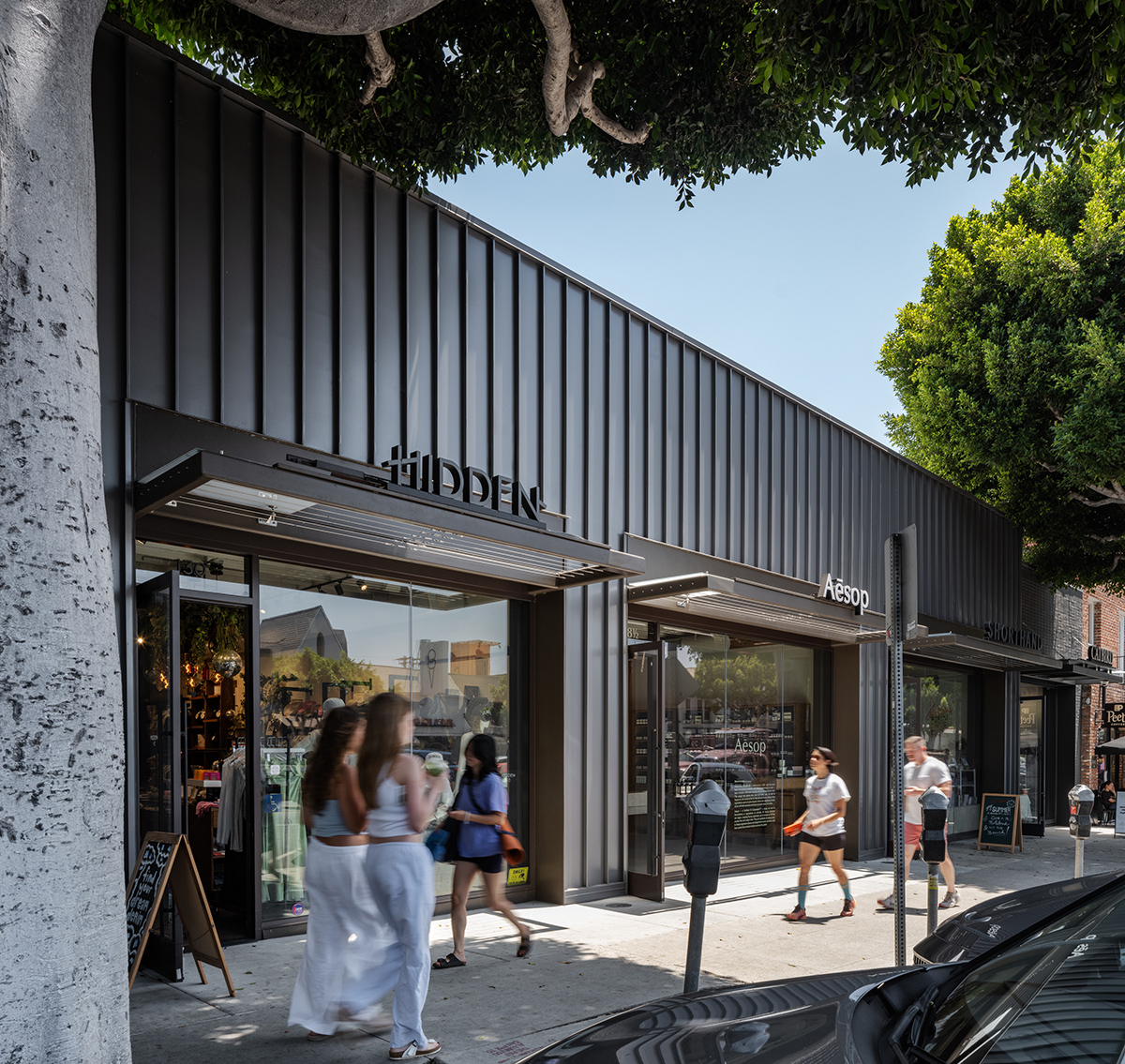
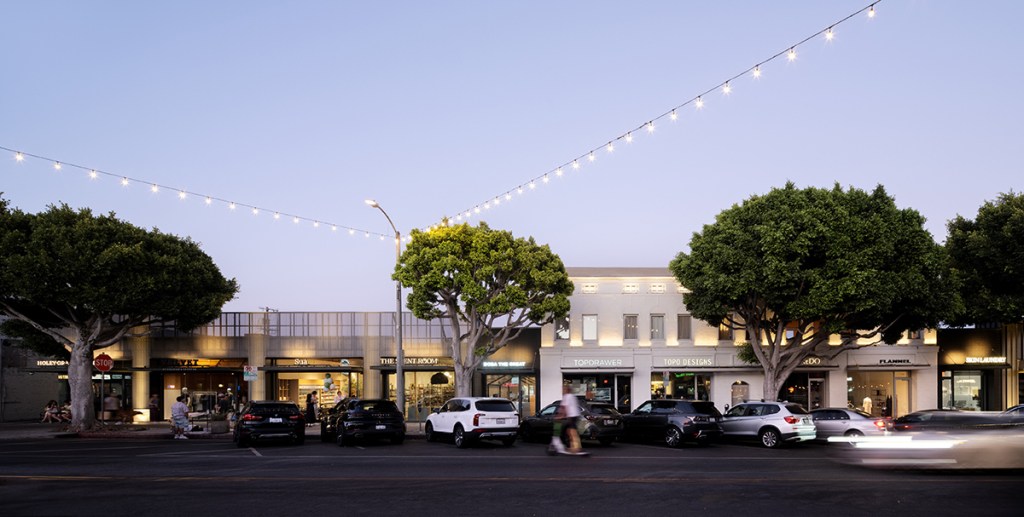
When Gensler reimagined the 17,000-square-foot Larchmont Mercantile building in Larchmont, Calif., the 1917-completed building was 100 percent preleased a year before it opened. “This is unheard of, especially in a challenging street retail economy,” said Paterson.
The property boasts 14 storefronts along Larchmont Boulevard with two boutique office suites above and a curated mix of retail, service and café tenants. Larchmont Mercantile covers nearly a full block and it quickly became a catalyst for growth while changing the center of gravity in the neighborhood. “That’s what good mixed-use does,” said Paterson.
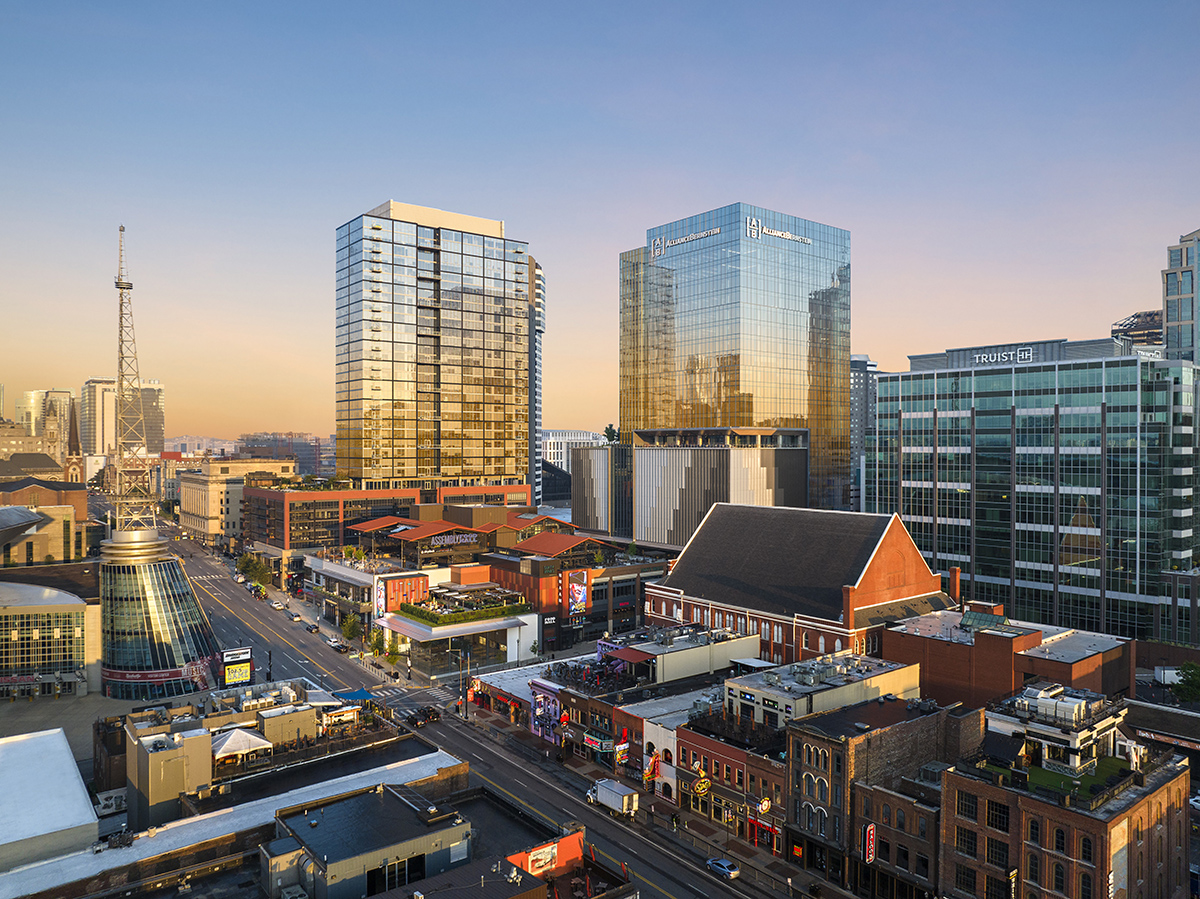
Similarly, but on a much larger scale, when Fifth + Broadway opened in 2021, it transformed downtown Nashville and brought people back to the city with more than 239,000 square feet of entertainment, retail and cultural amenities, a Class A office tower, apartments and much more.
According to Paterson, one of the hottest new markets that’s currently spawning mixed-use development is sports and live entertainment. In the U.S., all the major leagues are creating or have plans to add teams, and when you expand a league because of their popularity, someone builds an arena or a stadium. There are major undertakings in the same vein as LA live in Los Angeles 20 years ago. Not only did Staples Center reenergize South Park but it also led to many blocks of mixed-use development around it.
“When you see a dozen of these things happening in the next few years, you (can expect) huge mixed-use developments, the very large-scale ones that thrive on big population shifts,” noted Paterson. “When 20,000 people come to watch a game 80 times a year, that’s a big deal.”
The other hot market is live entertainment at midsize music halls. In the era of Spotify and internet streaming, artists make their money touring. “The big arenas are one-offs and rare,” said Paterson. But the music industry urgently needs to revamp and develop live venues, particularly the smaller ones.
“I have three active projects right now with music clubs in them,” he added. “This is really heartening because those are the things that can help revamp a community. Cities vie for (these projects).” They want them because they generate positive energy and tax dollars and put feet on the street.


You must be logged in to post a comment.