
Top City Programs for Office-to-Residential Conversions
From fast-tracking approvals to tax benefits, policymakers explore ways to boost adaptive reuse.
Despite ongoing stabilization across many markets, high office vacancy continues to stick across certain metros and submarkets with older stock. Local legislation is one way to address this issue, as well as the prevalent housing shortage, through city programs for office-to-residential conversion.
These incentives, often surgical in scope and dimension, aim to assist developers at various stages throughout the adaptive reuse process, from fast-tracking permits to providing tax breaks or even financing. Here’s our list of some of the most impactful such programs across major U.S. markets.
Key takeaways:
- Boston and New York City encourage conversions through tax incentives and programs that speed up the approval process.
- Chicago provides capital through tax increment financing for adaptive reuse developments in the downtown area.
- Los Angeles hastens conversion approval based on location and building age.
- Washington, D.C., offers tax incentives for downtown adaptive reuse projects.
Boston
Boston’s office-to-residential conversion program provides a speedier resolution for permitting—reducing the timeline from 18 to just six months—and a 75 percent tax abatement through a PILOT program set to last 29 years. Additionally, downtown properties may receive as-of-right zoning, which lets applicants skip Zoning Board of Appeal approvals.
In exchange, developers must align with a green-oriented construction process, set aside 17 percent of the units as affordable and ensure the presence of ground-level retail across projects.
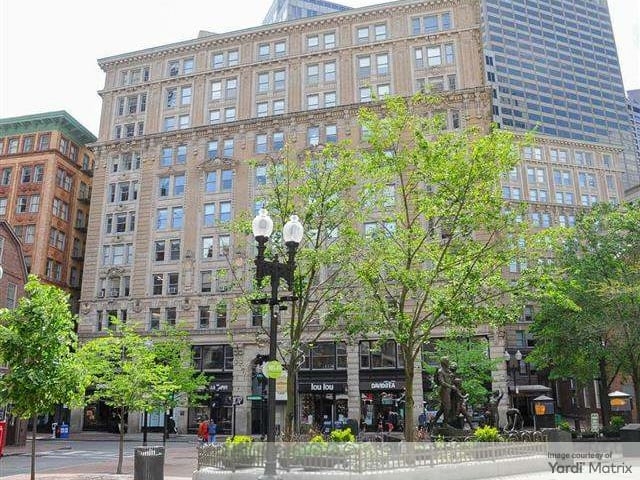
Since the program’s inception in 2023, the application count has reached 26, targeting the conversion of 1.5 million square feet of office space to 1,785 multifamily units. Synergy Investments was among the companies to file for conversion of the 1903-built office building at 294 Washington St. into a 255-unit community, marking one of the biggest Boston redevelopment projects in history.

Chicago
The LaSalle Corridor Revitalization aims to revitalize underutilized office space across LaSalle Street in Chicago’s historic central business district. This is among the city programs for office-to-residential conversion that may provide capital in the form of tax increment financing to eligible projects.
Following an invitation for proposals issued in 2022, Chicago has funded six projects with $315 million in TIF. Overall, these developments represent more than $900 million in total investment, aiming to convert 2 million square feet of office space into 1,765 multifamily units.
To absorb the funds, developers must set aside 30 percent of a project’s units as affordable, to be rented out to residents earning at or below 60 percent of the area median income.
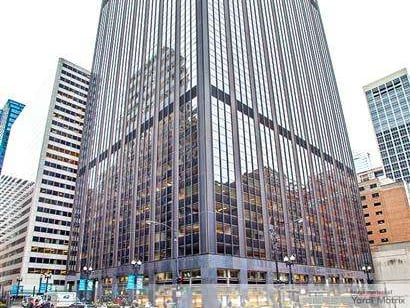
One such applicant is Golub & Co., which, alongside AIG, plans to reposition the 1975-completed, 44-story tower at 30 N. LaSalle St. into a 349-unit community. Just last month, the property received a landmark designation from the Chicago zoning committee, which allows the developer to secure another type of incentive in the form of a Class L property tax abatement.
Los Angeles
Much like Boston and Chicago, Los Angeles has a Downtown Adaptive Reuse Program. However, the metro also adopted a much broader Citywide Adaptive Reuse Ordinance. Both pieces of legislation provide zoning incentives and streamline conversion procedures.
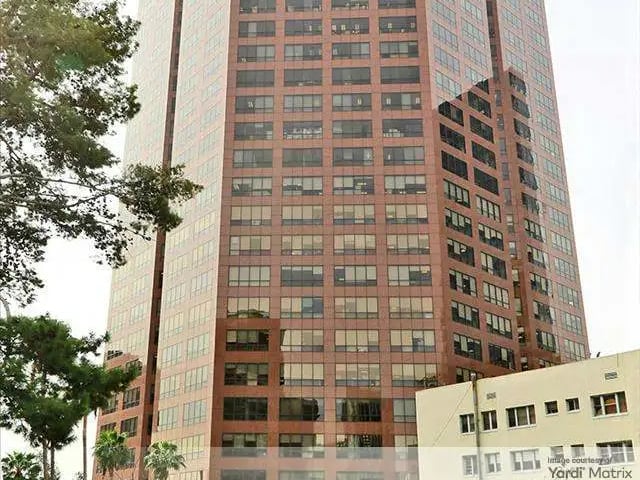
The citywide ordinance came into effect this February, mirroring and adapting some of the downtown program stipulations to include the removal of most zoning code barriers and the provision of interior adaptive reuse architectural flexibility, unlimited density and approval of extra floors for affordable projects.
To access these programs, developers must convert buildings within eligible zones and meet certain building age criteria, to name a few requirements. Jamison Services is among the companies that frequently engages city programs for office-to-residential conversion.
Some of the firm’s current projects include the adaptive reuse of the 620,000-square-foot office tower 1055 W. 7th St. into a 686-unit community and the adaptive reuse of the Los Angeles World Trade Center into a 512-unit affordable housing property.
New York City
The Big Apple hastens adaptive reuse through the Office Conversion Accelerator, a 2023-launched program designed to assist developers navigate the city’s red tape by offering a single contact point that links to numerous local departments.
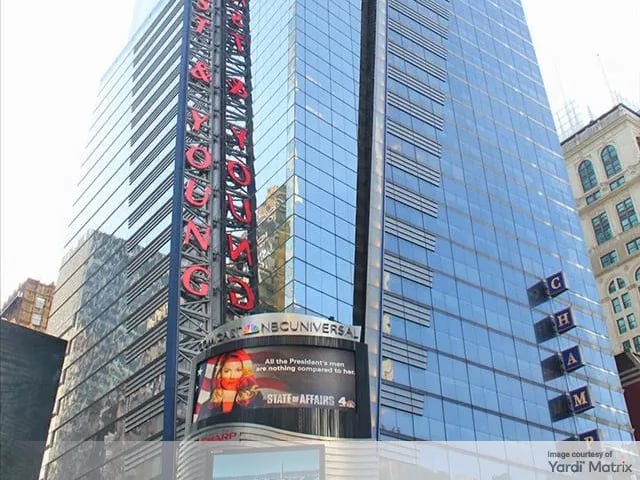
While the Office Conversion Accelerator may only be accessed by developers with projects encompassing at least 50 units, another program, dubbed the Affordable Housing from Commercial Conversions Tax Incentive Benefits or 467-m, can be obtained by developments with as few as six units.
The tax break, which provides a 100 percent exemption during construction and various degrees of exemption post-completion for up to 35 years, requires that at least one-quarter of the units be set aside as affordable, among other income restrictions.
Among New York’s construction projects is the conversion currently underway at 5 Times Square, which secured both incentives. RXR Reality, Apollo Global Management and SL Green are spearheading the adaptive reuse of the 1.1 million-square-foot former office tower into a 1,250-unit community.
Washington, D.C.
While the federal government continues to adjust its D.C. footprint, local policies likewise attempt to address the underutilization of office buildings. The capital addresses this issue through a competitive program that provides a 20-year tax abatement.
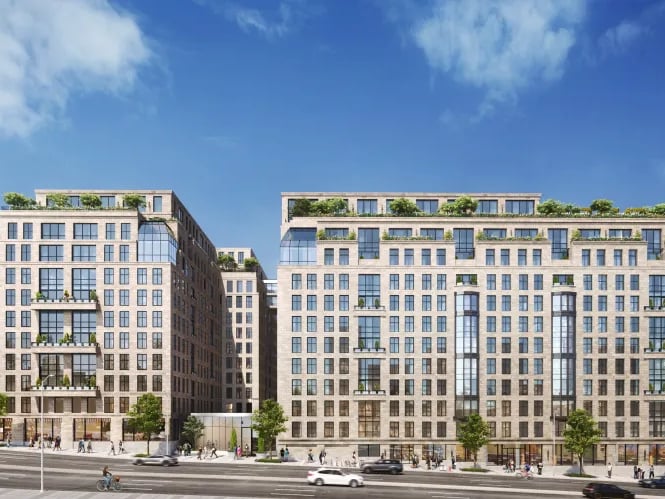
Dubbed Housing in Downtown, the 2024-enacted program requires applicants to develop projects of at least 10 units and set aside between 10 and 18 percent of apartments as income-restricted.
As of January, HID has advanced 10 projects encompassing 2,563 units across 2.8 million square feet. That includes the latest conversion, which is also the largest in D.C.’s history. Post Brothers kicked off the development, dubbed The Geneva, earlier this year, set to transform a 604,000-square-foot office property into a 532-unit community.
Washington’s efforts to trim down the old and obsolete office stock ran past residential conversions, with the city’s launch of the Office-to-Anything Program last year. This incentive complements the residential conversion one, offering 15-year tax abatements on a similar competitive basis.
You must be logged in to post a comment.