
18 CRE Trends We’re Taking Into 2026
These drivers popped up or sped up in 2025. And they're not going away.
In the heat of the moment, it can be hard to separate lasting trends from fleeting ones. CPE asked experts to weigh in on the 2025 commercial real estate drivers they think will continue to gain traction in the new year. The range of responses and the boldness of some surprised us.
1. Creative Capital Markets
In 2025, the winning strategy was investing in distressed assets, including rescue capital, preferred equity, debt and similar instruments because high interest rates made refinancing, obtaining loans and selling at business-plan pricing difficult. “As rates fall and banks resume lending and risk taking, these opportunities should return to more standard real estate investing,” according to Danny Fishman, CEO & co-founder of Gaia Real Estate.
But the demand for creative capital solutions—mezzanine, private credit, structured debt—will most likely endure. “Investors are increasingly comfortable using nontraditional financing, given banks’ pullback,” said Mike Sroka, CEO of Dealpath.

2. Value Adjustments
Most of 2025 saw a major price disconnect. Sellers held on to trends dating back to 2022 and earlier, while higher borrowing costs and tighter underwriting left purchasers unable to justify such valuations, noted Alan Hammer, a real estate attorney at Brach Eichler. Toward the end of the year, however, investors seemed more willing to mark their properties to market to close deals.
“In 2026, price expectations are likely to reset, with sellers pricing assets based on today’s financing realities,” Hammer said. “As the parties meet in the middle, deal volume should rise, risk allocation in purchase and sale agreements should normalize, and things should return to traditional market standards.”
READ ALSO: Life Companies Target an Active 2026
3. AI Adoption
Until 2025, AI was more of a curiosity than an implemented technology for a great many in the industry. Though the technology is still in its infancy, adoption for research, underwriting and marketing workflows is only expected to multiply next year. “The difference in 2026 won’t be who uses AI,” said Lukas Krause, CEO of SVN International. “It’ll be who uses it well. Like any tool, the advantage lies not in access but in the skill and integration behind it.”
4. Record Retail Leasing
The idea of a “retail apocalypse” didn’t simply perish in 2025. It was buried under record leasing velocity and packed shopping center parking lots. “While other asset classes are chasing narratives and new use cases, retail keeps delivering what investors actually need: cash flow, traffic and durability,” observed Adam Ifshin, founder & CEO of DLC Management Corp.
READ ALSO: The Rise of Tertiary Retail Markets
5. Strip Mall Renaissance
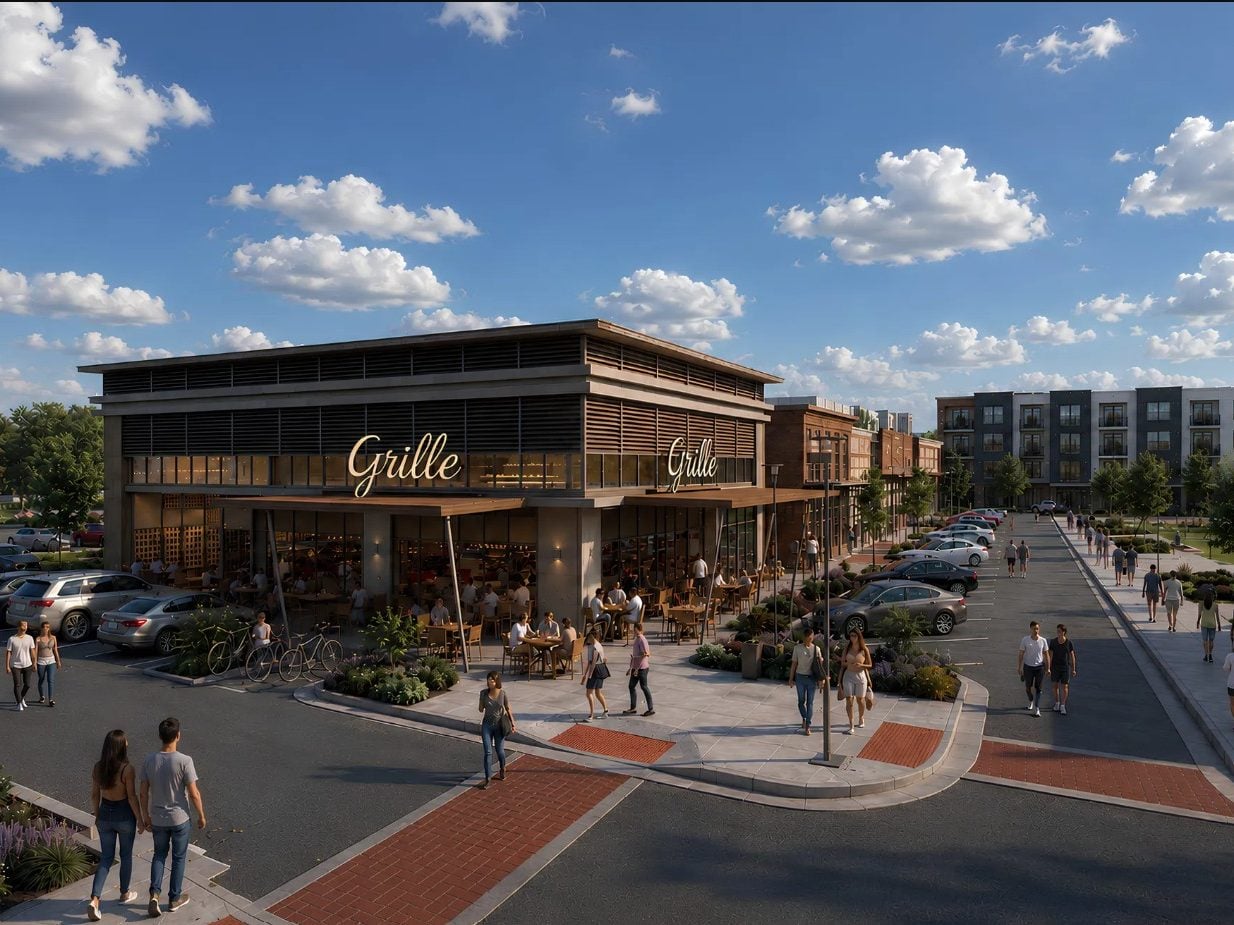
Strip mall foot traffic has risen approximately 18 percent from pre-Covid thresholds, according to RetailStat. Fueled by rising suburban populations and remote work, the increase is sparking renewed investment by owners seeking to make them appear more attractive. High-quality modern facade materials, enlarged windows, improved landscaping and signage, as well as lighting upgrades are all part of these makeovers, as are technology improvements that enable in-store Wi-Fi access, mobile payments and other tech-forward capabilities, noted Mark Kluemper, an associate principal at Baker Barrios Architects. Finally, some municipalities have rezoned such locations to allow a mix of uses, including fitness centers, medical office components or entertainment concepts with food and beverage options, aiming to refocus these properties.
6. Infill Industrial
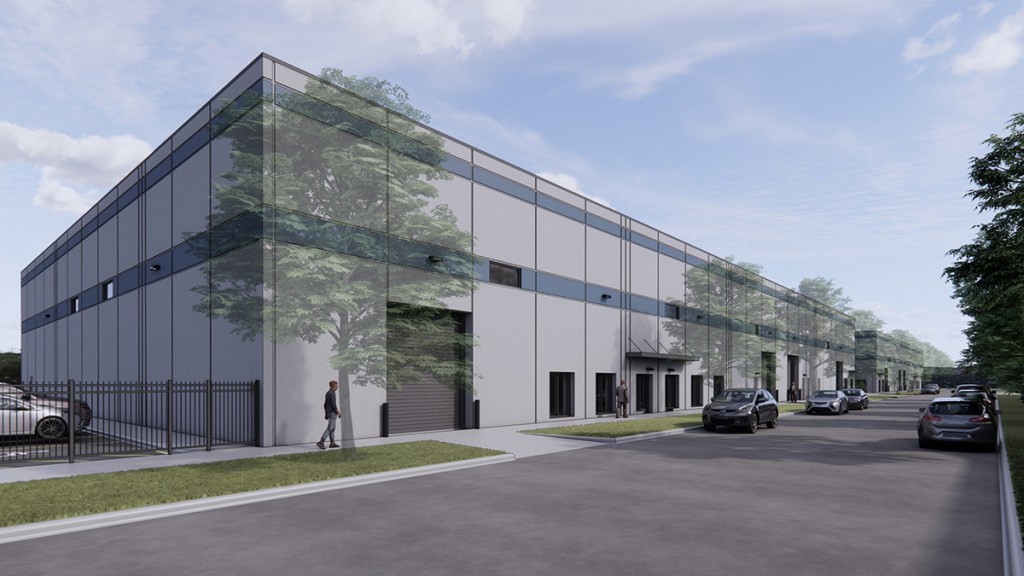
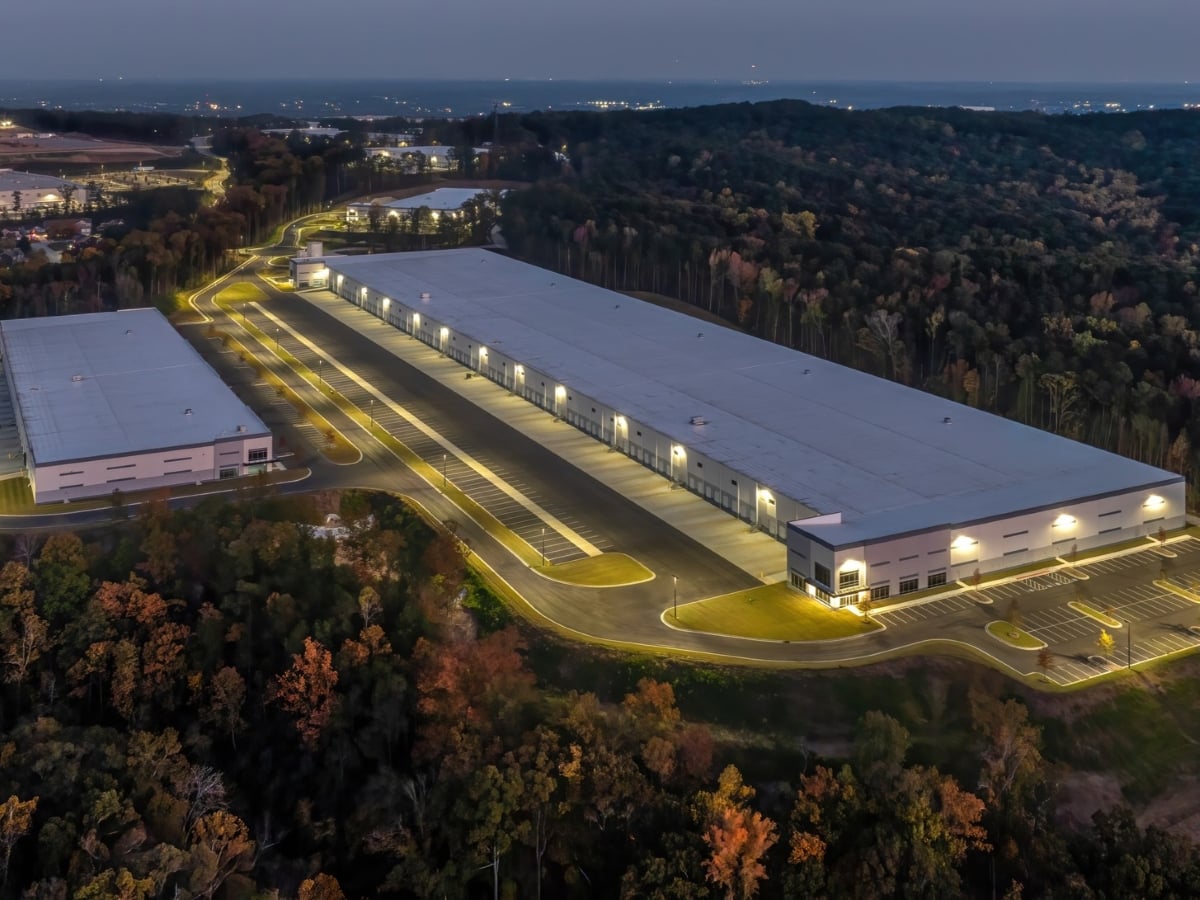
This year revealed a slower, more selective industrial market, with developers responding by favoring smaller infill projects.
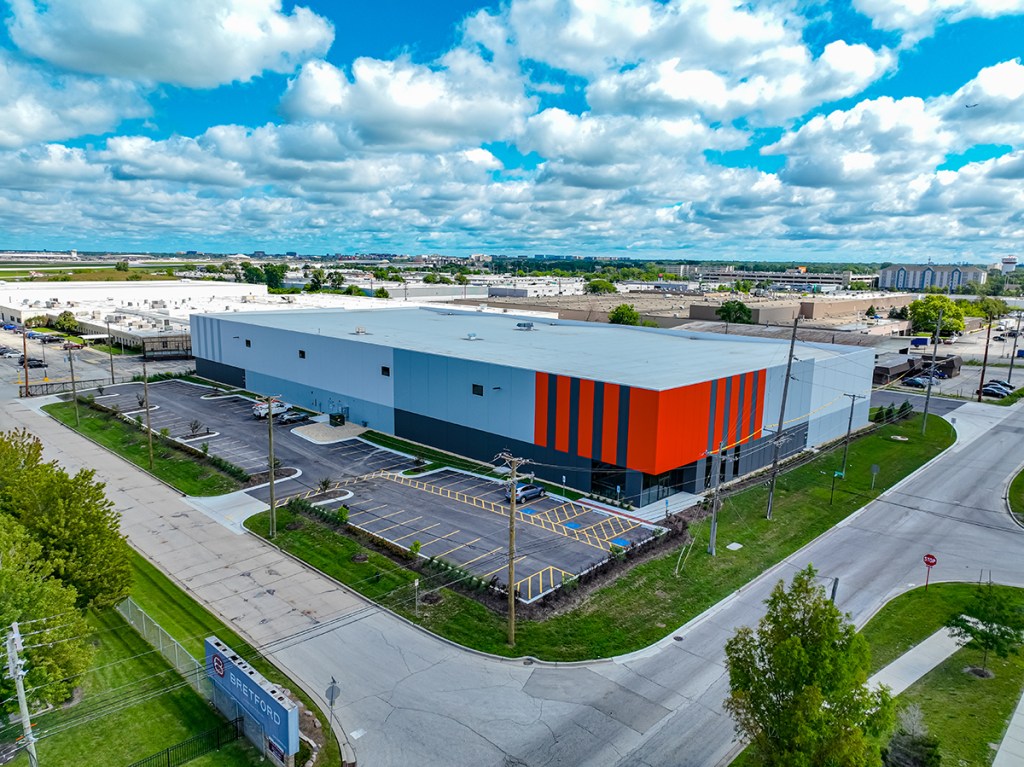
“Small-scale infill developments have become a sweet spot, as they are more manageable in scope, easier to finance and appealing to risk-averse investors,” said Steve Schnur, COO of CRG, whose firm has three such developments. One project, The Cubes at ORD near Chicago’s O’Hare International Airport, reached full occupancy within months of completion.
Robert Smietana, president & CEO of HSA Commercial Real Estate, expects continuing demand for infill sites strategically set for last-mile delivery, with functional clear heights and space that’s subdividable for multiple tenants.
7. Industrial Outdoor Storage
This decade’s surge in e-commerce, along with Covid-era supply chain disruptions, sparked demand for industrial outdoor storage. More than merely a vacant parcel, IOS requires meticulous zoning, accessibility and security, and is often proximate to ports, rail and freight hubs, according to Daniel Tropp, founder & president of AEBOV Industrial Real Estate Brokerage. “IOS is now a distinct and sought-after asset class, with specialized design and regulatory needs, setting it apart from traditional enclosed warehouses,” he noted.
Explosive IOS growth is underway in Dallas–Fort Worth, Southern California and New York City, which notched a 162 percent increase in the first half of 2025 compared to the same timeframe in 2024.
8. Office Bifurcation
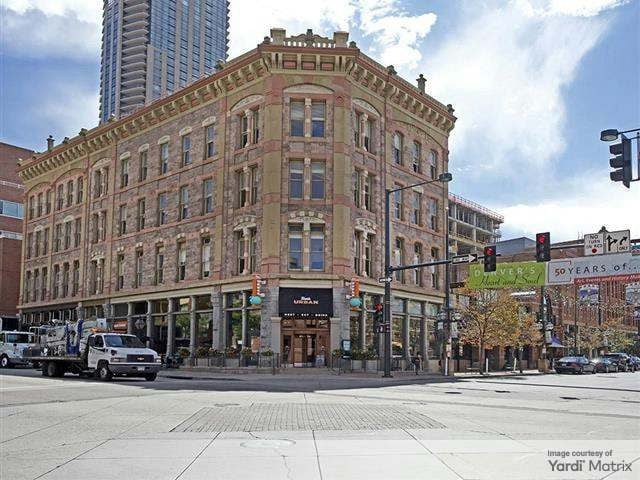
The office sector’s flight to quality continued in 2025, helping broaden the already-yawning gulf between top-tier office assets and secondary properties. Premium office buildings in core locations drew the bulk of investment dollars in 2025 and most large leases. “The bifurcation is here to stay,” commented Sergio Altomare, co-founder & CEO of investment firm Hearthfire Holdings.
READ ALSO: Office Demand Shifts as Coworking Gains Momentum
9. RTO Momentum
While remote-work flexibility has become a permanent fixture of the office milieu, the return-to-office movement is becoming permanent as well.
RTO intensified and will continue to build strength in the years ahead, advised Philippe Lanier, principal at EastBanc. The demand for modern, high-quality office space will remain greater than the supply. That will provide well-capitalized owners with the confidence to modernize and reposition their properties. “At the same time, elevated construction and fit-out costs will keep top-tier rents climbing,” Lanier added.
10. Downtown Downsizing
The past year has seen some suburban and regional office hubs replace oversize central headquarters offices, indicated Teresha Aird, co-founder & CMO of Offices.net. Downtown offices are being supplanted by smaller headquarters or regional hubs in more affordable cities. Offices.net has seen a nearly 20 percent rise in interest in suburban and secondary markets this year, Aird added. Clients are also asking for shorter-term leases and plug-and-play fit-outs to reduce risk in volatile times.
11. Predictive Maintenance
AI and Internet-of-Things sensors continued transforming how maintenance and building efficiencies would be handled in 2025 and beyond. Maintenance and cleaning crews have long operated based on time increments rather than occupant needs, according to Honghao Deng, CEO of Butlr Technologies.
Leveraging IoT sensors that blend AI and body heat-sensing technology is growing in CRE as a way to monitor foot traffic and the needs of building occupants, and to spot maintenance and efficiency opportunities, he detailed.
READ ALSO: What’s Next for AI in Property Management
12. Green Data
This year, investors no longer rewarded vague sustainability goals—they want quantifiable ROI, and the demands for quality data will only increase. “Operators now tie ESG upgrades directly to lower insurance costs, reduced turnover and higher asset valuations,” said Jeff Klotz, founder & CEO of The Klotz Group of Cos. “Energy efficiency retrofits and resilience planning have become (standard) underwriting items, not afterthoughts.”
13. Data Center Resistance
Concerns about noise, electromagnetic radiation, the industrialization of rural areas and other threats have led to considerable resistance to data center development, according to a JLL report. Therefore, the data center industry has become increasingly cognizant of the need to step up community relations efforts to make community leaders and other stakeholders aware of the upsides of the asset class, including high-wage employment and infrastructure enhancements. As development continues, it will be the industry’s responsibility to manage perception of swift growth in the years to come, according to the same JLL paper.
14. Beyond Data Centers
AI is also supporting other real estate sectors indirectly. “It’s driving economic growth via capex and positive wealth effects on consumers investing in the stock market, which has knock-on effects (on) commercial and residential real estate,” said Todd Henderson, head of real estate for the Americas at DWS Group.
Soaring equity markets have rekindled investor interest in real estate to restore allocations to target levels and establish a hedge in the face of never-before-seen, sky-high stock valuations, Henderson added.
15. Biophilia for Wellness
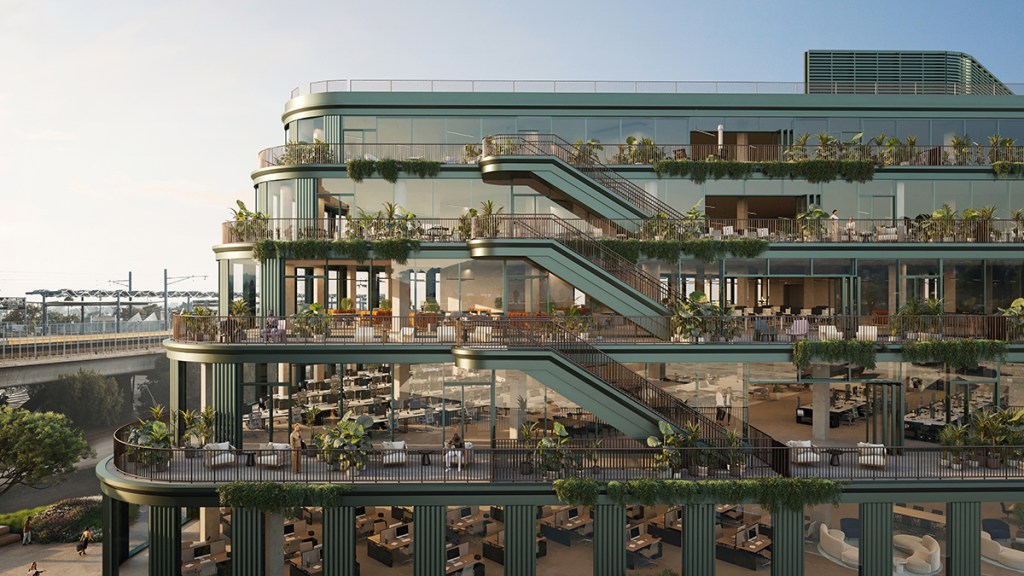
This year witnessed further movement toward incorporating biophilic design in offices and doing so at a deeper level. Research has shown a correlation between biophilic design and not only wellness but also improved productivity, said Ryan Burton, director of development & senior vice president at Lendlease. For instance, at the company’s Los Angeles transit-oriented mixed-use campus Habitat, the office building features indoor-outdoor transitions via operable NanaWalls, which provide air movement, natural light and access to outdoor terraces. The campus also features an acre of open space.
16. Reuse Acceleration
New construction is giving way to renovations of existing vacant and aging buildings. Driven by post-pandemic work trends and surging demand for housing and mixed-use spaces, the trend is extending beyond Class B and C office-to-residential conversions.
“Adaptive reuse has now moved beyond just being a niche strategy,” said Johana Williams, a regional manager at Utopia Management. “It has become a necessity to address high commercial vacancies, making them sustainable and expanding the housing supply cost effectively.”
READ ALSO: The Rise of Retail-to-Office Conversions
17. Reshoring Opportunity
Reshoring of manufacturing operations continues to transform supply chains, and appetite is rising for facilities in secondary and tertiary markets. “While financing will remain selective, the reshoring trend is here to stay and will influence how companies and investors think about CRE well into the next cycle,” said Keyvan Ghaytanchi, CIO at BEB Capital.
18. Human Capital Imperative
The most overlooked CRE trend of 2025 may have been the proactive stance among the best-run firms to expend capital on culture, training and systems that empower mid-level leaders. As 2025 dawned, CRE confronted employee burnout, talent scarcity and a generation gap separating leaders from ascending managers, noted Jeff Klotz, CEO of The Klotz Group of Cos. “Automation and AI may streamline data, but people still drive execution,” he added. “In 2026, the competitive edge won’t just be capital. It will be human capital. Firms that build, train and retain operational talent will own the recovery.”

You must be logged in to post a comment.