


Live-Work-Play Development Enters Next Golden Age
Here's where deliveries are booming, according to CoworkingCafe.
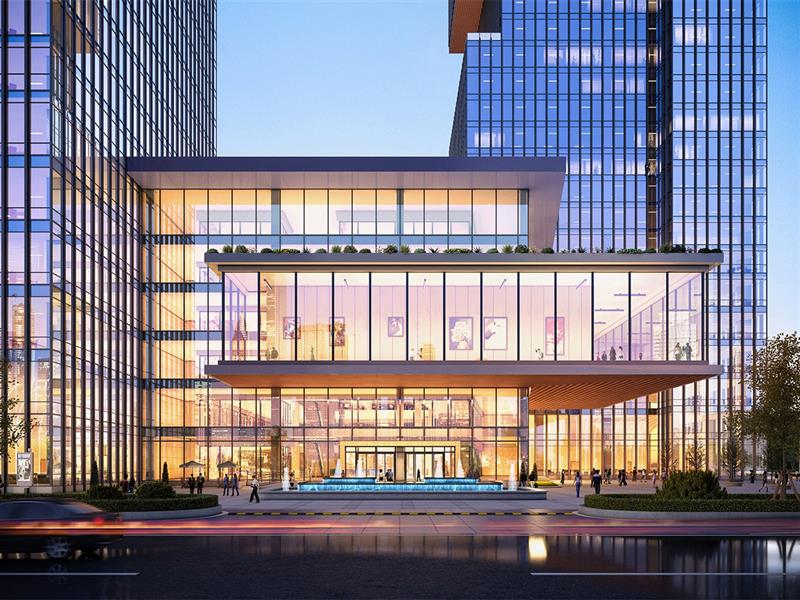
The renaissance of mixed-use projects is underway across the nation. Just last year, a new record was set for live-work-play development, with 67 such properties delivered across the U.S., according to a CoworkingCafe report. Projections estimate another completion best to surface this year.
During the past decade, 542 live-work-play developments reached completion. Another 94 are expected to debut over the next three years, out of which 69 are expected to come online by year’s end.
As of 2026, multifamily dominated space usage across these properties at a national level, with 62 percent of the square footage designated for residential use. Office (27 percent) and retail (11 percent) follow.
Unsurprisingly, New York City rose as a live-work-play juggernaut, as limited space encouraged urban planners to pursue mixed-use development. Over the past decade, 119 such buildings have been delivered across the Big Apple.
READ ALSO: How Mixed-Use Can Build Real Communities
All other metros follow from a distance, though certain coastal markets show promise. One of them is Miami, which witnessed 15 completions over the past 10 years; of the total, 11 buildings have come online during the past four years.
Post-pandemic deliveries remained resilient across the Midwest as well, with Chicago matching Miami’s completions during the past decade. However, developers brought online just seven live-work-play properties between 2022 and 2025 across the Windy City.
Also Texas is home to several other markets where development took off most recently, such as Austin (five deliveries over the past two years), Dallas (four deliveries) and Houston (two deliveries).
A new live-work-play development cycle
While transit-oriented incentives partly drove mixed-use development at the turn of the century, this latest construction cycle coincided with the rise of the coworking sector.
As part- or full-time remote workers nearly doubled between 2020 and 2026, flex office space likewise grew to meet this newfound demand. More specifically, the number of coworking spaces in live-work-play properties ticked up 60 percent between 2022 and 2026.
This rise could suggest that coworking steadily transitions toward another checkmark that developers ought to tick as they reconsider the mixed-use design formula. In New York City, for instance, office space only accounts for 20 percent of live-work-play properties, yet the metro has 17 coworking spaces across the existing 119 buildings.
Several markets support this idea, including Seattle (where seven of the 14 live-work-play deliveries over the past decade include coworking spaces) and Chicago (with six flex office spaces across the 15 newly completed properties). Additionally, San Francisco has six flex office spaces across its seven deliveries.
However, there are metros where coworking spaces were not included in mixed-use properties on a regular basis. Miami, despite being home to 89 coworking places, has just one single such space across its live-work-play deliveries.
Similar markets with room for improvement include Philadelphia, Columbus, Ohio, and Houston. These three metros haven’t included a single coworking location across their live-work-play completions yet.


You must be logged in to post a comment.