

How Jamestown Made Place a Business Strategy
Inside the company's knack for creating memorable mixed-used districts.
Some companies invest in buildings. Jamestown says it invests in places and communities and brings them to life. What began as an investment company with a focus on power centers and grocery-anchored retail in the Sun Belt has evolved over the last four decades into a national mixed-use operator and developer.
Whether preserving historic buildings or developing new multipurpose districts, Jamestown’s philosophy is rooted in creating places that people embrace. Company leaders attribute that success to a willingness to respond to changing markets while recognizing the value in overlooked properties, local identities and authentic placemaking.
An unfolding vision

Founded in 1983, Jamestown today is a global real estate investment and management firm with $14.3 billion in assets under management. Principal & CEO Matt Bronfman has played a role in much of the company’s growth story, having joined the company nearly 30 years ago as general counsel. He became CEO in 2012.
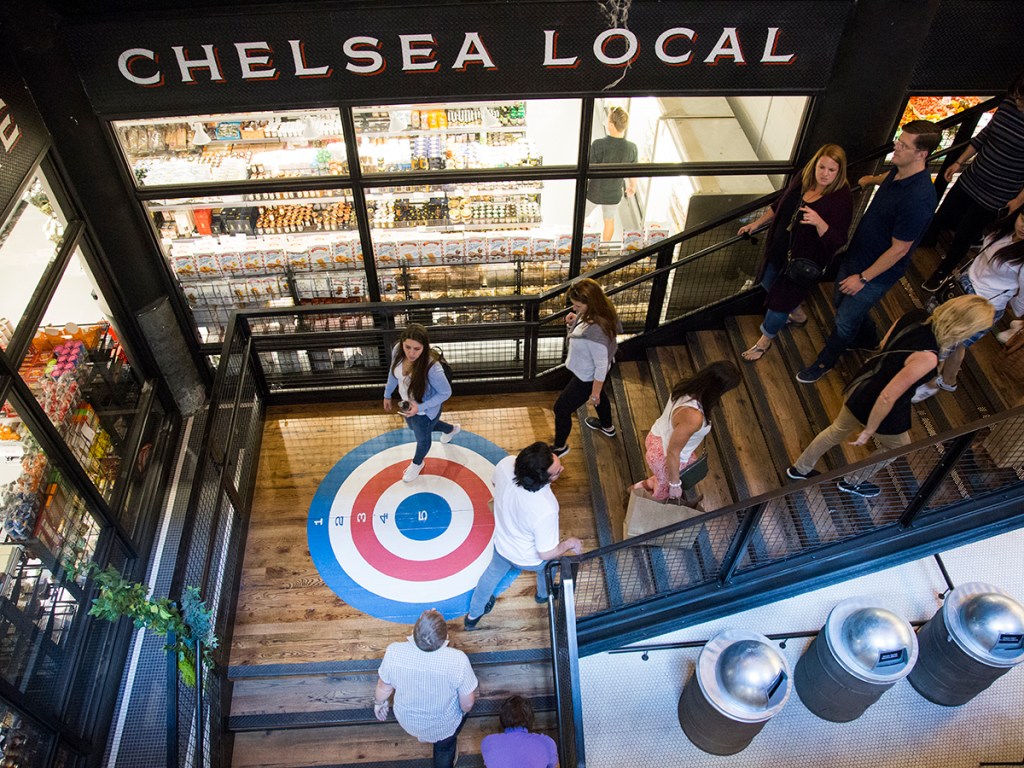
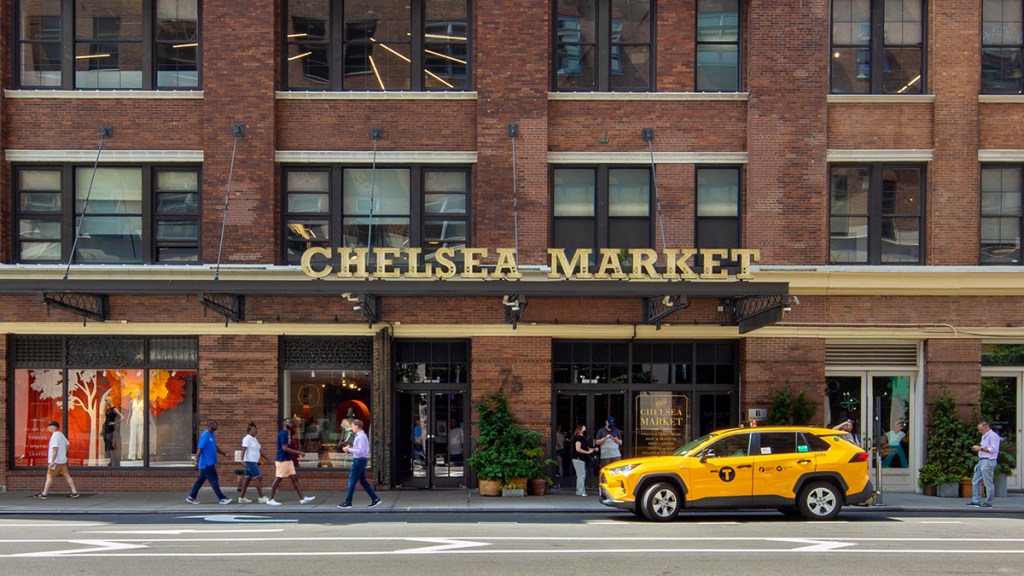
Bronfman described Jamestown’s history as a series of turning points. A defining moment for the company was Chelsea Market in New York, he shared. Jamestown was initially part of the project as an investor but quickly realized the company had a distinct vision for how the property should take shape—a vision that couldn’t be carried out by a third-party operator.
The Great Recession accelerated that shift from investor to operator and ultimately to a vertically integrated firm. Bronfman explained that several of Jamestown’s operating partners struggled during the downturn, forcing the company to step in and operate projects itself. What began as a necessity ultimately became one of the firm’s strengths. Because the company was well capitalized, it was also able to expand while many competitors were pulling back.
“We were actually hiring during the Great Recession because we were taking over all these assets that we had to operate, and we were buying more assets because we were fortunate to have capital,” Bronfman said. “So, really, in many ways, the Great Recession was an opportunity for us.”
The shift from investor to operator is at the core of how Jamestown approaches projects today, with a focus on community connection and integration.
Designing for community
Whether it’s reimagining a historic landmark or pursuing a new mixed-use destination from the ground up, the company approaches each project with the same objective: creating places that become part of the surrounding neighborhood. Rather than designing for the broadest possible audience, the firm prioritizes the people who live and work nearby, believing that successful places are built from the inside out.
Before joining Jamestown, President Michael Phillips worked as both a retailer and manufacturer, experiences he credits with shaping the way he thinks about the built environment and how people interact with places. Today, that perspective influences Jamestown’s design-driven approach to placemaking.
“If you create a great local place, the locals will stay committed and the tourists will come,” Phillips commented. “If you create a tourist place, the locals won’t come, but the tourists will, and you’ll end up with a less dimensional experience.”
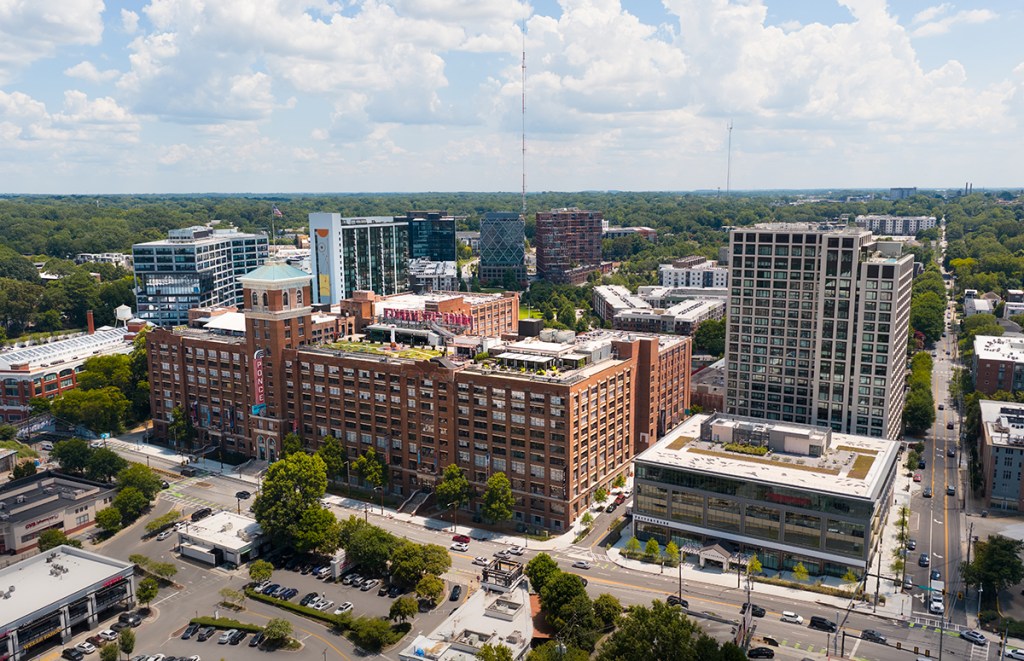
That approach influences everything from design to tenant curation. While Jamestown’s roots include grocery-anchored retail centers with national tenants, Bronfman said the company has shifted toward a more balanced mix of national brands, local businesses and neighborhood-oriented programming.
Local tenants may not always command the highest rents, but for Jamestown they help establish the identity of a project and strengthen its connection to the surrounding neighborhood, creating greater long-term value.
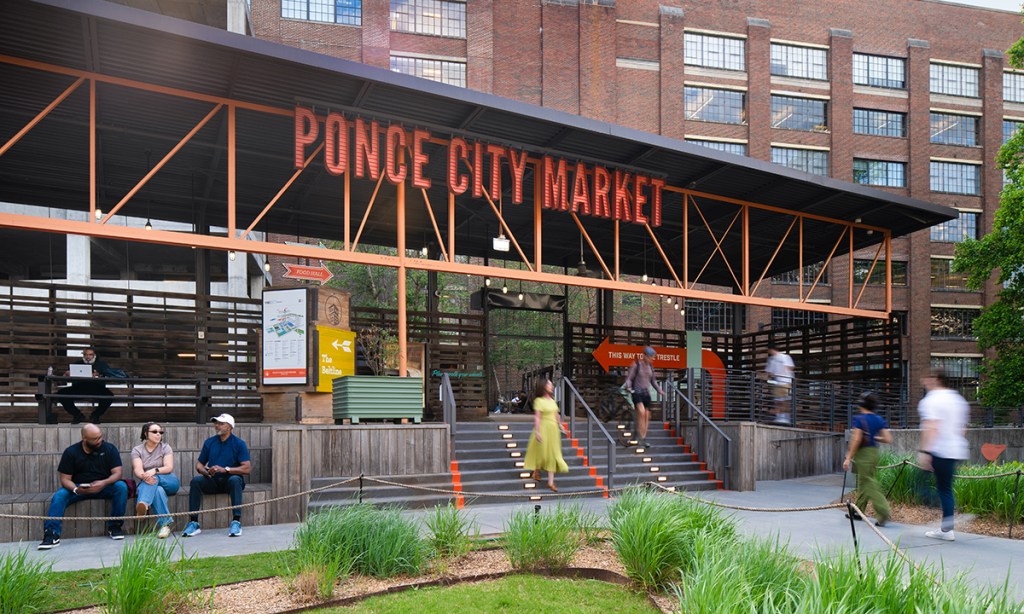
“Having a bookstore at a prime corner at Ponce City Market doesn’t (generate) the highest rent, but it’s part of what we need to be that community center,” Bronfman shared.
They helped us dial up the project to a level we couldn’t have reached on our own.
—Gordon Grubb, President, Grubb Ventures
That philosophy extends beyond the company’s broader investment strategy.
“One of the ways I’ve always tried to look at real estate is: Where do we think we can grow income?” By creating something that’s more a part of the community and is embraced by the people who live there, he detailed.
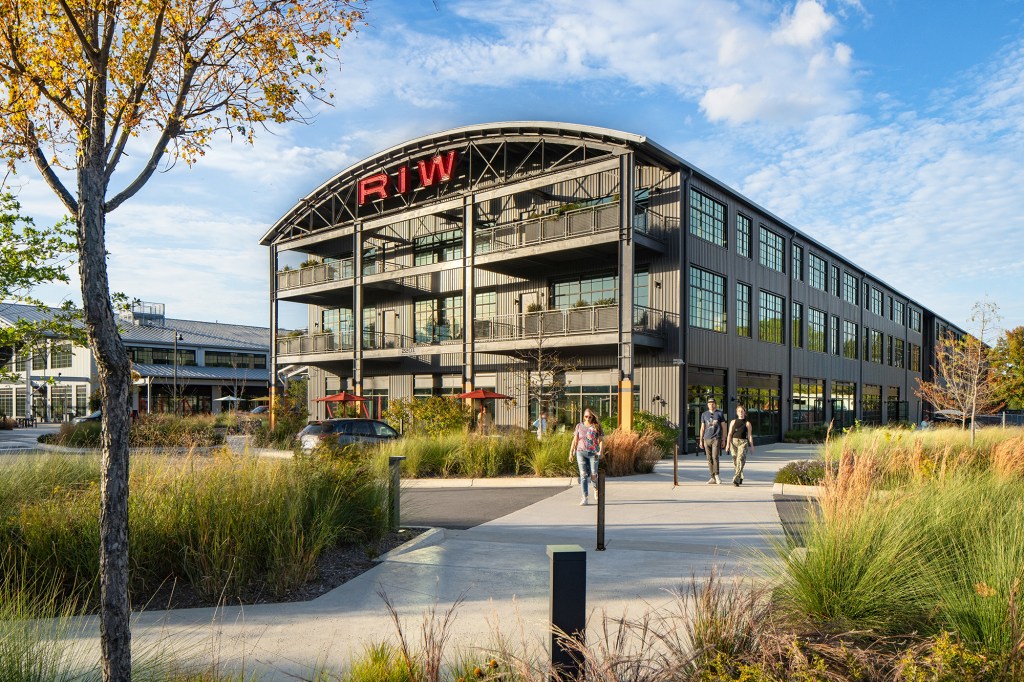
At Raleigh Iron Works, an adaptive reuse project in Raleigh, N.C., Jamestown partnered with Grubb Ventures on the development. The collaboration was successful because each company brought different strengths.
“We’re pretty good storytellers, but they’re great storytellers,” said Gordon Grubb, president of Grubb Ventures. “We each brought something to the table.”
He said his firm contributed its local relationships and understanding of the Raleigh market, while Jamestown elevated the project’s placemaking, storytelling and tenant curation. The resulting development has since received numerous industry awards.
Reinventing imperfect places
While Jamestown’s guiding principle begins with the community, the firm’s design approach starts with the buildings themselves. Whether it’s a faded mural, an aging industrial building or a historic district ready for a second life, the company looks for ways to preserve the character of existing places rather than replace it.
That approach has shaped some of the company’s best-known adaptive reuse projects, such as Chelsea Market and Ghirardelli Square in San Francisco.
“We as humans are fundamentally far more comfortable in an imperfect place and imperfect space than we are in perfection,” Phillips observed.
He pointed to Ponce City Market in Atlanta as an example of how Jamestown embraces a property’s existing conditions rather than reworking them. While adding three new buildings to the development, the site’s proximity to the Atlanta Beltline and its limited footprint required the team to rethink how visitors would enter the building and interact with the retail spaces.
Rather than viewing those constraints as obstacles, Phillips said they became opportunities for more creative design. “The site limitations forced us to be more creative.”
Grubb thought back to his own experience with Ponce City, recalling that the partnership was one of the driving forces for the two firms to work together again in the future. He shared that Bronfman took him on a tour of the development, and he appreciated the way the company integrated the Beltline into the experience. That stayed with Grubb, and when Raleigh Iron Works presented an opportunity for collaboration, the firms partnered.
According to Bronfman, the company’s approach goes beyond adaptive reuse and isn’t tied to a particular property type or strategy. Instead, it looks to see where the opportunities lie to create long-term value.
“It’s less about do we want to do adaptive reuse or new build and more of—where do we think there’s opportunity to make this asset better, to make it more appreciated in the neighborhood, to make it more of a community center type of place people want to visit,” he shared.
The next chapter
While Jamestown’s framework has remained consistent, the company believes the next generation of mixed-use projects will continue to adapt. “We have to always innovate and always shift,” Phillips commented.
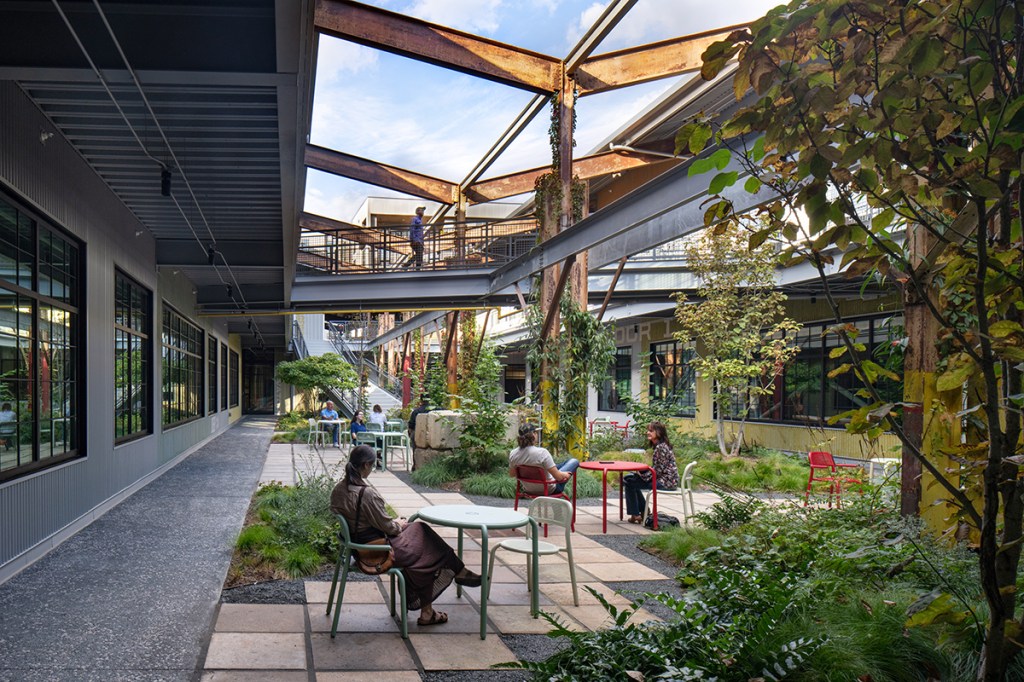
He believes the next generation of these developments must offer more than traditional retail to adjust to changing consumer expectations. Phillips points to a future centered on experience, describing the current moment as “Workplace 4.0,” where people increasingly seek highly amenitized, experience-driven environments.
Bronfman said adaptability has been central to Jamestown’s success. Rather than focusing solely on one aspect of a district, he said, the company is looking toward destinations built around experiences that encourage people to gather.
“What brings people to places?” Bronfman asked. For him, the answer is experiences that cannot be replicated at home. He pointed to sports-anchored mixed-use districts, design districts and immersive destinations as the next generation of placemaking—projects that give people a reason to visit somewhere.
The strategy also comes at a time when sports-anchored development is receiving increased attention, following the 2026 FIFA World Cup and ahead of the 2028 Summer Olympics in Los Angeles.
Jamestown is using its strategy to continue to expand beyond the U.S. In this next phase of expansion and placemaking, the company is building a presence in Europe, focused on design, fashion and sustainable districts. That international expansion builds on the same philosophy of curating places that promote positive experiences people want to be a part of.
“(We need) to continue to meet people where they are and to continue to create places that surprise and delight and nourish people,” Phillips said.


You must be logged in to post a comment.