


Inside Stream Realty Partners’ One-Stop Shop
One of the nation’s largest service companies owns more than $1.5 billion worth of assets. Here's how those two sides of the business work together.
They say that everything is bigger in Texas, and that certainly goes for Stream Realty Partners.
In the world of brokerage, property and investment management, the Dallas-based firm’s footprint is Lone Star State-size. Stream manages a portfolio of more than 466 million square feet across 20 markets and transacts $11.5 billion of deals annually. Founded in 1996 by two former Trammell Crow leasing agents, it’s grown into one of the largest U.S. commercial real estate service companies.
But Stream’s scope goes beyond services. The company is also an active investor in the office and industrial sectors, with a portfolio of more than 62 million square feet valued at $11.5 billion.
Company executives believe that this multifaceted exposure to commercial real estate provides Stream with unique property and market-specific insights. The knowledge spurs an uncommon investment, development and management strategy for firms of this size. The institutional scale and significance of its investment activity was illustrated by Apollo Global Management’s acquisition of a majority stake in Stream’s data center development business (see sidebar, “Staying Focused”).
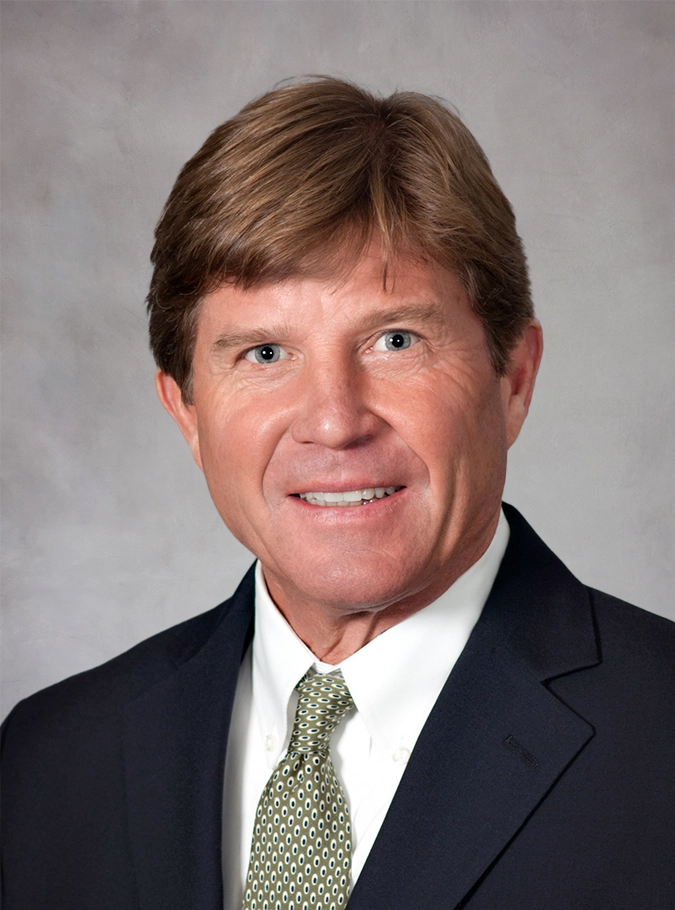
“The key differentiator for (us) has always been the integrated nature of our services business, our investment business and our development business,” said Chris Jackson, Stream’s president & CEO, during a video interview from the company’s Dallas office at the Trammell Crow Center, which the firm also manages. “By working in total harmony, these groups give us a lot of data, both anecdotal and real, and that’s a source of strong deal flow for our clients and the company.”
Fundamentals first
Stream’s top brass describes the investment strategy as based entirely on market trends. “The first thing we always look at is the fundamental underlying demand, and where that compares from a supply standpoint,” Jackson said. The service arm of the company plays an intrinsic role in its investments.
In the industrial sector, where Stream is most active, the firm leases, manages and arranges sales for the likes of Link Logistics, Foundry Commercial, Bridge Industrial and MDH Partners. That work provides a window into the locations and building types that are most primed for success, and where supply-demand imbalances are most evident.
To name one recent deal, in February the firm was tapped by Foundry to lease Festival Logistics Park, a 485,000-square-foot industrial campus in Pompano Beach, Fla. It’s a red-hot market marked by robust population and job growth.
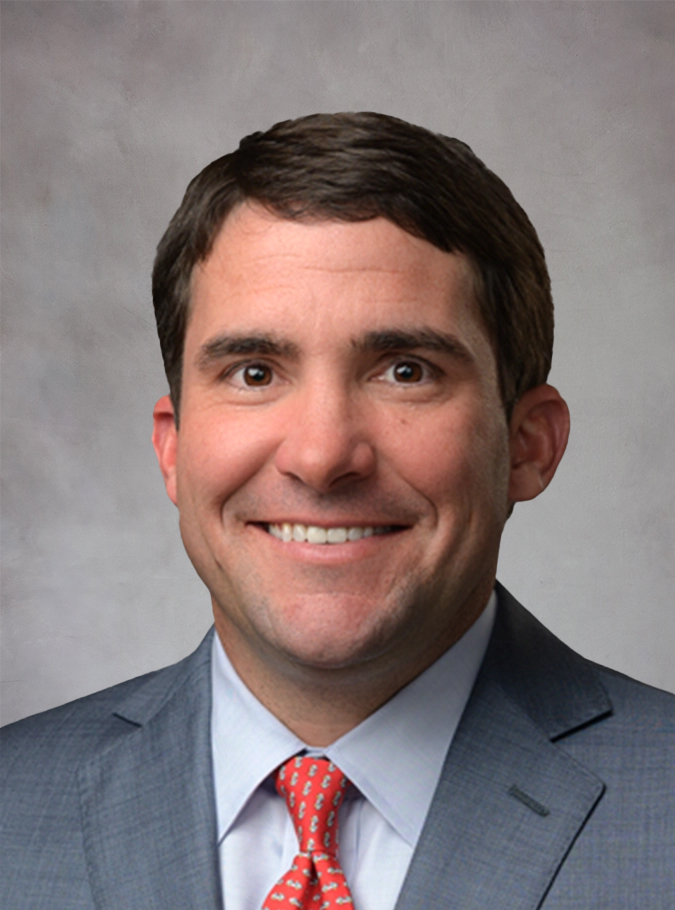
“Since we lease a significant part of the industrial markets in the Southeast, that gives us a very clear understanding of where the dislocation in the market exists, and where we see that imbalance is where we end up investing,” said Adam Jackson, the company’s chief investment officer. He also happens to be the CEO’s brother. “It’s more of where you see greater demand from tenants than recognition from investors,” Adam Jackson told Commercial Property Executive.
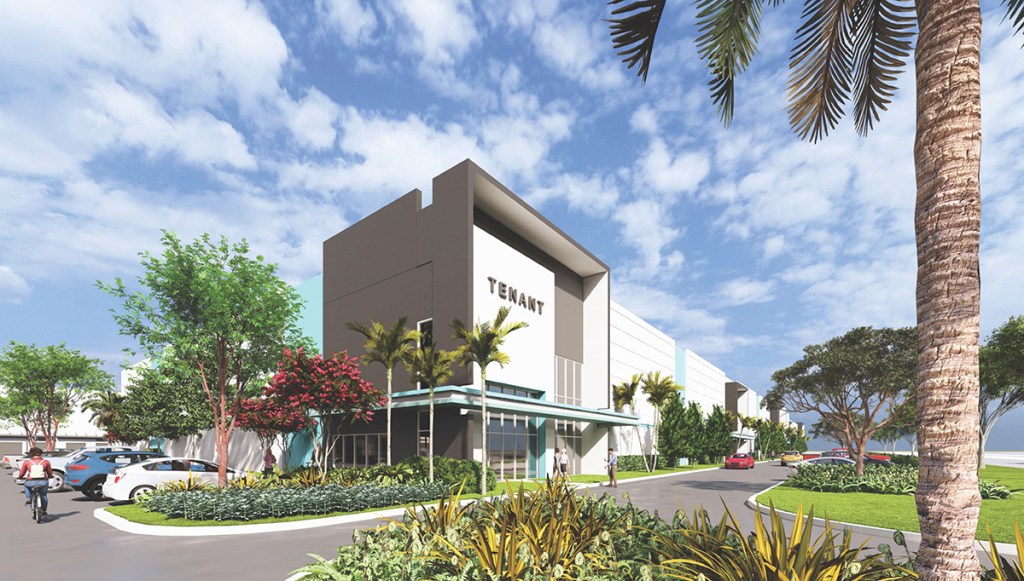
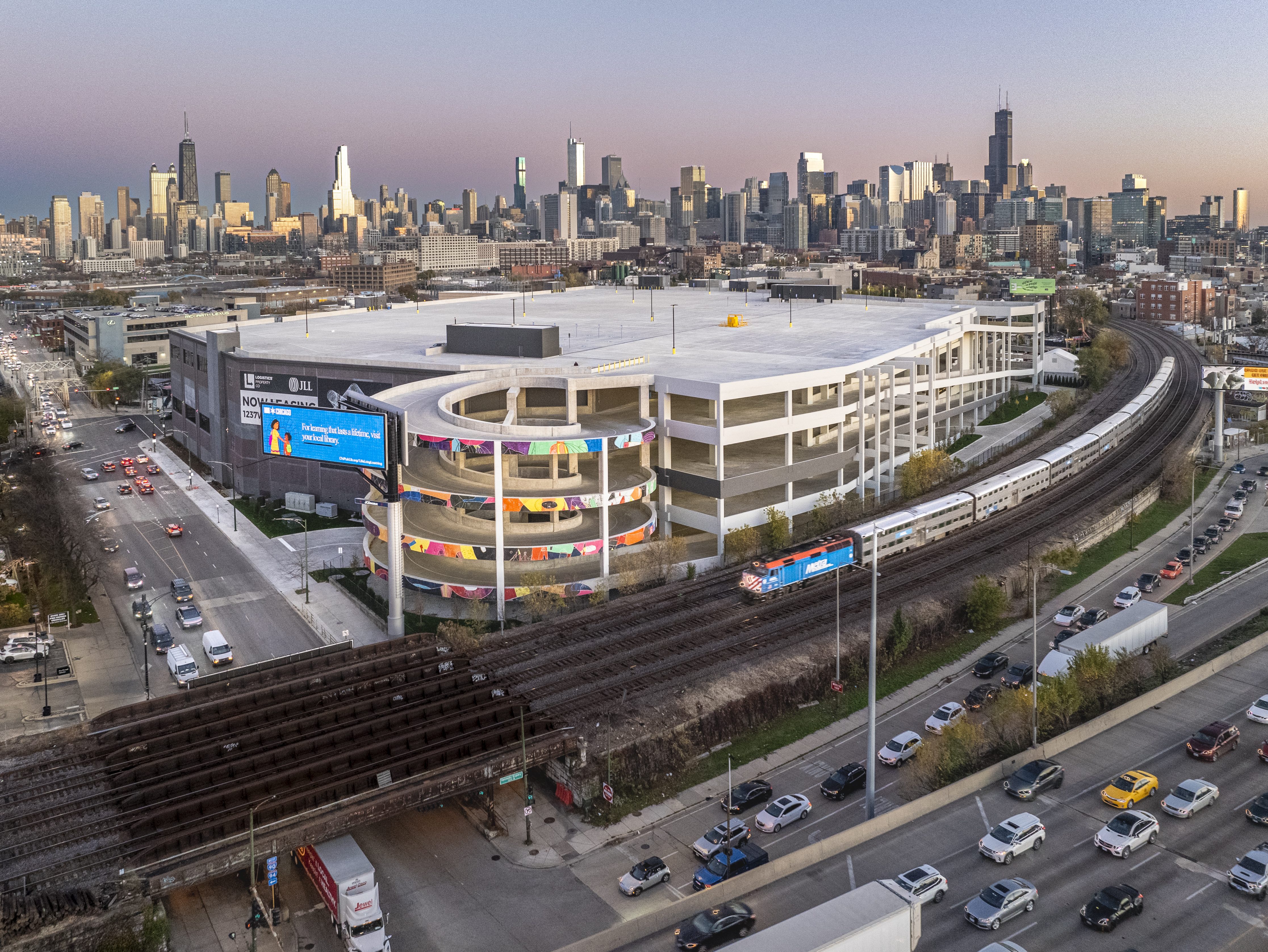
In practice, this strategy takes the form of investing in the high end of industrial supply, with ground-up speculative development in such markets such as Nashville, South Florida and Chicago.
Last October, the company entered the Nashville industrial market with the groundbreaking of the Central Pike Logistics Center, a two-building, 1.1 million-square-foot spec logistics campus.
In committing to the project, Stream was motivated more by the local market’s industrial fundamentals than its influx of capital; Nashville’s vacancy rate was more than 300 basis points below the national average. At the same time, prospective occupiers reported 11.5 million square feet in requirements, compared to a construction pipeline that totaled only 4.6 million square feet by the first half of 2025, Lee & Associates reported.
In a sense, the firm assessed the project with the kind of analytical mindset it brings to its leasing assignments—a common thread across its developments and dispositions.
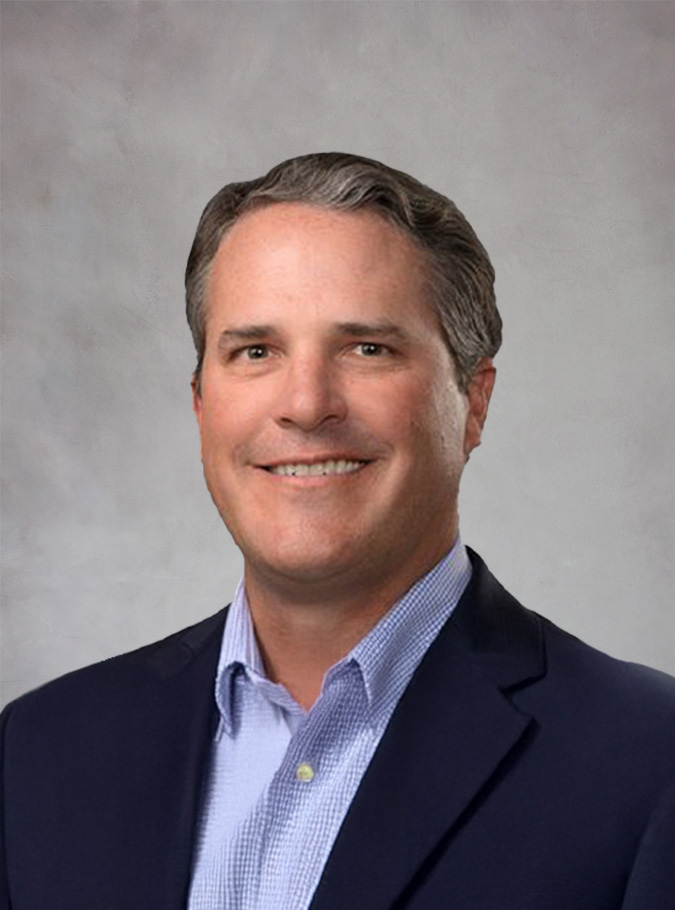
“None of us grew up as industrial developers,” said Kyle Valentine, an executive managing director & partner who joined the firm in 2003, initially working out of Dallas. He spoke with CPE as he drove between properties in Houston, where he founded the firm’s local office. “We’re a group that is going to lead with fundamentals, (especially) when we see a disconnect in supply and demand.”
As one of the brains behind both sides of Stream’s industrial platform, Valentine also shaped how the firm approaches investment: by tracking market fundamentals in house through its service side, thus getting ahead of industry reports that competitors use. “We understand when leases are being negotiated, when letters of intent are being traded, and so we have a greater visibility into supply and demand before everyone else finds out,” he noted.

Re-opening a window
This approach has also allowed Stream to ease back into office investment, a sector where it recently made its first acquisition since 2017. The company paid $163 million for 2001 M St., a 285,000-square-foot property in Washington, D.C.’s Dupont Circle neighborhood, Bisnow reported in February.

As the property manager for Brookfield, the building’s previous owner, Stream was attracted to the asset by its superior performance. In a struggling office market, 2001 M Street “was a 97 percent-leased asset with very attractive cash-on-cash returns, basically at 60 percent of the replacement costs (for) what’s essentially a new building,” Adam Jackson recounted. By contrast, the Class A office vacancy rate was 10.7 percent vacancy rate, according to CBRE data. That, in turn, was half the market average, which has risen 250 basis points amid federal workforce cuts.
Negotiating 2001 M Street’s leases further deepened Stream’s knowledge of the property. “There just wasn’t much risk on our minds when we bought it,” he added.
Office spaces of this caliber are seeing intense competition from tenants due in part to a massive slowdown in new construction. “The lack of bulk industrial buildings being built in a higher interest rate environment is magnified ten times in the office world,” Valentine observed. “That newer product doesn’t exist, and where it does, you are seeing record-high rents across the country almost universally because that product is so scarce.”
Staying Focused
Not only do the capabilities wielded by Stream teams motivate where the company decides to invest, it also determines where they decide to reduce exposure. Nowhere is that more prevalent than the company’s sale of a majority interest in its data center business to Apollo Global Management.
Stream built out its first data center in its hometown in the 1990s to capitalize on demand stemming from the dot-com boom. Owning and operating the properties initially resembled the office and industrial properties it was familiar with.
However, the rise of hyperscalers and artificial intelligence tenants threw demand for space, electricity and security into overdrive. “It caused the ownership to become a different business for us than office and industrial, which was a meaningful step up from what we were used to,” noted Michael McVean, Stream’s co-founder & co-general partner. These dramatic changes gave the firm second thoughts about the sector, despite some of the strongest fundamentals in the business.
The winning strategy turned out to be stepping away from data center development after more than 25 years in the business. The move had a significant impact on the national data center market, putting 24 campuses with more than 4 gigawatts of power in the hands of Apollo. By last November, the firm had deployed more than $40 billion in the sector since 2022, Apollo said at the time of the acquisition. “It’s a very different world today than it was even five or six years ago,” observed Lee Belland, co-founder & co-general partner. “The transactions have become extremely large, and electricity demand is off the charts.”
To Chris Jackson, Stream’s president & CEO, the disposition represented not so much parting with an opportunity as leaning into the firm’s strengths. “We were not capitalized well enough to take full advantage of those opportunities, but it was the right progression for our business,” he reflected.
After all, data centers were hardly the only business to see a dramatic change in the last half decade. As Jackson put it: “We’ve been a national company, but over the last five years we’ve grown to become an institutional brand.”

Humble beginnings
The symbiotic relationship between Stream’s investment and management arms is a product of the circumstances behind its founding. In 1996, Michael McVean and Lee Belland were two recent business school graduates working as leasing agents at Trammell Crow, the nation’s largest commercial real estate developer at the time.
Both started at the company with the intention of parlaying their leasing and property management experience into investment and development-oriented roles. But McVean and Belland had to find a new way to reach that goal. As a result of the 1990s commercial real estate crash, Trammell Crow split its main business lines. The $5.5 billion investment and development business came under Crow Holdings, a family-controlled entity.
“We went there because we had a desire to invest in real estate, but where we were wasn’t even doing it any longer,” Belland recounted during a joint interview with McVean. In a full-circle moment, Belland also called in to the meeting from the Trammell Crow Center, one of the tallest buildings in Houston.
Belland and McVean’s ambitions remained unchanged following their departure from Trammell Crow. The partners established Stream as an office investment firm, where their service expertise allowed them to manage property in house.
“We bought some buildings intending to lease and manage them ourselves, but through our work we gathered intel to become better investors and developers,” McVean recalled.
Eventually, the management arm became a full-fledged unit, but Belland and McVean were now armed with an owners’ perspective on how to run properties. Their pitches to other owners weren’t just about making sure that their buildings’ vacancy rates were low and the utilities were up to date; they were also about how to make their properties succeed as investments. “We had the ability to think like them, and an owners’ mentality was especially important to apply to our third-party management business,” McVean noted.
Stream team members also get the benefit of the lessons their founders learned from their early-career hurdles. Anyone who comes into the company via a property management role has an opportunity to get involved with the investment and development platform.
“Wall Street dictated that you’d put up a wall between brokers, services and investment activity, and it’s really not the way that real estate companies can operate most successfully,” Jackson said. “Common sense will tell you that a real estate company should be fully integrated.”
The firm’s Value Preservation Group advises office investors and others on how to keep struggling assets afloat. “Because of our service platform, we are able to provide real-time intel to lender and equity on the state of the asset, the state of the market and what needs to be done to preserve and enhance value for any particular office building,” Valentine noted. “We work as their partner, not their vendor.”
Stream’s clients are well aware of this distinction. “It’s no surprise that they have had immediate success with our most recent acquisition,” said Scott Barr, senior vice president at CP Group. Last June, the Boca Raton, Fla.-based firm paid $200 million for Piedmont Center, a 2.2 million-square-foot suburban Atlanta office campus.
Prior to the company’s announcement of a complete revamp of the buildings, Stream closed more than 83,000 square feet of office leases at the once-foreclosed property. “Their efforts aligned (with) our repositioning strategies to enhance the assets and attract quality users,” Barr said.





You must be logged in to post a comment.