

Fed Cuts Rates Yet Again
The third consecutive cut will benefit CRE, but the outlook for 2026 is far from certain.
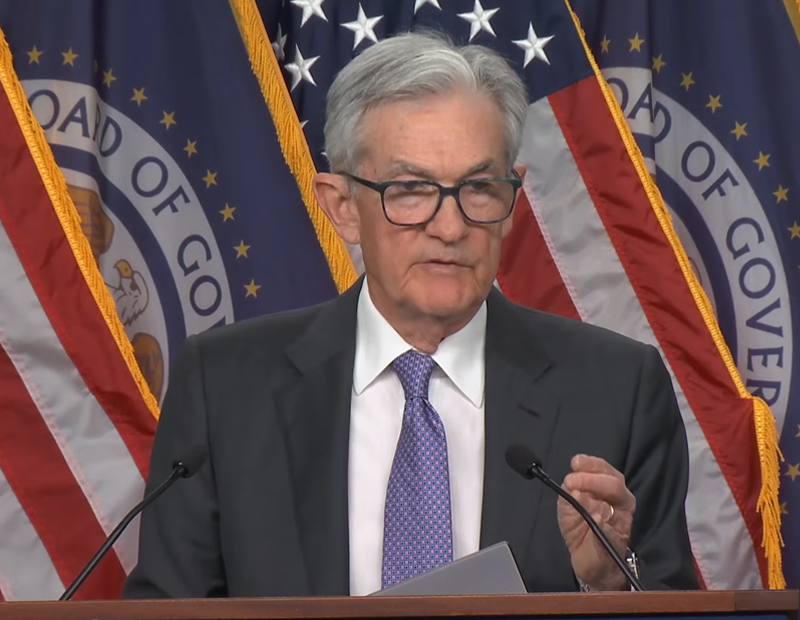
The Federal Open Market Committee has lowered interest rates by 25 basis points for the third time this fall, with the baseline rate now sitting at 3.50 to 3.75 percent.
The move comes as the Fed continues to balance lingering inflation and a weakening labor market in its decision making, while also dealing with delayed public data from the government shutdown.
The October jobs report has been canceled, and the November edition has been delayed to Dec. 16—leaving the committee to make its decision based on older public data combined with other sources. Meanwhile, inflation continues to stubbornly hover around 3 percent, remaining above the Fed’s goal of 2 percent.
READ ALSO: 18 CRE Trends We’re Taking Into 2026
“There is no risk-free path for policy as we navigate this tension between our employment and inflation goals,” Federal Reserve Chair Jerome Powell said in a press conference following the committee’s announcement of the latest cut.
Powell added that while tariffs are likely influencing inflation in the short run, the FOMC’s goal is to ensure that any price increases from tariffs do not become a lasting pattern.
“This third cut of the year is the most significant for real estate investors,” said Marion Jones, principal & executive managing director of U.S. capital markets at Avison Young. “In an era of prolonged volatility, it signals directional conviction.”
Where a cut will, and won’t, benefit CRE
The cut is likely to boost investment and transaction activity in many CRE sectors—with the exception of office, Allan Swaringen, managing director at LaSalle Investment Management and president & CEO of JLL Income Property Trust, told Commercial Property Executive.
“The cost of leverage and the cost of debt are not materially impacting the office recovery, because it’s an investment that’s nearly all equity today, anyway,” Swaringen said. “Lenders are still being quite skittish in terms of lending against the office markets.”
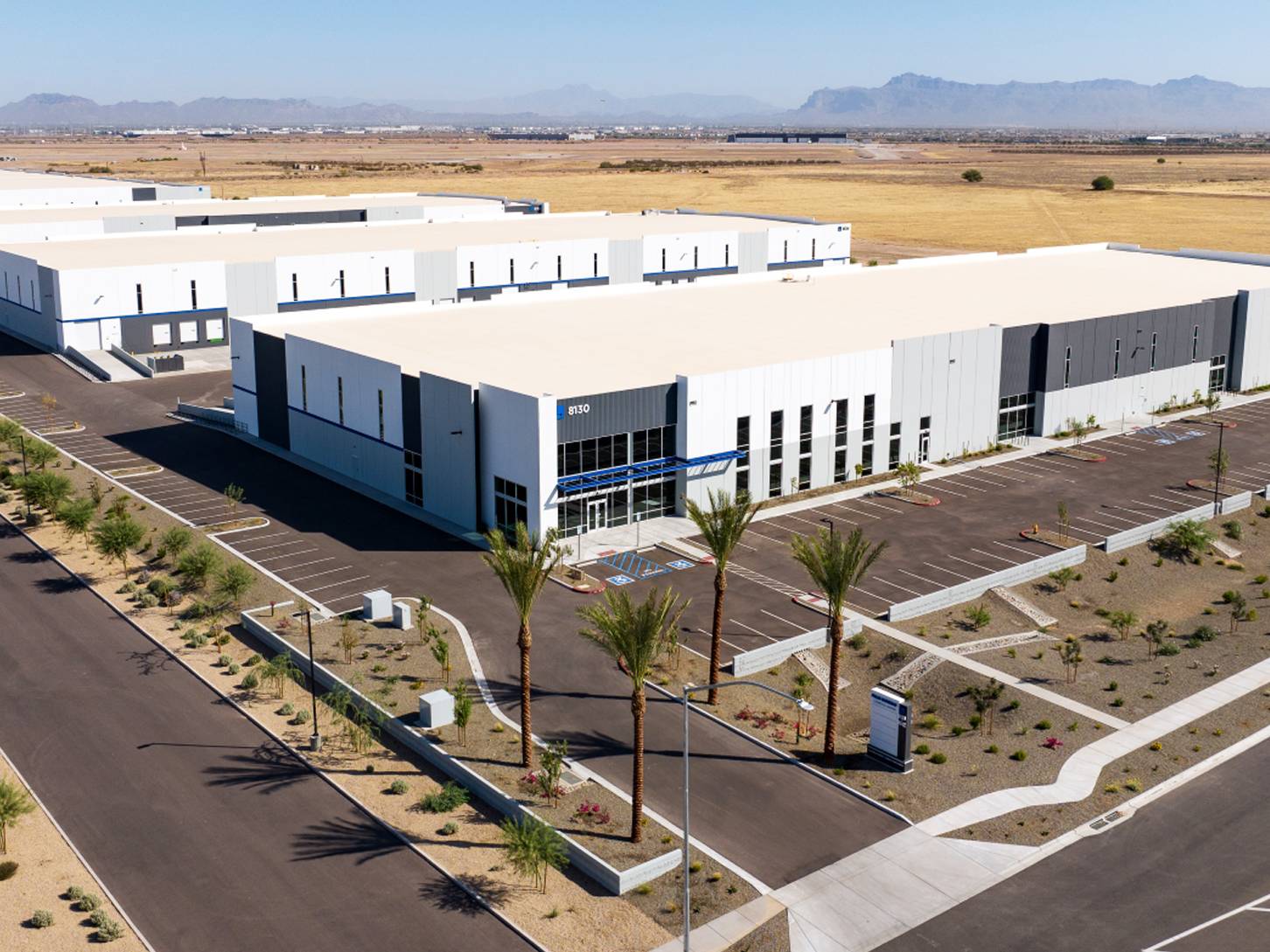
The industrial market, however, is likely to benefit from another rate cut, according to Scott Hensley, principal at Piedmont Properties/CORFAC International, who predicts that lower rates could unlock new development.
“A lower interest rate environment might make some projects pencil now that would not have in the past,” Hensley said. “Demand has also been soft for small to midsize industrial users, so anything that can help their margins and confidence in the economy will hopefully translate to increased demand.”
Uncertainty in the new year
What’s less clear now is how the Fed will act moving into 2026, as the committee continues to balance its dueling mandates. As of now, the FOMC is predicting one rate cut next year, according to median projections that were also released today.
The committee’s membership will receive a shake-up in May, when Jerome Powell’s term as chair ends, providing President Donald Trump—who has publicly urged the Fed to cut rates more aggressively—an opportunity to appoint a more loyal chair.
Paul Rahimian, CEO of Parkview Financial, told CPE he expects 50 to 75 basis points of rate cuts by the end of 2026, though this is far from certain.
“That is going to be driven a lot by who’s at the Fed and which members are voting,” Rahimian said. “It may not be as data dependent as it was before.”

You must be logged in to post a comment.