

What Experts Are Watching For at Today’s Fed Meeting
The odds vastly favor a rate hike. What then?
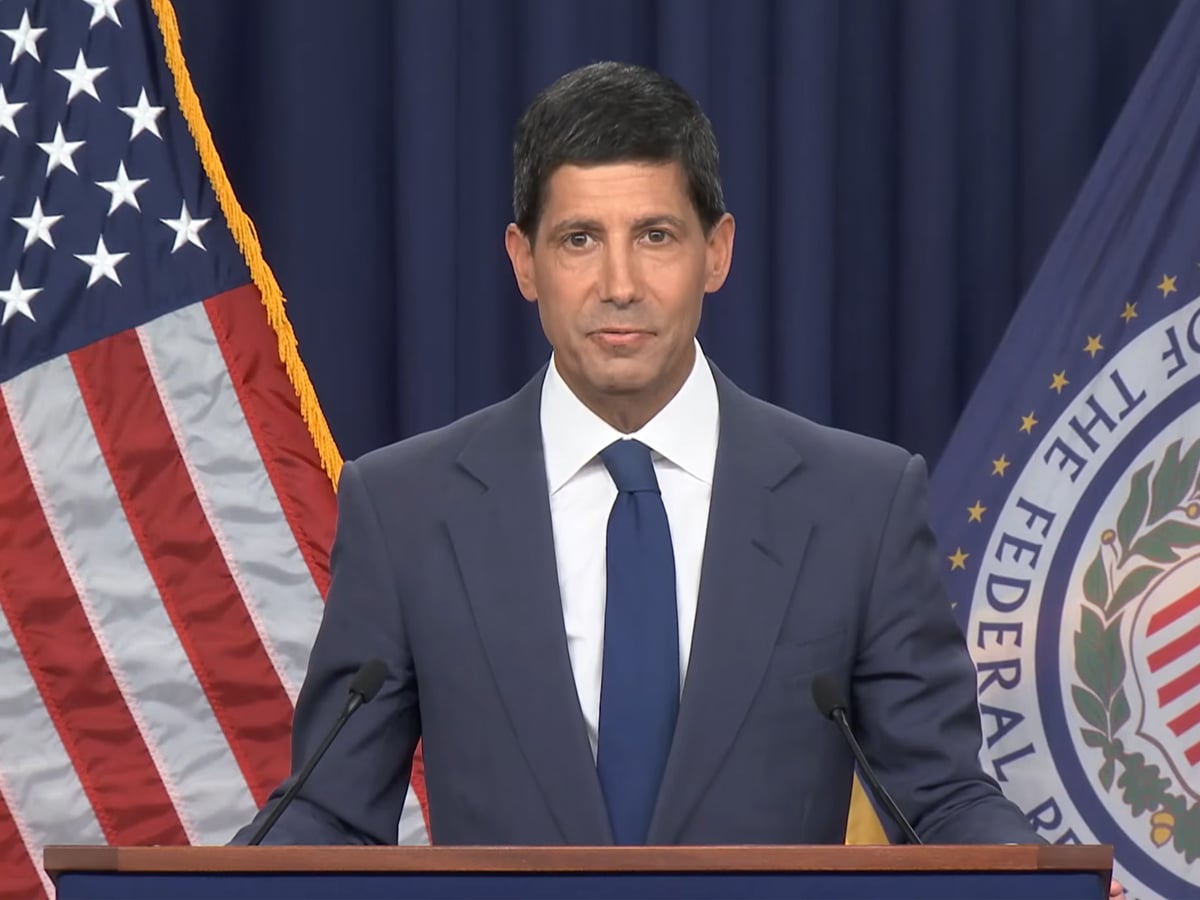
The Federal Open Market Committee will announce its latest federal funds rate decision on Wednesday afternoon, with markets expecting the first rate hike in three years.
CME FedWatch, for instance, puts the probability of a hike at 92.5 percent, as implied by 30-Day Fed Funds futures prices, with a scant 7.5 percent probability of rates remaining the same.
The FOMC’s meeting comes as inflation continues to persist. August consumer prices rose 0.4 percent from July, according to the Bureau of Labor Statistics, compared to the 0.1 percent increase of the prior month, largely because of gasoline prices. Year-over-year, headline inflation held at 3.4 percent. Even so, there is an encouraging detail in the report: Core inflation, which excludes the notoriously volatile food and energy prices, cooled to 2.4 percent annually.
READ ALSO: Why CRE Fundamentals Outlast Geopolitics
A hike would put the federal funds rate at 3.75 to 4 percent, reverting to its January 2025 level, when the rate was on its way down. The last time the Fed raised rates was in July 2023, as the central bank made moves to put a lid on post-pandemic inflation.
“The Federal Reserve’s quarter-point increase was all but guaranteed after Friday’s Core CPI reading came in above projections,” Core Industrial Realty Managing Broker Noel Liston told Commercial Property Executive. “The Fed made clear at their recent Jackson Hole conference that current borrowing costs were not restricting the economy’s growth.”
Short-term, long-term impacts on CRE
While commercial real estate investors have come to terms with the higher-for-longer interest rate reality, rate volatility can have broader impacts.
“Investors have been risk-adjusting for volatility in the cost of capital for some time, but whenever a rate increase actually materializes, questions arise regarding broader economic impacts, the feasibility of investment mandates and the pace of doing business,” Harry Klaff, principal at Avison Young, told CPE. “Cap rate movement is unlikely to be unilateral, but certainly a trend toward higher capital costs will impact transactional volume.”
Despite ongoing global volatility, Klaff said he is encouraged by the continued strength of capital markets activity, especially in alternative asset classes, such as data centers, manufacturing and critical infrastructure activity.
“Industrial real estate tends to be more resilient than other asset classes as capital costs increase due to present solid underlying supply/demand metrics,” Liston said. “The immediate focus does shift from possible relief to planning for further rate increases in 2026.”
One of the more significant impacts of a hike would be on properties with near-term debt maturities or loans already operating under extensions or modifications, according to Baker Tilly Principal Brent Maier.

“A rate hike could accelerate the shift we’ve seen from ‘extend and pretend’ toward lenders requiring owners to contribute additional equity, sell the property, restructure the debt or otherwise resolve the situation,” Maier said. “Properties whose values have fallen below their outstanding loan balances will remain especially difficult to refinance.”
However, long-term rates often have a broader impact on real estate, said Easterly Government Properties CEO Darrell Crate. If long-term yields move toward 6 percent, that could be a negative for real estate valuations.
“The market has predicted this Fed pivot with much certainty,” said Parkview Financial CEO Paul Rahimian. “Considering the 10-year Treasuries, which really control real estate valuations and capital markets, hit a recent high of 5 percent, we believe the Fed hike could give the market more confidence that the Fed is taking inflation seriously and that could ultimately result in lower interest rates, in terms of Treasuries.”
Watching the Chairman
Federal Reserve Chairman Kevin Warsh is still new at the helm and closely watched. Crate said he is going to pay attention to Warsh’s commentary on what his outlook will be for future rate hikes.
“If they do hike rates, they usually come in a cycle, not just a one-off,” Crate said. “I’ll be interested in how many hikes they will be looking to do and at what pace.”
Warsh’s commitment to avoid speculation could go multiple ways, noted Ryan Severino, chief economist & head of research at BGO. Detailed forward guidance often creates false clairvoyance—the Fed can and does alter its forecasts, including the path for the fed funds rate—and encourages investors to treat every phrase as a commitment.
Leaner communication can return more attention to the data and reduce the market’s tendency to overinterpret small changes in language, Warsh has argued.
But markets have grown accustomed to extensive guidance, Severino said. Less commentary may reduce transparency and transfer more responsibility for price discovery back to investors.
“Without forward guidance from the Federal Reserve, investors have to rely more on hard data, which tends to amplify their responses to single economic data points as they come in,” Liston said. “This lessens big picture thinking and can worsen economic volatility in the short run.”
The industry has already seen repricing, slowing construction and stabilizing property income, Severino noted.
“A measured increase would likely slow the CRE capital markets’ recovery at the margin,” he noted. “The broader CRE market recovery will likely continue because of reset values, limited new supply and improving income, (which) can still produce an attractive investment vintage.”


You must be logged in to post a comment.