

NYC Industrial Sees Calmer Waters
With deliveries slowing, the market is finding its balance once again.
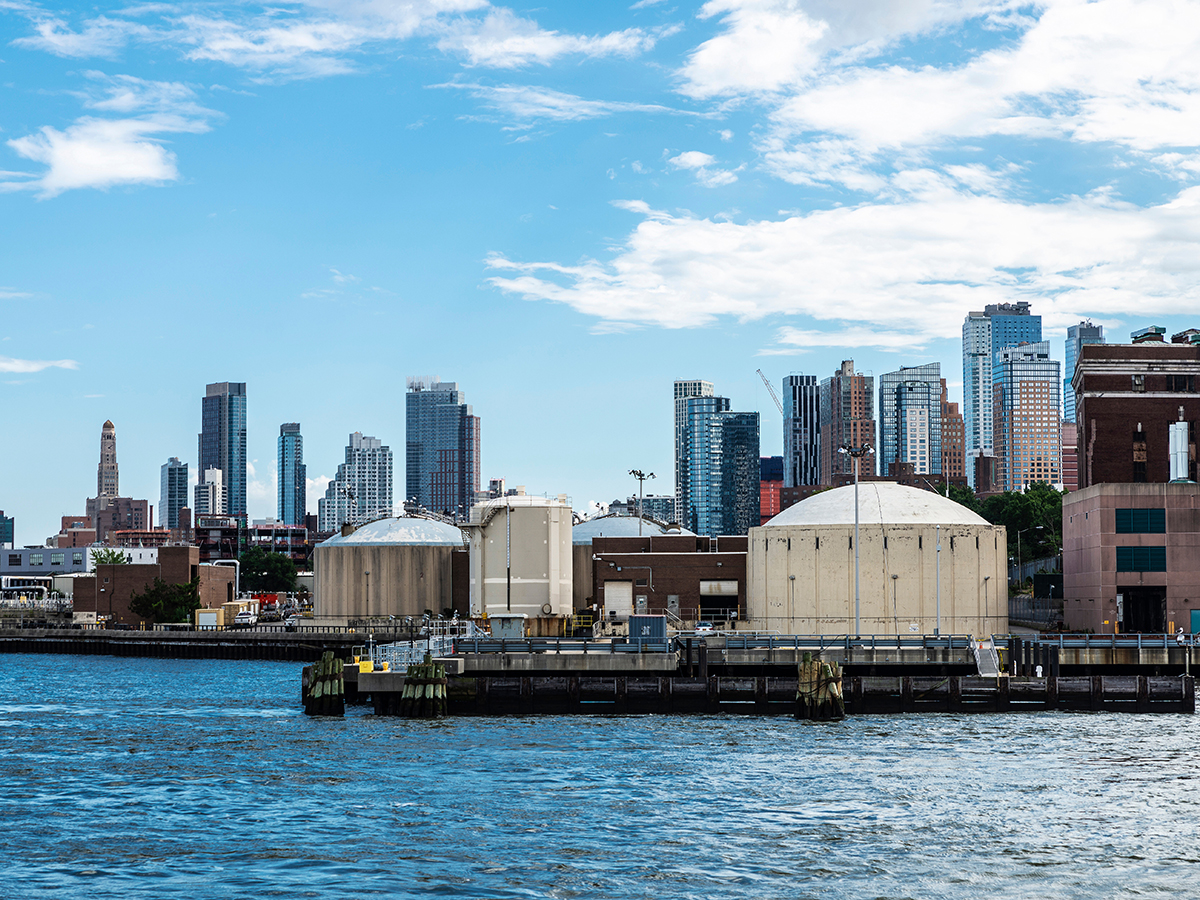
Despite elevated vacancy, New York City industrial asking rents are bound to continue rising in 2026, as previous supply pressures begin to stabilize, according to a recent mid-year outlook from Marcus & Millichap.
The report expects the average NYC industrial rate to mark a small uptick, from $24.70 last year to $24.85 per square foot by year-end, maintaining its spot as the country’s priciest market. Some of the things keeping rate growth above water are limited land availability and redevelopment constraints, especially for well-located infill assets.
Meanwhile, the NYC industrial pipeline mirrors nationwide trends, with deliveries slowing and ground breakings fewer and farther in between after a heated couple of years. Marcus & Millichap’s report predicts deliveries to fall to 700,000 square feet this year—below one-third of the annual average recorded between 2022 and 2025.
READ ALSO: Power Constraints Slow Warehouse Automation: Report
The market’s industrial vacancy creeped up to almost 9 percent as of the first quarter, on the heels of a 250-basis-point increase over 24 months. However, the figure is expected to register just a slight uptick, to 9.1 percent by year-end, pointing to a phase of stabilization after the supply/demand imbalance period. Vacancy-wise, NYC remains a middle-of-the-pack market, close to Marcus & Millichap’s national forecast of 8.4 percent by the end of 2026.
Over the last two quarters, the Bronx recorded vacancy downticks, due to strong leasing activity and rising infill demand. Additionally, recent improvements to the borough’s freight access point, namely Hunts Point, have caught investors’ attention, sustaining industrial investment activity for nearby facilities. Meanwhile, Brooklyn was the only borough to register positive net absorption in 2025, posting strong tenant demand in port-adjacent industrial assets.
NYC infill industrial weathers supply pressures
Of course, not all industrial assets are created equal. While smaller-bay, single-story infill spaces under 50,000 square feet continue to show strong tenant demand and resilience, large-format properties are facing significant pressure from sluggish leasing activity. Newly delivered, multistory assets across Queens and the Bronx are dealing with elevated vacancy, as assets completed since 2020 have vacancy rates above 35 percent.
Meanwhile, nationally, tenants are increasingly relocating from older, less competitive properties to newer, technologically advanced ones. This trend places growing pressures on pre-1980s spaces, especially larger ones while, in return, last-mile facilities boast stronger fundamentals, sustained by online consumer spending and e-commerce.
You must be logged in to post a comment.