
Commercial Design Lab: Charles Bloszies on What Makes Building Conversions Work
The architect and structural engineer speaks with CPE's Beata Lorincz about the evolving role of adaptive reuse in commercial real estate.
Office-to-residential conversions continue to dominate conversations across commercial real estate, but not every building is a good candidate for adaptive reuse. From floor plate configurations and structural systems to government incentives and seismic upgrades, successful conversions depend on a complex mix of architectural, technical and financial considerations.
In the latest episode of Commercial Design Lab, San Francisco-based architect and structural engineer Charles Bloszies joined Commercial Property Executive‘s Beata Lorincz to discuss the realities of adaptive reuse, drawing on nearly four decades of experience working on rehabilitation, urban infill and conversion projects.
For Bloszies, the appeal of adaptive reuse lies in the complexity of the design challenge: “It’s kind of like a Rubik’s Cube, and it’s one that I’ve been drawn to my whole career.”
LISTEN TO THE PREVIOUS EPISODE IN THE SERIES: AI Is Reshaping Architecture Workflows
According to him, one of the first questions architects ask is whether the existing building can realistically accommodate its new use. Shallow floor plates often lend themselves well to residential conversions because they provide better access to natural light and ventilation.
“Each building has its own timestamp. You want to preserve the timestamp of the original building while also timestamping the new building.”
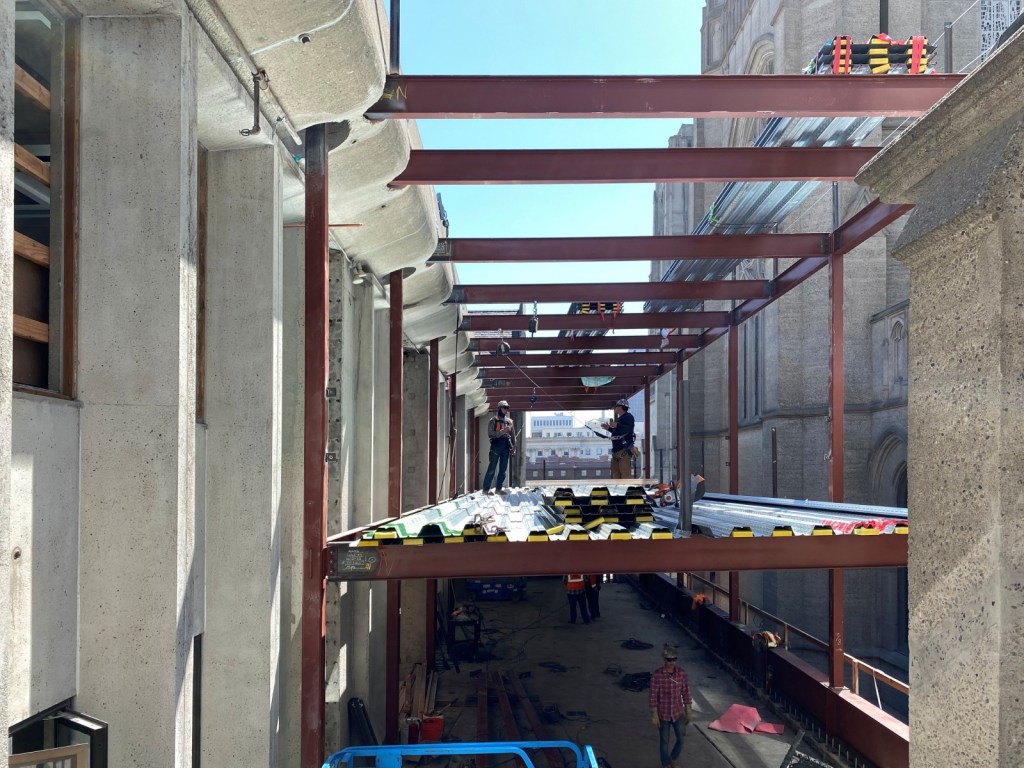
A lightweight steel structural system allowed the new addition at The Cathedral School for Boys in San Francisco to be inserted between existing buildings while minimizing seismic impacts on the historic structures during construction. All images courtesy of The Office of Charles F. Bloszies 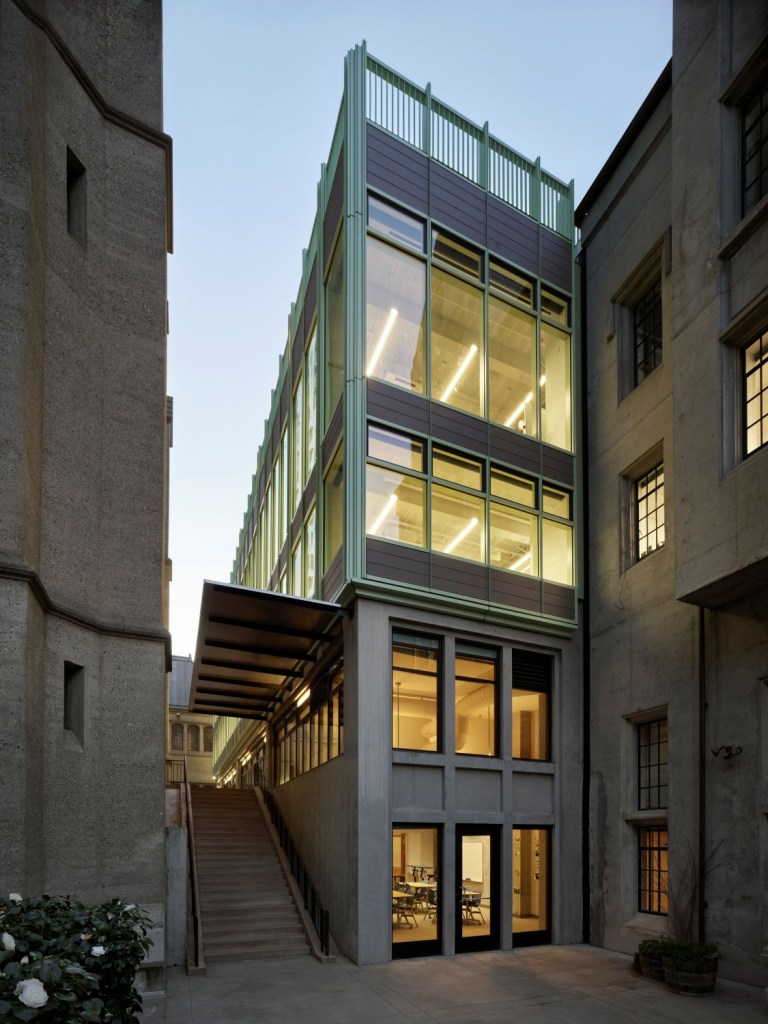
The Cathedral School for Boys expansion in San Francisco inserted a contemporary classroom building into a narrow courtyard between historic structures, creating new learning spaces while preserving the surrounding landmark campus and minimizing structural intervention. 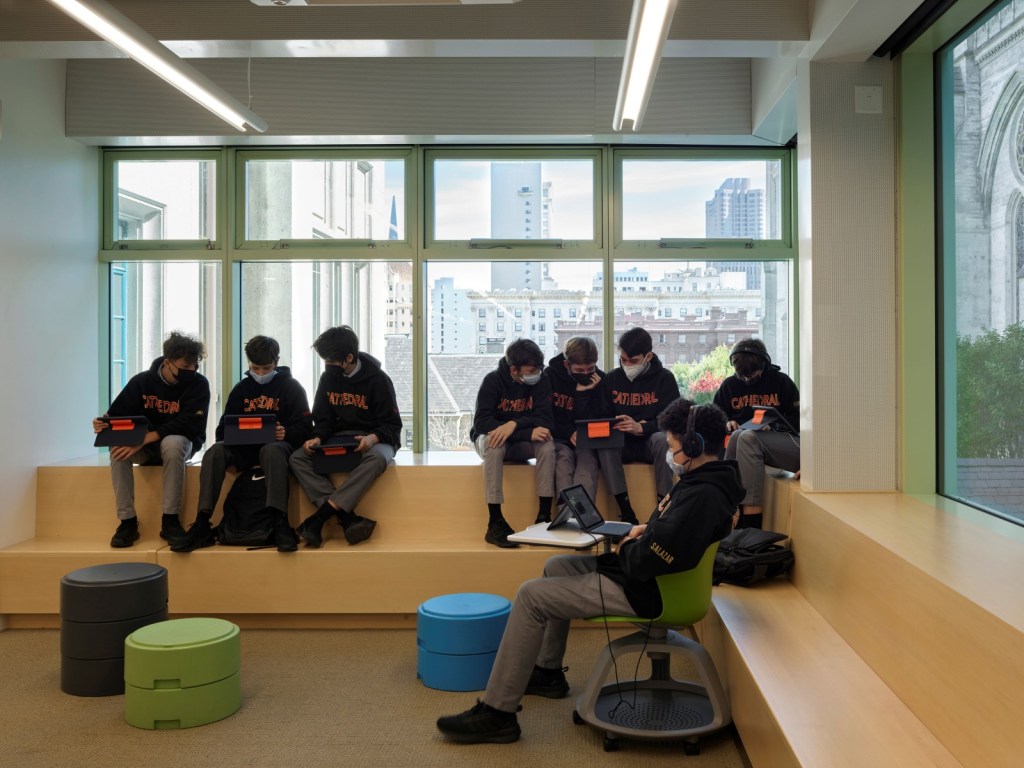
The new classrooms feature flexible learning spaces with built-in seating, abundant daylight and views of the surrounding historic campus, reflecting the project’s emphasis on collaboration and student engagement. 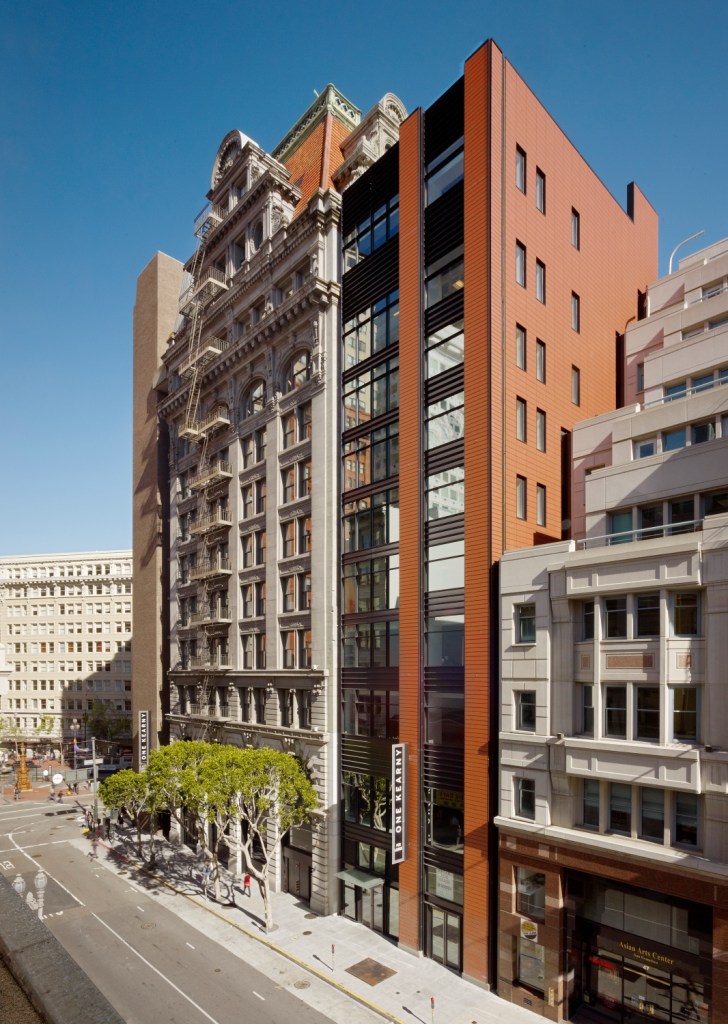
One Kearny is a landmark adaptive reuse project in downtown San Francisco that combines the restoration of a 1902 historic building with contemporary additions and seismic upgrades, creating modern office space while preserving the property’s architectural heritage. 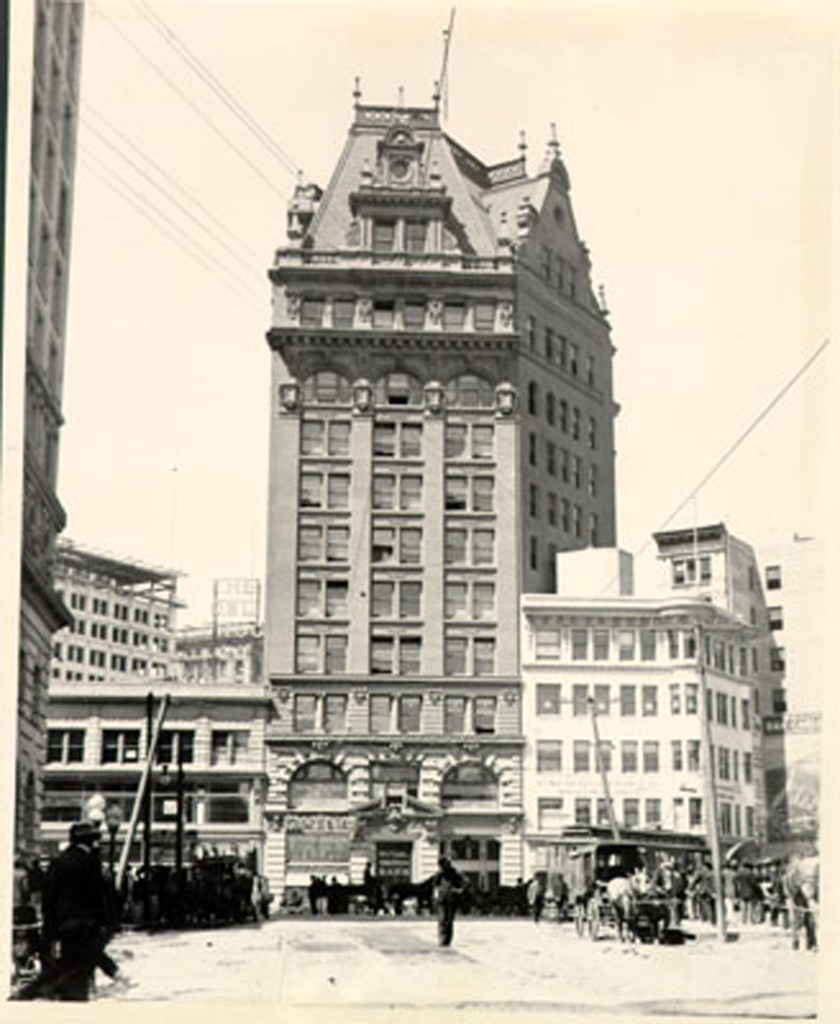
Originally completed in 1902, One Kearny is a French Renaissance Revival building that survived the 1906 San Francisco earthquake and fire before undergoing multiple additions over the following century. 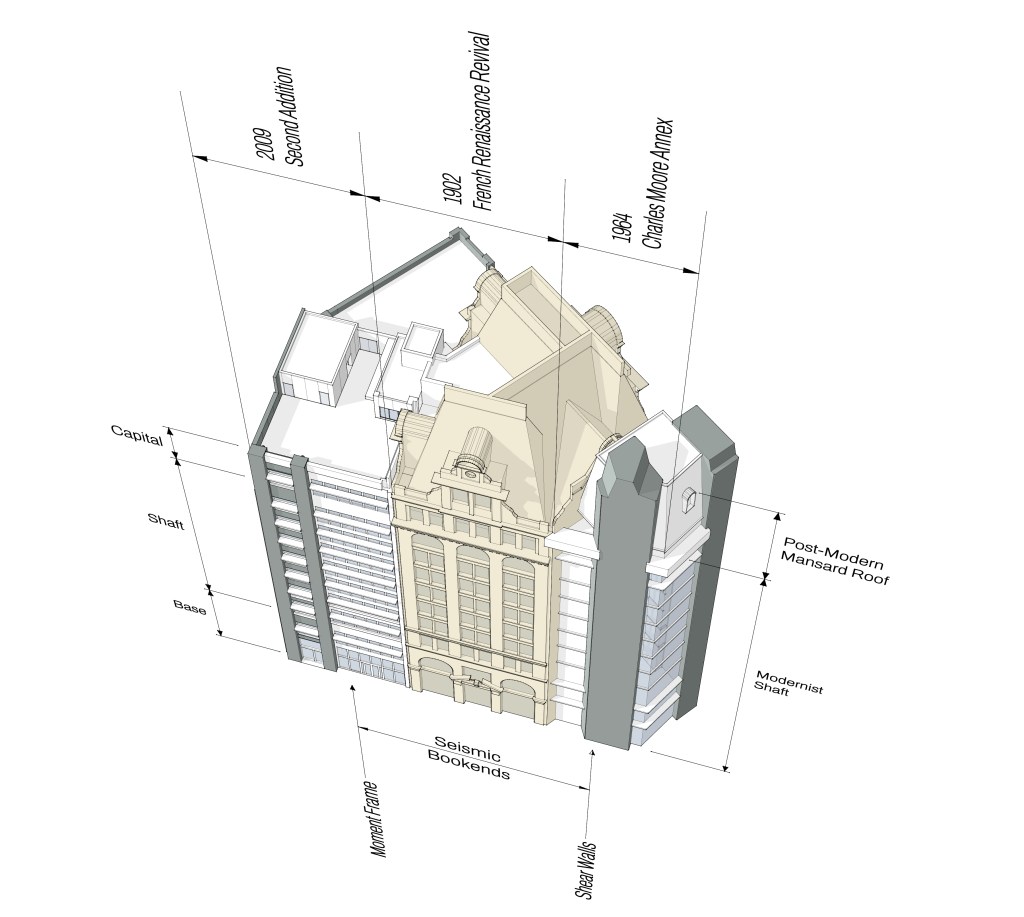
The composition diagram illustrates the building’s evolution, combining the original 1902 structure with a 1964 annex and a 2009 addition that strengthened the historic building while preserving its architectural character. 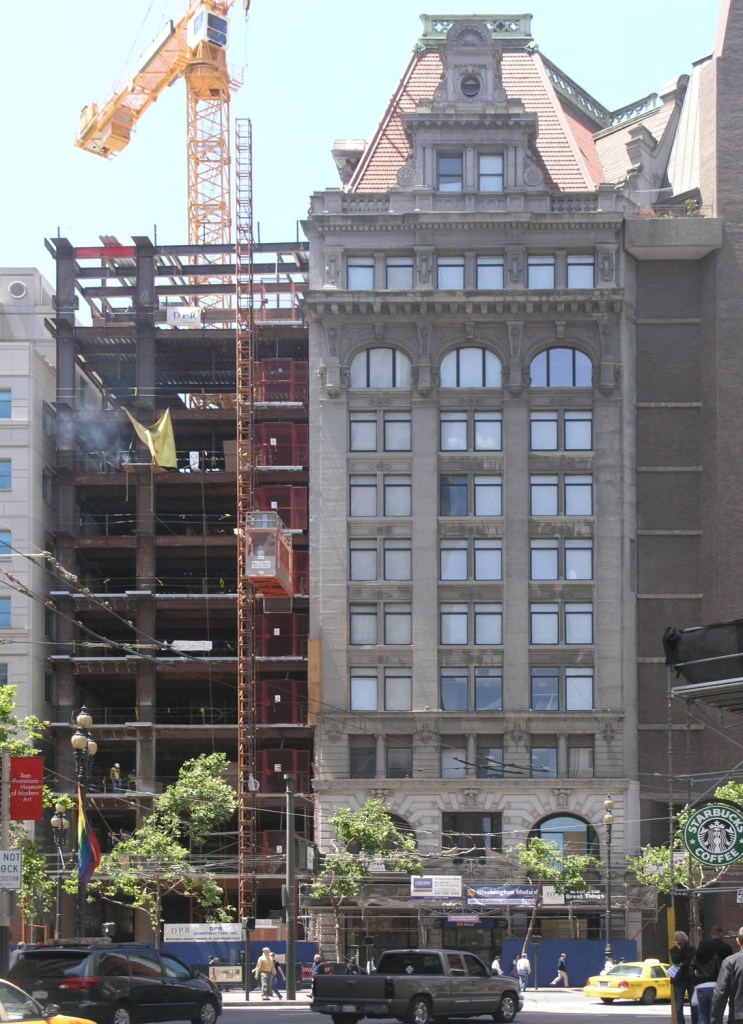
During construction, a new structural addition was built alongside the historic building, providing the seismic reinforcement needed without extensive intervention to the original structure. 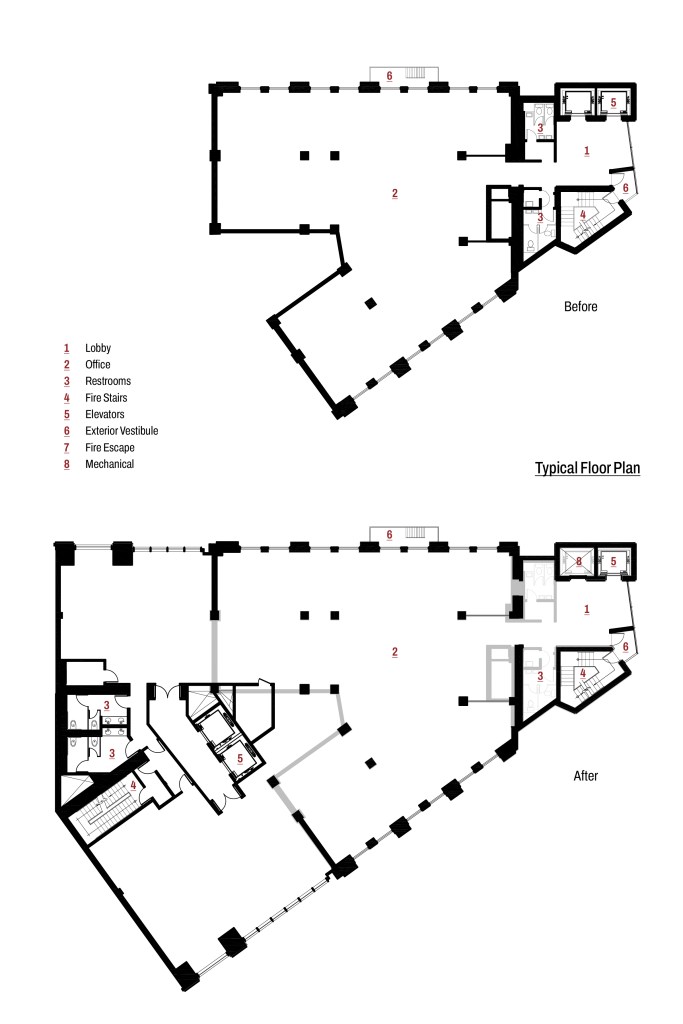
Before-and-after floor plans illustrate how the adaptive reuse of One Kearny reorganized circulation and building services while preserving the historic structure and improving seismic performance.
Economic feasibility, however, remains the industry’s biggest hurdle. While San Francisco has introduced several incentives to encourage adaptive reuse, including reduced affordable housing requirements and tax relief, high construction costs and seismic upgrades continue to make many office conversions difficult to pencil out. Even so, Bloszies believes the city is approaching a tipping point.
The conversation also touches on the growing role of AI in architecture. While Bloszies sees artificial intelligence as a valuable tool for processing data and improving efficiency, he believes it will complement—rather than replace—the critical thinking and judgment that define good design.
Here’s a breakdown of their discussion:
- (01:00) Why Charles Bloszies chose adaptive reuse
- (04:40) Sustainability and embodied carbon in conversion projects
- (06:46) What makes an adaptive reuse project feasible?
- (11:54) Are architecture schools preparing students for adaptive reuse?
- (13:36) San Francisco’s incentives for office-to-residential conversions
- (16:14) Understanding the Building Screening Program
- (20:16) Adaptive reuse case studies: One Kearny and Cathedral School for Boys
- (22:32) The future of office and retail conversions
- (24:13) Can conversions help solve the housing crisis?
- (26:58) What developers get wrong about adaptive reuse
- (28:04) AI’s role in the future of architecture
Follow, rate and review CPE’s podcasts on Spotify and Apple Podcasts, and don’t forget to subscribe to CPE’s YouTube channel!
You must be logged in to post a comment.