

CPE Midyear Outlook: CRE’s Continued Tale of Bifurcation
Industry leaders say recovery remains uneven as higher interest rates, refinancing challenges and AI reshape the market.
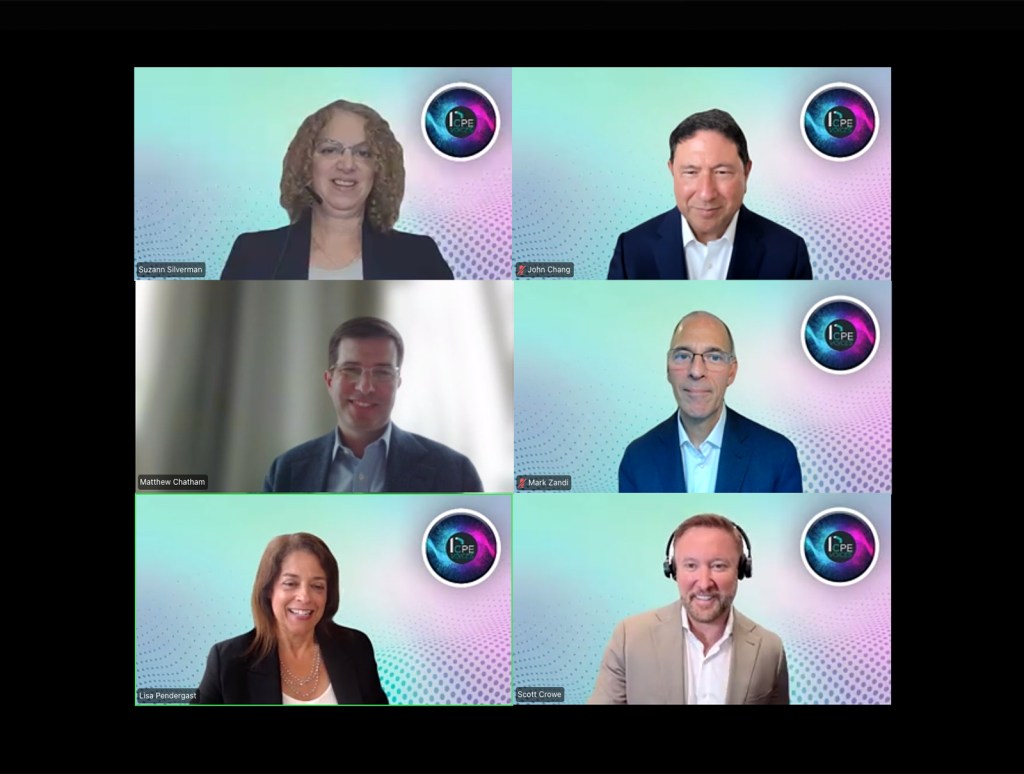
Commercial real estate fundamentals continue to improve heading into the second half of the year, but the recovery remains highly uneven. Panelists participating in Commercial Property Executive‘s Midyear Outlook webinar repeatedly described a bifurcated market, where top-performing assets continue to attract demand while others struggle with elevated vacancy, refinancing challenges and higher interest rates.
That was the overarching theme of the discussion, moderated by CPE Editorial Director Suzann Silverman. While speakers pointed to improving fundamentals across several property sectors, they also cautioned that elevated borrowing costs and geopolitical uncertainty continue to pressure portions of the market.
READ ALSO: AI-Driven Workforce Shifts Reshape Office Demand
“You have one property that could be doing very well, because the investor has gone in with a strategy and a plan and been able to execute it very effectively,” said John Chang, senior vice president & chief intelligence & analytics officer at Marcus & Millichap. “At the same time the building across the street is virtually empty and probably going to trade for pennies on the dollar.”
Moody’s Chief Economist Mark Zandi said the broader economy is still growing, albeit at a slower rate, with GDP growth around 2 percent, similar to 2025. Deglobalization and trade policy continue to act as headwinds, but he expects that the worst of tariff uncertainty is in the rearview mirror—assuming there are no major policy changes. Artificial intelligence, however, continues to support investment growth, creating new businesses and capital spending.
Office recovery gains momentum
According to Matthew Chatham, president of occupier advisory services at Cushman & Wakefield, office occupancy is improving from where it stood immediately following the pandemic. He explained that companies that were approximately 20 percent full-time back in office had increased to around 50 percent by 2025.
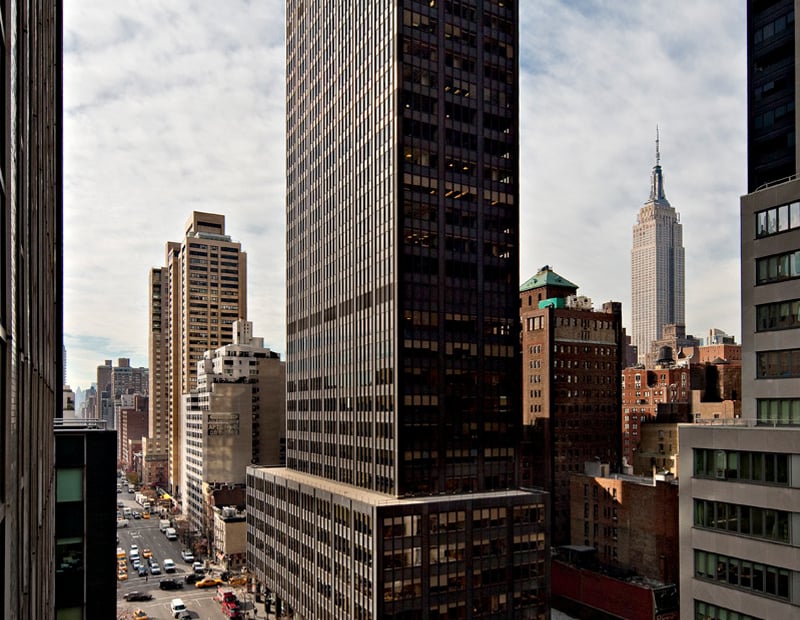
Class A assets are leading the recovery of the sector, especially in markets such as San Francisco and New York. Class A office space averages 79 percent occupancy compared to pre-pandemic levels, with peak in-office days reaching 97 percent occupancy, Chatham mentioned. He also pointed out that 50 U.S. office markets posted positive absorption last year.
“Businesses are focused on their own strategies, they’re focusing on how their businesses are performing, and they’re making longer-term commitments that are capital intensive, that are investing in their people,” Chatham said.
Chang agreed that office fundamentals are improving, but said recovery remains uneven. He argued that the flight to quality remains, but some properties are continuing to struggle with declining values and reduced occupancy.
Artificial intelligence is emerging as a demand driver for office space, according to Chatham. During the most recent quarter, for instance, AI companies accounted for 50 percent of leasing activity in San Francisco and roughly 66 percent in Silicon Valley, helping the sector recover.
Financing remains a challenge
Even though fundamentals are improving and there are signs of recovery in the office sector, Lisa Pendergast, president & CEO of CREFC, noted that refinancing challenges remain across commercial real estate. She pointed out the $875 billion in commercial real estate debt maturities due in 2026. Many of those loans were originated when borrowing costs were much lower than they are today.
“The big concern that I have are loans that were done in the 4 percent kind of area that are now going somewhere to 7 (percent),” she said.
Many borrowers have continued to extend loans rather than refinance immediately, but Pendergast cautioned that the strategy cannot continue indefinitely if borrowing costs remain elevated.
Scott Crowe, chief strategy officer & head of equity capital markets at RXR, believes that the shift of “higher for longer” is outdated, and the new normal is just “higher” when it comes to interest rates.
This elevated-rate environment has also complicated investment activity. According to Chang, outcomes continue to vary by property type, market and even individual assets, creating both opportunities and challenges for investors.
AI emerges as growth driver
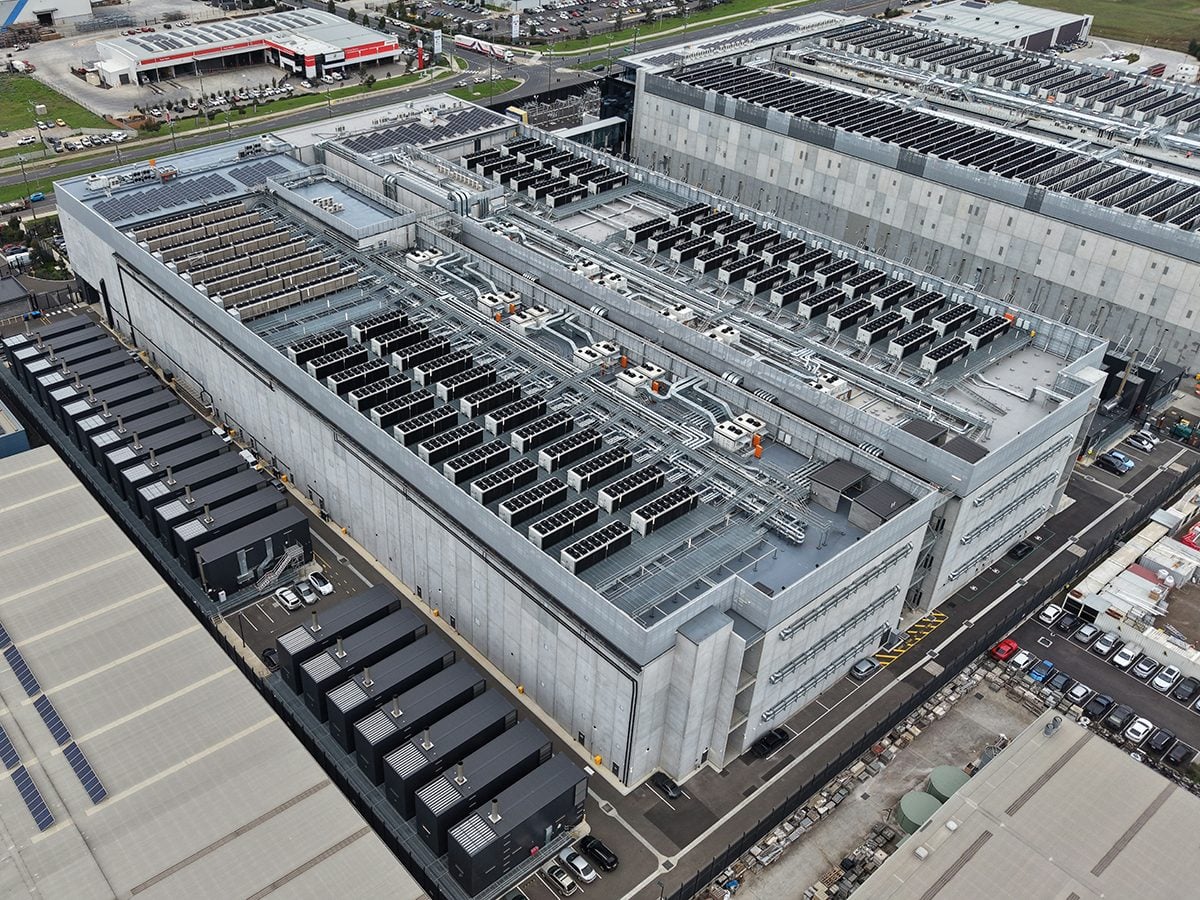
While Zandi described the economy as being in a “pitched battle between various crosswinds,” he pointed to artificial intelligence as one of the strongest growth drivers currently supporting the economy. Zandi noted that AI is contributing to growth through data center development, business formation and capital investment.
Today, investors are remaining selective about the opportunities they are seeking out across all sectors. According to Chang, outcomes continue to vary significantly by property type, market and even individual assets, contributing to a disconnect between buyers and sellers.
READ ALSO: What the Debt Maturity Wall Means for Investors
Crowe noted that commercial real estate is increasingly competing for capital. AI infrastructure has emerged as an alternative asset for investors, while private credit continues to attract significant allocations.
Looking ahead, Crowe argued that stronger rent growth will be necessary for valuations. The elevated interest-rate environment has slowed overall development activity across the sectors, limiting new supply from entering the market. This will, in turn, help drive rent growth and NOI appreciation.
Despite ongoing challenges, Crowe said opportunities remain available for investors willing to be selective. As for lenders, the current environment may be especially attractive.
“It’s a great time to be a lender,” he concluded.

You must be logged in to post a comment.