


NAREE Special Report: Does Industrial Demand Foreshadow New Development?
A continued ramp-up in ecommerce and land searches for reshoring suggest returning growth in key markets.

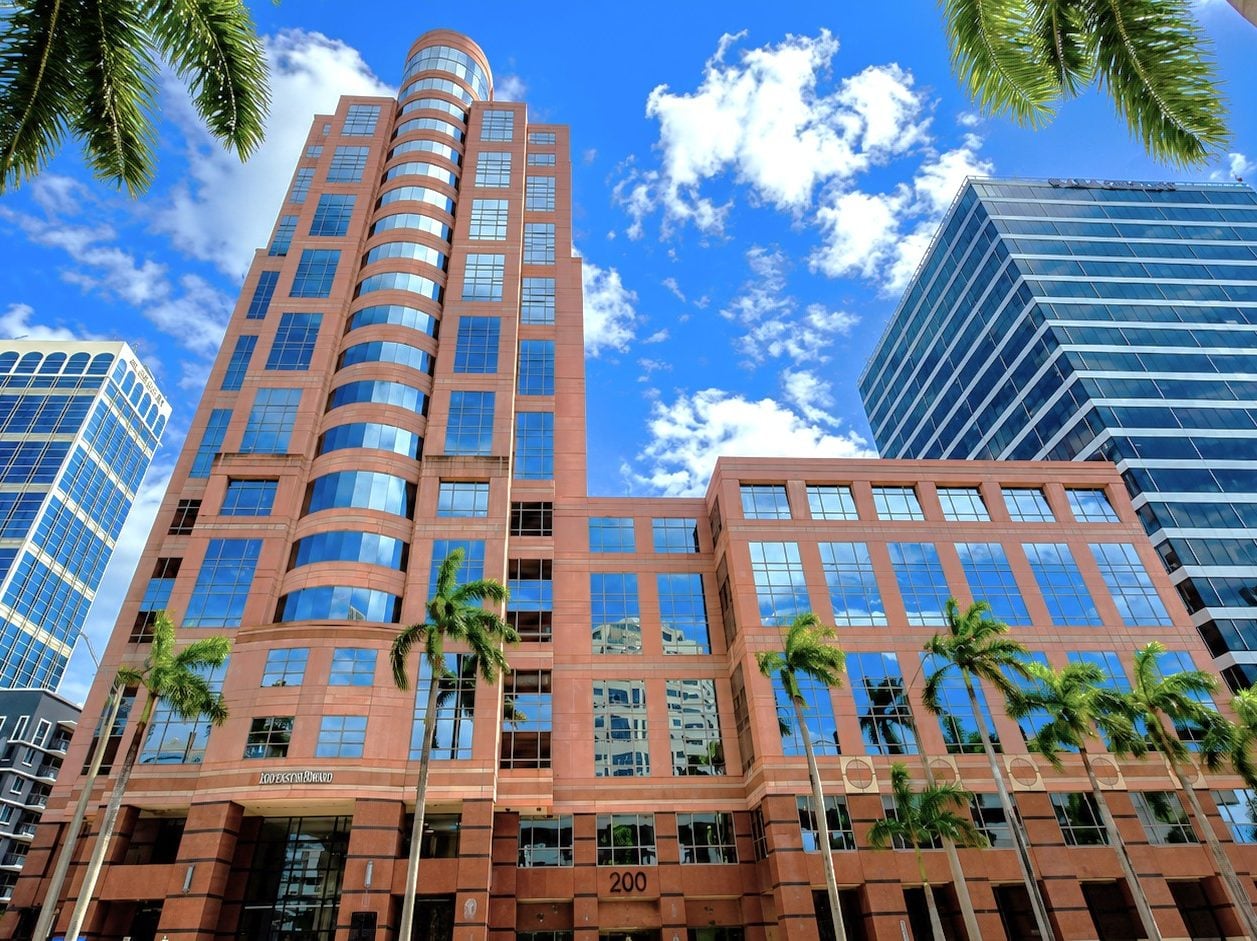
Photo by Suzann D. Silverman
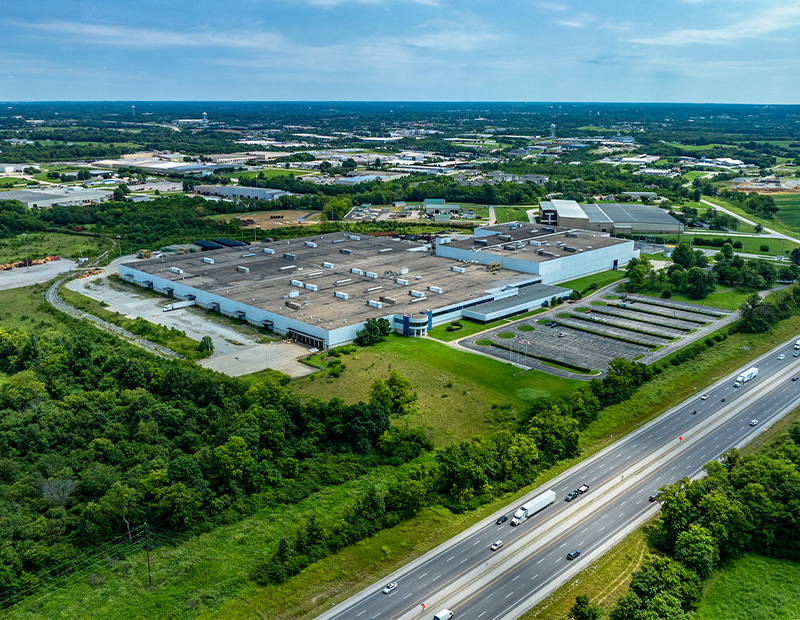
Growing demand for e-commerce distribution facilities and a greater focus on manufacturing are starting to produce improvement in the industrial sector.
Increased absorption in the first quarter is an indicator that development may soon make sense again, according to the industrial panel at this week’s National Association of Real Estate Editors 60th Annual Real Estate Journalism Conference.
“I think you’ll continue to see us hit the higher-water marks. All the vacancies are going to start coming down across the board because people just haven’t delivered a lot,” observed Christopher Thomson, vice chair of Cushman & Wakefield in South Florida, noting that most industrial markets currently have vacancy rates ranging from 8 to 10 percent.
MORE CONTENT FROM NAREE 2026: Workplaces That Attract
Demand is particularly strong for 1 million-square-foot distribution facilities, according to Reed Vestal, CEO & co-founder of industrial investment and development firm Junction, who pointed to such demand in Houston—the “million-square-foot city”—that “we can’t build them fast enough.”
And Vestal anticipates much more demand driven by e-commerce, since despite significant growth during and after the pandemic, it still constitutes less than 20 percent of retail sales. For that reason, he predicted that industrial distribution will be a “lead horse” among commercial real estate asset classes.
Eastern port growth
Growth is also taking place in southern and midwestern port cities, including Houston, Savannah, Ga., and Atlanta, according to Clay Thelen, CEO of Becknell Industrial. Thomson added to that big box absorption in Dallas and even in Chicago.
And while reshoring manufacturing is a long-term prospect, Thomson noted that land searches have been taking place, with especial interest in plots with established power, while Thelen predicted that manufacturing will increase from about 20 percent of the industrial marketplace to 28 percent by 2028.
“Onshoring is happening,” Thomson said, observing that it’s already been impacting the price of land.





You must be logged in to post a comment.