
NAREE Special Report: Workplaces That Attract
Whether seeking a new location or a reason to remain where they are, businesses are focused on long-term employee satisfaction.
As leases expire and employers consider whether to renew or relocate, they’ve become laser-focused on their employees. And they’re not just looking for easy answers and quick fixes.
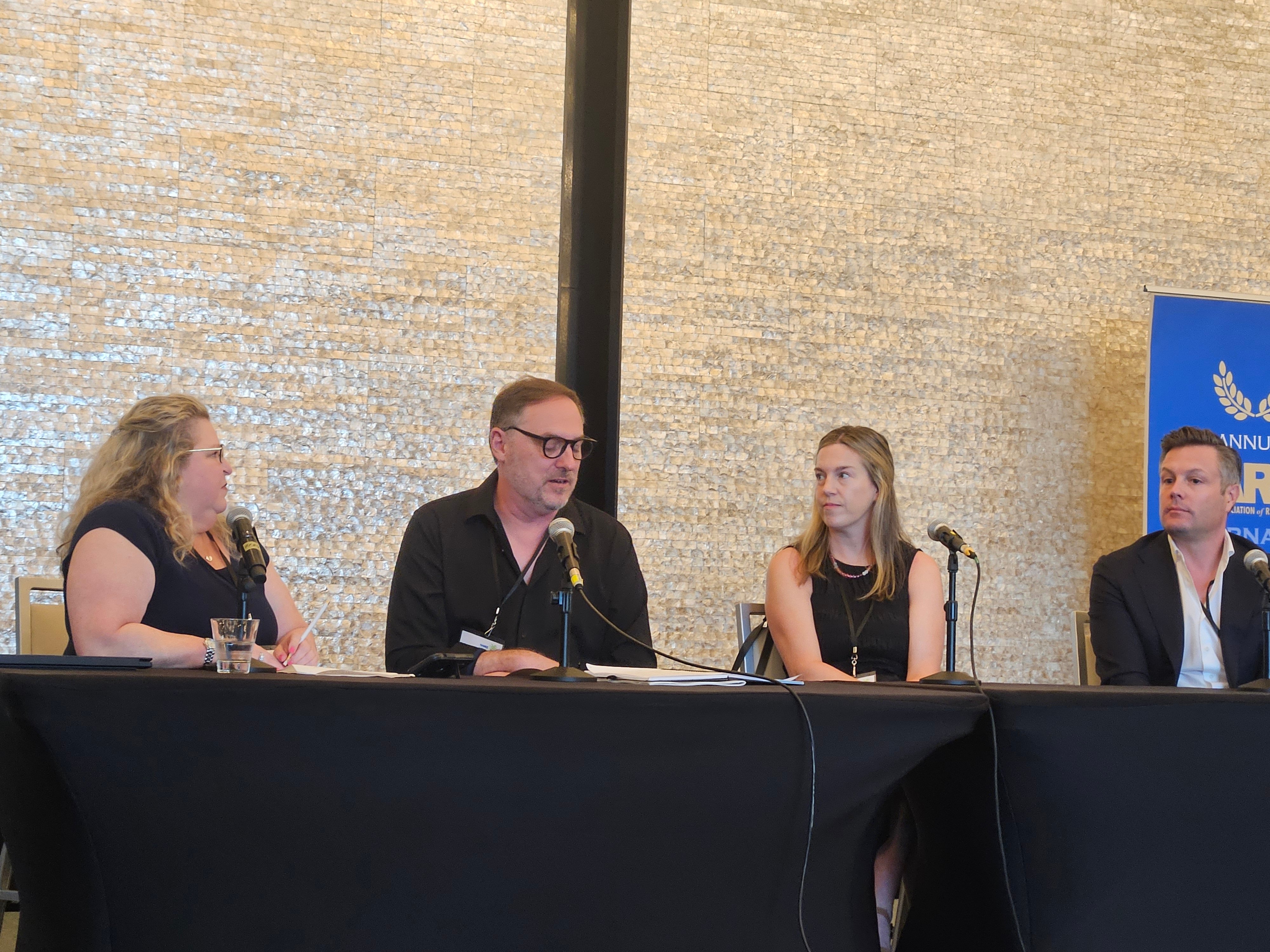
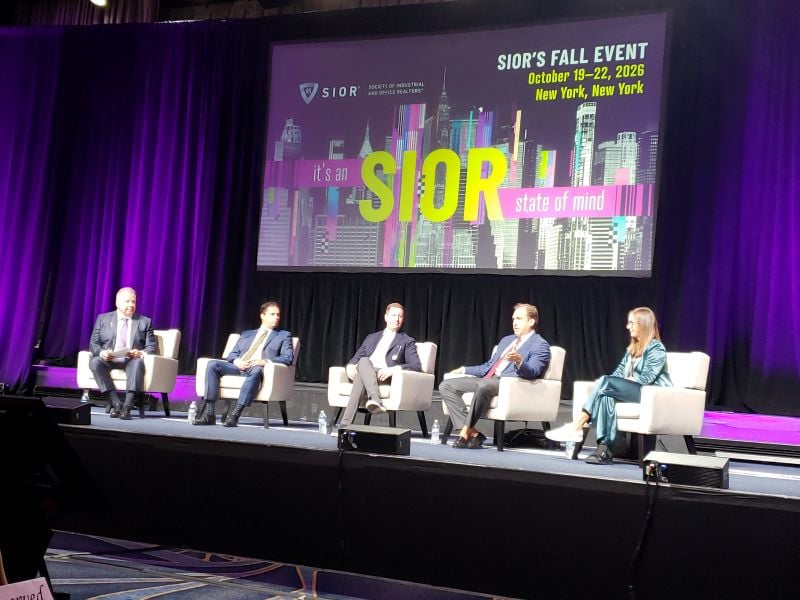
Those considering relocating are looking beyond what their business needs now—where the CEO wants to live or the right type of employment pool—to what employees and prospects need or want in the long term, Related Ross Executive Vice President Jordan Rathlev noted during a panel on “What Makes a Great Workplace” at this week’s National Association of Real Estate Editors 60th Annual Real Estate Journalism Conference.
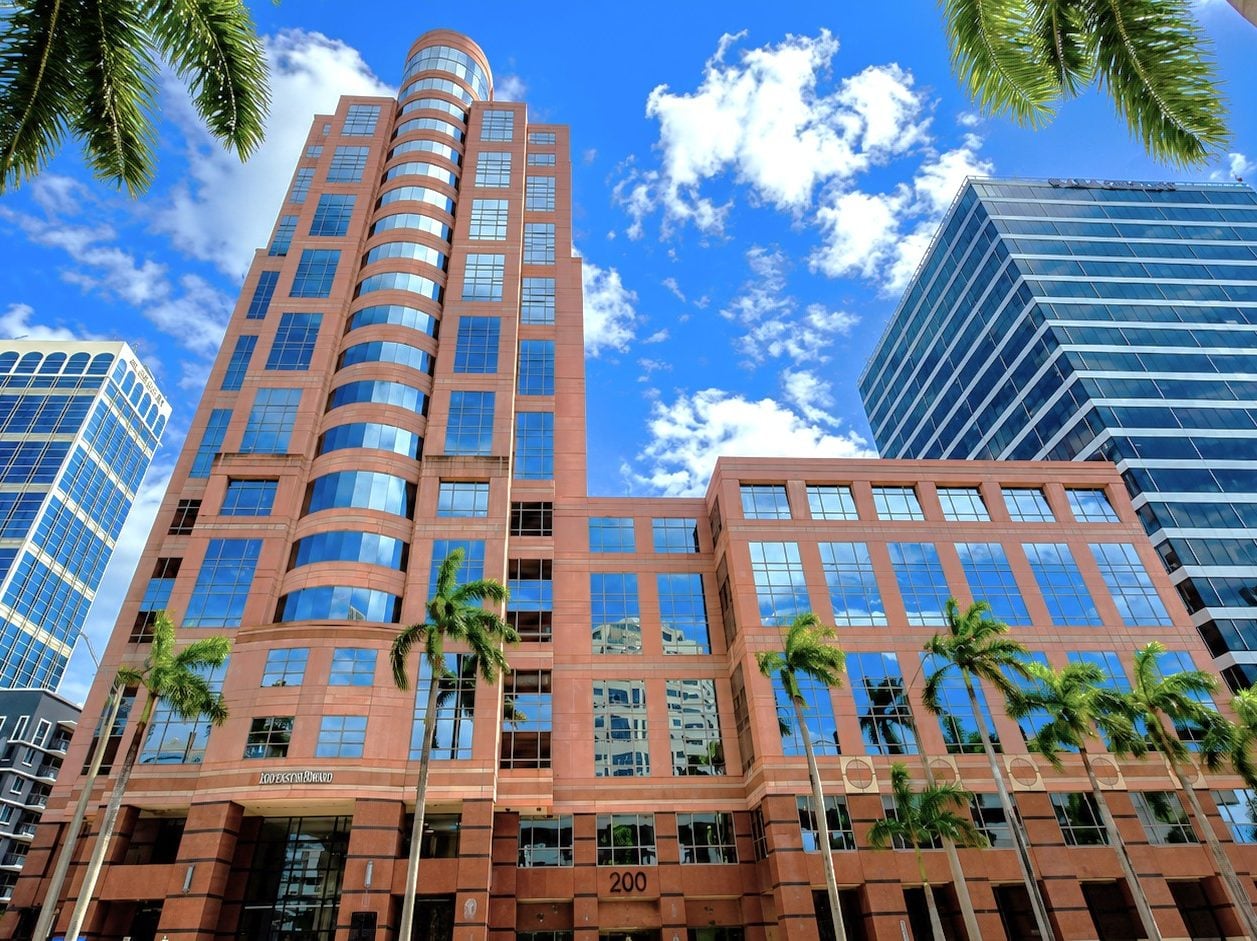
“When people think about moves, they want to say no,” observed the West Palm Beach, Fla.-based investor and developer, who estimated that about 85 percent of new leases in South Florida are coming from out of state. Getting a “yes” today requires emphasis on available practical infrastructure elements like hospitals and schools. It also means ensuring there are ongoing entertainment opportunities that make employees want to remain in the area. In the case of South Florida, that’s things like proximity to Miami Dolphins games and the Grand Prix, Rathlev said.
Markets striving to keep big tenants are fighting back. Emily Botello, managing director in Americas consulting at CBRE, pointed out that 25 of the top 40 markets are rebranding to renew interest. She listed San Francisco and Charlotte as examples.
Buildings that draw tenants
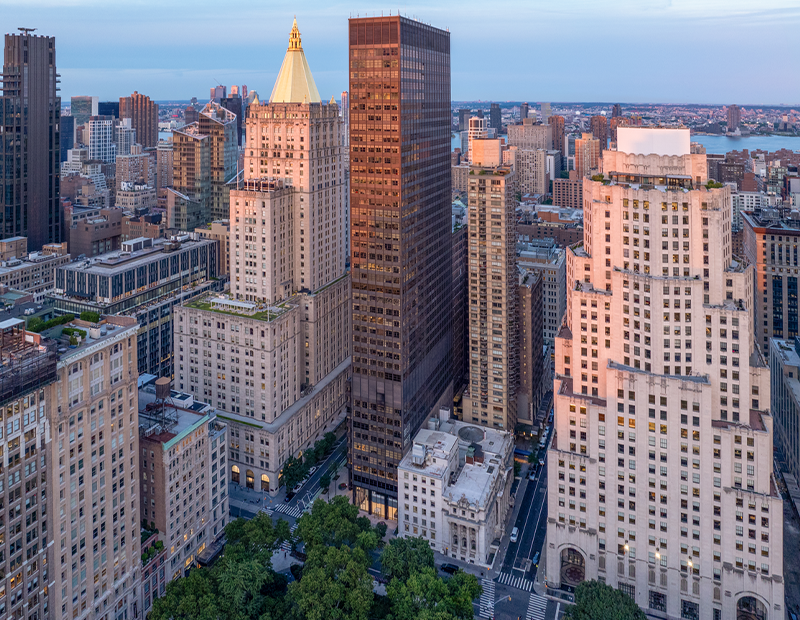
Rebranding is also taking place at the building level, according to Robert Clemens, managing director for the New York and Philadelphia studios of Perkins&Will, as owners strive not just to better meet the needs of both employers and their employees but to “create a sense of desirability.”
That includes a focus on green space—a more experiential sustainability than the details LEED-focused developers previously emphasized—and food and beverage. It also means emphasizing more subtle aspects like creating a sense of welcome that starts in the lobby, with security guards trained in customer experience.
MORE FROM NAREE 2026: Does Industrial Demand Foreshadow New Development?
“The office is kind of your town square,” Clemens said.
Really unique amenities can make a big difference, Rathlev noted. A new approach is to share them across a complex or office park, with the reduced redundancy allowing for greater attention to detail, such as one building featuring a large meeting space, another a rooftop garden and a third a well-appointed fitness center, with all tenants having access to all three. However, make sure to select amenities that will be widely used, Botello cautioned.
Within the workplace, other details can also make a big difference. Clemens recommended considering not just the industry of the tenant but the needs of their workers. That applies to properties beyond office buildings, since doctors and nurses in medical offices are workers with particular needs (such as respite space), and so are restaurant wait and kitchen staff (taking out the garbage shouldn’t be made arduous with a difficult pathway). He advised thinking about “a day in the life of” workers in the customer’s field.
Flexibility and workspace options can also make a difference, Botello said, as people seek both a sense of affiliation and also autonomy to choose where they can do their best work.
“Companies winning people back to office are leaning into culture and giving people a sense of autonomy,” she said.

You must be logged in to post a comment.