


How Global Investors Are Adjusting to Disruption
Cross-border capital funds seek deals instead of retreating, as shocks become the rule rather than the exception.
Roughly 10 weeks after the U.S. launched military strikes against Iran, it remains up in the air whether the conflict will end sooner or later.
Amid that uncertainty, ballooning inflation rates have returned, primarily driven by volatile oil prices that on April 7 doubled from the beginning of the year and still remain elevated despite dropping since then.
The U.S. consumer price index rose 3.3 percent year-over-year in March, according to the Bureau of Labor Statistics, and the Federal Reserve Bank of Cleveland is forecasting higher inflation in April and May. Europe is witnessing a similar rise in prices—the annual inflation rate was expected to rise to 3 percent in April from 2.6 percent in March, according to Eurostat data.
Add rising interest rates to the mix, and it’s reasonable to surmise that global commercial real estate investment activity will return to ho-hum in 2026 just as it was beginning to rebound. In 2025, cross-border transaction volume grew 12 percent, the first year-over-year increase since 2021, according to Cushman & Wakefield. The brokerage further noted that the Iran war and policy uncertainty had heightened downside risk awareness.
READ ALSO: In a Topsy-Turvy World, Capital Flows to CRE
Still, Cushman & Wakefield reported that global fundraising had strengthened in 2025, particularly in the Americas and Europe, Middle East and Africa. And some observers see the Iran war as just one more shock among a string of many—the Russia-Ukraine war, tariff volatility and the pandemic, to name a few—that are now common.
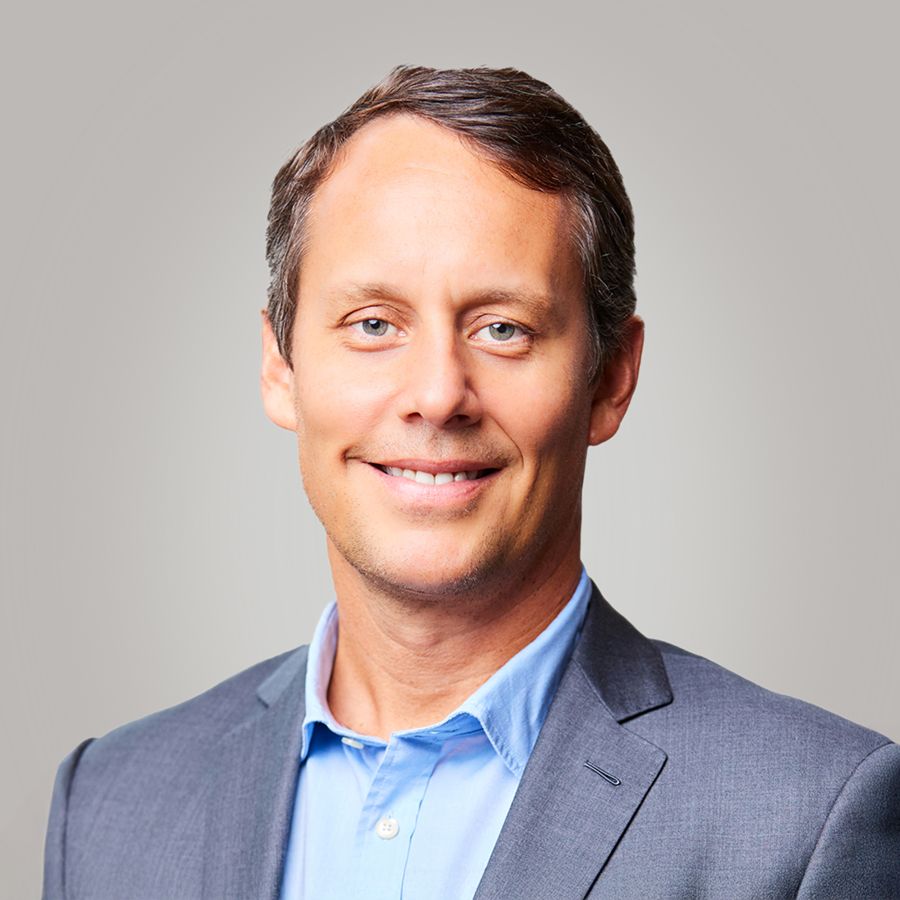
“For investors, volatility is no longer treated as an exception; it has become part of the underwriting environment,” Alfonso Munk, a managing partner & co-head of investment management for Hines, told Commercial Property Executive. “When events such as the Iran conflict emerge, the response is not necessarily to step away from the market but to become more disciplined about where and how capital is deployed.”
A search for resilience
As a result, most institutional investors have already recalibrated their strategies to account for geographical tensions, higher capital costs, tighter liquidity and less predictable growth endemic in a more complex world, added Munk, who develops and oversees investment strategies that align with the global investment approach of Hines. In practice, he said, that’s translating into a greater emphasis on an asset’s cash-flow durability, fundamentals and ability to perform in various economic climates. It also includes a greater focus on liquid and transparent global geographies that possess supply constraints and strong demographic and employment demand drivers, mirroring broader trends in commercial real estate.

Wei Luo, global research director & senior economist for CBRE Investment Management in New York City, agreed. Historically, investors flew to quality and familiarity during times of disruption, but today they focus on operational resiliency and portfolio diversification to adapt to geopolitical events, she said.
“There has been some ‘wait-and-see,’ but that is heard less (from investors) because we have lived in a volatile market environment long enough,” Luo observed. “They’re not overreacting because this event, like many previous events, highlight the importance of resilience.”
U.S. tailwinds
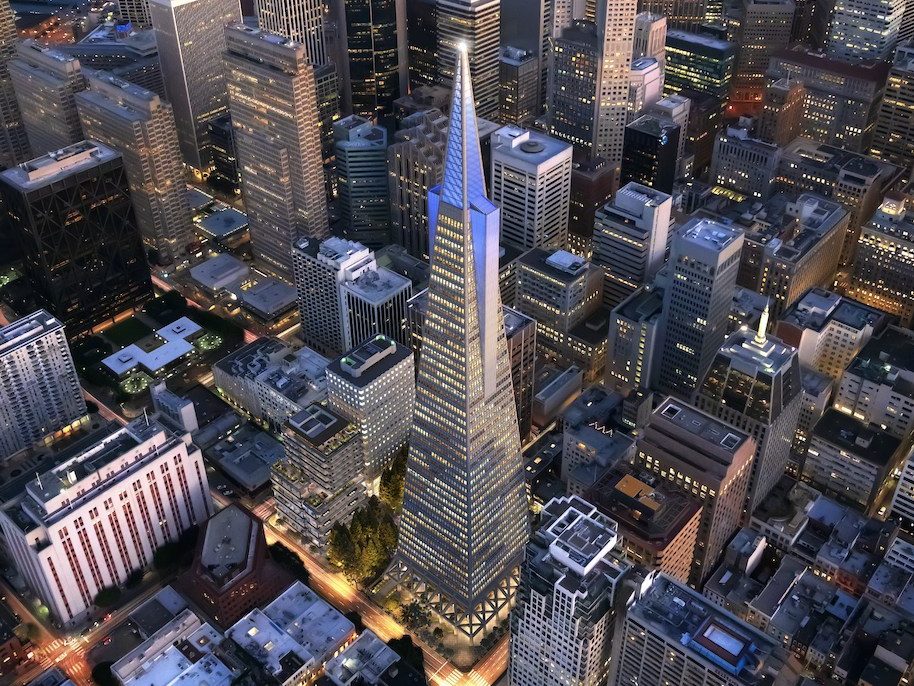
In the U.S., some markets that have undergone repricing to create attractive entry points along with strong long-term demand drivers and constrained supply are likely to capture global capital, Munk said. In early April, for example, Cyprus-based investment firm Yoda Group completed its $678.3 million acquisition of Transamerica Pyramid Center—the 48-story tower and two other office assets in the complex totaling 750,000 square feet in San Francisco. That price was well below the basis of the previous owner, which paid $650 million for the property in 2020 and poured an additional $400 million into renovations.
READ ALSO: How the Middle East Conflict Is Impacting CRE Investment
AI is also fueling investment in the U.S., which is by far the global leader in data center development, reported Mark Zandi, chief economist for Moody’s, who participated in a recent roundtable discussing the Iran war’s effect on the economy hosted by Marcus & Millichap. Along those lines, SB Energy, a Silicon Valley firm focused on delivering data center and power infrastructure and backed by Tokyo-based global investment firm SoftBank Group, recently paid $285 million for the former 1.1 million-square-foot 3M campus in Austin, Texas, according to multiple press reports.
The fact that investors understand North America’s energy sovereignty and supply chain resilience continues to attract global capital, as well, Luo said, while a lack of those attributes in Europe is fueling investment demand to develop them. Still, noted Munk, stability, disciplined supply and the potential for relative value creation based on favorable monetary policy could drive crossborder investment in select European markets.
“The common thread is that capital is more expensive, which means every investment has to work harder,” Munk explained. “Investors are looking for opportunities where income growth can be driven by operations and demand fundamentals, not simply by market momentum.”
Waiting for the numbers
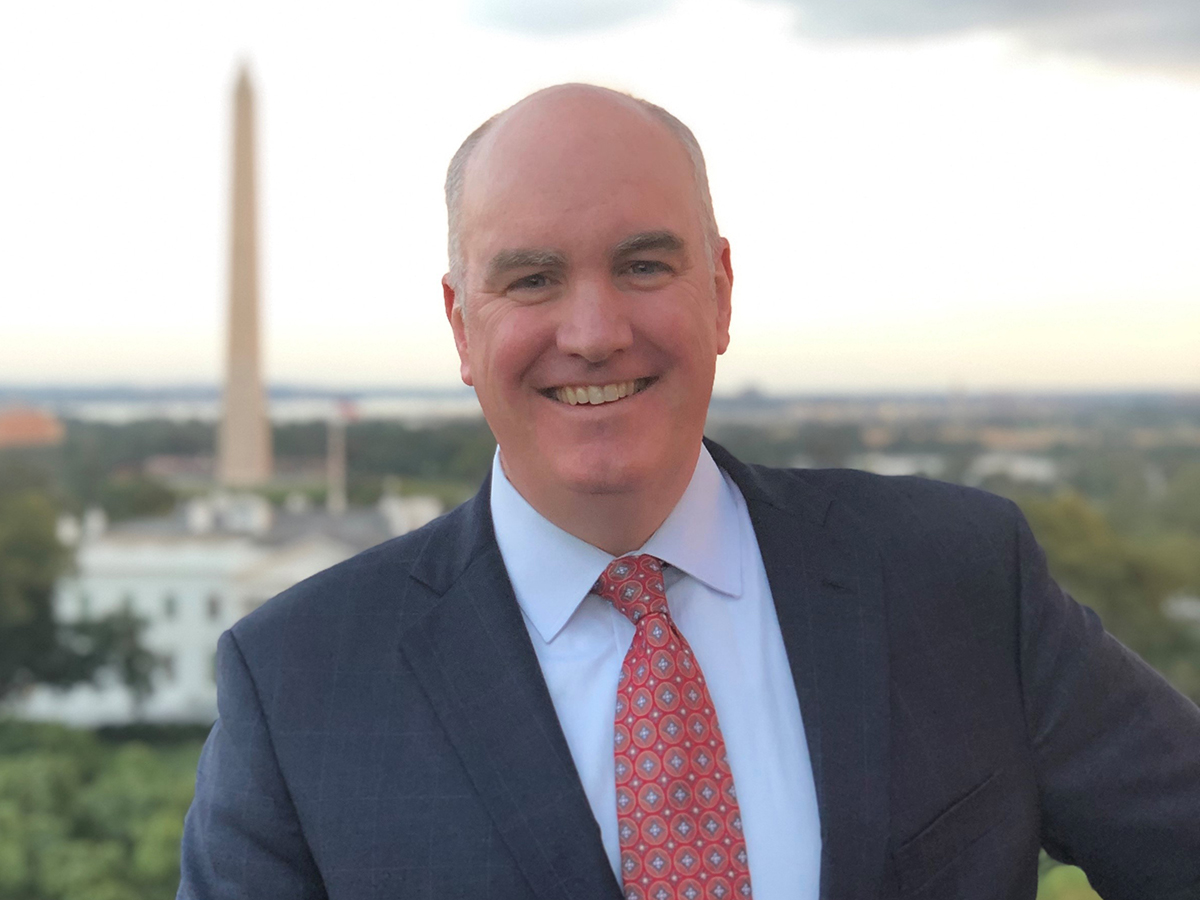
How the disruptive environment ultimately affects crossborder capital flows in 2026 likely won’t be fully revealed for several months, reported Jim Costello, executive director of MSCI in New York City & chair of The Counselors of Real Estate’s Economic Advisory Council. Global funds have raised a lot of cash over the last few years for investment in the U.S. and are ultimately looking for deals that provide the best opportunity to hit their internal rate of return targets, he added.
“The real challenge to making a prediction is that there are multiple ways turmoil in the global economy can play out,” said Costello, who co-heads MSCI’s real-assets research team. “One outcome is that investors are afraid to invest in the U.S. because of uncertainty around domestic policies or slowing growth. In the past, capital has sought out safety in the U.S. But it’s not clear to me which of those are more likely in this environment.”

You must be logged in to post a comment.