


The WILD Momentum Behind Women in Industrial Real Estate
Founder Amanda Eastwick on how her organization is building visibility and leadership pathways for women in a traditionally male-led sector.
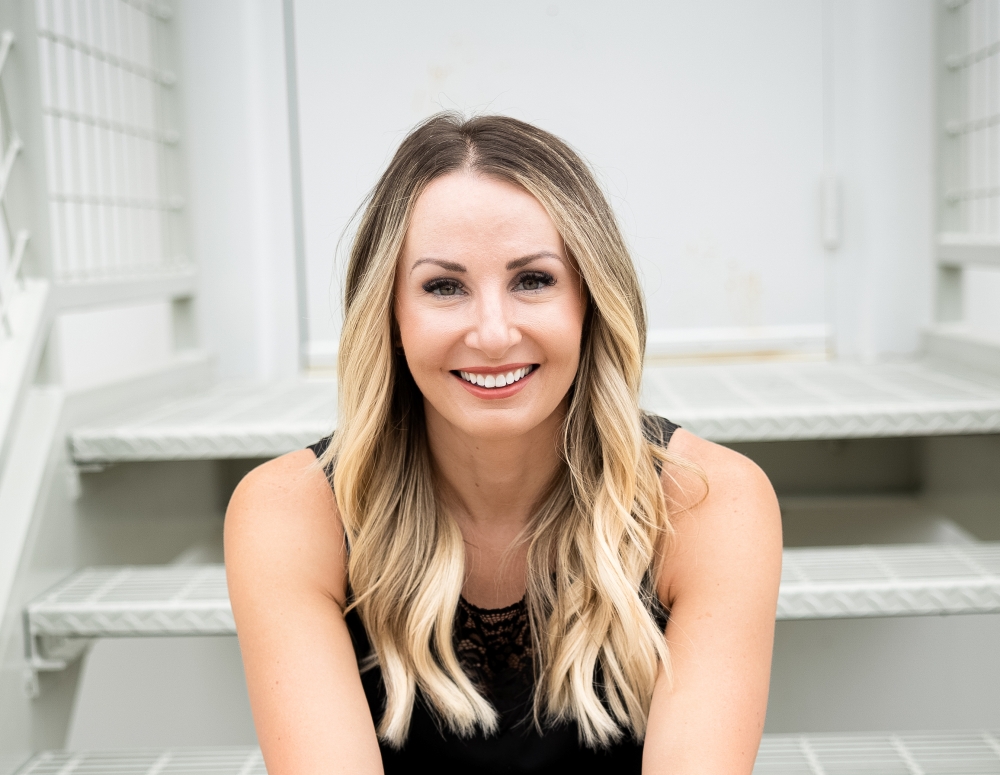
As industrial real estate continues to power the global economy and fuel advanced manufacturing growth, its leadership ranks are evolving. What was once viewed as one of CRE’s most traditionally male-dominated sectors is seeing more women step into more visible, decision-making roles. Today, the question is no longer whether women belong in industrial, but how to ensure they’re supported, connected and positioned to lead.
Women in Industrial, Logistics and Development—in short, WILD—officially launched early this year, focusing on advancing female talent across the industrial ecosystem. Founded in Reno, Nev., by a group of industry leaders and spearheaded by Amanda Eastwick, a director at Cushman & Wakefield, WILD aims to expand visibility, cultivate leadership and build durable networks among women working in industrial development, brokerage, logistics and operations.
In this conversation, Eastwick reflects on what inspired her to build WILD and how she sees the organization shaping the future of women in the industrial sector.
READ ALSO: Women in Construction Week: When Drawings Meet Reality
Why did you create WILD?
Eastwick: The decision to launch WILD came from recognizing a structural gap rather than a single defining moment. Over time, it became clear that while highly capable women were operating across brokerage, logistics, development and capital markets, there was no cohesive platform connecting them at a national level.
Industrial real estate is one of the most consequential asset classes in the economy. It shapes supply chains, supports population growth and anchors regional expansion. Yet the leadership networks influencing this sector have not consistently reflected the depth of talent within it.
The realization was straightforward. If we wanted women to meaningfully shape the future of the sector, we needed to build intentional infrastructure that supported visibility, access and leadership alignment …
How did your personal journey shape the mission, purpose and values that now define WILD?
Eastwick: My career in industrial real estate taught me that credibility is earned through mastery. Industrial does not reward surface-level knowledge. It rewards those who understand development feasibility, capital allocation, tenant strategy and long-term market cycles.
What became clear over time was that competence alone is not the full equation. Influence is shaped by proximity to decision-making and networks that extend beyond local markets.
WILD was designed with that understanding. Its mission reflects a commitment to ensuring that women in industrial are not only technically excellent but positioned to influence capital conversations and strategic outcomes. The values of WILD are grounded in expertise, confidence and disciplined leadership because those are the standards the industry respects.
As we continue to celebrate Women’s History Month, how would you describe the current landscape for women in industrial, and where do you see the most opportunity for progress?
Eastwick: The landscape today reflects meaningful progress, particularly in entry-level and mid-career roles. More women are entering brokerage, development and logistics functions than in prior decades. Visibility has improved and participation is expanding.
The greatest opportunity now lies in executive-level influence. Investment committees, development leadership teams and capital allocation decisions continue to shape the direction of the asset class. Representation at that level remains limited relative to the talent pool. The next phase of progress will be defined not by presence alone, but by influence within the rooms where strategic decisions are made.
READ ALSO: Where Experience Meets Ambition: Women Shaping CRE’s Future
WILD stands on three pillars: visibility, connection and bold leadership. How are you translating those pillars into real, tangible programs that support women at various stages of their careers?
Eastwick: Each pillar is operationalized through intentional programming, designed to support early career professionals while also serving senior leaders managing multi-market portfolios.
Visibility is advanced through curated panels, executive spotlights and national stage opportunities that position women as subject matter experts in industrial and development.
Connection is facilitated through structured forums designed for depth. Our dinners, roundtables and breakout sessions are engineered to encourage strategic dialogue and peer-level engagement rather than transactional networking.
Bold leadership is reinforced through workshops and mentorship pathways focused on executive readiness, capital fluency and strategic positioning.
The framework is layered because leadership development is not linear. It requires sustained engagement at every stage.
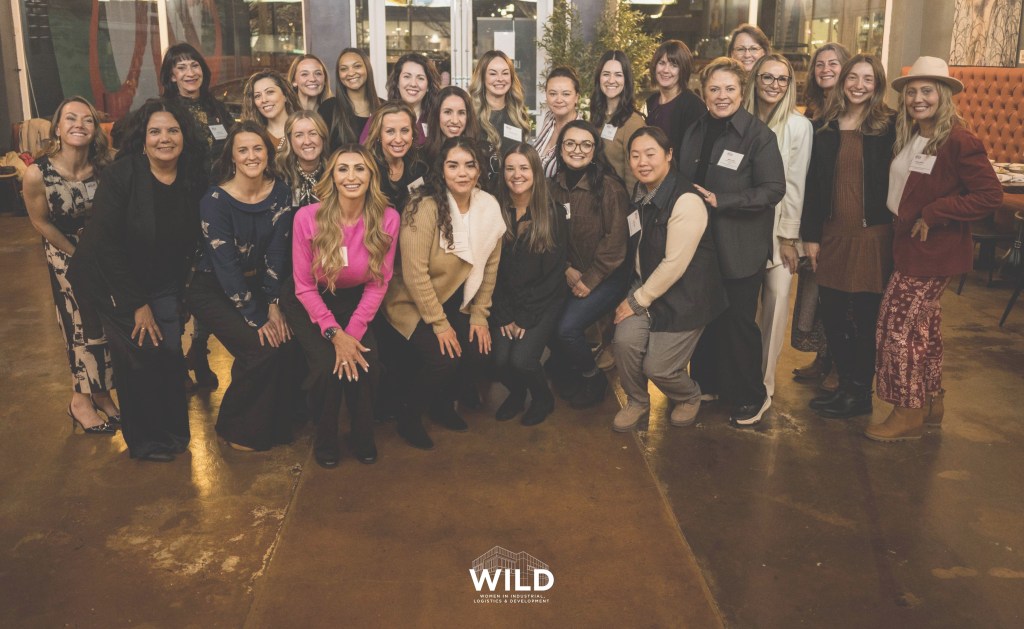
Please dive deeper into connection. From the WILDCard dinner to workshops and signature events, what kinds of experiences can members expect?
Eastwick: WILD experiences are designed with intention and structure. The WILDCard dinner, for example, integrates curated conversation prompts and purposeful seating to encourage meaningful exchange among leaders from different disciplines within the industrial sector. The objective is depth of dialogue rather than volume of contacts.
Workshops focus on relevant industry topics including capital discipline, development feasibility, site selection strategy and executive positioning. Programming remains specific to industrial and logistics to ensure credibility and relevance …
What has resonated most with industry professionals across the country so far, and how do you envision scaling the platform across different markets?
Eastwick: What has resonated the most is clarity of focus. WILD is dedicated specifically to industrial, logistics and development. That specificity has created alignment across markets. Industry professionals have responded to the depth of conversation and the emphasis on leadership influence rather than general networking.
As we scale, the priority is disciplined growth. Local leadership in each market will anchor programming, while national alignment will maintain consistency in mission and standards. Expansion will be measured and strategic, ensuring that each market reflects the integrity of the platform. …
Looking ahead, what does success look like for WILD—not just as an organization, but in terms of shifting the broader culture within industrial, logistics and development?
Eastwick: Success will be defined by measurable leadership outcomes. It will look like increased female representation in senior development roles, investment leadership and executive decision-making across industrial markets. It will also look like a national network that actively accelerates leadership trajectories.
From a cultural standpoint, success means representation at the highest levels is expected rather than exceptional. When industrial leadership diversity is normalized, the industry will be stronger and more resilient as a result.

You must be logged in to post a comment.