


Retail
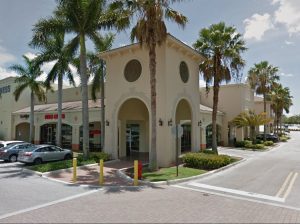
South FL Shopping Center Commands $43M
HFF facilitated the sale of the 107,000-square-foot retail asset in Wellington. The new owner took out a $13.5 million loan to finance the acquisition.

The Impact of Shopko’s Reorganization
Hoffman Strategy Group’ Jeff Green and JLL’s Tom Mullaney weigh in on the company’s Chapter 11 filing and possible outcomes for its stores’ current locations.
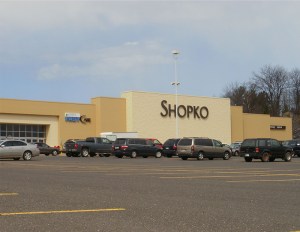
Shopko Outlines Post-Bankruptcy Footprint
Despite substantial store closures before the Chapter 11 filing, the restructured retail chain will maintain locations in 11 states, while its portfolio will drop to less than half of its previous size.

Last Chance to Enter the 2019 Commercial Property Executive Distinguished Achievement Awards!
Last day to enter! We’ve extended our deadline to June 24th. Don’t miss this opportunity to showcase your company’s projects and talent.

CBRE Appoints New EVP of Retail Accounts
In his new role, Branson Edwards will work with the firm’s Global Retail Occupier Leader Brandon Famous, to enhance the Integrated Retail Accounts practice.

CPE Announces the 2018 Executives of the Year
Now in its 22nd year, the CPE Executive of the Year Awards program is adjudicated by a peer vote among leading executives from across the commercial real estate industry and based on accomplishments in the past year. Here’s what made the winners stand out.

How to Ensure Your Retail Property Thrives During a Transformation
You can still attract foot traffic and drive sales to your center’s merchants while reinventing to respond to changing consumer preferences.

Upgrades in Store for Nashville-Area Lifestyle Center
U.S. Properties Group will transform the 250,000-square-foot property’s central plaza. RDL Architects designed the makeover.

MN Retail Center Lands Financing
The borrower will use the three-year, floating-rate loan secured by HFF to redevelop the 137,000-square-foot retail center, which is anchored by Cub Foods.

The Evolving Demand for Retail Spaces
As a growing number of owners consider alternate uses for struggling centers, what are the opportunities and challenges of introducing new types of tenants?