

Absorption
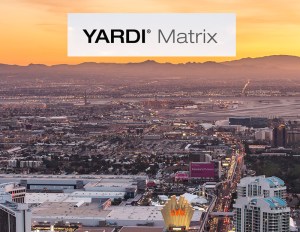
Investors Cash Chips in Las Vegas
Apartment construction slowed in 2016 to 2,000 new units, likely because of oversupply of single-family home rentals. But development looks promising, with more than 4,500 units under construction, according to Yardi Matrix.
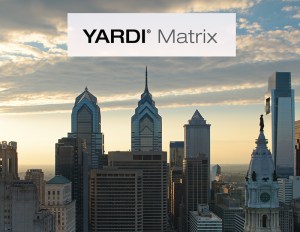
Philadelphia’s Apartment Revival
With developers ramping up construction, multifamily demand remains strong, as the city continues to attract both Millennials and Baby Boomers looking to downsize.
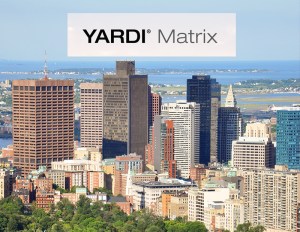
Boston’s Power
Investor and tenant demand remains healthy in the city’s multifamily market, even as rent growth decelerates after peaking in mid-2016.
Denver’s Mile-High Moderation
The city is a hotbed for commercial and residential development, largely due to a robust population growth and a strong demand for housing.
Seattle’s Banner Year
The city’s vibrant economy has produced job growth in a broad range of sectors, supporting housing demand and kickstarting an apartment boom, Yardi Matrix data shows.
Baltimore Reclaims Its Charm
Employment growth, coupled with the metro’s relatively affordable rental rates, should generate a solid absorption of the new apartment units coming online this year.
Twin Cities’ Tight Quarters
Rent growth exceeded the national average over the last year, due to steady employment gains, an increasing population and limited housing supply, as apartment completions slowed in 2016.
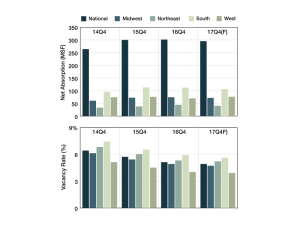
National Vacancies
Vacancy rates decreased year-over-year in all the regions, with the largest change occurring in the Northeast, which fell from 6 percent in the fourth quarter of 2015 to 5.3 percent in the fourth quarter of 2016.
Salt Lake’s Mountainous Rise
Utah’s largest city is in the midst of a boom—driven by robust employment and population growth that’s producing healthy demand for housing, Yardi Matrix data shows.
Houston’s Shaky Economy
According to Yardi Matrix, very low rent growth and an occupancy rate that lags the national average will result in slow absorption of the 18,700 apartments added in 2016.