


Q&A: Why It’s a Good Time to Put Capital to Work
AEW's Michael Acton on the importance of picking the right asset—not the right property type—and focusing on growing its income.

Following the first rate cut since December 2024, capital is searching for new direction. With policy and trade questions still in play, many investors are shifting their focus from hoping for predictability to concentrating on what they can control: income and execution.
Commercial Property Executive spoke with Michael Acton, head of research and strategy at AEW Capital Management, about where the market stands in terms of stabilization. We also asked him about near-term challenges facing investors, and the long-term outlook across property sectors.
Office has been at the center of distress in this cycle. Where do you think we are in the reset—have values bottomed yet?
Acton: Office values have been reset significantly, with aggregate declines of 37 to 40 percent from previous highs, but recent quarters show stabilization and transaction volumes are rising as buyers and lenders become more comfortable with risk-adjusted returns at reset values.
While the broader office market remains challenged by high vacancies and muted leasing, there is growing clarity around value losses, suggesting that values have likely bottomed, especially for higher-quality assets—and the sector is now positioned for a more measured recovery.
What separates resilient office assets from those most at risk?
Acton: Resilient office assets are distinguished by prime locations, strong tenant demand—particularly in markets like New York—and the ability to attract consolidating tenants seeking better space. Buildings with strategic relevance, necessity support or potential for repurposing tend to fare better, while assets with high availability, weak demand fundamentals or exposure to economic uncertainties remain most at risk. The divide between buildings with value and those without is wide and the path forward varies from demolition to strategic repositioning.
Office conversions—to residential or hotel—are often seen as solutions in some downtown areas. How realistic are they as part of the market reset?
Acton: Office conversions are increasingly being considered by office asset owners, especially for assets lacking strategic relevance or facing persistent vacancy. While not a universal solution, conversions to residential or hotel use can be viable in select locations where demand supports alternative uses. The feasibility depends on asset quality, location and local market dynamics—and while some buildings may be repurposed or demolished, conversions will play a role in the broader market reset, albeit selectively.
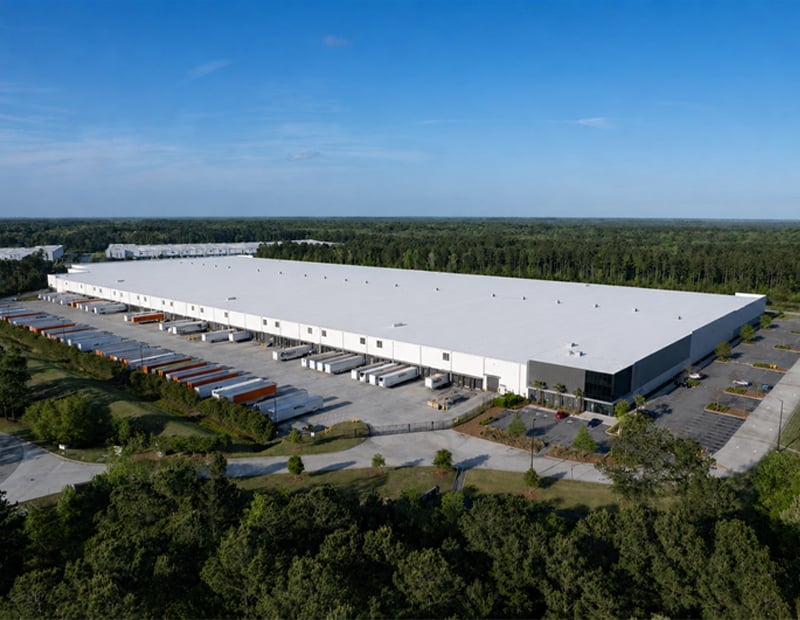
Industrial was the post-pandemic star. Today, it is impacted by tariffs. What trends in logistics are you watching closely?
Acton: The industrial sector faces near-term softness due to tariff uncertainty and supply chain challenges, but long-term fundamentals remain solid, supported by sustainable e-commerce growth, just-in-case inventorying and domestic manufacturing incentives. Trends we are watching include labor constraints, construction slowdowns and the impact of trade policy on port markets. While we expect rent growth will be more modest in the near term, longer-term rent growth expectations remain positive.
Meanwhile, retail has seen selective recovery. Besides grocery-anchored properties, where do you see strength in this sector, and which segments are still facing headwinds?
Acton: Retail fundamentals remain tight, with historically low vacancy rates and rapid releasing of vacated spaces, indicating resilience. Strength is evident in necessity-based and off-priced retail, which are better positioned to weather economic uncertainty and inflation.
Segments facing headwinds include lifestyle centers and malls, which are more exposed to discretionary spending and many have seen increased bankruptcies and store closures. The sector’s outlook is supported by low new supply and favorable demographic trends, but caution is warranted given consumer debt and inflation risks.
Debt maturities remain a concern across CRE. Which property sectors are most vulnerable to refinancing pressures, and how are investors adapting?
Acton: Office remains the most vulnerable sector, with double-digit CMBS delinquency rates and a high percentage of loans in special servicing. Financing is constrained and lenders are reducing office exposure, while opportunistic buyers seek outsized returns. Other sectors, such as retail, face refinancing challenges but benefit from stronger fundamentals. Investors are adapting by focusing on stabilized assets, seeking refinancing opportunities and leveraging increased liquidity in sectors with solid fundamentals.
READ ALSO: What’s Driving Corporate Office Moves
Are secondary and tertiary markets presenting more opportunities today, or is capital still concentrated in primary markets?
Acton: While primary markets continue to attract aggressive bidding for high-quality assets, portfolio offerings and liquidity have increased in secondary markets, especially where fundamentals are strong and supply is limited. The search for yield and risk-adjusted returns is driving more capital to secondary and tertiary markets, but the most competitive activity remains in primary metros with the right operators.
Over the past few years, investor sentiment has shifted across sectors. Do you see this as an attractive entry point in any of the core property types?
Acton: Current conditions present attractive entry points, particularly in sectors which are benefiting from strong fundamentals, limited supply and demographic tailwinds. Values appear to have bottomed in several other sectors and increased liquidity is supporting transaction activity. Investors should focus on assets with solid income growth prospects and prudent management, as property income growth will be the primary driver of future value creation.
We’ve recently seen the first interest rate reduction in months. How do you expect capital spending and deal activity to evolve through the end of 2025 and into 2026?
Acton: The recent rate cut is expected to support improved liquidity and transaction volumes, especially for stabilized and value-driven assets. While spreads have narrowed and lending appetite has returned, uncertainty around tariffs and economic policy may continue to temper the pace of improvement. Deal activity should continue to build, with more buyers comfortable at reset values, but the pace will depend on broader economic and policy developments.
For investors considering new CRE exposure, what’s your best advice on timing and strategy?
Acton: This is one of the most attractive times in recent memory to deploy new capital into commercial real estate, especially in sectors with strong fundamentals and limited new supply. Values across most property types are below estimated replacement cost, and transaction liquidity is improving as more buyers and lenders become comfortable with risk-adjusted returns at reset values.
We generally advise to focus less on picking the ‘right’ sector or market and more on selecting the right asset and growing its income through prudent asset and property management. With muted prospects for yield compression, property income growth will be the primary driver of future value creation. Investors should prioritize assets with resilient demand, stable cash flows and the potential for operational improvements, while maintaining discipline in underwriting and risk management.



You must be logged in to post a comment.