

Philadelphia Office Sales Stay Low, Pipeline Stays Thin
See how all the market fundamentals are faring, according to Yardi Matrix.
Philadelphia’s office sector entered into 2026 without fully finding its footing and city leaders spent much of 2025 trying to shape the next phase of downtown recovery. Instead of waiting for a big leasing comeback, the city rolled out the Market East Revival program, meant to reposition the corridor between Center City and Old City. The goal is to line up planning and investment priorities so redevelopment is easier to execute—and more underused buildings have a clearer path to reuse.
Philly ranked among the markets with the lowest under-construction pipelines and investment volumes in the first four months of this year, according to Yardi Matrix data. Office sales totaled only $174 million in the metro, with assets trading at prices well below the national average.
Philadelphia office construction pipeline still light
Philadelphia’s office sector had 547,665 square feet underway in April, accounting for 0.3 percent of its total stock, 10 basis points below the U.S. figure. Most peer metros fared better, including Austin, Texas (1 percent), Dallas (0.9 percent) and New Jersey (0.5 percent). No office building came online in the first four months of the year.
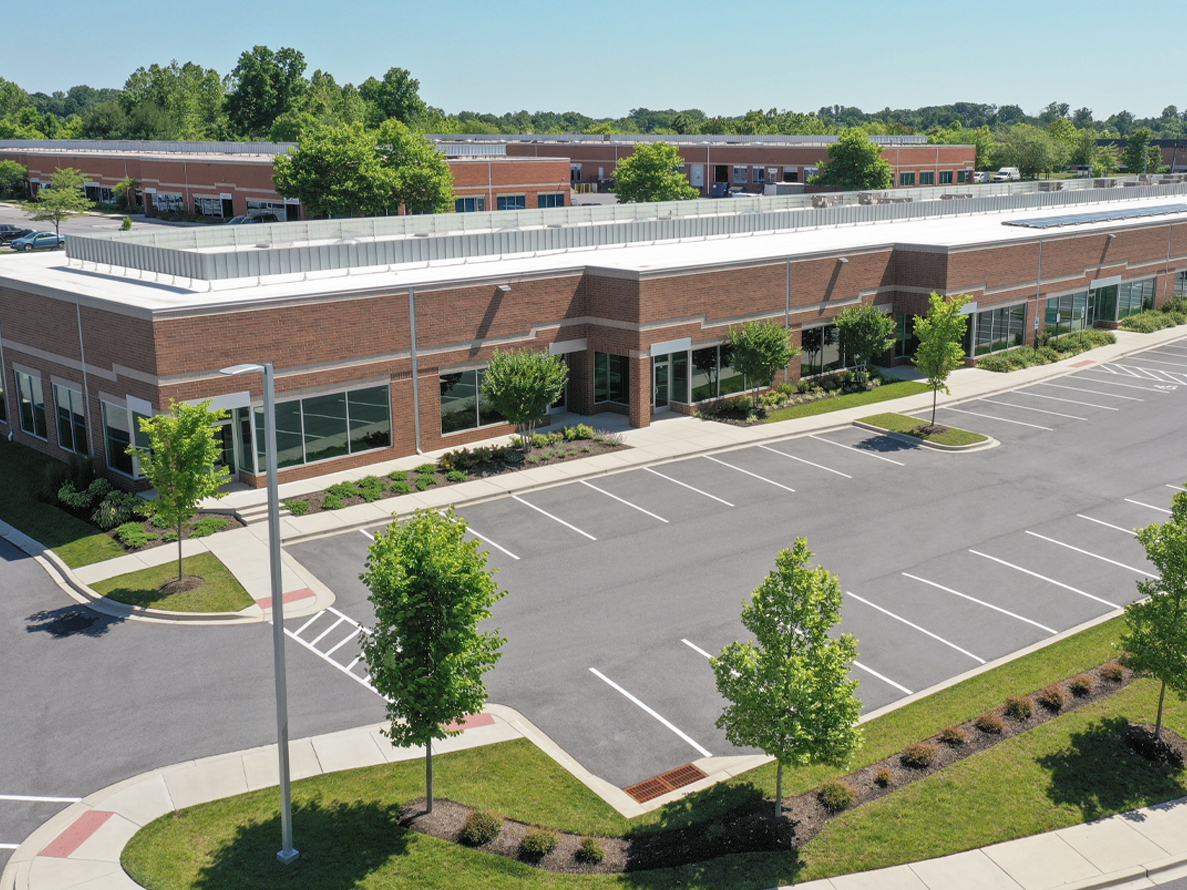
When also taking into account projects in planning stages, the market’s figure rose to 1.4 percent, still slightly below the 1.5 percent national average. Among similar markets, Philadelphia surpassed Houston (1.1 percent) and New Jersey (0.8 percent).
One of the planned projects is St. John Properties’ Middletown Exchange, a 75-acre mixed-use campus in Middletown, Del. The master plan is set to include 225,000 square feet of flex, R&D and retail space, along with 450 apartments.
Philly sales volume among the lowest nationally
Philadelphia’s office sales amounted to $174 million in the first four months of the year, reflecting broader office real estate trends across slower-moving gateway markets. The figure was one of the lowest among the top 30 U.S. markets and the smallest in the peer set. Dallas ($1.1 billion), Houston ($752 million) and Austin ($401 million) were at the opposite pole.
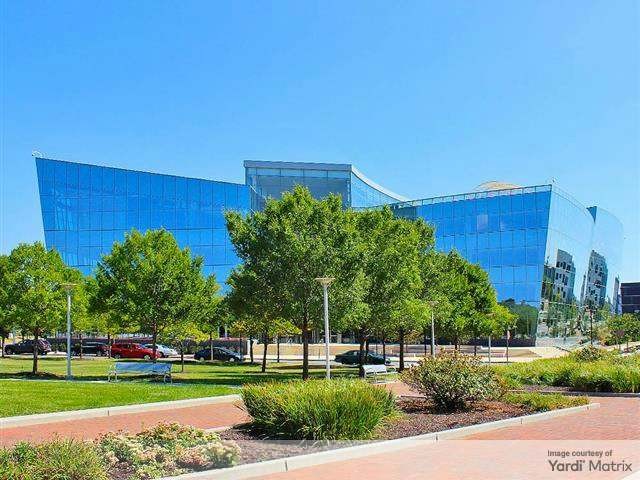
Philadelphia office space traded for $134 per square foot on average, well below the $214 national threshold. New Jersey ($125 per square foot) and Denver ($86 per square foot) properties sold for less, while buildings in Austin ($188 per square foot) and Houston ($159 per square foot) changed hands at higher prices. Manhattan ($712 per square foot) lead nationally.
At the beginning of the year, Eastern Atlantic States Regional Council of Carpenters acquired Five Crescent Drive, a 216,338-square-foot office building in Philadelphia, out of receivership. The company paid $52.5 million for the vacant property, planning to relocate its headquarters and two training centers to the new location. The asset previously traded in 2018 for $130.5 million.
Vacancy improves, still above the U.S. figure
Philadelphia office space had an average vacancy rate at the end of April that clocked in at 18.4 percent. The index dropped 80 basis points over the year, but still remained above the 17.6 percent national average.
Among peer metros, Atlanta (18.6 percent), Dallas (20.7 percent) and Austin (24.9 percent) had more available space, while New Jersey (16.1 percent) fared better.
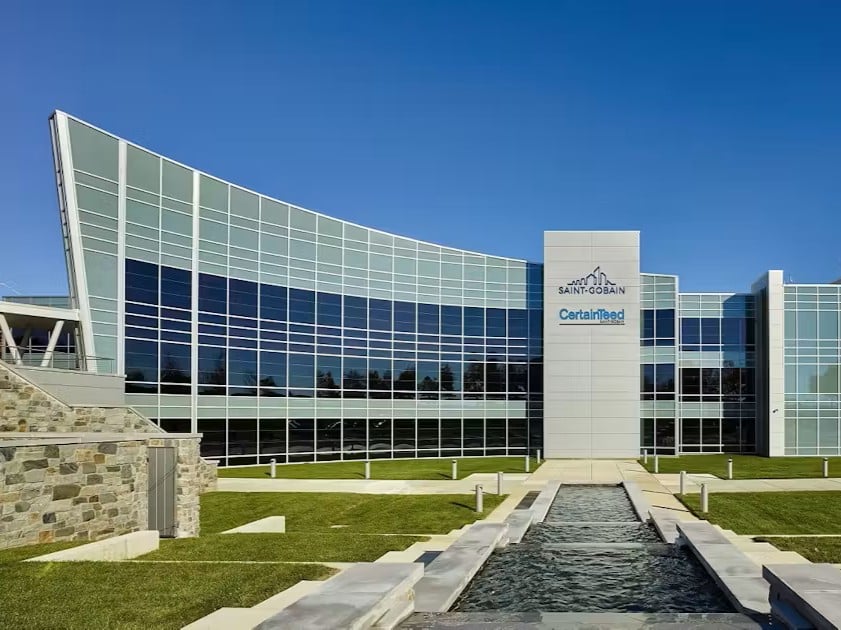
In February, Saint-Gobain extended its long-term commitment to 321,000 square feet in Malvern, Pa., for nearly two more decades. The company will continue to use the space at the LEED Platinum-certified property as its North American headquarters.
Philadelphia’s asking rates averaged $30.76 in April, down 30 basis points year-over-year. The figure was also lower than the $32.91 national average and most peer metros.
Shared space footprint holds steady
Philadelphia’s coworking footprint reached 3.7 million square feet at the end of April, placing the metro in the middle of the peer group, according to CoworkingCafe. Austin (2.1 million square feet) had smaller inventories, while Atlanta (5.8 million square feet) and Dallas (6.8 million square feet) were well ahead.
Flex office space accounted for 1.9 percent of Philadelphia’s total leasable inventory—about 40 basis points below the 2.3 percent national average. Nationally, Miami led with a 4.2 percent coworking share.
Regus remained the metro’s largest provider, with 668,201 square feet across 36 locations. WeWork (132,388 square feet) and Industrious (122,774 square feet) rounded out the top three.



You must be logged in to post a comment.