
Let’s Get Real: The Bigger Risk Is Being Too Cautious
Kidder Mathews’ Michael Dupuy reflects on building trusted partnerships, developing a team and deciding when an opportunity is worth the leap.
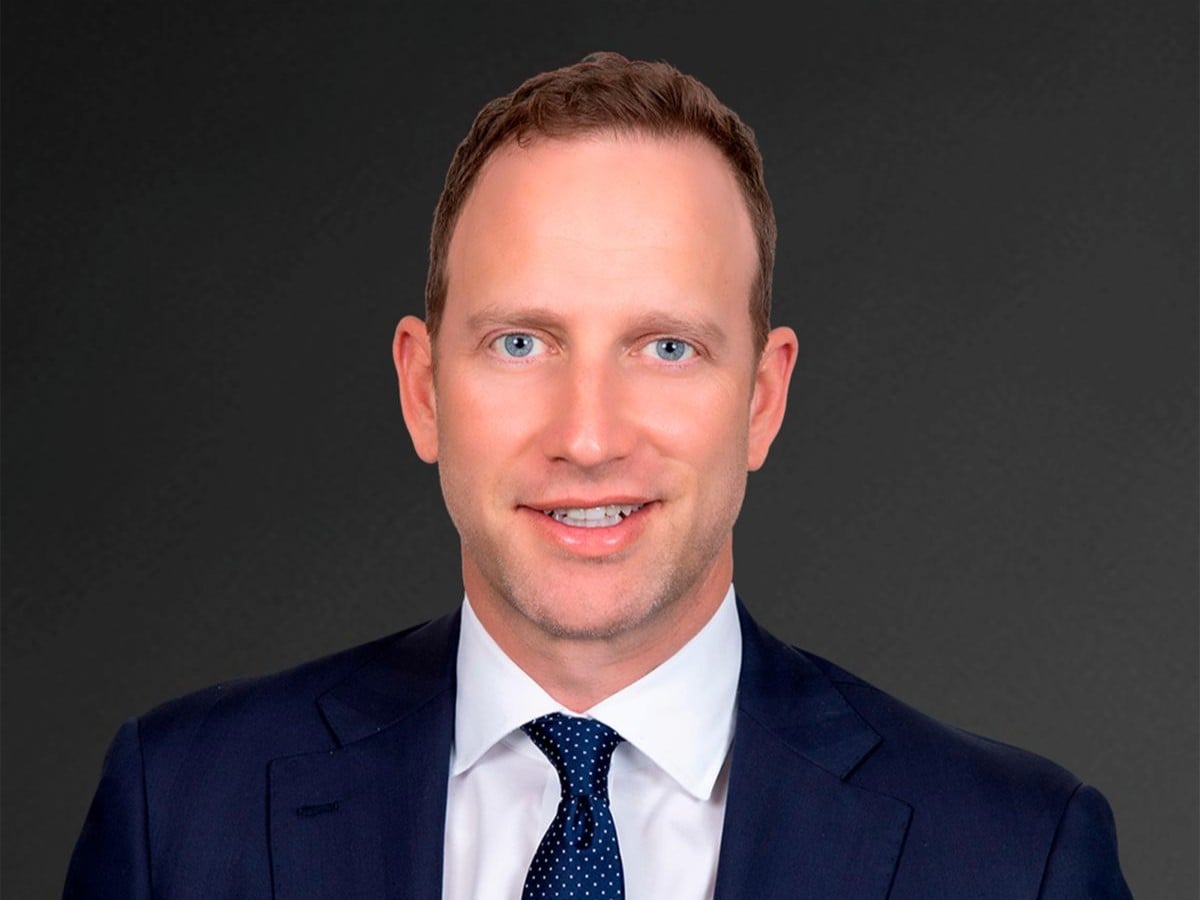
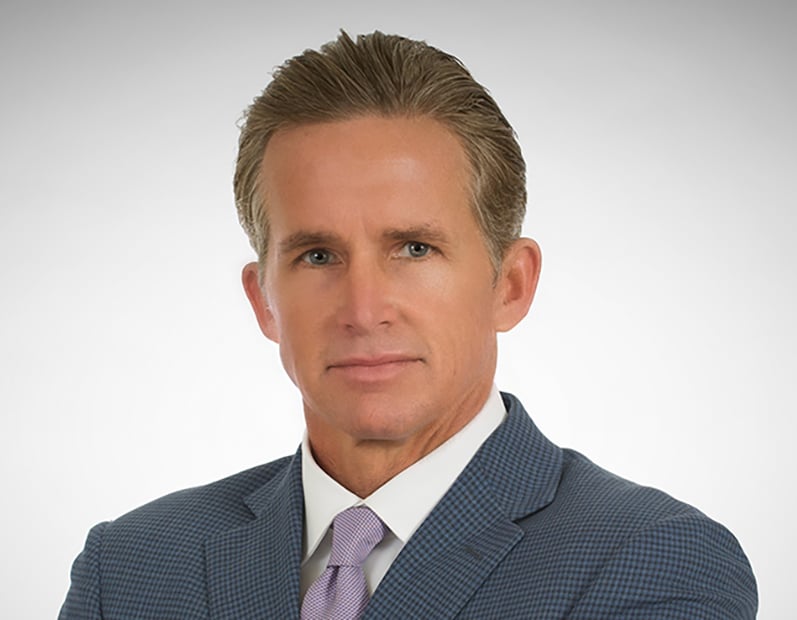
Michael Dupuy’s account of his career so far is refreshingly candid. He credits the people who invested in him and takes pride in the teams he’s helped build. But he’s equally open about the risks he wishes he’d taken, and how being too cautious can mean letting an opportunity pass.
Dupuy began his career in 2005, working in development before moving into real estate brokerage. Today, he serves as executive vice president on Kidder Mathews’ health-care team in Phoenix.
In this installment of our monthly Let’s Get Real interview series, he reflects on choosing the right partners and creating room for others to grow. After more than two decades in the industry, here’s the advice he’d give to someone just starting out.
FROM THE SAME SERIES: Chasing the Last Dollar Never Ends Well
Give us the 60-second version of your professional journey. How did you get from where you started to where you are today?
Dupuy: The 60-second version is pretty simple. I was exposed to commercial real estate at a fairly young age through people in my life who were in the business. I liked them. They were smart, approachable, successful and seemed to have their lives together. From the outside, it looked like an attractive career.
Coming out of college, I joined Plaza Cos., which was heavily focused on medical office development. They invested a tremendous amount of time and energy in me and I was fortunate to learn the business from some very good people. From there, I’ve just tried to keep progressing, get a little better, learn a little more, take on more responsibility and keep moving forward. You do that consistently over a long period of time and, eventually, you look up and realize you’ve built a career.
Speaking of building a career, what’s the one decision that had a significant impact on your professional journey?
Dupuy: One of the most important decisions in my career has been choosing the right people to build with. I know I have strengths, but I also know I have weaknesses. Finding business partners who complement those strengths and weaknesses has been critical. The best partnerships aren’t about finding people who think exactly like you. They’re about finding people who bring something different to the table and who you trust.
And I’d include my wife in that. She’s been incredibly important to my career. She’s given me the support and stability that allowed me to work hard, take risks, and put the time into building something over a long period of time. So when I look back, I’d say one of the biggest things I got right was choosing the right people, both professionally and personally.
What accomplishment are you most proud of? Why does that particular one stand out?
Dupuy: I’m probably most proud of the team we’ve built. We’ve surrounded ourselves with hardworking, talented, thoughtful people who respect one another and genuinely enjoy being together. That matters to me.
I’ve always wanted to create an environment where people look forward to being part of the team, where they don’t dread coming into the office, where they have room to grow, take on more responsibility and build something for themselves. Not that I’m leaving tomorrow, but I really believe the future is theirs. If we’ve created the right environment and given them the right opportunities, then they should be able to take it further than we did.
READ ALSO: Where CRE Leaders Miss the Mark on Team Leadership
What did you learn about building a team where people with different strengths can succeed together?
Dupuy: One of the things I got right was being willing to invest in coaching and learning how people work. That was eye-opening for me. It helped me understand my own strengths and weaknesses but, more importantly, it helped me communicate with people who are wired differently than I am. I learned that not everyone is motivated by the same things, responds to the same style or sees an opportunity the same way.
In retrospect, that made me much better at choosing the right people, building stronger partnerships and creating an environment where different personalities can succeed together. That experience has probably had a bigger impact on my career than I realized at the time.
You’ve talked about what you’re most proud of, but is there a deal or career decision you would handle differently today?
Dupuy: There are several decisions I’d handle differently but, broadly, I probably should have taken more risk. Looking back, I think I underestimated the value of being willing to bet on yourself early in a career. If you know you’re going to work hard, act with integrity and respond well when things get difficult, then you can recover from a lot.
So, I think I would have been a little less conservative. Not reckless, just more willing to take calculated risks when the opportunity was right. In some cases, the bigger risk is probably being too cautious and letting the opportunity pass.
How has that experience changed the way you assess opportunities today?
Dupuy: I’ve learned that it’s difficult to time things perfectly. You’re probably never going to have all the information and there’s rarely a moment when an opportunity feels completely risk-free. What you can control is whether you’re willing to learn, be coachable, work hard and take appropriate risks when opportunities present themselves.
So today, I probably spend less time trying to predict exactly how something is going to turn out and more time asking: Is this a good opportunity? Am I capable of figuring it out? And if it gets difficult, am I willing to do the work? If the answers are yes, I’m much more comfortable moving forward.
READ ALSO: CPE’s Rising Stars Are Leading the Way
After over two decades in commercial real estate, what patterns or red flags stand out to you more now than earlier in your career?
Dupuy: One thing I’ve become more skeptical of is the overly aggressive salesperson, whether that’s a broker, developer, investor or anyone else in the business. Real estate attracts ambitious people because there’s an opportunity to make a lot of money, but I’ve learned to be cautious when the money seems to be the primary motivation.
I’ve always liked the saying: ‘Speak softly and carry a big stick.’ The people I tend to respect most are confident without needing to constantly advertise it. They understand the fundamentals, they know their market and they value relationships.
I think if you let market fundamentals, good judgment and long-term relationships guide your decisions, financial success usually follows. If you’re focused only on the pot of gold at the end of the rainbow, you’re much more likely to make bad decisions along the way.
If you could give one piece of advice to someone who’s just starting their commercial real estate career, what would it be?
Dupuy: I’d tell someone starting out to reverse-engineer their career. Think about where you ultimately want to be, not just professionally, but what you want your life to look like. What kind of work do you want to do? What kind of lifestyle do you want? Then work backward and think about the steps, skills, relationships and experiences you’re going to need to get there.
I also think you must periodically reevaluate that. Not every week or every month, but maybe once a year. Ask yourself whether you’re still headed in the right direction and whether the goal itself is still the right one. There are going to be difficult years. There may even be long stretches where things don’t go the way you planned. That doesn’t necessarily mean you’re on the wrong path.
But having a destination in mind gives you something to navigate toward. And when circumstances change, you can adjust the route without losing sight of where you’re trying to go.

You must be logged in to post a comment.