
Inside Industrial: Why Small-Bay Demands Discipline
BKM Capital Partners’ Brett Turner joins CPE’s Diana Firtea to explain why tight supply and operating intensity continue to set small-bay industrial apart.
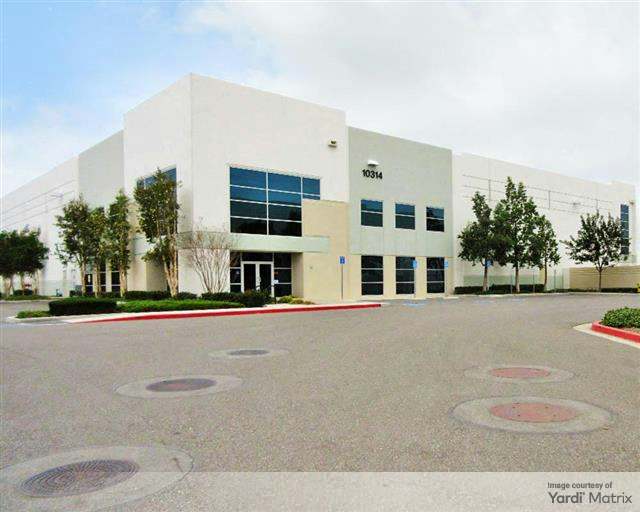
Small-bay industrial continues to post tighter fundamentals than larger warehouse formats. Buildings under 100,000 square feet recorded an average vacancy rate of 4.9 percent in the fourth quarter of 2025, about half the rate for larger facilities, according to BKM Capital Partners’ latest Light Industrial Market Update. Spaces under 50,000 square feet also accounted for 80 percent of industrial leasing activity during the quarter.
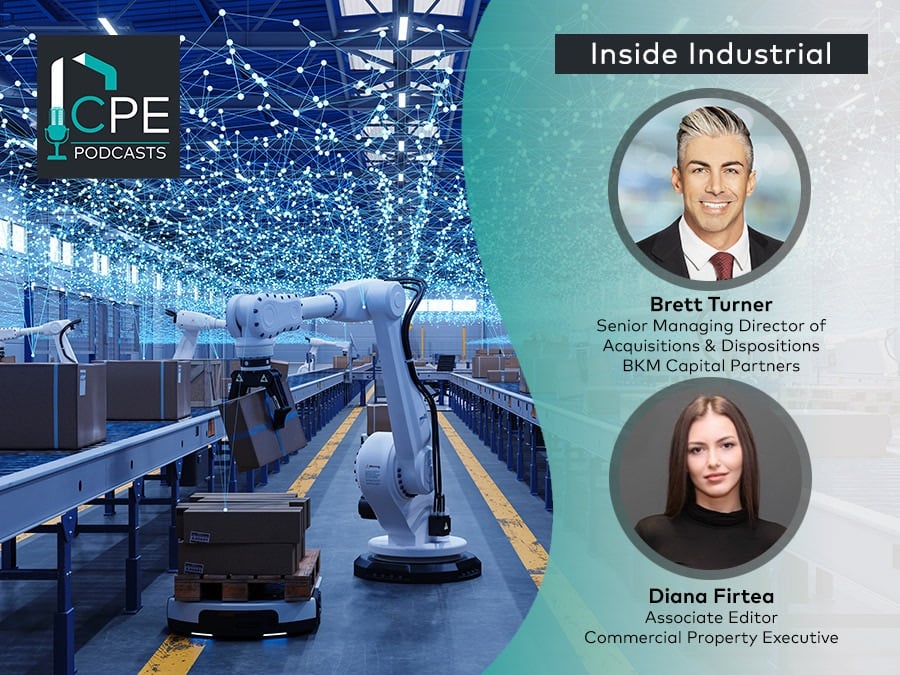
In the fourth episode of Inside Industrial, Brett Turner, senior managing director of acquisitions & dispositions at BKM Capital Partners, joined CPE’s Diana Firtea to discuss what is driving that divide, how automation and advanced manufacturing are changing tenant demand and why success in small-bay depends on more than access to capital.
LISTEN TO: Sustainability Street Podcast: Is Nuclear Energy the Answer?
Turner said small-bay differs from big-box industrial because supply remains limited and many tenants are established businesses tied to domestic demand. Automation, data centers and advanced manufacturing are also supporting demand for flexible, smaller spaces.
Operating those portfolios is labor-intensive. BKM expects to complete about 1,000 leases this year, which Turner said gives experienced operators an advantage as institutional capital enters the segment. He also stressed the need to remain disciplined on basis, particularly as high construction costs make new development difficult to justify.
Here’s a summary of the discussion:
- (01:15) Where the broader industrial narrative misses the divide between small-bay and larger warehouses
- (03:43) What investors misunderstand about small-bay tenants and multigenerational businesses
- (05:24) How power, automation and advanced manufacturing are affecting light industrial
- (09:28) What tight vacancy, leasing demand and rent premiums reveal about tenant priorities
- (11:23) The structural trends that support long-term investment conviction
- (13:32) Why operational intensity separates experienced operators from newer entrants
- (16:27) How capital improvements can reposition older light industrial properties
- (18:25) Why new development remains difficult and where divided big-box space creates competition
- (21:43) Why institutional capital must be paired with operating expertise
Follow, rate and review CPE’s podcasts on Spotify and Apple Podcasts and don’t forget to subscribe to CPE’s YouTube channel!
Music credit: Meeting with the Sun via stocktune.com



You must be logged in to post a comment.