


Trade Turbulence Pressures Ports as Industrial Rents Climb, Vacancy Rises
Container volatility and tariff uncertainty are reshaping port dynamics and influencing the sector, according to Yardi Matrix data.
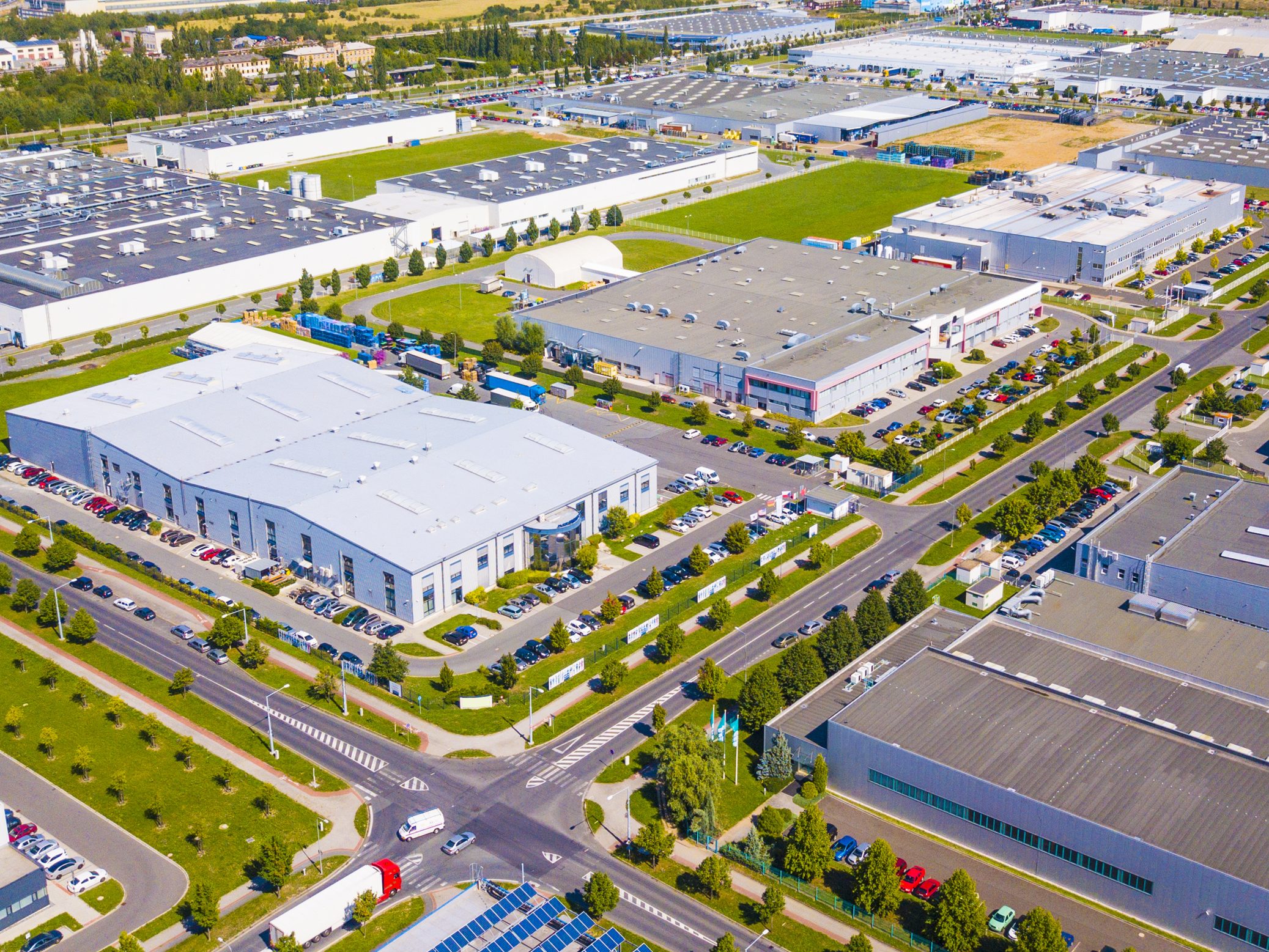
Trade policy uncertainty is once again influencing industrial real estate, this time through mounting pressure at U.S. ports. The February 2026 Yardi Matrix Industrial National Report highlights declining container volumes in 2025, driven in part by shifting tariff proposals and legal challenges that disrupted long-term planning. Proposed one hundred percent tariffs on Chinese-made port cranes were postponed, yet the uncertainty surrounding modernization efforts remains significant.
For an industrial sector closely tied to global trade flows, port disruption adds complexity at a moment when market fundamentals are already recalibrating. Demand remains present but measured, while industrial deliveries during the recent expansion cycle continue to move through the system. The result is a market defined less by rapid growth and more by normalization—where pricing power is selective and vacancy trends are rising toward pre-pandemic levels.
Rent growth moderates as vacancy approaches ten percent
National in-place industrial rents averaged $8.94 per square foot in January, increasing 7 cents month over month and 5.1 percent year over year. Growth leaders included Atlanta at 8.0 percent annually, followed by Miami and Tampa at 7.4 percent and Philadelphia at 6.8 percent.
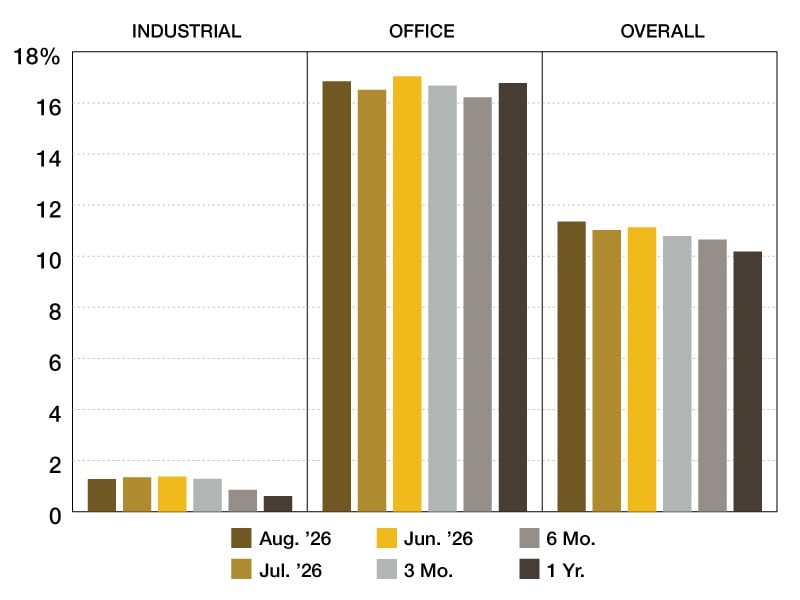
At the same time, vacancy reached 9.6 percent nationally, up 160 basis points over the past twelve months. Leases signed during the previous year averaged $10.07 per square foot, narrowing the premium over in-place rents to $1.13. That compression reflects a market where tenants have gained negotiating leverage as supply additions outpace incremental demand.
READ ALSO: Top Markets for Industrial Development in 2025
Data centers drive pipeline concentration while sales open strong
Industrial construction totaled 355.7 million square feet nationally in January, equal to 1.7 percent of existing stock. A notable share of recent development is tied to data center projects linked to artificial intelligence infrastructure. In 2025 alone, data center starts reached 30.8 million square feet, with Washington, D.C. (6.1 million square feet), Dallas (3.2 million square feet), Phoenix (2.9 million square feet), Atlanta (2.8 million square feet) and Columbus (2.6 million square feet) accounting for more than half of that volume.
Investment activity began the year at a steady pace, with $4.1 billion in industrial properties trading in January at an average of $166 per square foot. Los Angeles recorded $356 million across 12 transactions, while pricing in the Bay Area ($391) and New Jersey ($252) exceeded the national average. Chicago ($68) and Cleveland ($62) remained among the lower-priced markets.
Read the full Yardi Matrix report.

You must be logged in to post a comment.