

ICSC Special Report: Opportunities in an Evolving Market
Some retail experts view the economic uncertainty as a blessing for the sector, not a curse.
If you thought that inflation, economic uncertainty, recent big-box bankruptcies and a prohibitively difficult development environment would cause retail stakeholders to become pessimistic about their properties and prospects, you’d be wrong.
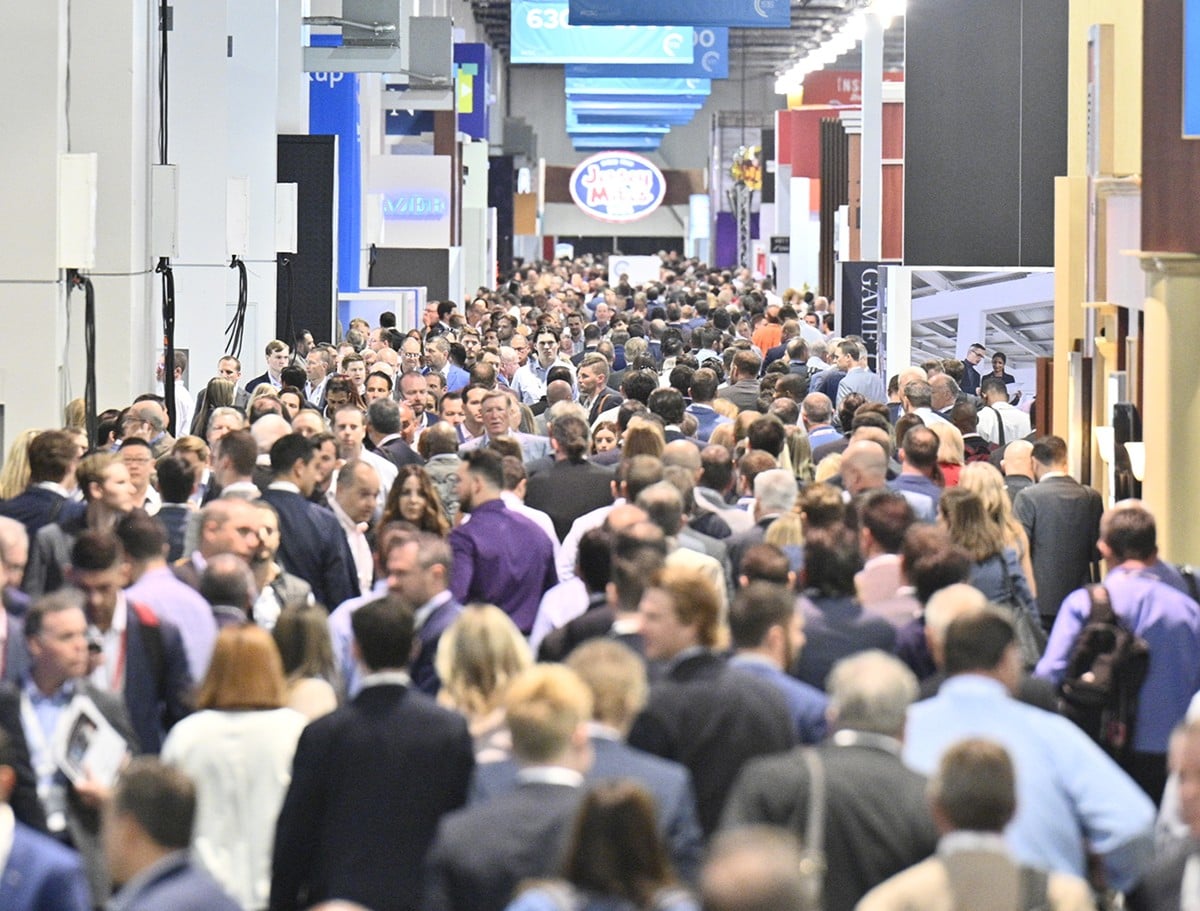
At ICSC’s 2026 Las Vegas conference, retail experts from across the industry struck a broadly optimistic tone in conversations with Commercial Property Executive, holding viewpoints that were no doubt buoyed by a metamorphosis of consumer preferences and shifting tenant demand.
Leasing: who, where and why
Retail investors remain ever hungrier for expansion, with JLL reporting more than $15 billion worth of transactions in the first quarter of 2026, the highest figure in three years. According to the same source, institutional investors represent 24 percent of multi-tenant retail sales on a year-over-year basis, a figure that’s at its highest in nearly a decade.
In a press conference at the event, research experts from the firm further contextualized the data, and provided some insights on what’s driving the most leasing activity. Restaurants, discount stores and groceries accounted for most announced store openings, while accessory shops such as GameStop and Francesca’s saw a steep climb in closings.
According to JLL president of retail advisory services Naveen Jaggi, this split is not by accident. With consumer sentiments at their lowest in nearly four years, shoppers are prioritizing practicality and necessity in their day-to-day retail visits. “The rise in inflation has had a noticeable effect,” Jaggi said at the conference.
READ ALSO: ICSC Special Report: Short-Term Holds, Long-Term Visions
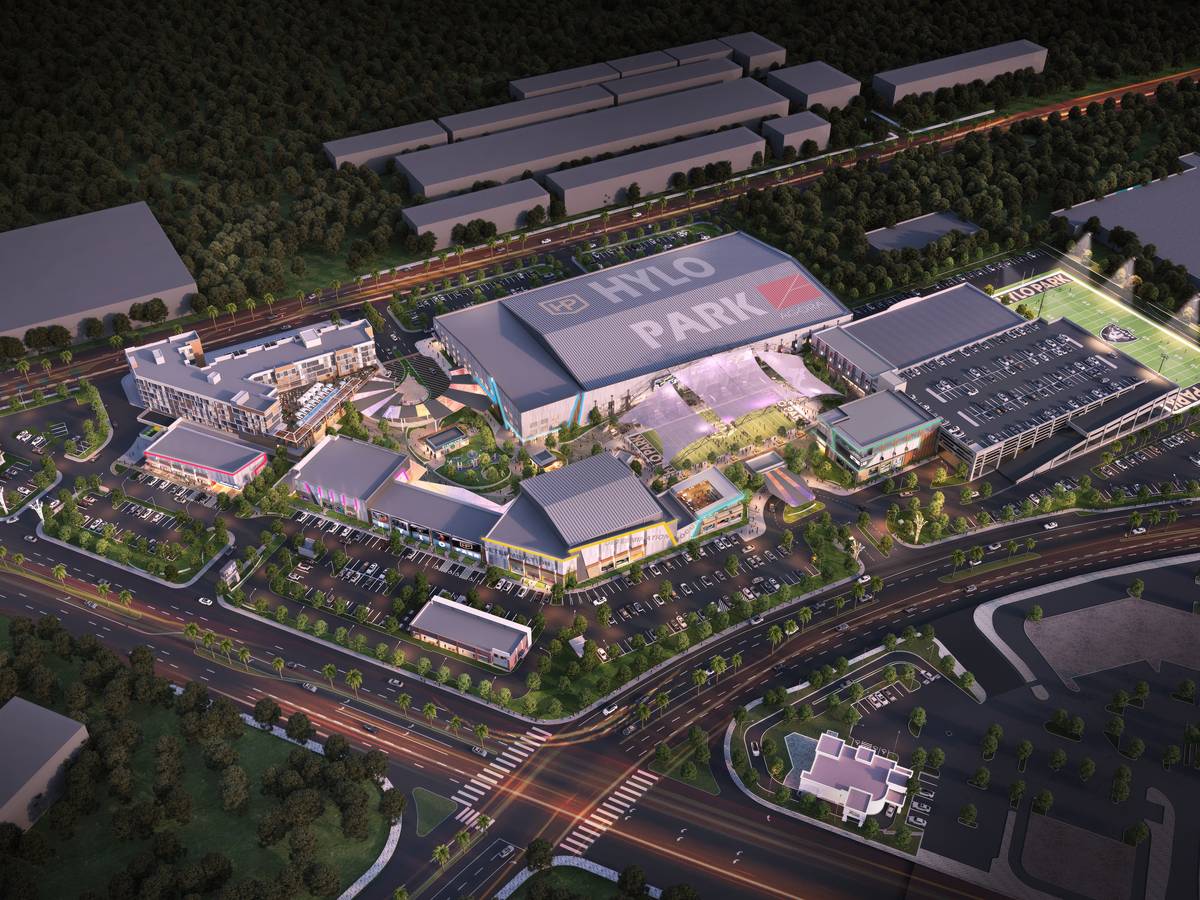
At the same time, property owners should also pay more attention to unconventional occupiers like medical offices and entertainment venues, with the latter–alongside grocery stores–growing to occupy spaces that were formerly home to the likes of Big Lots and Bed Bath & Beyond.
“These will be our two biggest users in the next ten years,” said Chris Gerard, senior managing director of retail at JLL. “Everyone wants their entry point into the sector to be grocery-anchored,” he added.
Paradoxically, it’s this prominent degree of economic dislocation that’s further contributing to the luxury sector’s long-term stability. “There’s often a disconnect between how you spend and how you feel,” Jaggi noted. “I’ll tell you the economy is terrible, but then I’ll go out and buy a Range Rover.”
Value in the uncertainty
A certain degree of economic dislocation and uncertainty are actually positioning retail as a strong investment, especially amid a larger investor flight to safer, downturn-resilient asset classes.
“People are beginning to understand that the value lies in the dynamics,” Bryn Feller, senior vice president and managing director of Northmarq’s Chicago office, told CPE. “This is the era of execution without clarity, and people are just coming to the conclusion that you have to transact and move,” she added.
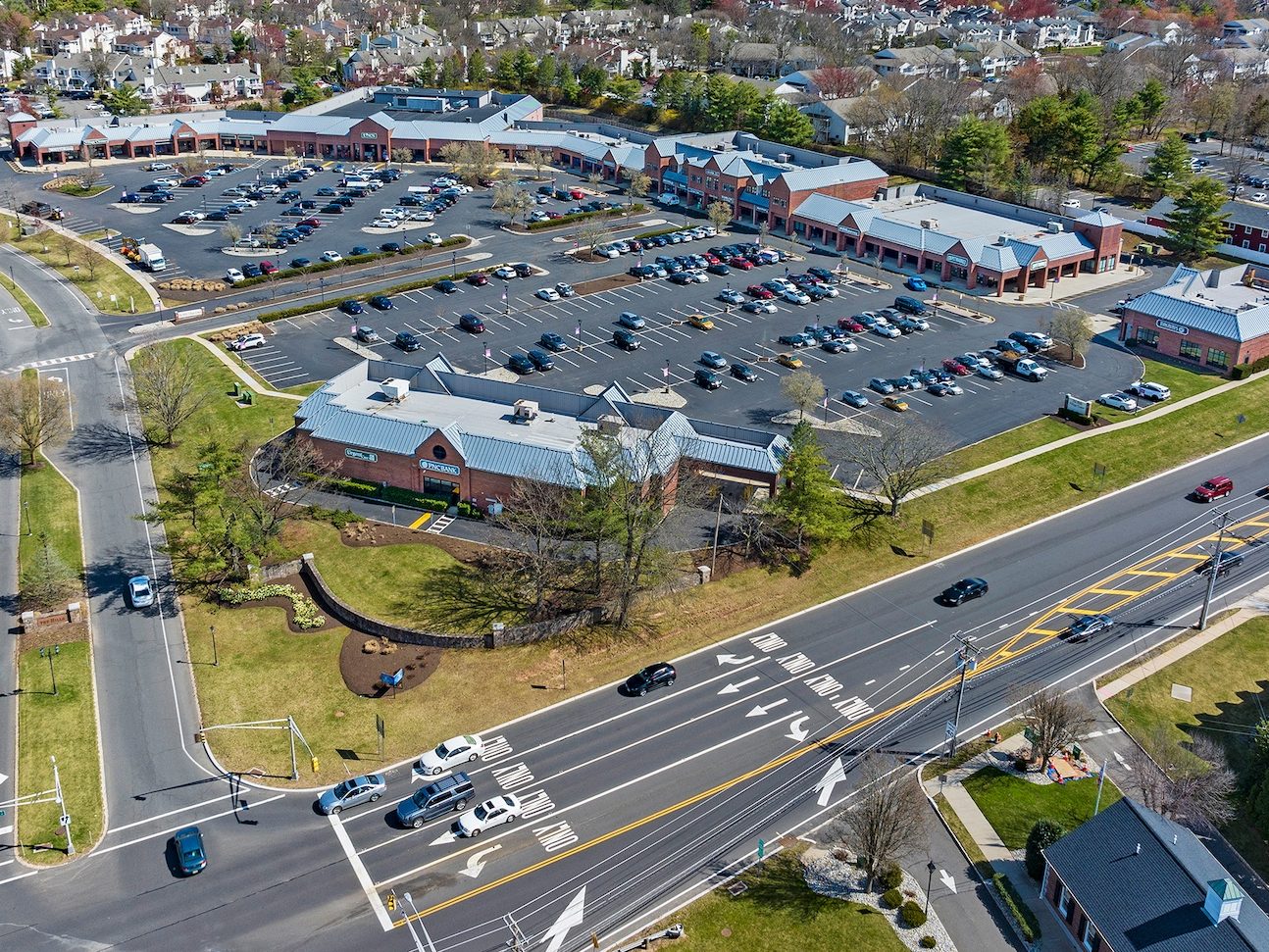
There’s also an increasing number of locations where investors can find some value outside the grocery-anchored and free-standing spaces. Brandon Isner, Newmark’s head of U.S. retail research, believes that unanchored strip centers and even shopping malls have their own value propositions, provided that the new owners are willing to revamp them in some way.
This can happen either through getting creative with the tenant mix or reactivating underutilized spaces like parking lots. Isner has even seen some owners demolishing spaces outright or converting them to multifamily. “A fresh coat of paint can go a long way, and that land is always going to be quite valuable,” Isner said.

You must be logged in to post a comment.