

How Chicago’s Character-Rich Offices Are Winning Creative Tenants
Landlords are repositioning historic buildings to attract firms seeking identity, flexibility and a workplace experience worth showing up for.
This article first appeared in the CPE Sneak Peek Newsletter. Subscribe now for early access to exclusive content, in-depth analysis and key trends!
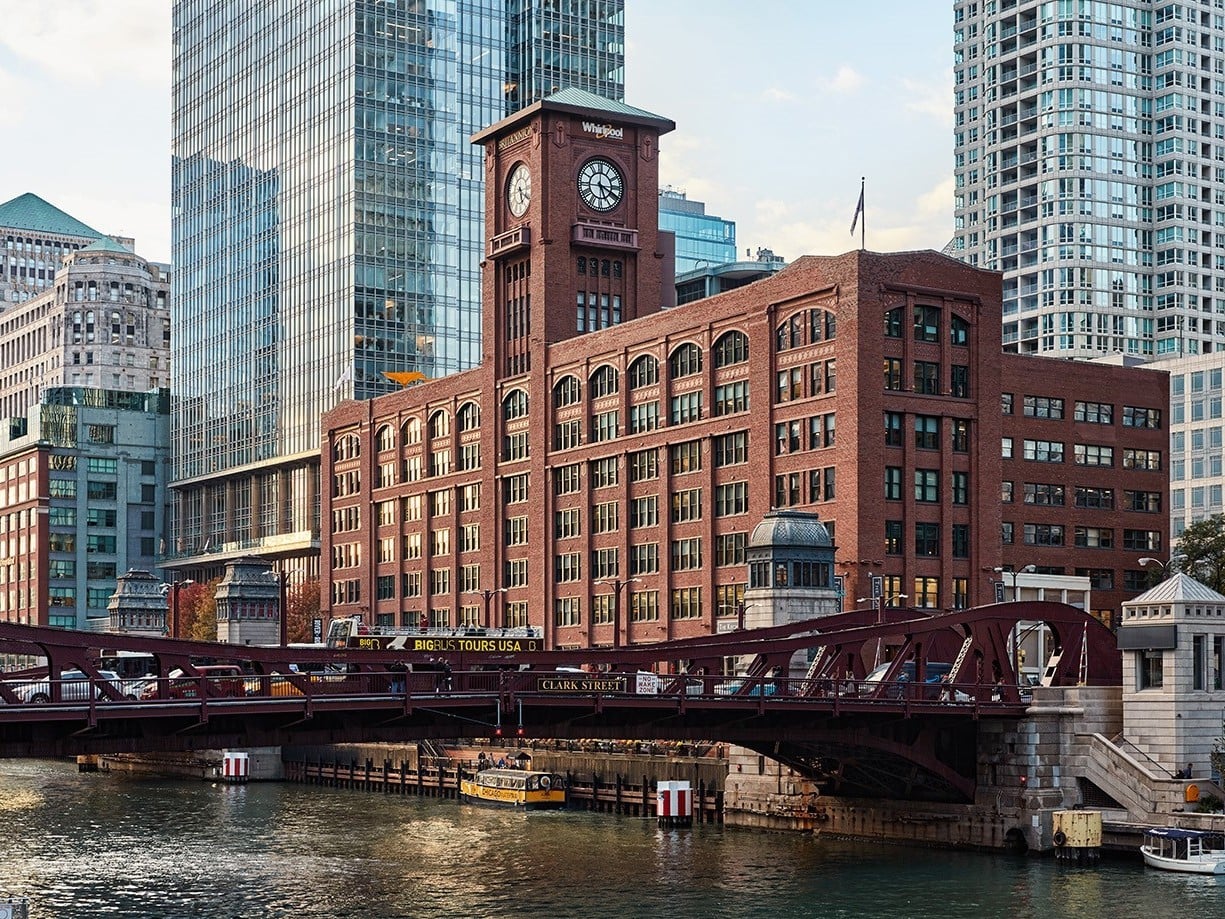
As companies continue to reassess how much office space they need and what role the workplace plays in their operations, the competition for tenants is moving beyond location, rent and square footage. Increasingly, landlords are being pushed to offer something less easily replicated: a sense of place.
That shift has moved the office conversation beyond trophy-tower amenities toward experience, identity and design. For tenants in creative fields, buildings with distinctive architectures and memorable stories can become part of their own brand.
Chicago is a strong example of that dynamic. The city has one of the country’s largest inventories of historic office buildings, while new development remains limited. At the end of April, the city’s office sector had only 202,568 square feet under construction, according to Yardi Matrix data, one of the smallest pipelines among the top 30 U.S. metros. Office deliveries totaled 386,928 rentable square feet and accounted for just 0.1 percent of the market’s total stock.
With relatively little new supply entering the market, many investors and developers are looking inward, repositioning existing properties for modern occupiers. Across the metro, owners of landmark assets have pursued that strategy in different ways.
Vornado Realty Trust has continued to modernize The Mart, a 1930-built, 4.2 million-square-foot riverfront property, into a hub for the design industry. The Civic Opera Building, owned by Berkley Properties, combines modern office space with one of the city’s most recognizable architectural landmarks and attracted Workbox to open its largest U.S. location within the space. The historic Montgomery Ward Complex was also preserved and redeveloped for contemporary workplace needs, drawing branding and design firm VSA Partners to establish its headquarters in the 1907-built property.
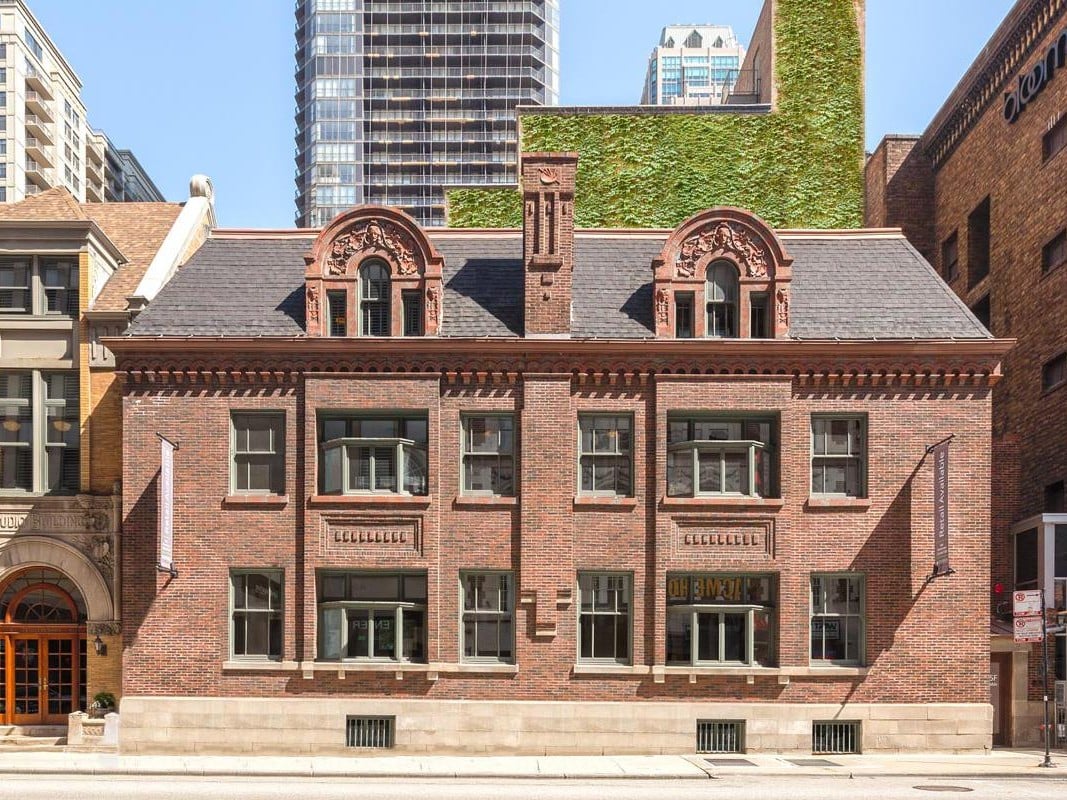
In River North, Friedman Properties is applying a similar philosophy across a portfolio of historic assets that includes Tree Studios, the Reid Murdoch Building, Medinah Temple and Court House Place. Rather than treating preservation and modernization as competing goals, the company has sought to layer modern amenities into buildings whose appeal is rooted in architectural charm.
The company’s adaptive-reuse portfolio blends office, retail, residential, dining and hospitality space, creating a mix that would be difficult to reproduce through new construction. But Friedman Properties’ broader vision remains consistent: preserving architectural character while adapting it for the needs of today’s office tenants.
“For vintage office buildings like Tree Studios and the Reid Murdoch Building, creative tenants are attracted to the potential for inspiration,” said Warren Strovel, executive vice president of operations at Friedman Properties. “These buildings offer textures, proportions, unbelievable craftsmanship and unique details that new construction, even under the best replication efforts, can’t fully achieve.”
That inspiration matters at a time when employers are asking the office to do more than house desks. For many tenants, particularly those in creative fields, the workplace is expected to reinforce identity, support collaboration and provide an experience worth the commute.
“There’s a clear shift toward more dynamic, experience-driven workplaces,” added Strovel. Creative firms, he noted, are increasingly seeking environments that offer a variety of settings beyond traditional desk layouts, as companies place greater emphasis on the quality of the workplace experience.
LISTEN TO: Step Into My Office Podcast: Friedman Properties’ Reposition, Reimagine, Rebuild Strategy
Why character sells
The appeal of a historic building goes beyond age or aesthetics. At its best, character supports how a company works, reflects its identity and strengthens the experience it offers employees and clients.
That was central to Craig & Co.’s decision to occupy space at Tree Studios. Originally developed as an artists’ studio complex, the landmark building is known for its large windows, north-facing skylights, double-height spaces and courtyard setting, all features that were designed to maximize natural light for creative work. The architecture and interior design firm uses its four connected spaces as design studios, a resource library and a principal’s office with conference space.
“The character of the space—its heritage, details, quality, materials, light, patina—there is nothing better than seeing sunlight on beautiful, vintage waxed wood,” said the firm’s principal & founder, Joan Craig.
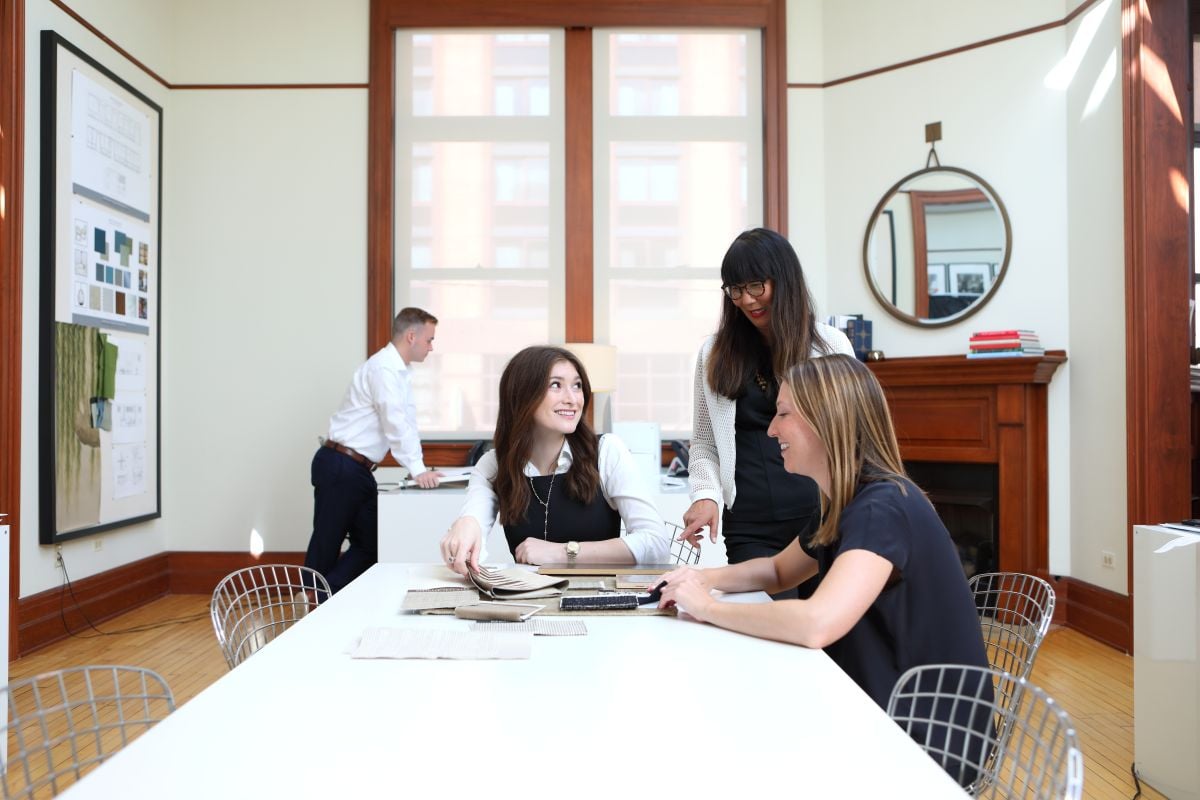
NORR’s decision to occupy the space at Reid Murdoch was driven by a similar search for an identity-rich workplace. When the firm moved from the Monroe Building in the Loop to River North, the goal was to find space in a vintage building. That choice aligned with NORR’s work as an architecture, engineering, planning and interior design firm, as well as its own involvement in adaptive reuse.
The property was already familiar territory. Before moving in, NORR had provided architectural services to Friedman Properties for work on Reid Murdoch’s clock tower and rooftop penthouse addition. That experience gave the firm a clear understanding of the building’s potential and its architectural irregularities.
“The industrial space was a blank slate for NORR to transform,” said company Vice President of Operations Rachel Turner-Lauck. “NORR’s studio has an exposed concrete ceiling, tons of natural light and views out to the river. Keeping the open floorplan was key to creating a collaborative studio space where designers can easily work together.”
From an owner’s standpoint, Friedman Properties focuses on adding elements that feel functional and relevant to the historic buildings, while maintaining the character that makes each of them distinct. At both Tree Studios and Reid Murdoch, architecture becomes part of the occupiers’ own stories.
The tenant mix reinforces that point. Tree Studios continues to attract creative and artistically oriented users, while Reid Murdoch includes design, marketing, advertising and cultural tenants alongside more traditional office users.
How old meets new
The challenge with historic office buildings is deciding how much intervention is needed for the property to appeal to modern work needs, without diluting the qualities that made it attractive in the first place. Original materials, unusual layouts and architectural details may help a building stand out, but tenants still expect reliable systems, flexible spaces and modern amenities.
“Vintage office buildings can’t rest on their charms alone,” Strovel said. “To remain competitive, they also must be well maintained and have amenities like upgraded building systems and reliable connectivity that appeal to today’s employees.”
At Tree Studios, Friedman Properties has focused on maintaining the studio qualities that define the property while allowing tenants to use the spaces as contemporary workplaces. Original wood, brick, tile and other materials remain central to the building’s appeal, while fireplaces, transom windows and skylights give individual suites a level of detail rarely found in newer office buildings.
READ ALSO: An Architect’s View of Dallas’ Adaptive-Reuse Momentum
At Reid Murdoch, the modernization effort has been more visible in the common areas. Friedman Properties recently refreshed the lobby and added a 5,600-square-foot amenity suite designed to give tenants access to shared spaces beyond their own offices. The lobby now pairs contemporary finishes with details that reference the building’s original character, including exposed brick, black steel panels, faux I-beams and a mural tied to the historic lion trademark. Marble reception finishes, bronze accents and lighting add polish without making the space feel disconnected from the rest of the building.
The amenity suite includes meeting rooms, a communal kitchen, a fitness center, game areas and a library wall. Friedman Properties has also responded to demand for flexibility by offering spec suites and shared office spaces as part of its portfolio offerings.
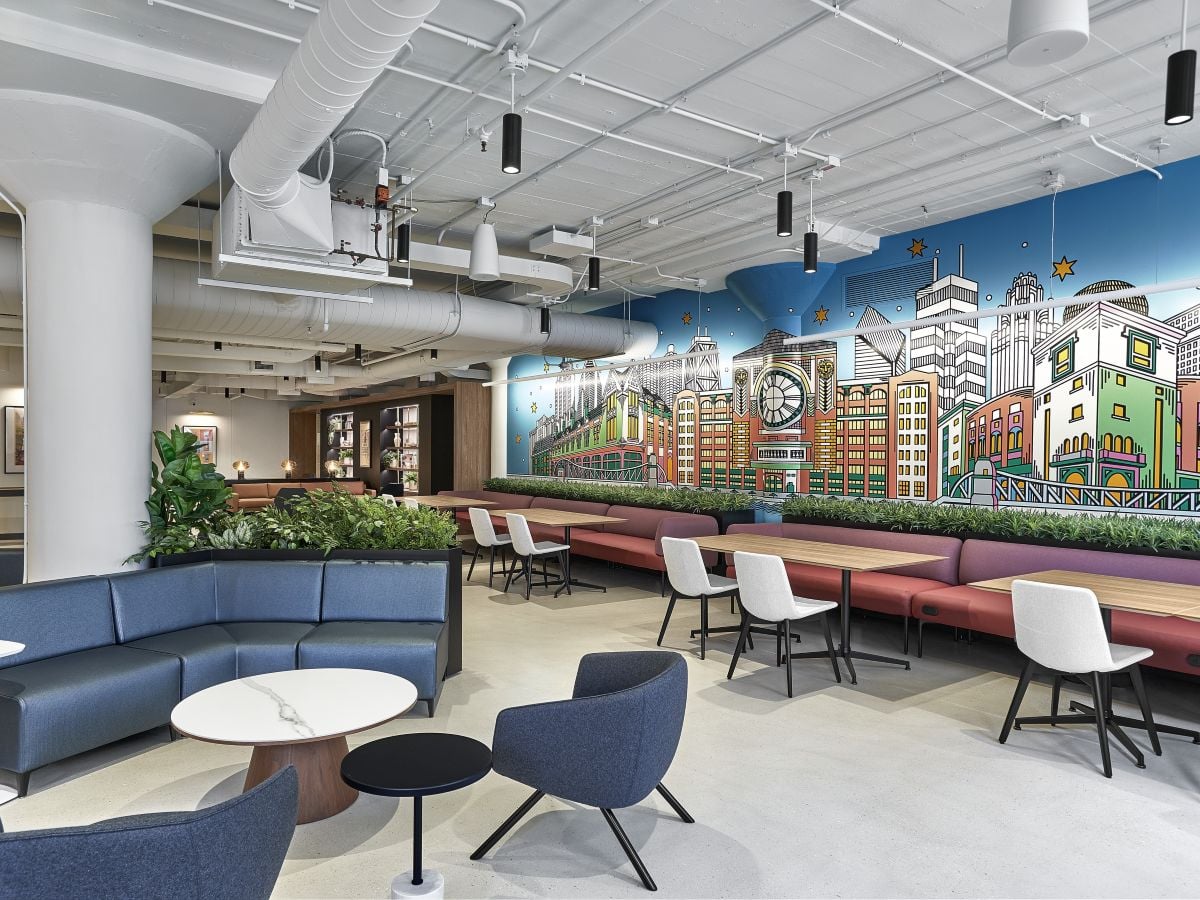
NORR applied a similar strategy inside its own office. The firm reduced its footprint by 40 percent and reworked the space around a more efficient, hospitality-informed model. High-top tables, lounge areas, updated conference rooms, reservable pods and a wellness room now support the team’s work more seamlessly.
“A warm, textured palette and references to the Chicago River bring depth and local character to the experience,” said Turner-Lauck. “For NORR, the redesign reflects a deliberate shift in how and where work happens, aligning with corporate goals to reduce carbon emissions and increase workplace flexibility.”
An office worth the commute
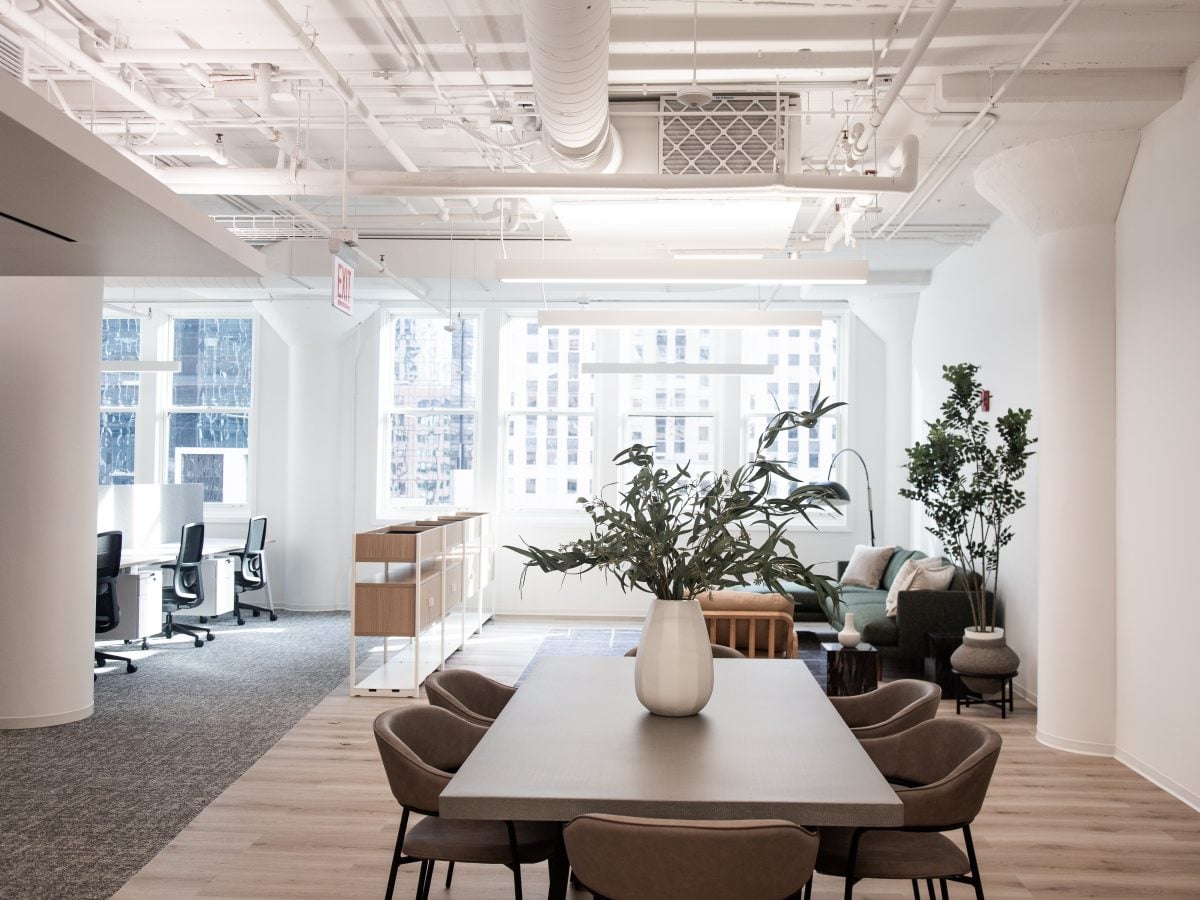
The return-to-office environment has made the workplace experience more important than ever. Companies are not only asking how much space they need but also what kind of space can make in-person work more valuable.
“People crave a commute-worthy work setting, a place where they aren’t just doing their job but enjoying the experience of coming into the office,” said Strovel.
For Craig & Co., Tree Studios supports a regular office rhythm. The team works together in the studios four days a week, with some employees also coming in on Fridays. The neighborhood adds to the appeal. The building is close to Michigan Avenue, restaurants, transit options and the Merchandise Mart, where the firm often sources products.
“There’s no question that our team considers these beautiful studios a perk and a point of pride within our design community,” Craig said. “They enjoy inviting colleagues and clients to tour our space.”
The building also supports smaller moments that matter in a hybrid environment. Craig noted that employees often pick up lunch from the shops below the studios and eat together in the building’s courtyard. While those routines might seem minor, they help turn the office into a place for connection, not just work. Paired with the ability to gather in a character-rich setting, review materials in natural light and host clients in a memorable space, those daily rituals reinforce the office’s value beyond desk work.
For NORR, Reid Murdoch offers similar advantages. Turner-Lauck pointed to easy access to transit, the Riverwalk, surrounding restaurants and the Merchandise Mart as key benefits of the location.
“Onsite secure bike storage along with showers and locker rooms in the fitness space support a sustainable commute to work, which aligns with NORR’s core values,” she added.
The building’s location strengthens its role as a workplace tool. Reid Murdoch has a walk score of 99, a transit score of 100 and a bike score of 82, making it accessible from multiple parts of the city and suburbs. Inside the building, Friedman Properties has responded to the same shift by adding a tenant lounge as a third space for employees to collaborate, focus and recharge outside a traditional work setting.
That combination may be the strongest argument for historic office properties. Character may draw tenants in, but adaptability, amenities and daily experience are what keep the building relevant. When carefully repositioned, aging, historic assets can become compelling office options for the future.


You must be logged in to post a comment.