

Hoboken Connect: The $900M Rebirth of a New Jersey Gateway
LCOR and NJ TRANSIT execs discuss the transformation of a ferry terminal into a mixed-use waterfront destination.
Just minutes from Manhattan’s West Side, the Hoboken Terminal has long been one of the region’s busiest transportation hubs. For decades, however, it functioned primarily as a pass-through for commuters rather than a destination in its own right. But Hoboken Connect is set to change all that.
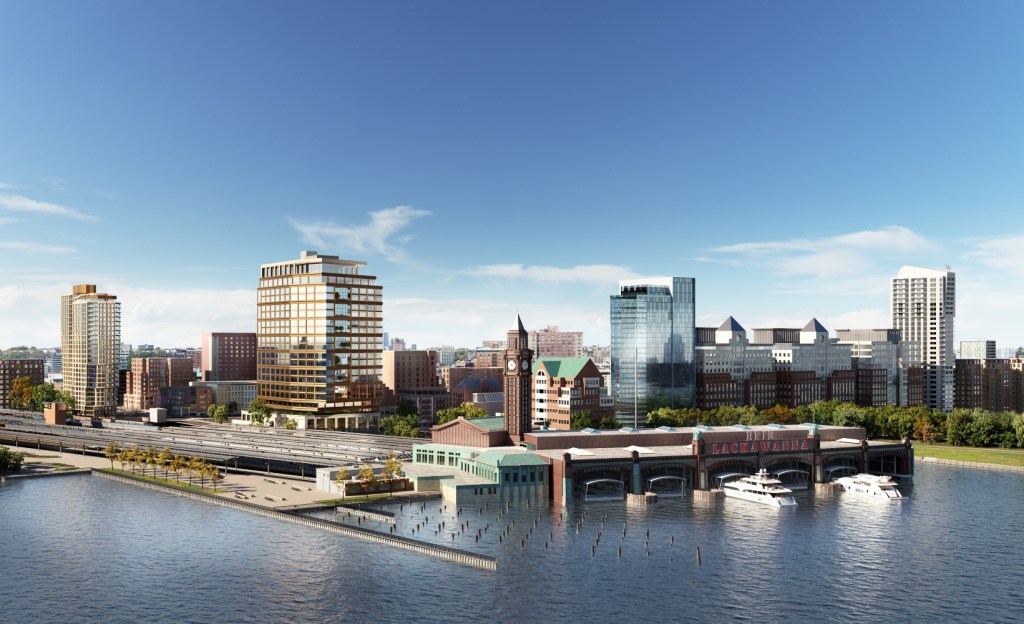
The $900 million redevelopment, led by LCOR in partnership with NJ TRANSIT and the city of Hoboken, N.J., reimagines the terminal and its surroundings as a fully integrated waterfront district. Featuring a comprehensive mixed-use design, the project combines new residential, office, retail and public space with major infrastructure upgrades and the restoration of the historic Lackawanna Ferry Terminal, transforming a once-utilitarian gateway into an active, transit-oriented neighborhood.
Project insights come from Brian Barry, senior vice president at LCOR, and Sean Massey, senior director of transit-oriented development at NJ TRANSIT. They share perspectives on the commercial strategy, operational complexity and public-private coordination driving one of the most ambitious urban reactivation efforts in the New York–New Jersey region.
How did LCOR become involved in the Hoboken Connect redevelopment? What initially attracted you to this particular site?

Barry: LCOR has an extensive history and track record in advancing public-private partnerships, including complex redevelopment projects with transit agencies.
This project dates back to 2005, when LCOR was named the master developer for the Hoboken Terminal by NJ TRANSIT. Since then, it has been advanced through extensive community engagement with the city of Hoboken, coordination with public partners, strong support from the state of New Jersey—Gov. Murphy’s administration—and NJ TRANSIT, along with LCOR’s commitment to realizing the full vision and potential for the site.
We were initially drawn to the site’s extraordinary potential, given it is one of the most critical and historically significant transit hubs in the region, with direct access to New York City and Greater New Jersey through the PATH, ferry, bus and other rail connections. We saw an opportunity to transform the area of largely underutilized land, open space and deteriorated existing structures into a mixed-use neighborhood, reimagining the waterfront property and creating a destination unlike any other on the New Jersey side of the Hudson.
And what was NJ TRANSIT’s vision for the Hoboken Ferry Terminal and the surrounding area when this project was first conceived?

Massey: NJ TRANSIT sought to select a qualified partner to maximize mixed-use, transit-oriented development at Hoboken Terminal and Yard in furtherance of smart-growth principles. With this project, NJ TRANSIT aimed to increase ridership, generate new non-farebox revenues, improve bicycle and pedestrian access to transit, enhance the customer experience and bring new vitality to the area.
Tell us more about the new buildings that are being developed, as well as the existing structures that will be renovated as part of the project.
Barry: Hoboken Connect is a combination of ground-up development and historic restoration. As the largest master-planned project in Hoboken to date, it is slated to include a 27-story, 386-unit residential tower named Charlie, a 21-story, Class A office building with a rooftop terrace, as well as retail space at the base of both buildings.
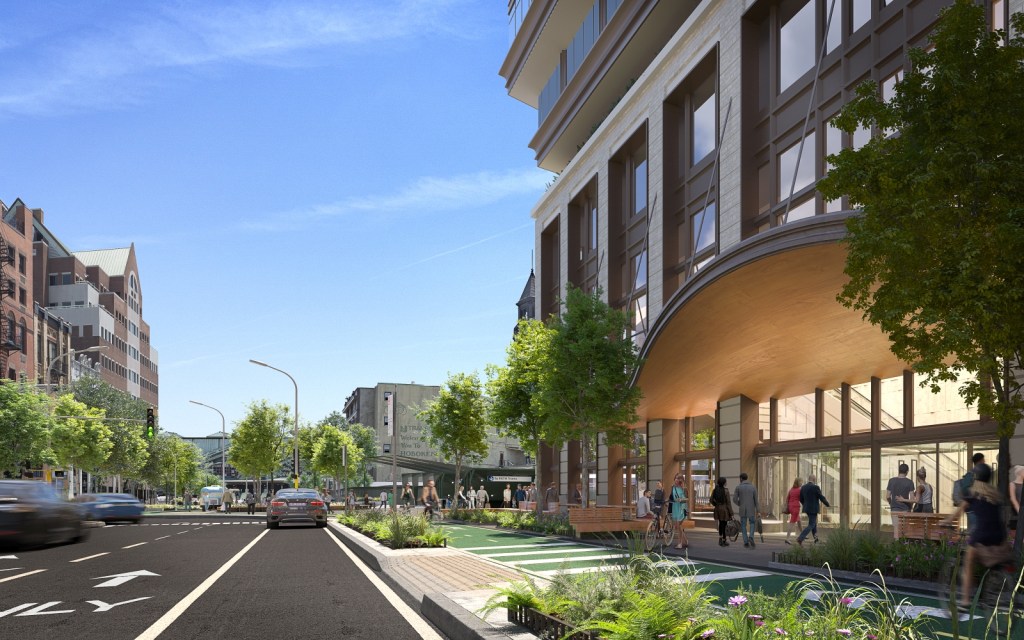
City of Hoboken improvements include the redevelopment of Hudson Place, with the goal of increasing open space, enhancing resiliency, improving pedestrian and cyclist safety and transforming this key gateway to the city.
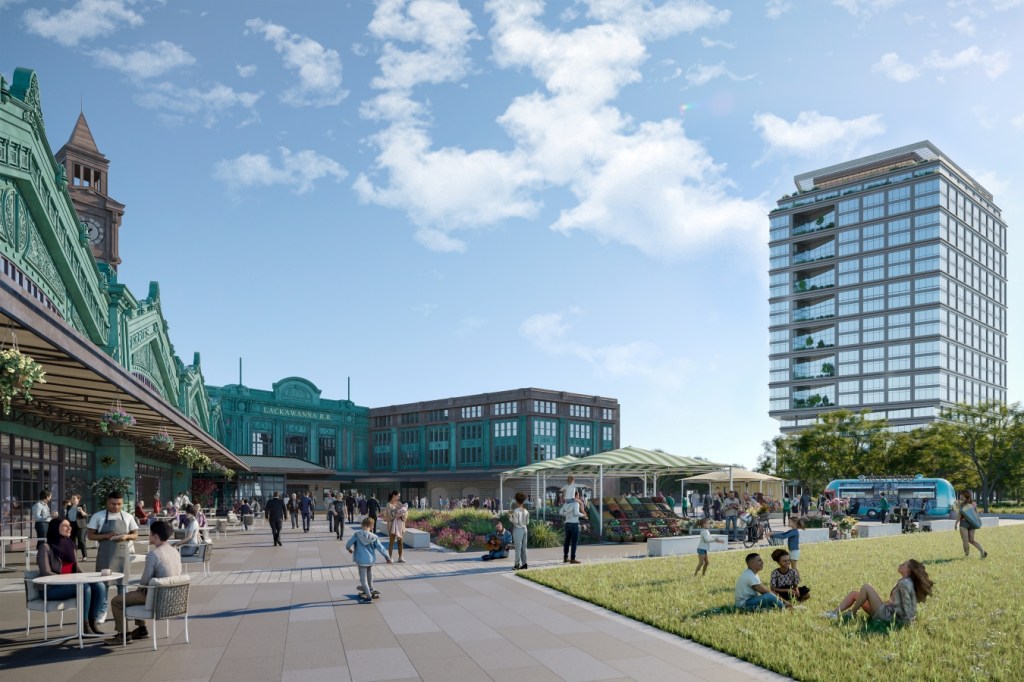
We are also restoring and modernizing key pieces of Hoboken Terminal’s history. The ferry terminal building is being rehabilitated for public and commercial use, with its historic copper facade and architectural details carefully preserved. Warrington Plaza, adjacent to the terminal, is being reimagined as an active public plaza that connects the waterfront to downtown Hoboken and to this dynamic transportation hub.
The ferry terminal restoration brings such a striking visual element. How does this component complement the broader commercial goals of the development?
Barry: Originally completed in 1907, the ferry terminal stands as an exemplary model of early 20th-century railroad architecture and is the heart of Hoboken Connect. Restoring the historic Beaux-Arts Lackawanna Ferry Terminal into a contemporary event and exhibition venue will allow us to preserve its architectural grandeur while reactivating a central landmark for the community.
The terminal will offer new public gathering areas and retail space that seamlessly blend with the residential, office and transit components of the project, with Tiffany-stained glass skylights, a soaring upper-level ferry concourse that has been closed for the past few decades, along with its iconic copper facade.
Massey: Collaboration with LCOR, our development partner, Beyer Blinder Belle, LCOR’s lead architect, and the New Jersey State Historic Preservation Office has been critical to preserving the historically significant Hoboken Ferry Terminal complex … while making critical improvements necessary for future activation. Realizing its potential as not only a key transportation facility, but also a great place in the broader community and region for people to enjoy, has been central to the project team’s efforts.
What’s the expected construction timeline, and what major milestones should we look out for over the next few years?
Barry: LCOR formally reintroduced the Hoboken Connect project in April 2024, with construction on the residential component kicking off in November of that year.
At all times during the life of the project, LCOR will be advancing both private development and public infrastructure improvements. In a phased delivery, Hudson Place and bus terminal are set to come online in the first quarter of 2026, the residential building in the second quarter of 2027, while the ferry terminal building and Warrington Plaza are planned to be completed by the third quarter of 2027.
The office building will be developed after securing an anchor tenant.
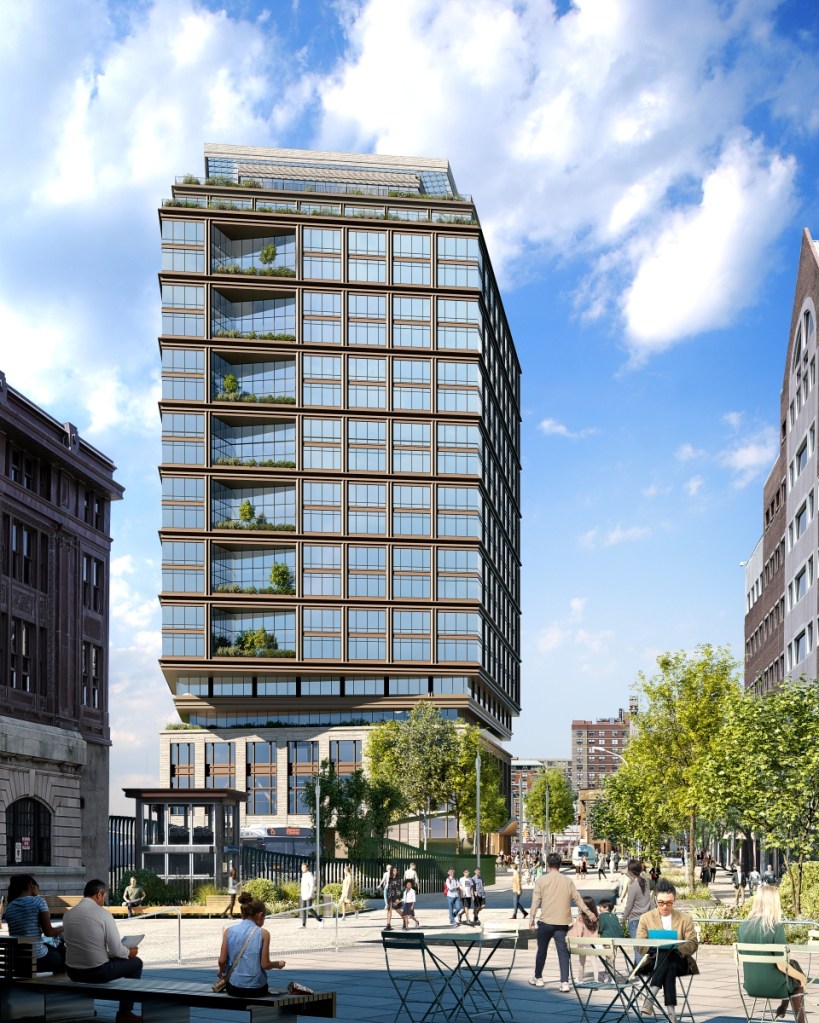
Hoboken Connect’s office building will rise 21 stories. All images courtesy of LCOR 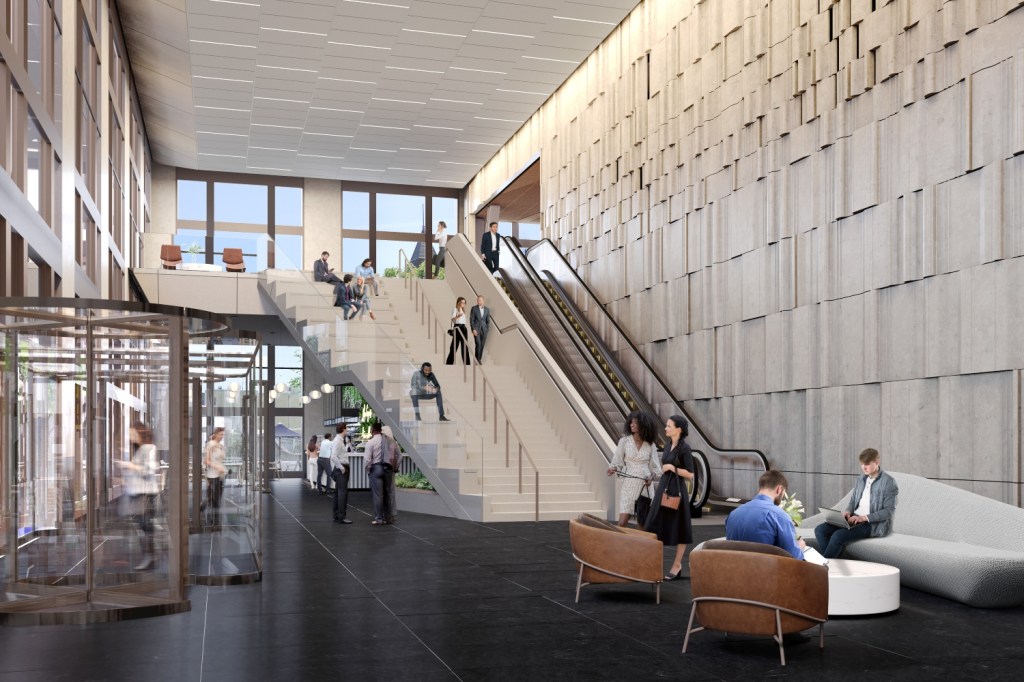
The lobby will incorporate natural materials and green elements. 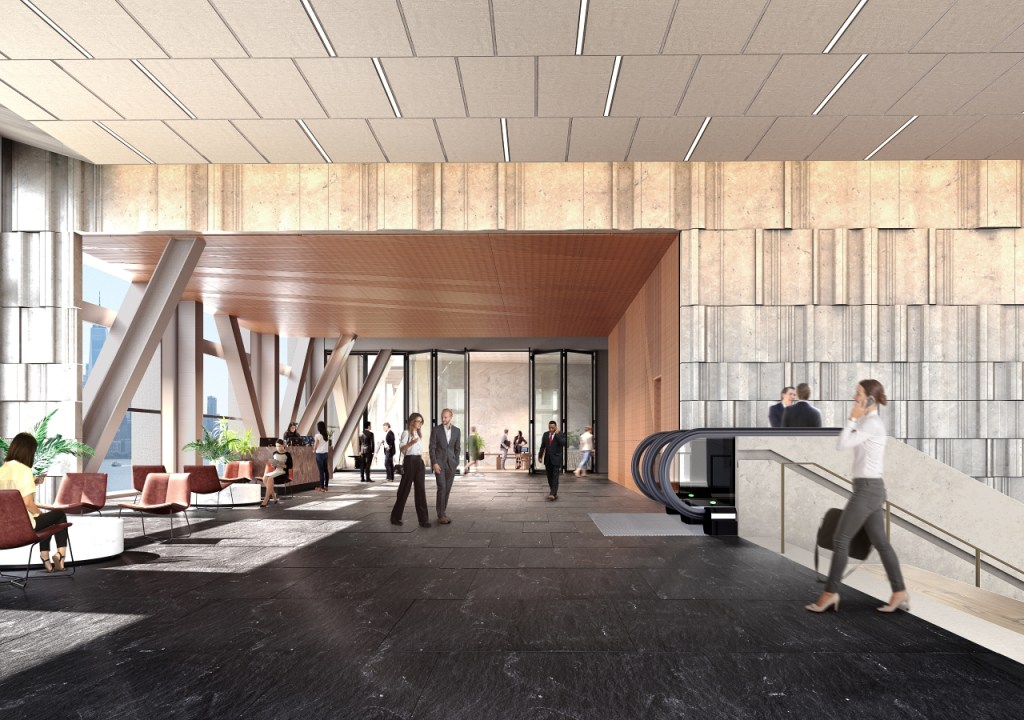
The office tower will comprise a mix of working and relaxation areas. 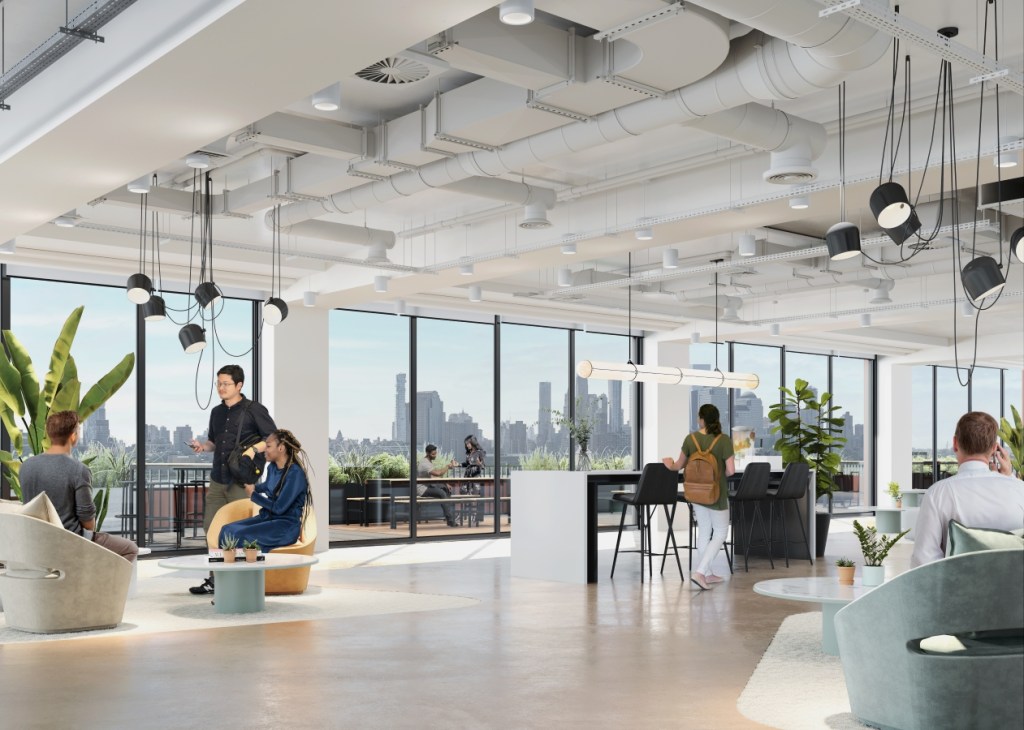
The building’s open floorplans will benefit from plenty of natural light. 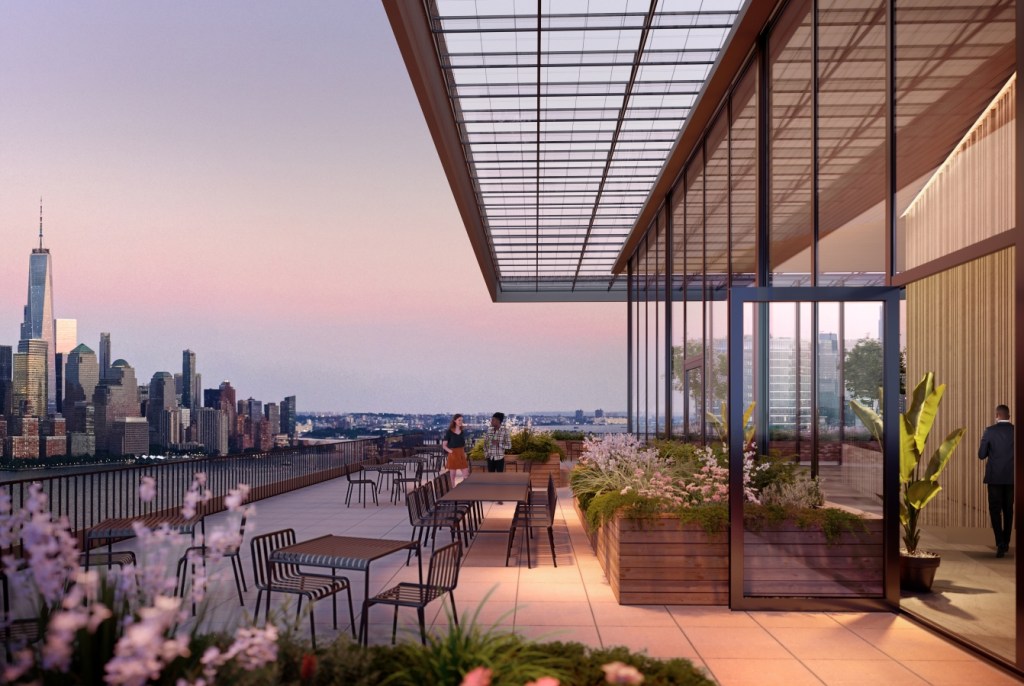
The tower will also feature outdoor terraces.
What are the main commercial drivers behind Hoboken Connect, and how does the mix of office, residential and retail space reflect current market demand?
Barry: Residents and commuters who utilize the terminal today simply pass through and do not have an opportunity to experience the significance of this area and asset. We are creating a destination that will attract commuters and residents to stay, inviting them to truly experience the space and what it will have to offer.
Across the Hudson in New York City, we’ve seen strong demand for trophy office space and attainable multifamily housing in walkable, amenity-rich environments. Hoboken Connect delivers both, making it a prime example of the type of environment today’s office tenants, residents and community members’ desire.
READ ALSO: Where Tenants Want to Play Ball
Which infrastructure and mobility upgrades are being implemented as part of the project?
Massey: Public infrastructure investments include the construction of a new bus terminal along Hudson Place, significant rehabilitation of the interior and exterior of the ferry terminal building for publicly accessible commercial and exhibition space and the redevelopment of Warrington Plaza to enhance access and improve resiliency during flood events.
The reimagining of Hudson Place will transform the gateway to the city of Hoboken, creating a ‘woonerf,’ or a living street, that prioritizes pedestrians, cyclists, resiliency and open space, providing a critical connection between the city and Hoboken Terminal.
Tell us about the biggest challenges you faced in bringing together such a massive, transit-oriented project.
Massey: The critical infrastructure rehabilitation and improvements were unfunded until Governor Murphy committed $176 million in the FY23 state budget for the public improvements, which is advancing simultaneously with the private development.
Ensuring that the core transportation operations, which include rail, light rail, bus, Port Authority Trans-Hudson, ferry services and an active rail yard, can continue uninterrupted requires ongoing close cooperation with multiple operations teams both within and outside of NJ TRANSIT, our capital projects team, our communications teams and station management.
Historic events have also shaped the project. Hurricane Sandy caused significant damage to the city of Hoboken and the Hoboken Terminal and Yard in 2012, spurring NJ TRANSIT to invest in resilience projects to protect critical railroad infrastructure. These projects, coupled with the New Jersey Department of Environmental Protection’s decision to construct a flood wall through the property, reduced the amount of developable land onsite. Construction of the flood wall is underway and also requires close coordination between development teams.
READ ALSO: Architectural Must-Haves for Commercial Properties
Barry: Because Hoboken Connect sits at one of the region’s most complex and historic transit gateways, coordinating between multiple public stakeholders, such as NJ TRANSIT, the city of Hoboken, the state of New Jersey, Port Authority of New York/New Jersey and NJDEP, required extensive collaboration to balance and prioritize infrastructure, resiliency and preservation, while addressing the concerns of residents. …
To ensure that the team was able to advance a viable development required accounting for numerous logistical considerations, as well as maintaining flexibility to meet market challenges. Aligning the vision with the city’s 2018 Master Plan and Hoboken Yard Redevelopment Plan and navigating evolving market conditions, while ensuring the project enhances intermodal connectivity, pedestrian safety and open space, has been both the project’s greatest challenge and achievement.
In what ways does Hoboken Connect serve as a model for future public-private collaborations along other NJ TRANSIT corridors?
Massey: NJ TRANSIT has an 8,000-acre real estate portfolio, a portion of which can support additional growth, whether residential, commercial or industrial. The recently released NJ TRANSIT LAND Plan articulates the challenges and opportunities related to developing this land, as well as potential actions that can be taken to support the plan’s full revenue potential. NJ TRANSIT’s goal is to generate essential funding by leveraging a portion of this portfolio to deliver housing, jobs and recurring non-fare revenue while improving reliability and the customer experience.
Future public-private collaborations similar to Hoboken Connect can unlock additional revenue and positive impacts, fostering live-and-ride communities centered at transit facilities throughout New Jersey.


You must be logged in to post a comment.