


Exclusive: Continental Realty Scores $43M Baltimore Refi
Allianz provided the funds for the retail asset.
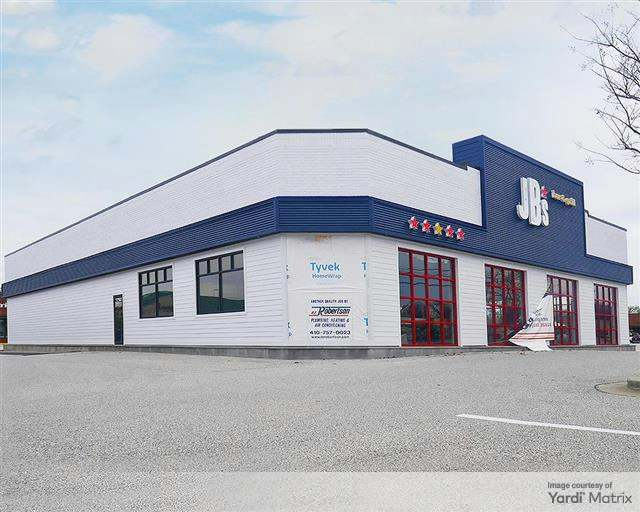
Continental Realty Corp. has secured a $43 million refinancing loan from Allianz for Park Plaza, a 183,380-square-foot retail center in Baltimore’s Severna Park suburb, according to Yardi Matrix information. The asset had never changed hands before since its completion in 1987.
Park Plaza consists of eight single-story buildings across a 21-acre site at 550 Ritchie Highway. The tenant roster includes Park Fitness, Franklin Street Toys, Park Tavern, Noodles & Co., Nothing Bundt Cakes, The Pup Camp and Mom’s Organic Market.
The retail center is just off Maryland State Route 2, some 14.5 miles southeast from the Baltimore/Washington International Thurgood Marshall Airport and 21 miles from downtown Baltimore.
Retail loan originations rose 61 percent year-over-year in the second quarter of 2026, according to a Mortgage Bankers Association survey, the strongest annual increase among retail, office, hotel, industrial and multifamily assets. Quarter-over-quarter, however, volume increased just 3 percent, signaling that much of the rebound had already taken place earlier in the year and that lending activity is expanding at a more measured pace.
Continental’s Mid-Atlantic retail collection
Continental Realty’s retail portfolio across the Mid-Atlantic mainly includes properties in metro Baltimore and one in Virginia’s Richmond-Tidewater corridor. In Charm City, the company owns 10 shopping centers excluding Park Plaza, amounting to more than 1.1 million square feet. The closest retail asset to Park Plaza in Continental Realty’s portfolio is Robinson Crossing, a 114,789-square-foot property located on the same street as the former, at number 450.
Current retail market trends across the U.S. are heavily influenced by limited new supply and low availability, driving owners to increasingly prioritize renovations, redevelopment and repositioning rather than invest in ground-up projects. In these conditions, higher-quality properties situated in high-traffic corridors maintain the upper hand, supporting foot traffic and underperforming spaces. Investors are also considering tenant strength, as well as the speed at which a property can be leased again should a tenant leave.





You must be logged in to post a comment.