


Exclusive: Boston-Area Retail Center Lands $81M
JPMorgan Chase issued the note.
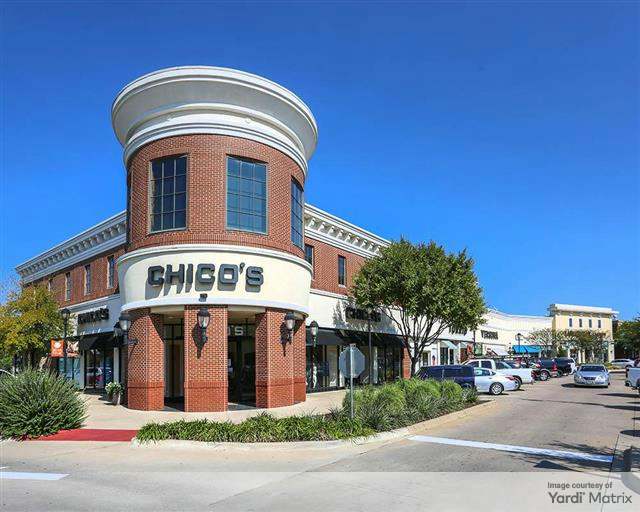
PREP Property Group has secured an $81 million loan from JPMorgan Chase for Hanover Crossing, a 598,535-square-foot retail center in Hanover, Mass., according to Yardi Matrix information. Previous debt included a $79.3 million note originated by KeyBank in 2021.
PREP Property Group’s retail portfolio is spread across the Northeast, Mid-Atlantic and Midwest regions. Hanover Crossing is one of the two properties the company owns in the state of Massachusetts, the other one being a Walgreens store in Somerset.
A closer look at Hanover Crossing
The property originally opened in 1971 and operated until 2019 as Hanover Mall, an indoor shopping center. PREP acquired it in 2016 and implemented a $250 million redevelopment strategy that also included the construction of 297 multifamily units. Bowen Architects designed the mixed-use project.
Reopened in 2022, Hanover Crossing is now an open-air, “live, work, play” destination anchored by Macy’s and Market Basket. The tenant roster also includes Trader Joe’s, DICK’S Sporting Goods, Sephora, Buffalo Wild Wings and Old Navy, among others. The owner also manages day-to-day operations at the shopping center.
Just off Massachusetts state route 3, at 1775 Washington St., Hanover Crossing is 22 miles southeast of downtown Boston. Other major thoroughfares in the area include Massachusetts state routes 53, 123 and 228.
Retail sector looks up
In the fourth quarter of 2025, net absorption across retail properties in the U.S. amounted to 7.4 million square feet, according to a report by Newmark. Availability stood at 5.3 percent, marking consumer resilience as well as the return of strong fundamentals. Boston ranked fourth in the nation, with a vacancy rate of 3.3 percent.
Recent retail industry trends confirm the sector’s rebound, with tenants prioritizing curated formats in open-air and mixed-use environments, while necessity-based shopping centers continue to remain the stability anchors. The sector entered into 2026 cautiously optimistic, with performance split between high-quality, well-located assets and older, mid-tier shopping destinations.







You must be logged in to post a comment.