
Honoring a Legacy: Inside Adolfson & Peterson Construction
Two Adolfson family executives tell CPE the story of a company that's been in business for 80 years and how they're shaping its future.
Editor’s note: This interview has been edited for length and clarity. The full conversation is available on our YouTube channel.
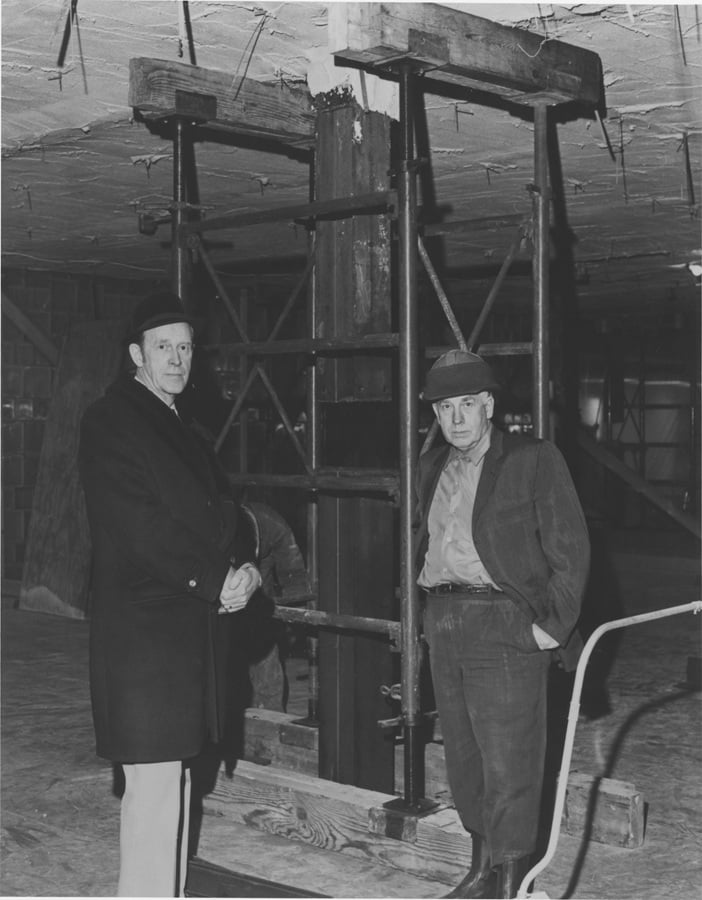
Celebrating eight decades of activity and spanning five generations of family involvement, Minneapolis-based Adolfson & Peterson Construction has a storied past.
It all began in the last year of the Roaring ’20s, when George Adolfson immigrated from Sweden to the U.S., with no more than $40 in his pocket, and began working as a traveling bricklayer in the Twin Cities area. It wasn’t until 1946 that Adolfson met former naval engineer Gordon Peterson, an encounter that led to the founding of a general contracting firm.
In 1979, Adolfson and his family bought Peterson’s interest in the company and, since then, the firm has remained 100 percent family-owned. Between 1980 and 2000, AP Construction expanded beyond the state of Minnesota, with the firm having built more than 3,000 projects totaling nearly 300 million square feet to date.
READ ALSO: How Construction Headwinds Are Shaping Development
What’s the secret behind its longevity and success? In this interview with Commercial Property Executive, George Adolfson’s granddaughter Andra Adolfson and grandson Scott Weicht—both actively working in their grandfather’s company—discuss being raised around the firm, current construction industry challenges and their vision for the company for the next decade.
What was it like growing up around George Adolfson and AP Construction?
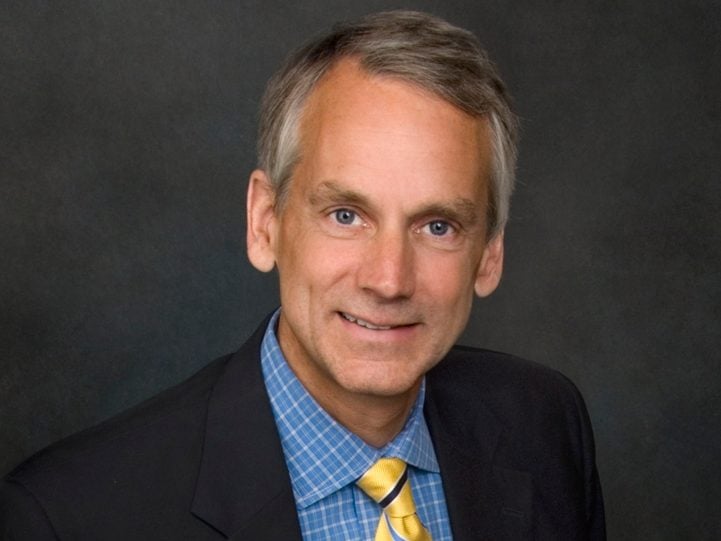
Weicht: Both Andra and myself, being third generation, we’ve been able to grow up with George and Maya Adolfson (editor’s note: his wife), which was very special. We were able to retain a lot of the oral tradition of what we heard it was like.
Adolfson: Not only did we spend our childhoods with them, but all of us grew up working for the company. Our parents worked for Adolfson & Peterson. We went in as small children. We worked there through college and beyond.
Tell us more about your grandparents. What was Maya’s role in the company?
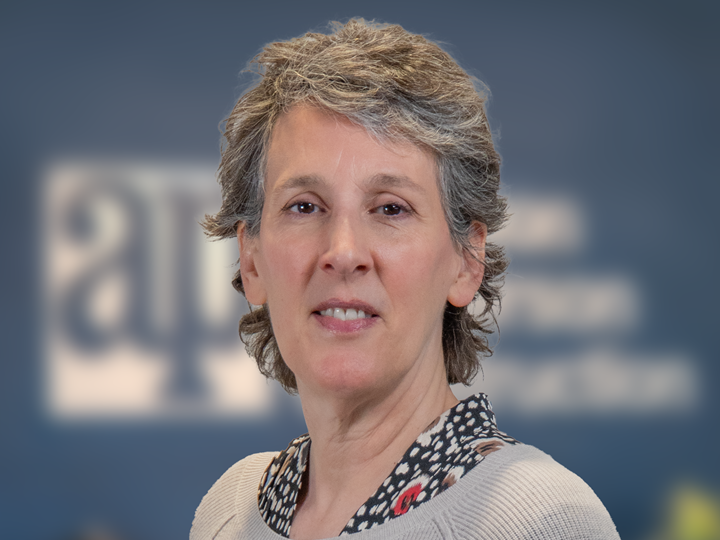
Adolfson: I just don’t think the company would have started without Maya. They were a team and a partnership. And in a traditionally male-dominated industry, oftentimes you talk about all the men in the business, but she really was integral. She supported him. I think it was her idea initially to start a company. She did the accounting and bookkeeping early on. It was a great partnership and the company wouldn’t be here today if it weren’t for our grandmother as well.
Weicht: We’ve really looked to both George and Maya. They were The Team.
Andra, how do you balance honoring that legacy with making decisions that push AP Construction forward?
Adolfson: As a longer-term employee and somebody who’s part of the family, my coworkers come to me for the history of the family and the company and context, perhaps. And I always say we’re still a family business. The DNA of that original small group in the early years is still here.
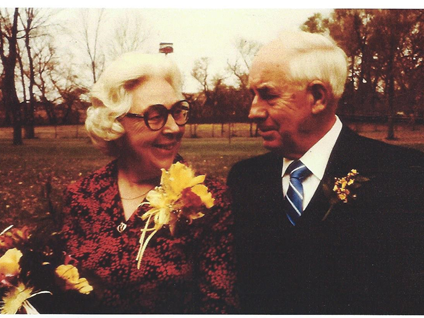
My grandmother and grandfather felt very strongly about providing lunch for employees in the early days and we had a cook come in and make lunch for everybody. That kind of hospitality and community, … of knowing each other and eating together … has been in the company for 80 years and it’s still around today.
We’re designing this new office building and when we’re planning our new space, (people told us) they want a giant lunch table to eat together every day. It’s a whole different way of knowing a coworker, to just sit down and share a meal.
What would you say were some key moments that shaped the company into what it is today?
Weicht: (George and Gordon) started with homes in the suburbs of Minneapolis and very quickly moved to doing commercial work in the 1950s. By the mid 1950s, we were seeing records that they were building K-12 schools, University of Minnesota work, a lot of government buildings as well. And that carried through to the 1960s.
Adolfson: I think another important kind of transition was AP’s expansion starting in 1980 with Colorado and then Dallas and then Arizona and other parts of the country. I think that kind of expansionist mindset was important. And I think we were, for the Midwest region, one of the first general contractors to open offices in other parts of the country. So that was visionary—to be looking beyond the Midwest and looking to expand into other markets that early.
READ ALSO: Top Commercial Real Estate Developers
And not just into other markets, but also into multiple asset types. How important is diversification for a contractor, especially in times of economic slowdowns?
Adolfson: During 2008-2009, we had offices all over the country and the downturn in the economy impacted those offices at different times. And so, having just that diversity of being in different regions was just a huge benefit to the company. I remember our Colorado, Wyoming and Texas offices, they seemed to be more resilient to that global financial crisis. And if they felt the downturn, it seemed to be later than the rest of us. And I remember thinking at that time that … we were protected because we were so diverse.
Give us a few examples that are representative of your work.
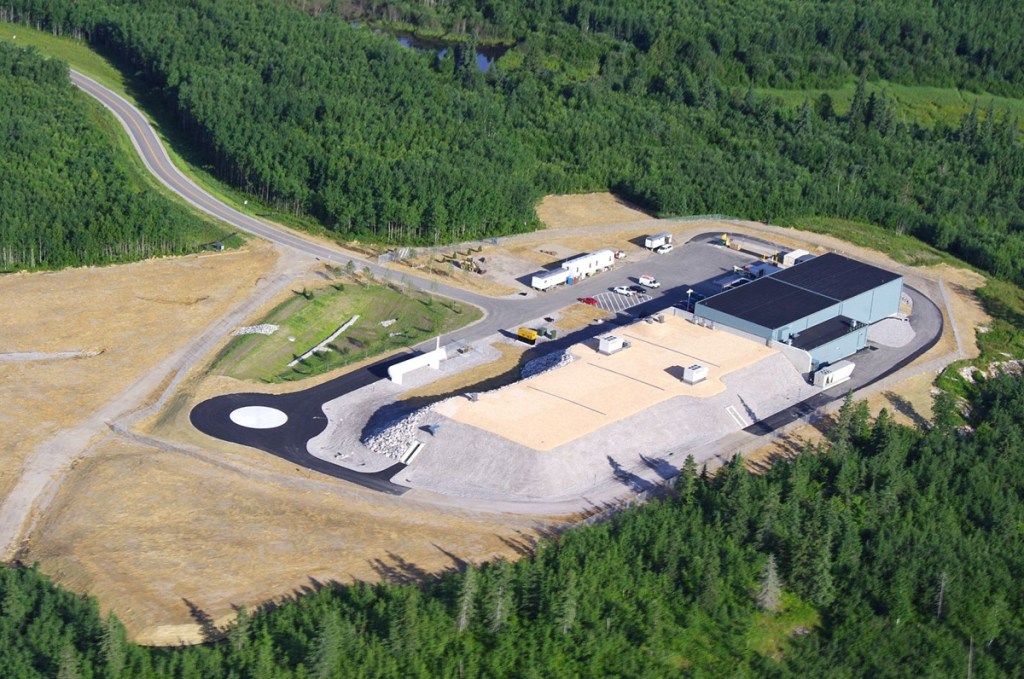
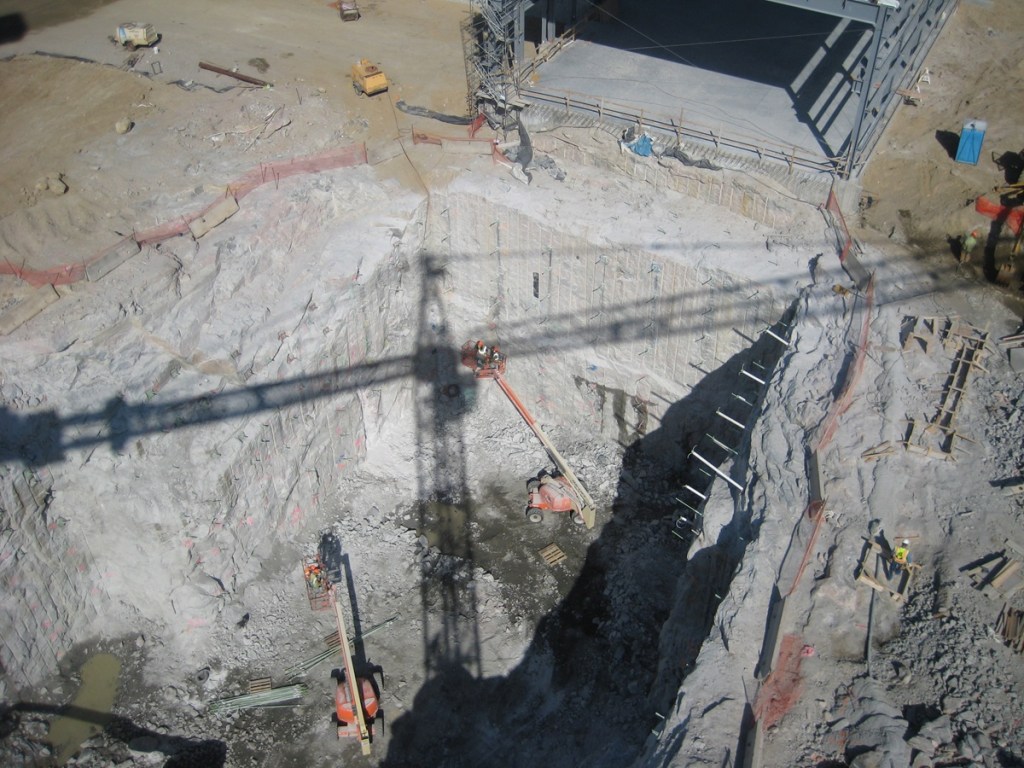
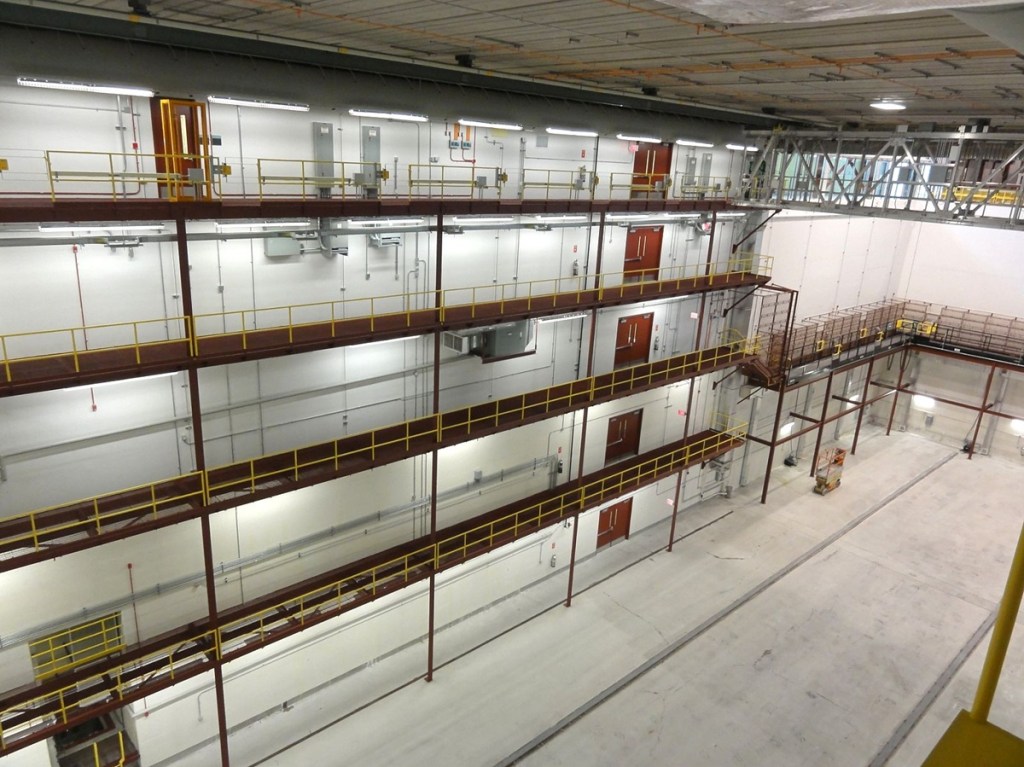
Weicht: We did a laboratory for the University of Minnesota, close to the boundary waters in northern Minnesota. It was a football field that was blasted out of bedrock 80 feet deep. And they built an entire laboratory there to study the subatomic particles and had to shield it and shelter it from the sun’s rays.
We’ve also got the Magnolia Hotel building in Dallas. That was a historic rehabilitation, one of the first large projects we did in Dallas.
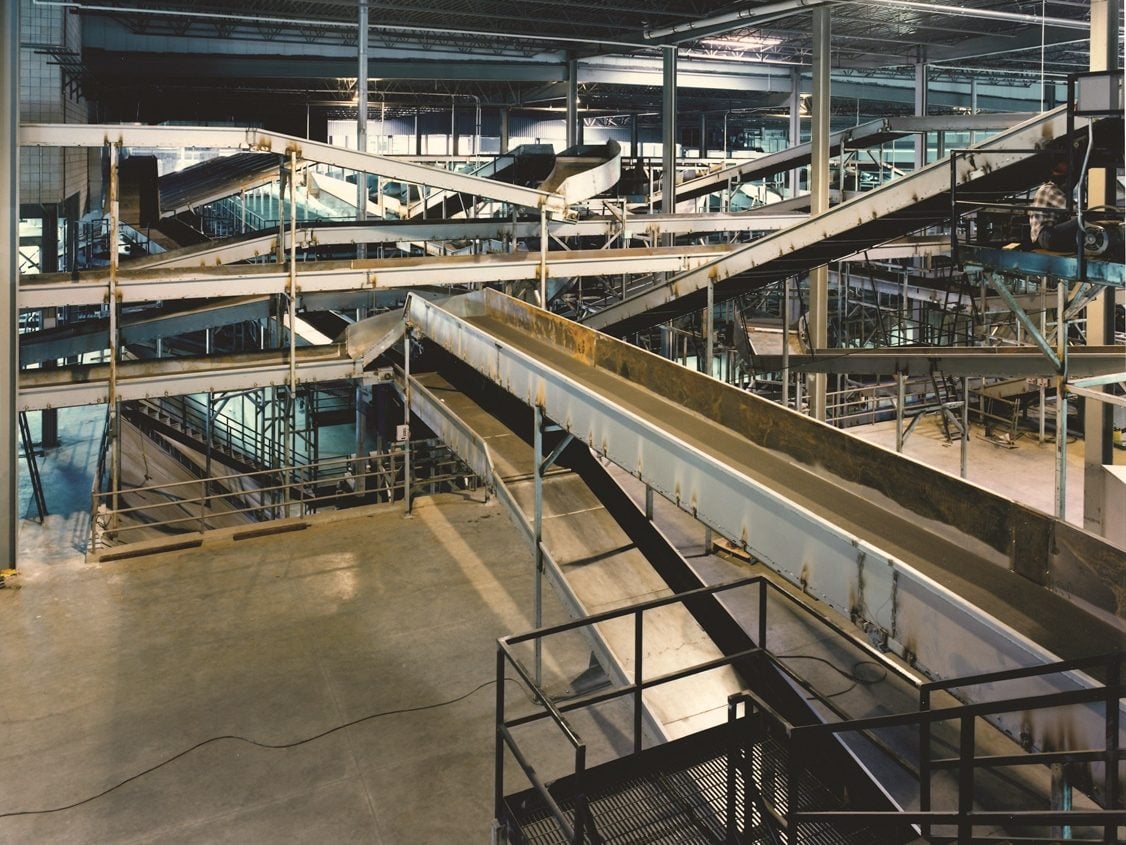
We did a UPS facility years ago and it had an interesting 35-degree slope in the walls where all the conveyor systems were going to be working below grade or below ground. And we had one of our foremen determine how to finish and pour that concrete at that 35-degree angle.
We had another job, a three-story tower, where we figured out how to make a floor pour every three days. Every three-day cycle, we went up one floor, which just took months off the actual completion of this project for the client.
How would you describe your work and the current commercial development landscape in your hometown Minneapolis?
Weicht: About 85 percent of our work is either repeat work or what we call in our industry ‘negotiated work,’ meaning that it’s not just a price that we’re putting out there and we’re selected only on that low price, but we’re selected on what we bring to the table for that client and owner, for the skills to complete the work and the quality of the workmanship as well.
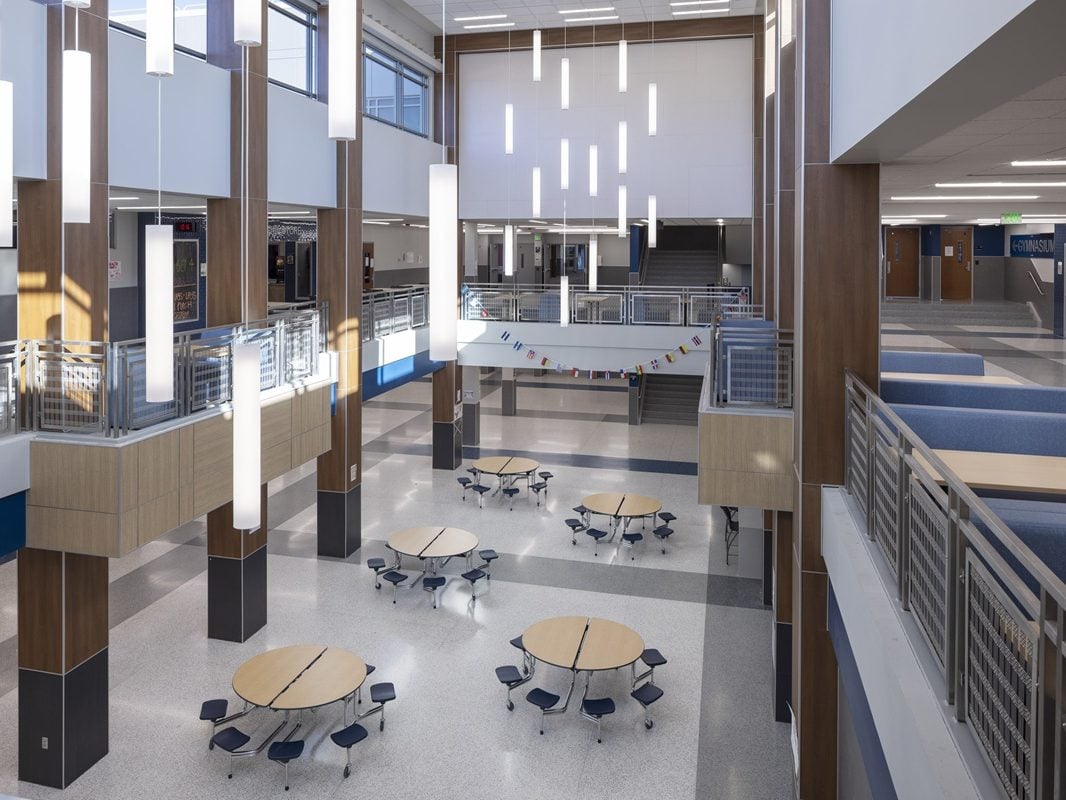
In the Midwest and in the mountain states, we’re seeing a lot of K-12 work. Maybe not necessarily new startup projects as far as schools, but we’re certainly seeing a lot of renovations going on, where the actual instruction is changing and the process of teaching students is changing.
We also are seeing a fair amount of what we call ‘higher ed,’ which is university- and private school-type work. And we’re seeing a fair amount of that work nationwide as well, where the educational market and the university and college systems are again adapting to a whole new set of students that are doing much more online and much more remote.
Municipal work, that’s slowing down a bit right now as the economy slows a bit. However, we are seeing some private sectors that are moving forward, for example, the wastewater and water treatment plant work.
You can’t talk about construction these days without also thinking of the data centers and the energy sectors right now. (But), as any sector within our industry, we’ll just watch and see when that boom slows down.
Adolfson: We are doing some industrial work with a couple of Fortune 500 clients who we’ve worked with for decades.
As for office, it’s a market that’s cooled off. We’ve done several office projects in the Midwest recently for a market that slowed down. They’re related for sure to the pandemic and how people work and maybe needing less office space and consolidating or just catering to hybrid work …
With all those projects throughout the years, it’s worth mentioning that AP has built a strong safety record. Could you tell us a bit about the specific practices or systems that have made a difference in reducing incidents?
Adolfson: We start many of our meetings with a safety moment. It might be, you know, how do we exit the building or where is the closest defibrillator? It’s so embedded in our culture that it’s usually one of the first topics that we talk about in any context or any meeting for sure.
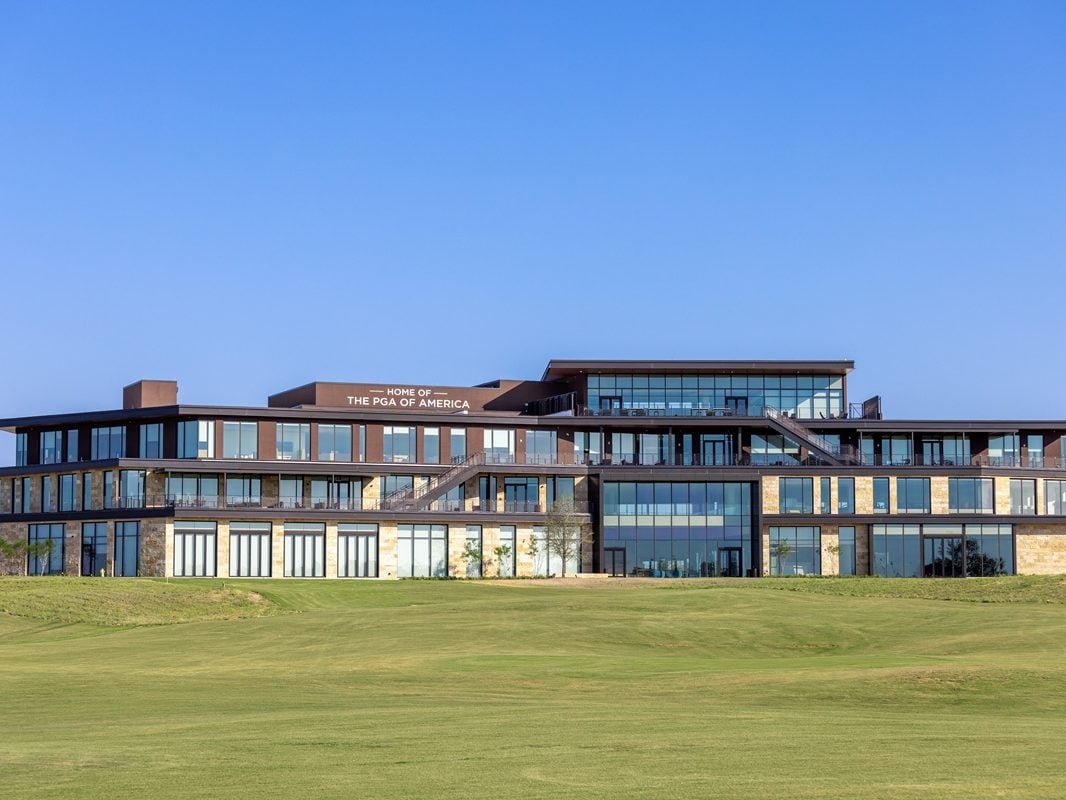
Image courtesy of Adolfson & Peterson Construction
Weicht: We have pre-task planning that takes place on all of our sites. We have about 900 people right now, plus the subcontractors. Before work starts, these people are expected to have a pre-task plan for the work that they’re going to be performing that day with their employees that are on the site. That gets passed on to our superintendent and our project team so that we know that it’s being done. …
Our safety culture really is very focused on making sure that everyone on the site—and that goes for any of us visiting the site, as well—watches carefully. And if we see something, we expect the workers to speak up.
We’ve had situations where workers have been able to close the job down and shut it down because … (it was) considered unsafe. If we have to deal with a potential injury-causing situation or incident, anyone on the site has the authority to do this.
Adolfson: And that’s a hard thing to really achieve—a space where everybody and anybody can say something, if they see something that they feel unsafe about. (We) kind of achieved a real safety culture when people feel like they’re empowered to do that.
READ ALSO: 3 Key Risk Gaps for Developers to Avoid
Speaking of people, what are the biggest labor challenges you’re facing today?
Adolfson: Everybody’s competing to hire the best talent. For a time, the world was promoting four-year college degrees and trades weren’t as commonly promoted. (Now), we see a dip in terms of the demographics with fewer people who went into the trades. They’re just fewer people, so it’s very competitive.
I believe that’s a demographic situation (that) is improving. There’s a lot of outreach and interface right now with the unions and trades in high schools. And trade schools in this part of the country are filled with students. It’s obviously a career path that many people are considering now.
So how do you see the next decade unfolding at AP Construction?
Adolfson: We’ve got a history and tradition of being very early adopters of technology, which I would imagine will continue. Can I envision what will come? No. But (AP has) always been an early adopter of whatever technology was emerging in our industry. I like to think that the culture of the company and what makes us unique and different will remain, even as we grow to be a larger company.
Weicht: People work here because they like the people and they like the culture. Change is continuous. Look at, for example, artificial intelligence. We don’t want to be so far out ahead that we’re the ones falling on our swords, but we certainly want to be using those tools as rapidly as we possibly can.
We’re down five generations as far as ownership. We have 56 family members. We just keep on expanding and recognize just how to pass down through gifting and through the planning that we have for our future generations to grab hold and run with this as well.
Adolfson: And I should say, a five-generation family firm is a rarity. It’s a very small percentage of them that survive. We certainly can be proud of that. …
I could see in the future more family members entering the company. … I want to be part of a family business where family works for the company. I think that’s important.


You must be logged in to post a comment.