


Data Centers Are Giving Warehouse Demand a Jolt
Big opportunities surround hyperscale campuses—and industrial is reaping the benefits.
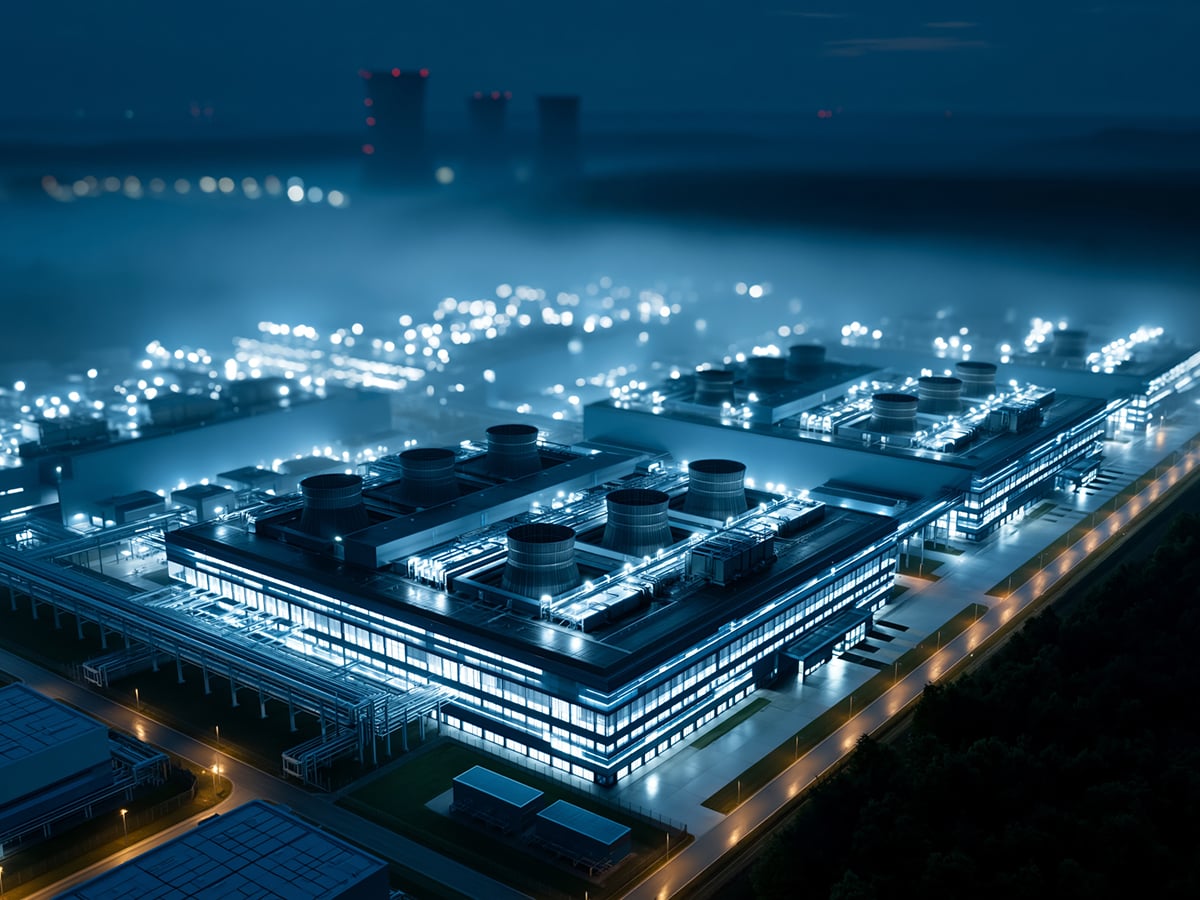
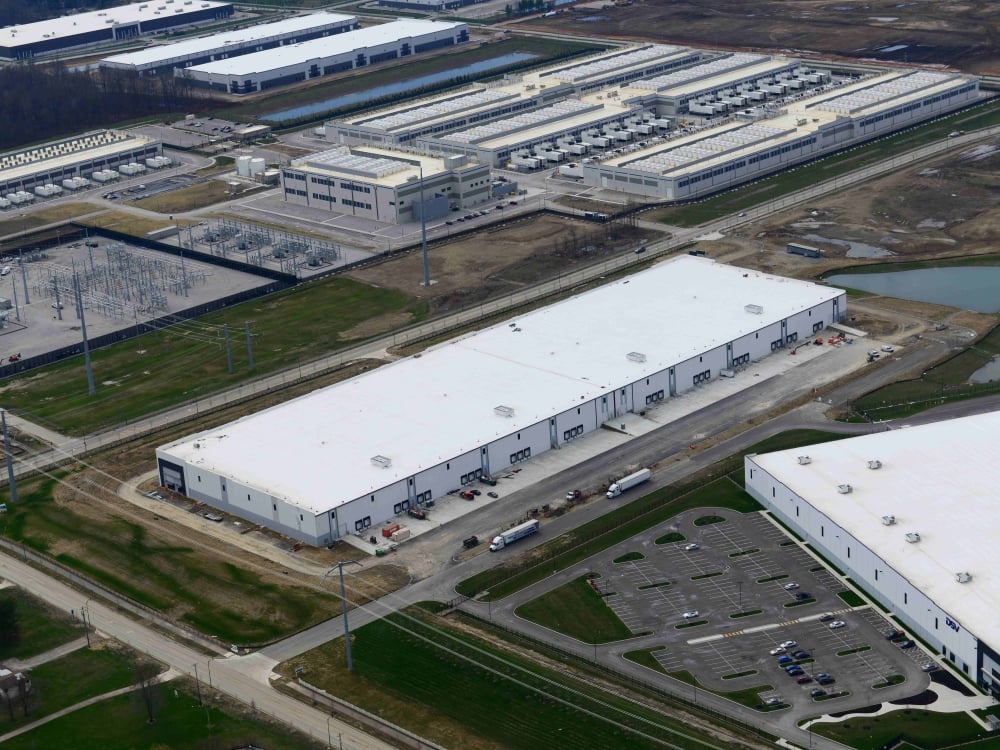
The AI economy’s next tenant isn’t the most obvious one. Companies serving the construction, maintenance and operation of data centers require strategically located warehouses and light-industrial space that allows them to respond quickly to the growing needs of hyperscale operators.
“The biggest opportunities come from two segments: distribution of parts and components through third-party providers, and light manufacturing for ongoing repair and servicing of data center equipment,” said James Breeze, vice president & global head of industrial research for CBRE.
A Cushman & Wakefield study showed that between 2022 and 2025, businesses tied to the data center ecosystem accounted for 10.4 percent of all new industrial leasing activity. And developers and investors are increasingly evaluating industrial sites and properties based on their ability to serve this growing customer base.
While the data center industry itself is facing considerable headwinds, experts still see significant growth potential in most markets, including Richmond, Va., Dallas, Houston and Phoenix, which continue to attract plenty of capital due to land availability and improving access to electrical infrastructure.
READ ALSO: 10 Emerging Data Center Markets to Watch
In Northern Virginia, the world’s leading data center market, the question isn’t whether an industrial property has tenants, according to Breeze. Investors are asking whether a site could eventually become a data center or whether its existing tenants are part of the broader data center supply chain.
And while much attention has focused on the surge of construction surrounding AI infrastructure, some believe the larger opportunity could lie in long-term operational support.
The data center ecosystem doesn’t stop at the building itself. There’s an entire industrial supply chain that has to exist around it.
—Bill Prutting, Senior Managing Director, Mid-Atlantic, JLL Capital Markets
Initially, contractors will need warehouse space to stage equipment, fabricate components and support active construction, Breeze reasoned. Once facilities come online, however, those same companies continue servicing critical mechanical, electrical and cooling systems throughout the data center’s operating life.
Link Logistics estimates that every gigawatt of data center construction generates some 2 million square feet of spillover industrial demand. Applied to the roughly 100 gigawatts in the U.S. pipeline, that comes to about 200 million square feet of industrial demand nationally.
Proximity to power
If location determines competitiveness, access to the power grid and electrical infrastructure determines whether projects happen at all. While data centers are known to consume enormous amounts of electricity, many users supporting them also require significantly more power for equipment and manufacturing than traditional warehouse tenants do. Even operations that require storage space for transformers, generators and cooling equipment need to compete for sites with adequate electrical infrastructure.
This turns former manufacturing facilities into attractive redevelopment opportunities. Many already possess above-average electrical infrastructure, reducing the cost and complexity of upgrading service for either industrial support users or future data center development. Areas with existing fiber connectivity offer similar advantages.
However, converting existing industrial properties into data centers creates its own issues, according to Cushman & Wakefield. In mature markets, older industrial properties are already being demolished to make room for new data centers. Those displaced tenants must relocate, creating additional industrial demand elsewhere while expanding the broader ecosystem supporting digital infrastructure.
READ ALSO: Top 10 Emerging Industrial Markets
While traditional warehouse users are focused primarily on transportation costs, data center support companies place greater value on being close to their customers. Rather than concentrating around a single site or region, suppliers are also seeking facilities capable of serving multiple data center ecosystems as development spreads nationwide.
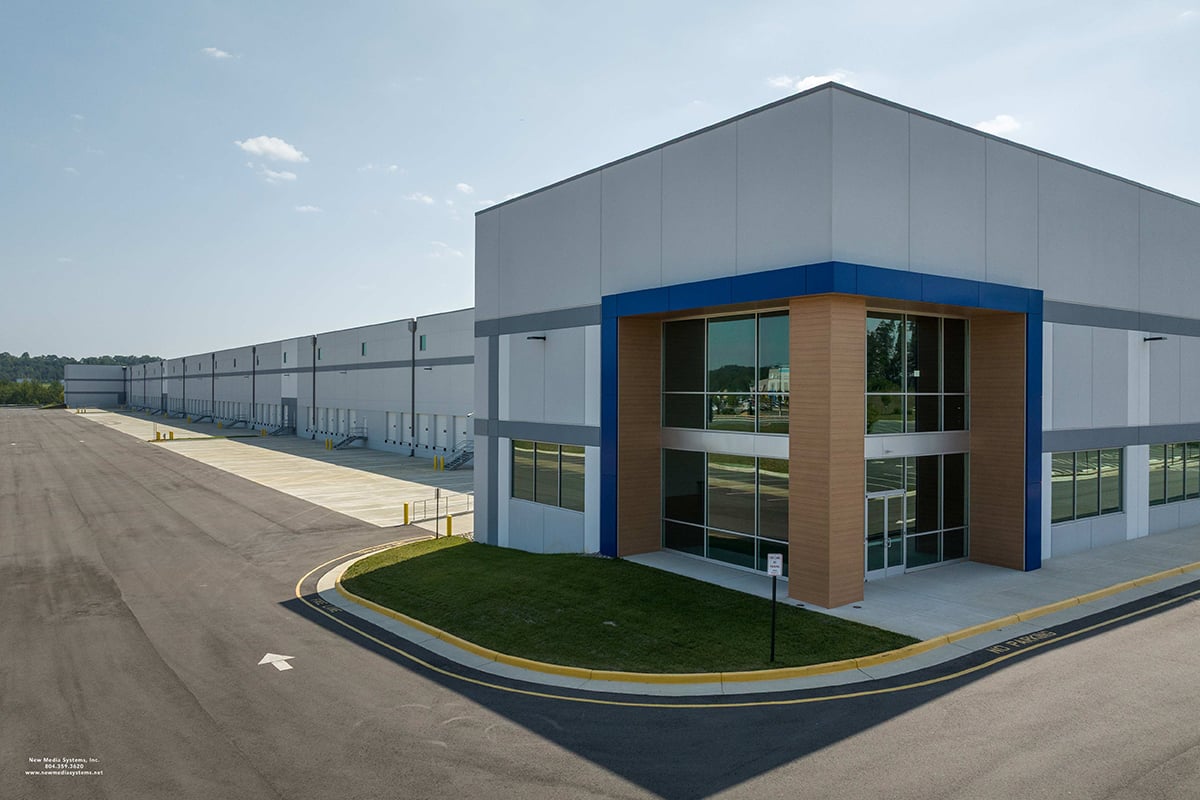
The ideal location may be within 5 to 10 miles of a data center campus, said Bill Prutting, senior managing director in the Mid-Atlantic office of JLL Capital Markets. That proximity allows technicians, replacement equipment and maintenance crews to respond quickly to operational needs. Market dynamics and high demand, however, are forcing greater flexibility. Because hyperscale developers can often outbid industrial buyers for land with available power, many support companies are locating farther away than they would prefer.
The industry’s challenge is determining how far is still close enough. Many operators are finding that facilities located roughly 100 to 150 miles from multiple data center clusters can effectively serve several markets, added Prutting. This broader geographic reach may end up proving more valuable than occupying premium sites adjacent to a specific campus.
The deciding factor
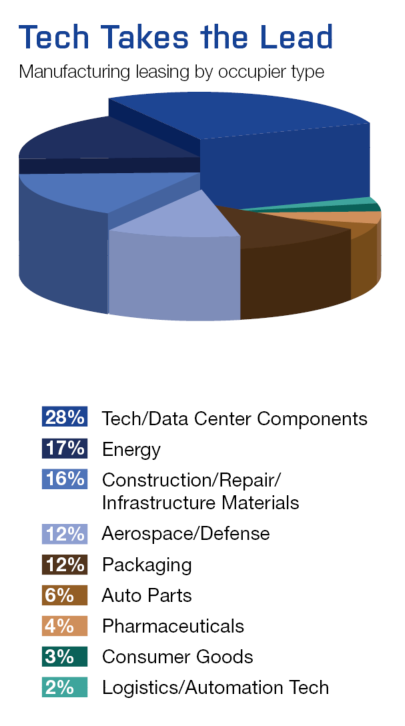
The long-term outlook ultimately depends on one variable: power availability.
Most current development pipelines extend through approximately 2030, according to JLL. Beyond that horizon, uncertainty grows as utilities determine how quickly additional generation and transmission can come online.
Even so, while AI infrastructure growth may eventually moderate, maintaining existing facilities will continue generating demand for suppliers, contractors and specialized industrial users.
READ ALSO: Older Industrial Campuses Gain New Relevance
Public debate surrounding data centers often centers on energy consumption, land use and community impacts. Those discussions are unlikely to disappear as artificial intelligence infrastructure continues expanding. Yet, focusing solely on the data centers themselves overlooks the broader economic activity they generate.
“While data centers have been at the forefront of the conversation around AI’s impact on real estate, the buildout is also contributing to a favorable supply backdrop for traditional logistics properties,” noted Allan Swaringen, president & CEO of JLL Income Property Trust. “Slower warehouse development, elevated construction costs and increased competition for land and other resources are limiting new supply and creating a clearer runway for rent growth across existing industrial assets.”
Supporting industries—from skilled trades and light manufacturing to logistics and equipment servicing—are creating jobs, attracting investment and reshaping industrial markets in ways that extend well beyond individual server farms.


You must be logged in to post a comment.