

Is an MOB Makeover the Right Remedy for Your Space?
There's no one-size-fits-all strategy for conversion. Here's what to know.
This article first appeared in the CPE Sneak Peek Newsletter. Subscribe now for early access to exclusive content, in-depth analysis and key trends!
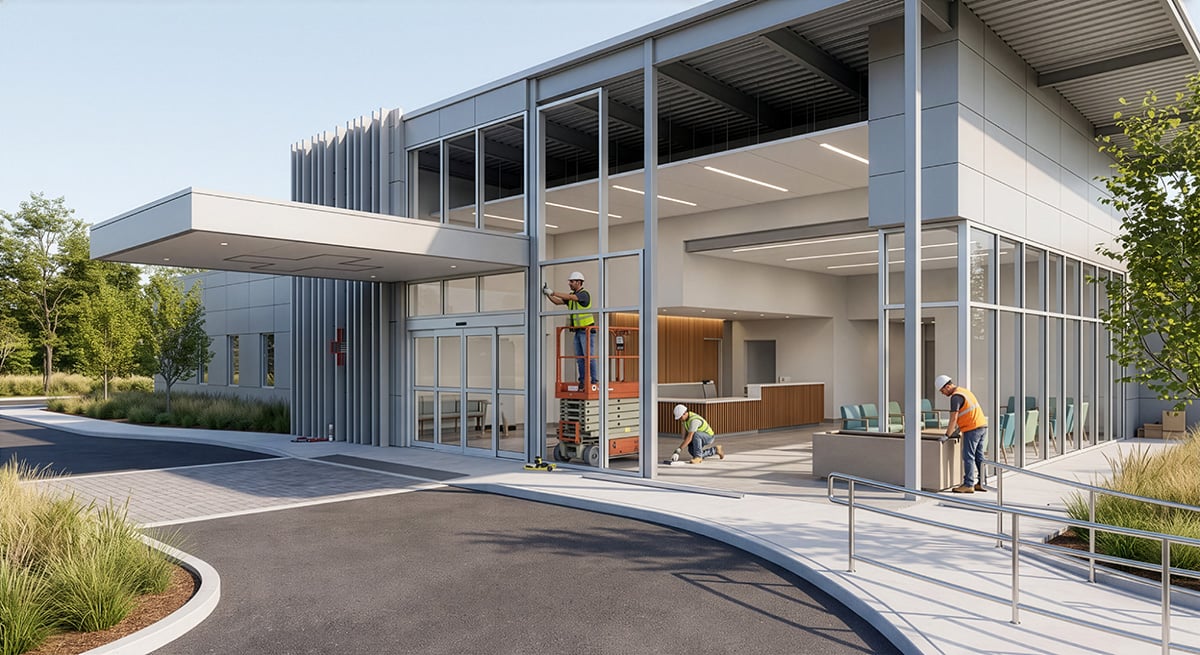
It’s a tempting proposition. You manage an office, retail or another type of commercial property that’s facing excess vacancy in the post-pandemic world. At the same time, new medical office construction is constrained while demand from an aging population is growing. Given these conditions, you might consider attracting medical tenants to your vacant space—or even converting the entire property into a medical office building.
At first glance, vacant commercial space and growing outpatient demand might look like a natural match. But successfully integrating medical space with traditional assets depends on several factors that might not be readily apparent. Taking stock of a building’s infrastructure, location and long-term operating model is crucial to success.
“The key question is: ‘What does your program need, and then what can the building do?’” Danei Wallen, a senior project manager at Group PMX, told Commercial Property Executive.
The opportunity

MOBs are among the most stable asset classes in CRE, and for good reason. Well-known demographic trends, particularly the aging U.S. population, support demand for outpatient care. From 2023 to 2024, the 65-plus population increased 3.1 percent, according to U.S. Census Bureau data.
Broader medical office real estate trends point to a relatively constrained construction pipeline.
Occupancy reached a record 92.7 percent at the end of 2025, while absorption has consistently outpaced deliveries, according to JLL research. MOB project starts stood at just 1.1 percent of existing inventory in the second half of 2025.
While office occupancy has improved, the sector continues to face excess vacancy. The national vacancy rate stood at 17.7 percent as of July, according to a Yardi Matrix report.
To fill that vacancy, one option is attracting medical tenants. But not all medical offices are viable, observed Brandon Bardowsky, senior director for project & development services at Cushman & Wakefield.
It’s what does your program need, and then what can the building do?
—Danei Wallen, Senior Project Manager, Group PMX
The providers most easily accommodated in traditional office environments tend to be lower-acuity outpatient practices, such as primary care, dental and physician offices where patients are primarily being examined rather than undergoing complex procedures. Such high-acuity uses as endoscopy, advanced imaging and surgery require substantially more specialized infrastructure.
Though office properties get plenty of attention as candidates for conversion to other uses, it’s worth noting that office isn’t the only source of potential medical space. Wallen is currently overseeing the conversion of former retail space into clinical and teaching facilities and has previously worked on other health-care adaptive-reuse projects.
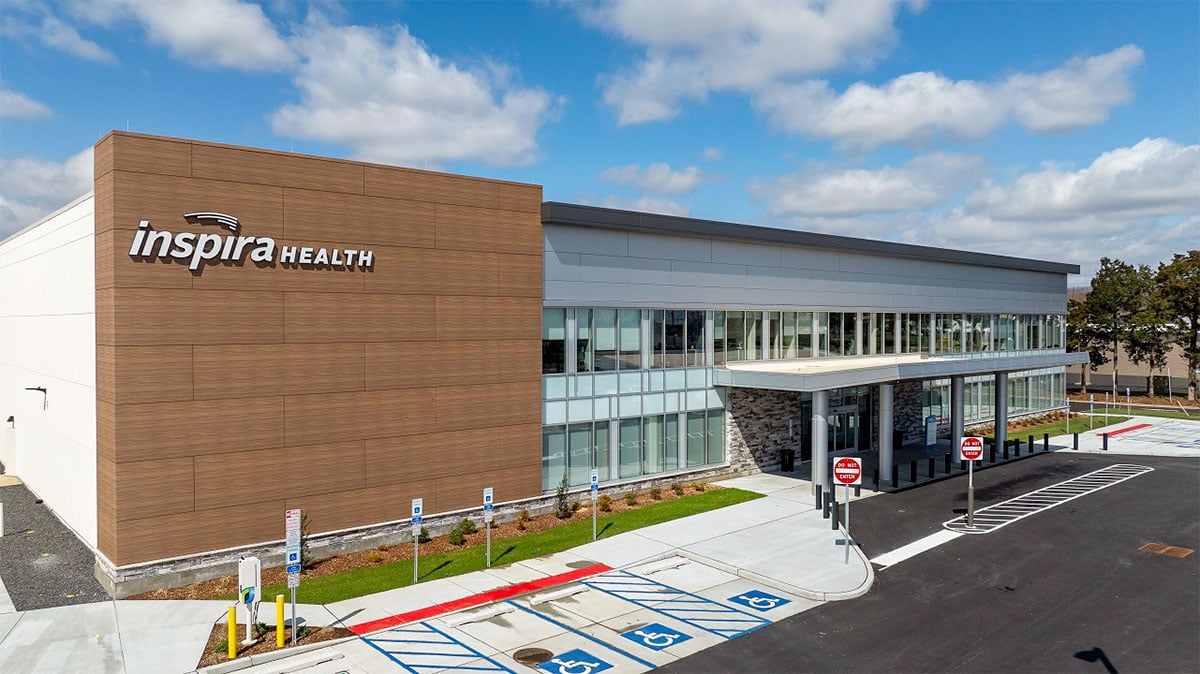
A standout example is Inspira Health Center Deptford, an outpatient facility that opened in 2024 in Deptford, N.J. Previously the site of a Dick’s Sporting Goods store, the 80,000-square-foot facility is located across the street from Macerich’s Deptford Mall and offers services ranging from primary care, OB-GYN and imaging to cardiac services. Inspira and Rendina Healthcare Real Estate teamed up on the $50 million project.
What can your building handle?
Medical practices often require additional infrastructure to support their work. If your building does not already provide that, your property may need potentially costly renovations to make the space suitable for medical tenants.
One of the most obvious differentiators between MOBs and traditional commercial assets is plumbing. Many practices, especially dentist offices, require a sink in every room. Beyond the need for additional sinks, the increased building traffic can strain plumbing systems that weren’t designed for it, according to Malika Peltier, a managing director at Rethink Healthcare Real Estate.
“The number of bathrooms, the amount of flushing and what people flush down toilets—I know it sounds like a small thing—but it ruins building systems that weren’t built to accommodate that type of traffic,” Peltier said. On Wallen’s current retail-to-medical project, for example, the existing water system could not adequately serve the upper clinical floors, requiring an additional booster pump.
Electrical and mechanical capacity can pose similar hurdles. Higher-acuity uses may require greater power loads, emergency generation, upgraded HVAC systems or even medical-gas infrastructure, Bardowsky said.
The structural capacity and floor loading of your building may also pose challenges. Certain types of medical equipment—such as MRI or CT scanners—can be extremely heavy, and not all buildings considered for conversion are equipped to handle that extra weight.
To account for this, one option is locating tenants with heavy equipment on the ground floor. This also helps with accessibility, as patients with mobility issues won’t have to ascend stairs or deal with crowded elevators to reach their doctor, Bardowsky noted.
Determining whether the building can support the intended medical use requires more than a typical leasing walkthrough. Wallen recommends bringing structural, mechanical, electrical and plumbing engineers into the process before signing a lease, since important building conditions may remain hidden until demolition.
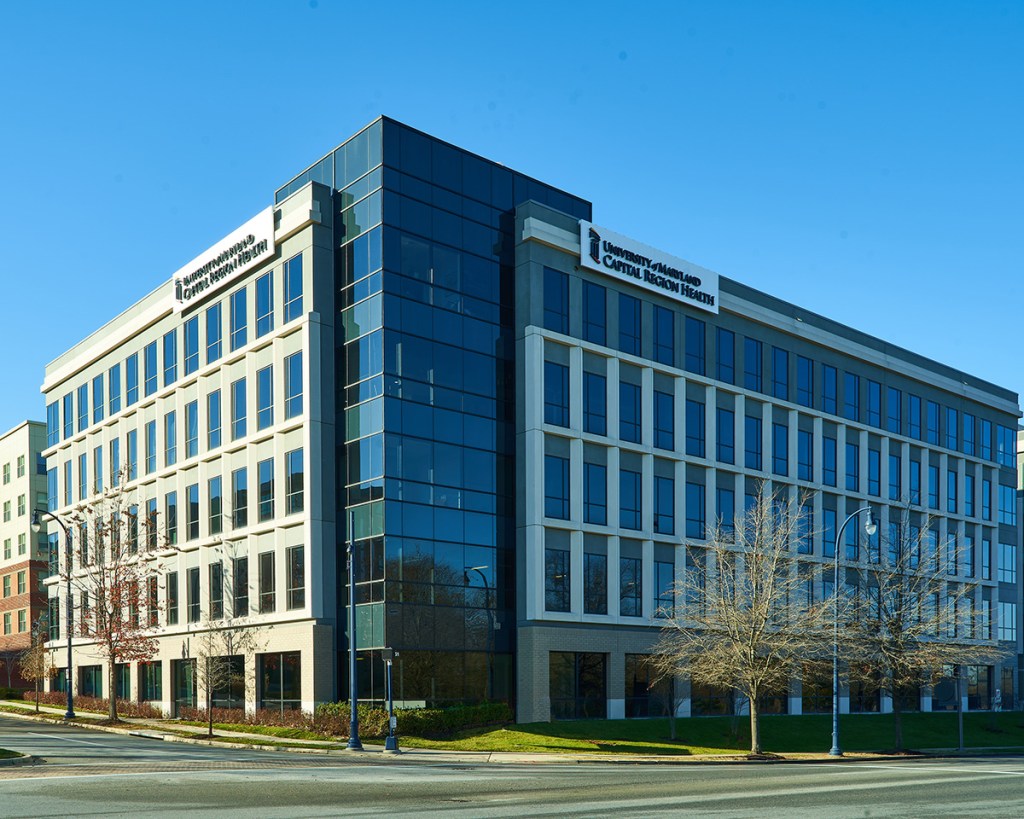
Disputes between owners and tenants often arise over whether work constitutes a base-building improvement or a tenant improvement. That’s particularly true when the renovation process reveals deficiencies in an aging property. Wallen said that conducting technical due diligence early and clearly defining which parties are paying for which improvements, can reduce the risk of disputes.
Those costs can also surprise owners accustomed to conventional commercial fit-outs. On Wallen’s current project, an early cost estimate of roughly $175 per square foot fell far short of the project’s requirements for medical construction. Health-care fit-outs can cost around $400 per square foot, she noted.
Beyond regulatory and site constraints, renovation costs should also be compared to the cost of developing purpose-built medical space. For medical practices that call for structural, MEP and infrastructure upgrades, the costs of those options can begin to converge. When it comes to those more acute MOB uses, “I would say the juice isn’t worth the squeeze,” said Bardowsky.
It’s very case-by-case, but you have to do your due diligence to really get a sense of it.
—Danei Wallen, Senior Project Manager, Group PMX
In some cases, little of the original building beyond its shell is reusable. Rethink has undertaken conversions that required stripping buildings nearly to their shells, and owners should weigh that level of rehab against the costs and efficiency of ground-up development.
“We have taken a building down to its studs and basically rebuilt it,” Peltier noted. “You’re almost building it from scratch. You’re just saving a little bit by keeping the outer shell.”
Also on the checklist: code requirements tied to the type of care being provided. Bardowsky pointed to NFPA 99, the National Fire Protection Association’s code governing specialized health-care systems such as medical gases and electrical infrastructure, and NFPA 101, which addresses fire protection, occupancy and safe egress.
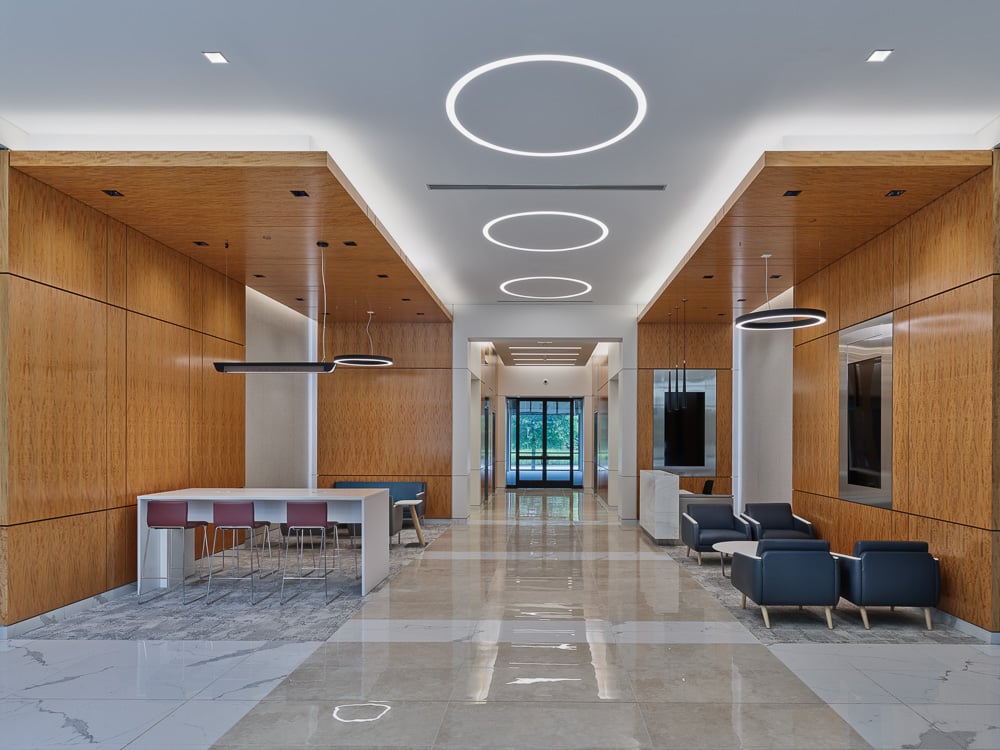
The footprint factor
The site, as well as the building, should be considered in MOB adaptive reuse decisions. Parking is a key factor, especially for full-building conversions. The traffic going in and out of doctors’ offices in a day is often higher than the number of people working in a conventional office building.
Although local requirements and medical uses vary, a helpful rule of thumb is that MOBs commonly require one to two more parking spaces per 1,000 square feet than office properties. For example, Columbia, S.C., requires five spaces per 1,000 square feet for medical office vs. 3.3 spaces for general office. If you don’t have the ability to add more parking, such rules may be an insurmountable barrier. As Bardowsky put it, “Parking is a major driver that can kill deals pretty quick.”

Like parking, zoning can be a challenge. A municipality may permit conventional office use for a site but impose stricter rules on medical occupancy. While sub-acute practices can often fit into existing zoning, more intensive clinical uses can require different zoning.
Beyond the construction and infrastructure factors at play, it’s also important to consider the tenant experience when you’re evaluating the potential for mixing traditional commercial space with medical space. According to Bardowsky, the preferable option when medical tenants and conventional office occupants share a building is to separate the two categories as much as you can. Separate entrances, signage and elevators for the medical offices can help keep all parties satisfied.
The benefits of that approach cut both ways. Providers often find it preferable to be located in a dedicated medical setting. That way, different practices from the same network can refer patients to one another. By the same token, your commercial tenants may also favor separation from their medical neighbors. “Office tenants don’t want to be next to a burgeoning primary care group, kids running around, sick people coming into the building to see their doctor,” Peltier said.
Medical tenants also expect property managers to understand health care-specific regulatory and compliance requirements. As Peltier noted, “You’re not going to have that when you’re an office property manager.”
From the initial feasibility study through construction and property management, medical adaptive reuse requires owners to evaluate far more than whether vacant space is available. Ultimately, each property presents its own equation.
“It’s very case-by-case, but you have to do your due diligence to really get a sense of it,” Wallen said. “And even then, you’re not going to know everything.”







You must be logged in to post a comment.