


Inside Tavistock’s Mixed-Use Development Prowess
What's behind the success of its ambitious projects?
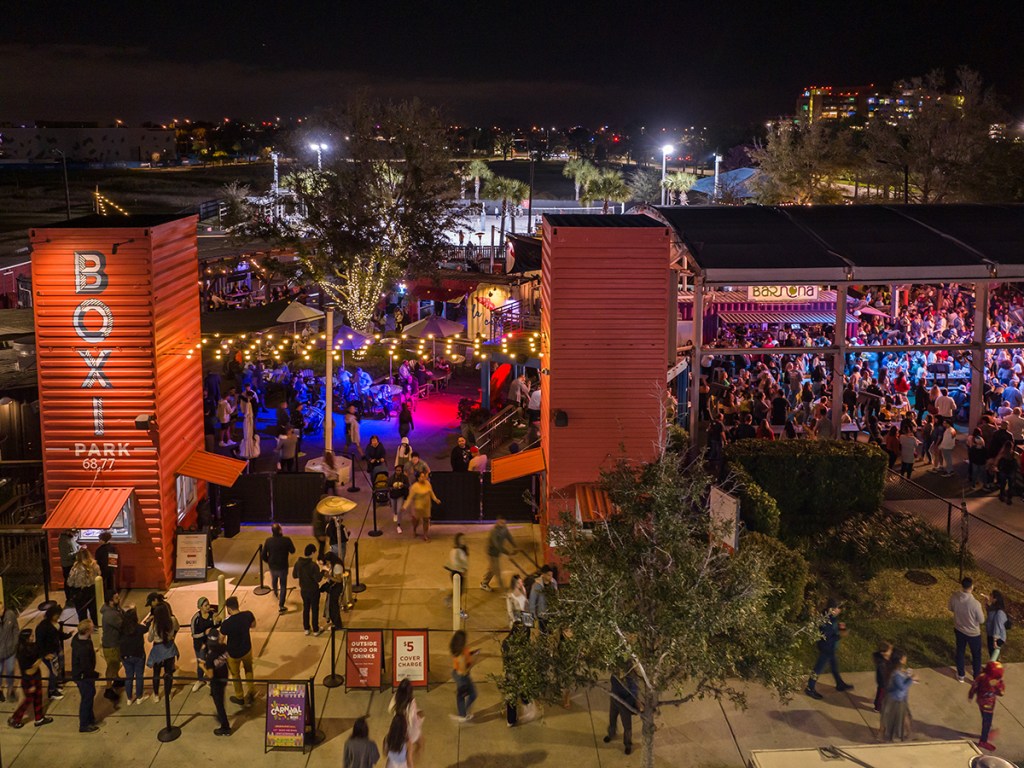
Retail and entertainment offerings at Lake Nona are designed to serve residents while also drawing visitors from outside the community. Image courtesy of Tavistock Development Co. 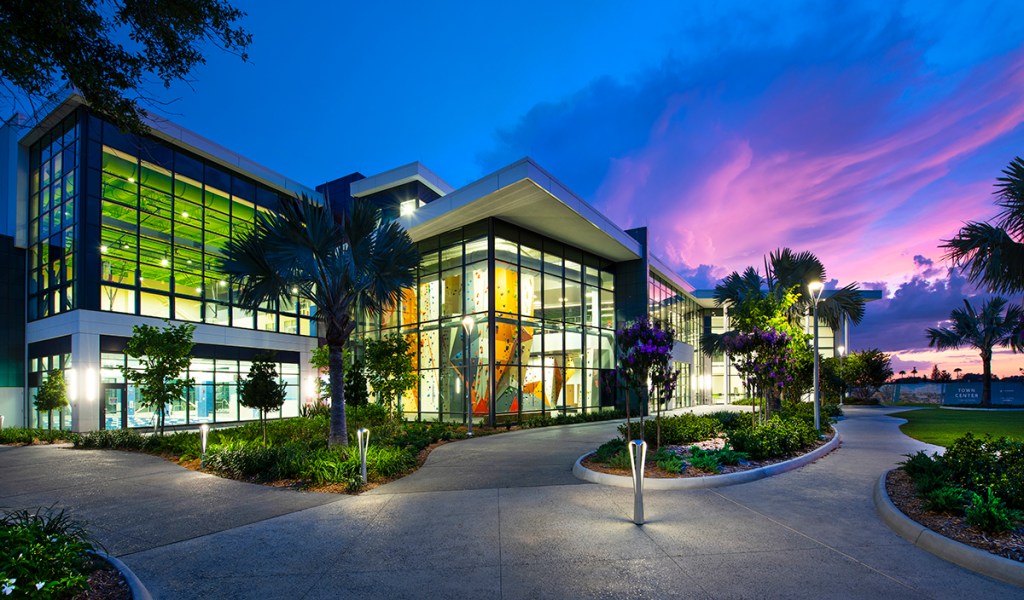
Lake Nona’s mixed-use environment includes amenities designed to serve residents and the broader community. Image courtesy of Tavistock Development Co. 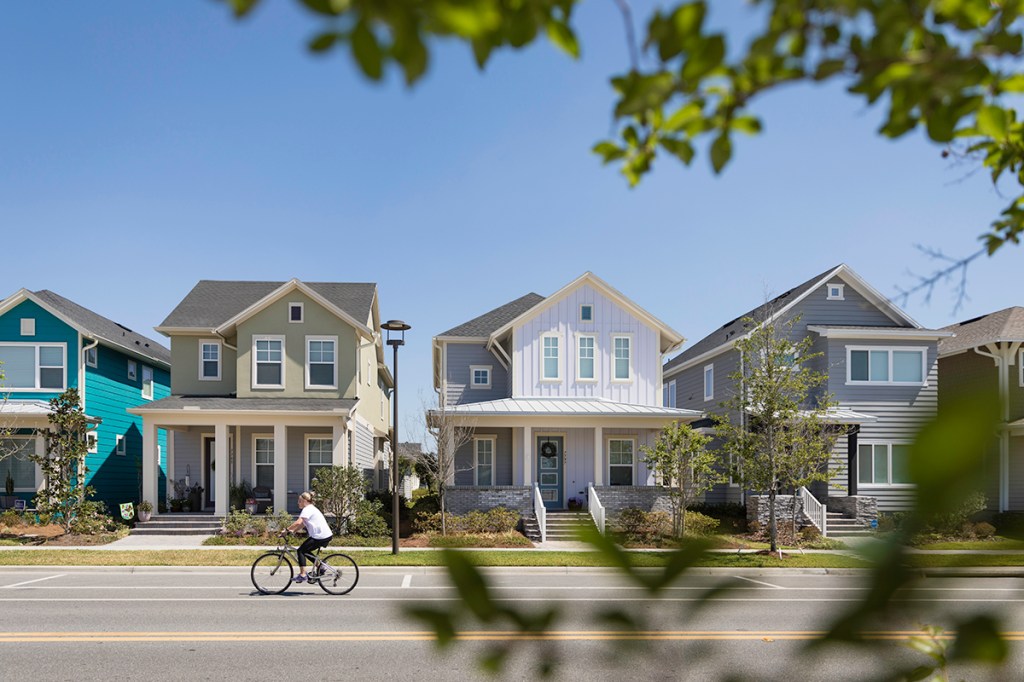
Residential development helps establish the demand for additional uses across Tavistock’s master-planned communities. Image courtesy of Tavistock Development Co. 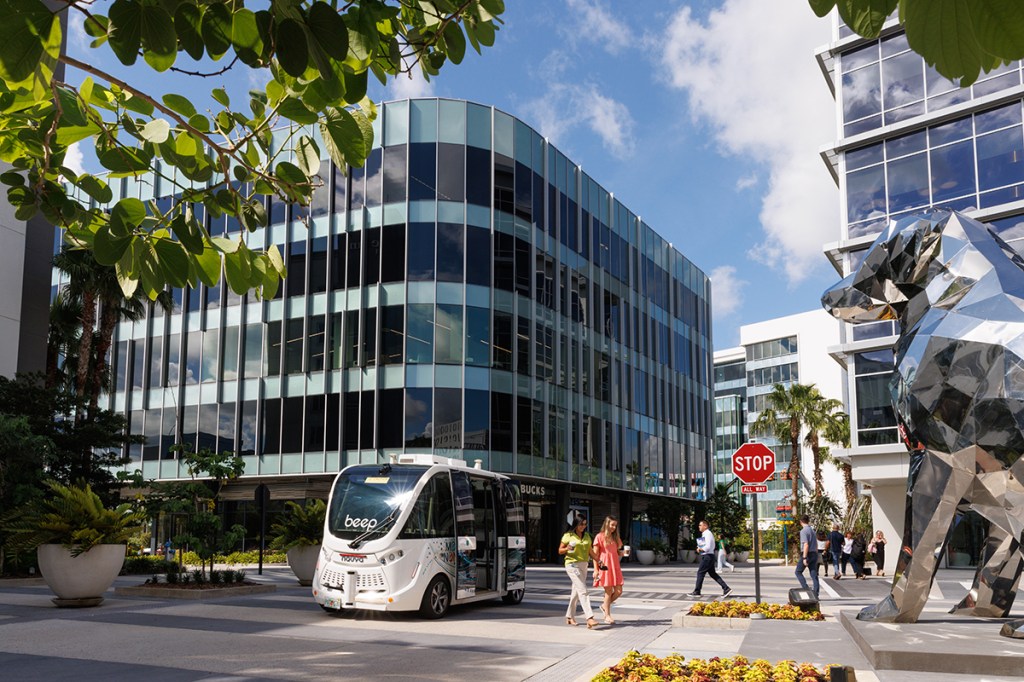
Lake Nona uses a Smart City model as the central idea tying together the larger development. Image courtesy of Tavistock Development Co.
In the aftermath of COVID-19, when office demand and financing sources fell off, Tavistock Development Co. was in the midst of adding an office building to its flagship Lake Nona master planned project in Orlando.
Tavistock, a subsidiary of The Tavistock Group global investment firm, could have paused like other developers had done. Instead, it funded the project out of pocket and moved ahead. In 2025, the building was completed and the company landed anchor tenant Siemens Energy, which plans to relocate 3,000 employees to more than 242,000 square feet in 2027.
At massive mixed-use projects throughout Florida, which also include Sunbridge in Orlando and Pier Sixty-Six in Ft. Lauderdale, Tavistock’s private ownership, long-term vision and expertise across multiple real estate sectors have given it financial flexibility and the time needed to adapt to changing market conditions and shifting tenant demand.
“From the beginning, Tavistock has taken a long-term view with a focus on creating lasting value rather than treating development as a series of individual assets,” Rob Holmes, executive vice president of operations at Tavistock Development Co., told Commercial Property Executive.

Tavistock’s Central Florida presence dates to 1993, when it acquired Isleworth, followed by Lake Nona Golf & Country Club and 4,000 surrounding acres in 1996. The real estate business, originally known as Lake Nona Land, later became Tavistock Development Co. as the portfolio expanded. Today, the company has more than 500 projects totaling 20 million square feet across Florida, Boston and Atlanta.
Justin Basquill, managing director of investments at Institutional Property Advisors, called Lake Nona one of Central Florida’s most significant new developments of the past 25 years. In addition to Tavistock’s forward-looking approach, Basquill credit’s the company’s ability to create synergies among different uses have positioned the project as a model for large-scale mixed-use development.
In it for the long haul
Projects like Lake Nona take decades of work, market knowledge and patience. With the intention of owning projects more permanently, the company can invest more upfront rather than prioritize immediate returns, according to Chris Gandolfo, senior vice president of development.
“The approach isn’t to cut corners just to save $1 here to increase NOI and profit line,” Gandolfo said. “The idea is by doing it right, by spending and investing a little bit more, the longer term they own it, the more it will pay off.”
Pier Sixty-Six, a 32-acre waterfront mixed-use development, was another of those forward-looking ideas. Tavistock acquired the original Pier Sixty-Six hotel and marina in December 2016 and added another 10 acres south of the property in 2018.
For Gandolfo, owning the surrounding land gives Tavistock greater control over how Pier Sixty-Six evolves. That means looking beyond a one-to-five- or even five-to-10-year development plan toward the next 10 to 25 years.
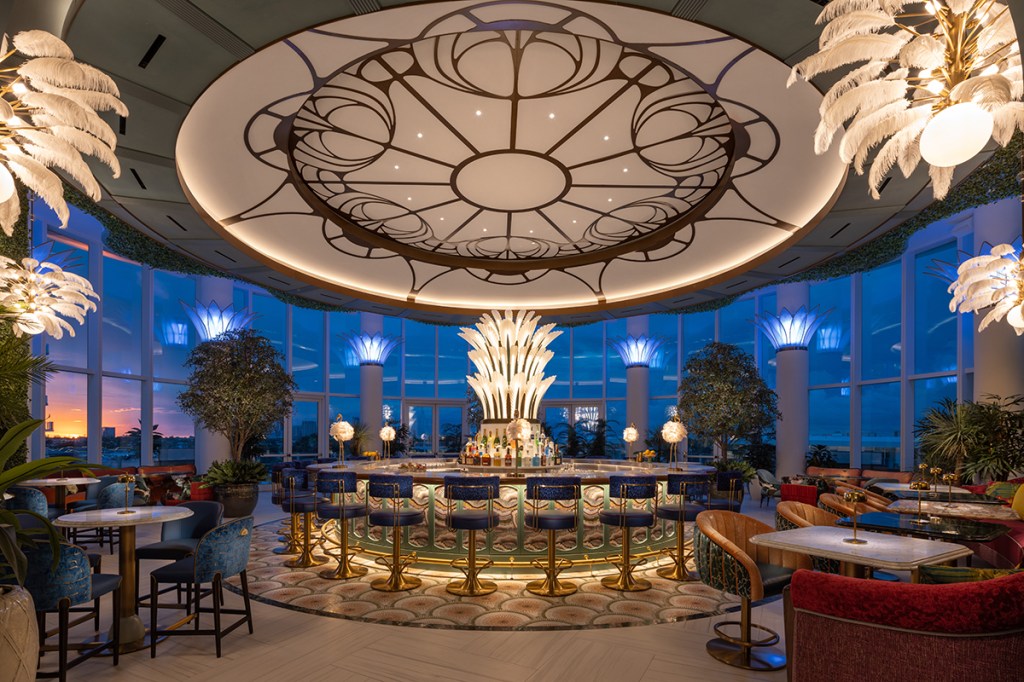
Pier Sixty-Six’s upscale repositioning included an expanded focus on amenities across the resort. Image courtesy of Tavistock Development Co. 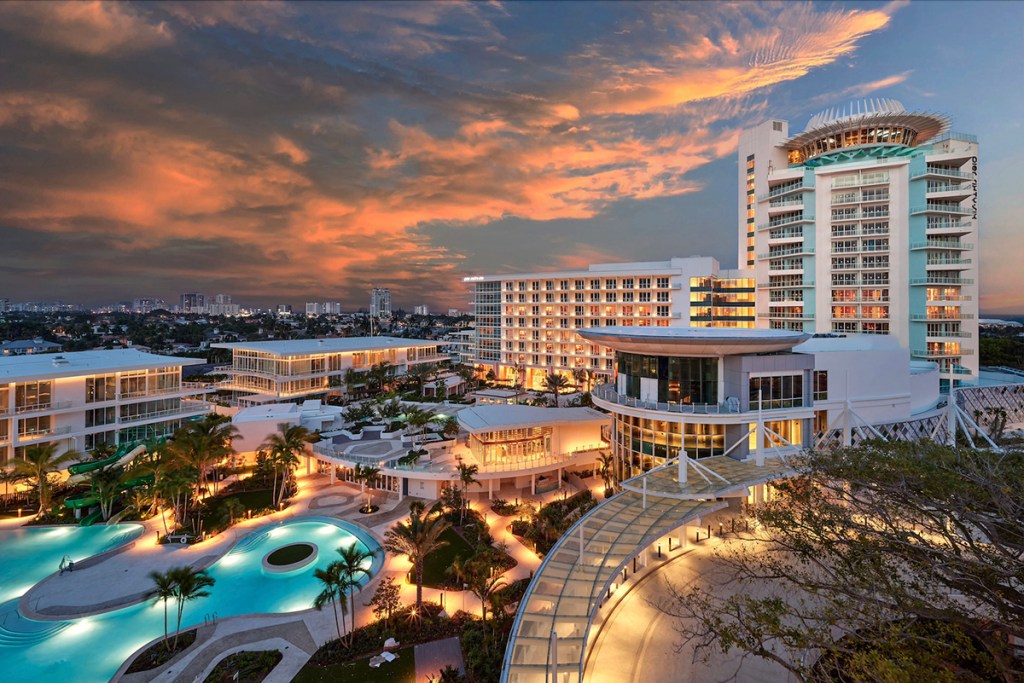
Tavistock repositioned Pier Sixty-Six further upscale following the pandemic, creating greater cohesion across the development. Image by Barry Grossman Photography. 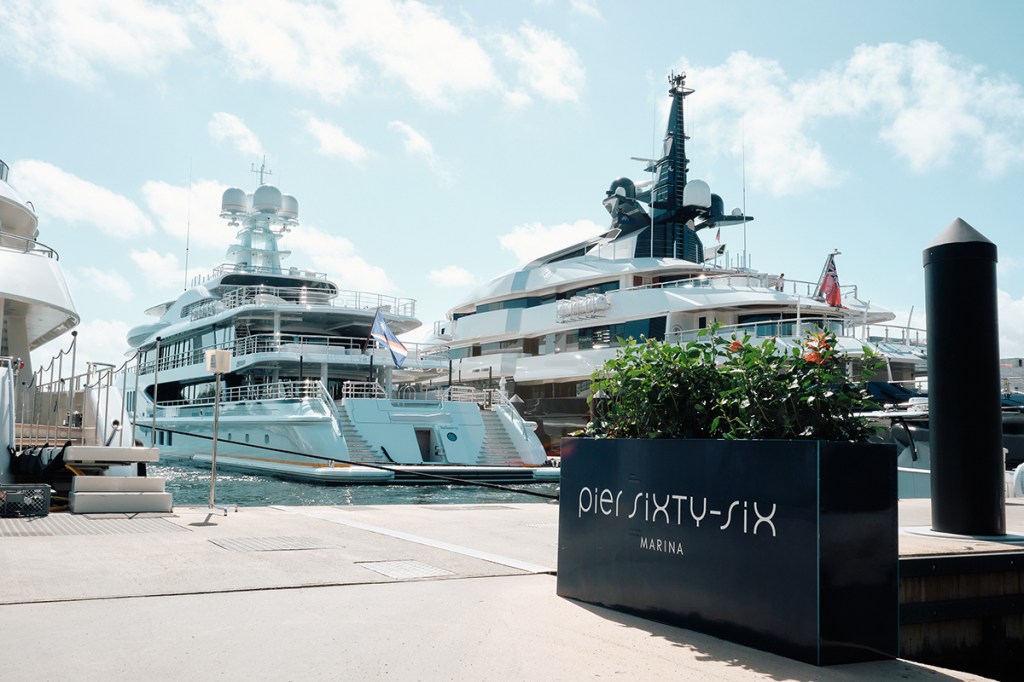
The marina at Pier Sixty-Six was expanded to accommodate larger vessels, a decision that also influenced Tavistock’s plans for the residential component. Image courtesy of Tavistock Development Co. 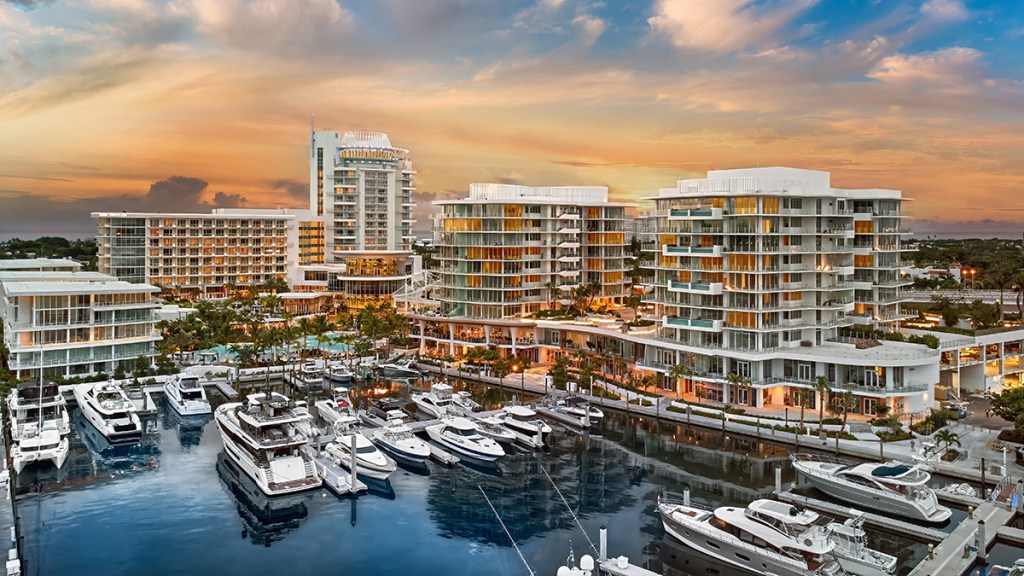
Pier Sixty-Six brings together hotel, residential and marina uses within the 32-acre Fort Lauderdale development. Image courtesy of Tavistock Development Co.
It starts with a vision
No two Tavistock developments look the same, but each starts with a central idea that ties the larger project together. Lake Nona, for instance, uses a Smart City model, while the 27,000-acre Sunbridge plan takes a nature-forward approach.
“Strategically, you have to take what the market will give you,” said Skipper Peek, senior vice president of commercial sales and development.
Tavistock announced Sunbridge as a master-planned community in Orange and Osceola counties in 2016. The concept grew out of the land itself, according to Clint Beaty, senior vice president of operations. The project has risen on acreage formerly owned by Deseret Ranches, which had primarily used it for agriculture while managing it for the future viability of wildlife populations.
The central idea was: “Can the natural environment and development embrace each other in a way where there’s benefit to both sides?” Beaty recalled.
In line with that strategy, roughly 13,000 of Sunbridge’s acres will eventually be placed into conservation while residents and visitors will be able to experience portions of the natural areas through passive recreation.
Having a vision doesn’t mean every piece of the puzzle is set in stone, however. “A master plan, when you look at 27,000 acres, it’s a playbook,” Beaty said. “It is directional, and it is not something that is immutable. You are going to continue to tweak and make changes.”
That combination—place-led vision, thoughtful integration and long-term stewardship—is what makes it a Tavistock development.
—Rob Holmes, executive vice president of operations, Tavistock Development Co.
One of the ways Tavistock had to pivot at Sunbridge involved a planned road connecting the northern and southern portions of the property, Beaty explained. Tavistock inherited a plan that called for a four-lane elevated road and 2.5 million square feet of convention space through an area with three natural lakes.
But after visiting the site, Tavistock found the area to be a “sanctuary” that would have been disrupted by the existing plan. So, instead, Tavistock began working with county officials to move the road east, which in turn changed the road network and portions of the land-use plan.
And being able to change direction doesn’t end after breaking ground. The company also remains involved on the operations side, using what it learns after residents and businesses arrive to influence future phases.
“When you have 27,000 acres, you don’t know everything on day one,” Beaty said.
Building across the real estate chessboard
One of Tavistock’s advantages is its expertise across multiple real estate sectors and multiple verticals. This gives the company the agility to respond to what the market needs—whether it’s retail, industrial, residential or something else—and it can develop most property types in-house.

But rather than looking at each of those sectors individually, Peek said, Tavistock considers how they work together. Retail, restaurants and fitness uses can support both residents and office tenants, while hospitality can serve the needs of businesses and visitors within the larger community.
“It’s like playing chess on a three-layer chessboard,” Gandolfo said.
Prior to COVID, Pier Sixty-Six’s hotel, marina and residential uses were more siloed. When the pandemic forced a pause, Gandolfo said, Tavistock took a step back and reassessed the plan. The company ultimately moved the project further upscale while creating greater cohesion among the hotel, marina and residential uses, including through The Club at Pier Sixty-Six.
As Tavistock repositioned the project, decisions surrounding one use increasingly influenced the others. Expanding the marina to accommodate larger boats, for example, affected the type of residential product Tavistock wanted to offer. If the project was targeting boaters with vessels of 90 feet and larger, a two-bedroom residence might no longer make sense for that buyer.
“Whatever chess piece you move, you got to be cognizant of the next move and the next move after that because it’s all interrelated,” Gandolfo said.
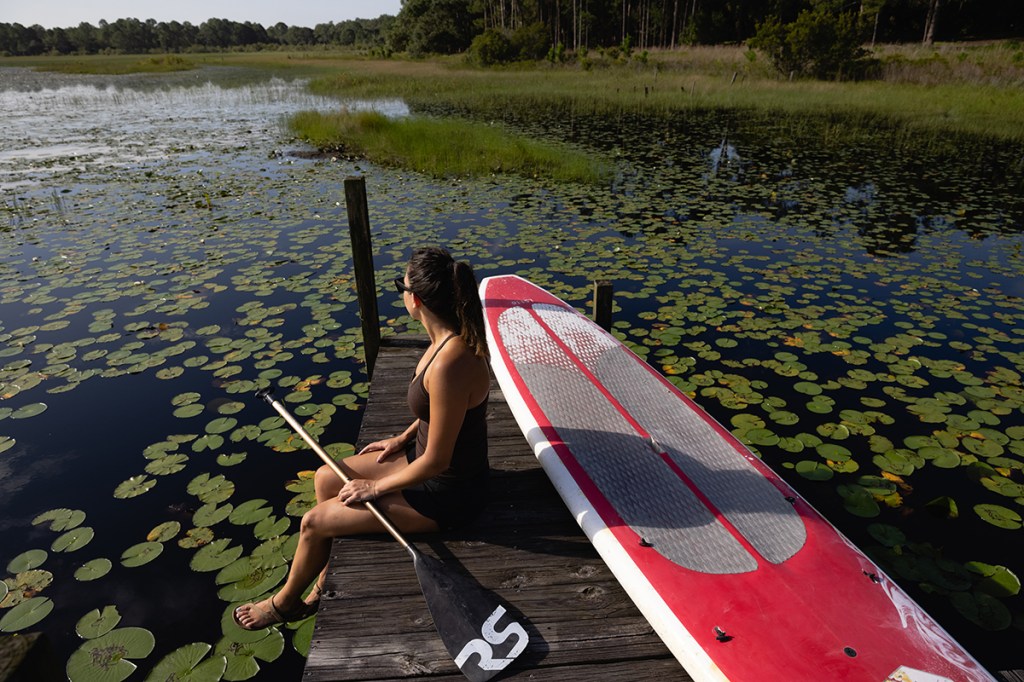
Sunbridge allows residents and visitors to experience portions of its natural areas through passive recreation. Image courtesy of Tavistock Development Co.Sunbridge allows residents and visitors to experience portions of its natural areas through passive recreation. Image courtesy of Tavistock Development Co. 
Sunbridge blends residential development with the natural environment that helped shape the community’s master plan. Image by Scott Cook Photography. 
Sunbridge’s nature-forward approach grew out of the property’s history and Tavistock’s plans for long-term conservation. Image courtesy of Tavistock Development Co.
Following demand
Tavistock’s large-scale master-planned projects start with the residential component, which influences what other uses the area can support and when additional amenities and commercial development can come online.

The retail component of a development is there to serve the daily needs of residents while simultaneously creating a destination that will attract outside visitors, Joanne Ling, senior director of commercial sales, leasing and development at the company, told Commercial Property Executive. “We specifically at Tavistock do not overdevelop the retail,” she said.
This strategy was applied at Lake Nona. When Ling joined Tavistock, Lake Nona was pursuing grocery stores and retailers that met residents’ immediate daily needs. As the community grew, its retail needs became more complex.
Lake Nona West, the community’s newest retail project, includes roughly 405,000 square feet of retail anchored by Target. Ling said Tavistock had been in discussions with the national retailer, waiting until both the community and Target were ready for the project, for longer than her 12 years.
“We had been speaking with Target for longer than I’ve been with the company, and really making sure that when the timing was right, they said ‘yes’ and, when the timing was right, we had the perfect place for them,” Ling said.
The beauty of Tavistock is the intentionality behind the development.
—Joanne Ling, senior director of commercial sales, leasing and development at the company
This idea also influenced the overall development of Lake Nona West. Juan Gimeno, vice president of design and digital practice at Cuhaci Peterson, the project’s architecture partner, said the team looked beyond individual buildings and storefronts to how visitors would experience the larger destination.
Retail, dining, landscaping, public art, lighting, pedestrian areas and architecture were not treated as separate elements, Gimeno said, but “pieces of the same story.”
Resident feedback and demographics also play a large role in tenant curation. At Barnes & Noble’s newer, smaller-format store at Lake Nona West, Ling said, the location includes a large children’s section, aligning with the community’s large population of young families.

As Lake Nona’s employment base grew, its daytime population also became a greater influence on the retail mix. “Their voices got louder,” Ling said, though the needs of the daytime population can be harder to identify than those of residents, who tend to be more vocal.
Those needs included breakfast and lunch options, early-learning centers and services employees could access during the workday. Tavistock uses that feedback to help determine which tenants to pursue.
“I’m not creating a project and leasing to a rent roll,” Ling said. “I’m creating a project and leasing to our community and our market and the future vision for our community.”
Over the last decade, Tavistock’s strategy has also shifted alongside broader retail trends. Ling said retailers that once avoided restaurants and fitness users as co-tenants are now asking about food-and-beverage offerings and fitness operators, which can help drive repeat visits.
Looking ahead, Ling expects retail to become more integrated with other property types, including stores beneath residential and office towers. At Lake Nona, she described the future retail strategy as a “blank canvas,” with Tavistock now thinking about how to program the community for the next 30 years.
“As we add pieces, think of it like a mosaic or a tapestry,” Peek said. “As we fill in little pieces, it really builds on itself and creates more demand.”






You must be logged in to post a comment.