

Can First Fed Hike in 3 Years Dent Inflation?
Refinancing legacy CRE loans could get tougher, sources say.
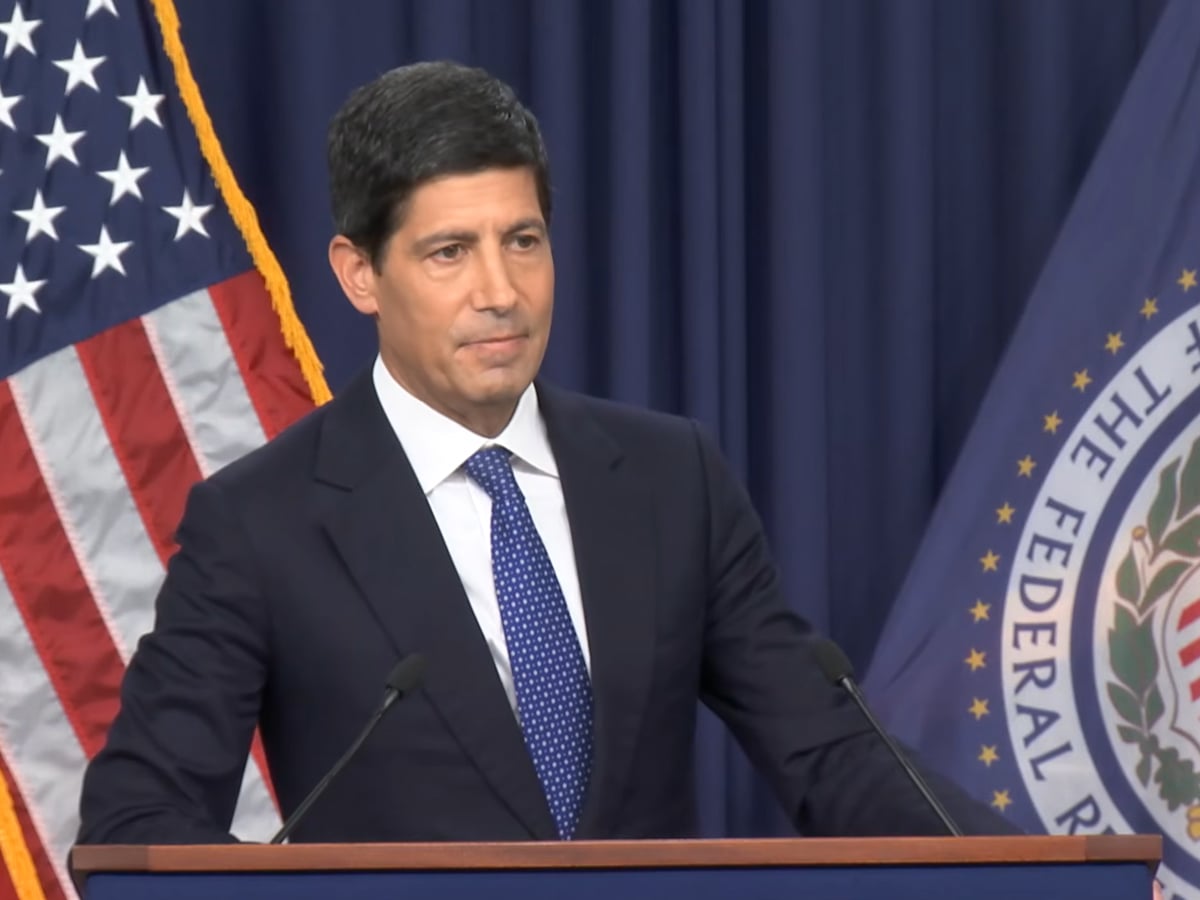
The Federal Open Market Committee has voted to raise interest rates for the first time since July 2023. The move comes as inflation continues to persist due to the war in Iran and high energy costs.
The target rate now sits at 3.75 to 4 percent, reverting to its January 2025 level, when the rate was on its way down. The decision came in a unanimous vote.
The industry had largely been expecting the outcome, especially following the release of the August Consumer Price Index, which showed that prices had risen 0.4 percent since July, with year-over-year core inflation holding at 3.4 percent.
READ ALSO: What a Credit-Led Recovery Means for CRE Investors
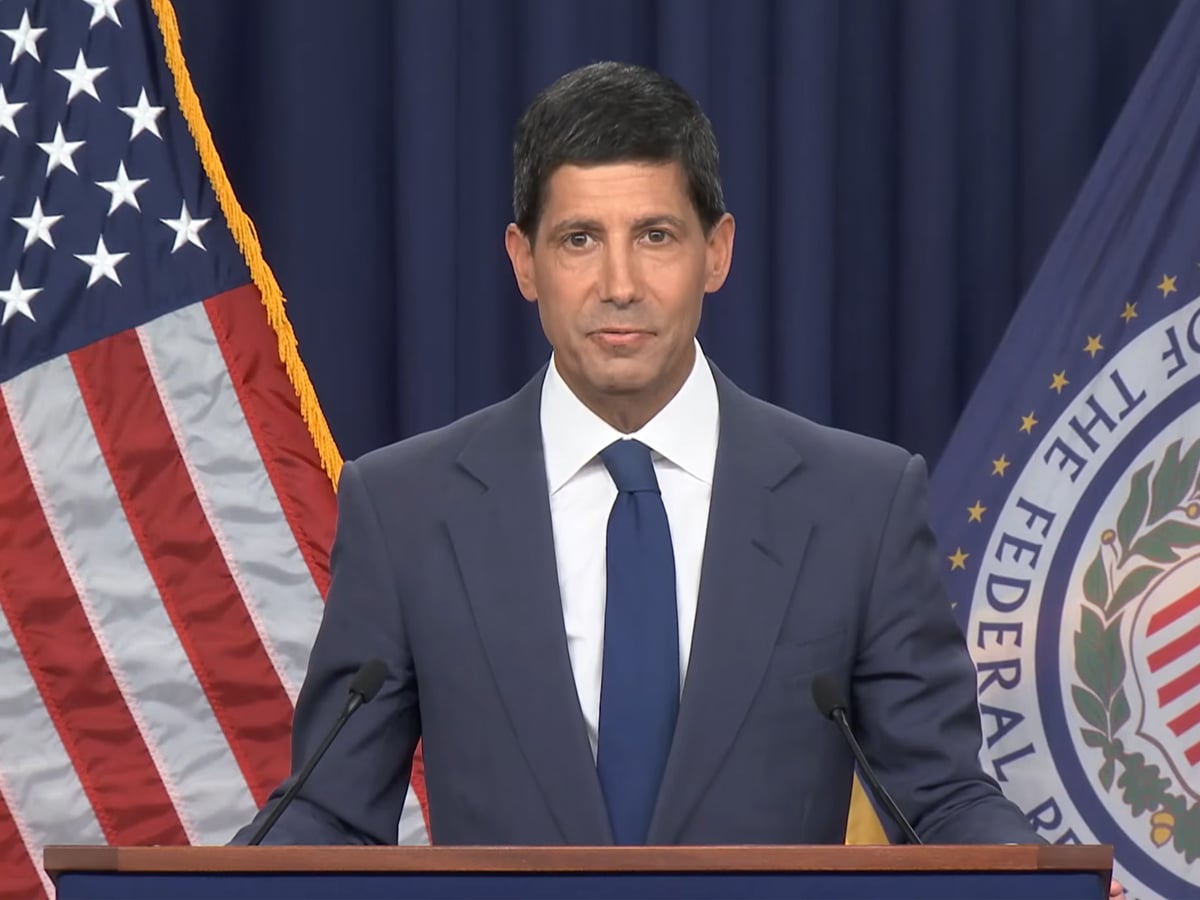
Projections released alongside the committee’s decision show that 18 of the 19 FOMC members expect one more quarter-point increase before the end of the year. Federal Reserve Chair Kevin Warsh did not submit a projection of his own.
In a news conference following the committee’s meeting, Warsh said that while the economy and labor market remain broadly strong, inflation continues to be a challenge that the FOMC seeks to address.
“The committee’s unanimous vote shows our resolve to achieve price stability on a timelier basis,” Warsh said. “We aim to ensure that credit and financial conditions are consistent over time with our mandate, that relative price changes in some sectors of the economy do not broaden, that inflation compensation in market prices stays low and that inflation expectations remain anchored.”
The outlook for CRE
While commercial real estate has been adapting to the higher-for-longer rate environment, experts who spoke to Commercial Property Executive noted that a hike may inject more uncertainty and volatility into decision-making.
“A measured increase would likely slow the CRE capital markets’ recovery at the margin,” Ryan Severino, chief economist & head of research at BGO, told CPE ahead of the FOMC meeting. “The broader CRE market recovery will likely continue because of reset values, limited new supply and improving income, (which) can still produce an attractive investment vintage.”
Properties with near-term debt maturities, or loans already operating under extensions or modifications, may face the brunt of the increase, according to Baker Tilly Principal Brent Maier.
“A rate hike could accelerate the shift we’ve seen from ‘extend and pretend’ toward lenders requiring owners to contribute additional equity, sell the property, restructure the debt or otherwise resolve the situation,” Maier said. “Properties whose values have fallen below their outstanding loan balances will remain especially difficult to refinance.”




You must be logged in to post a comment.