


$2B Research Triangle Project Tops Out
The upcoming facility is part of a $50 billion R&D and manufacturing expansion strategy.
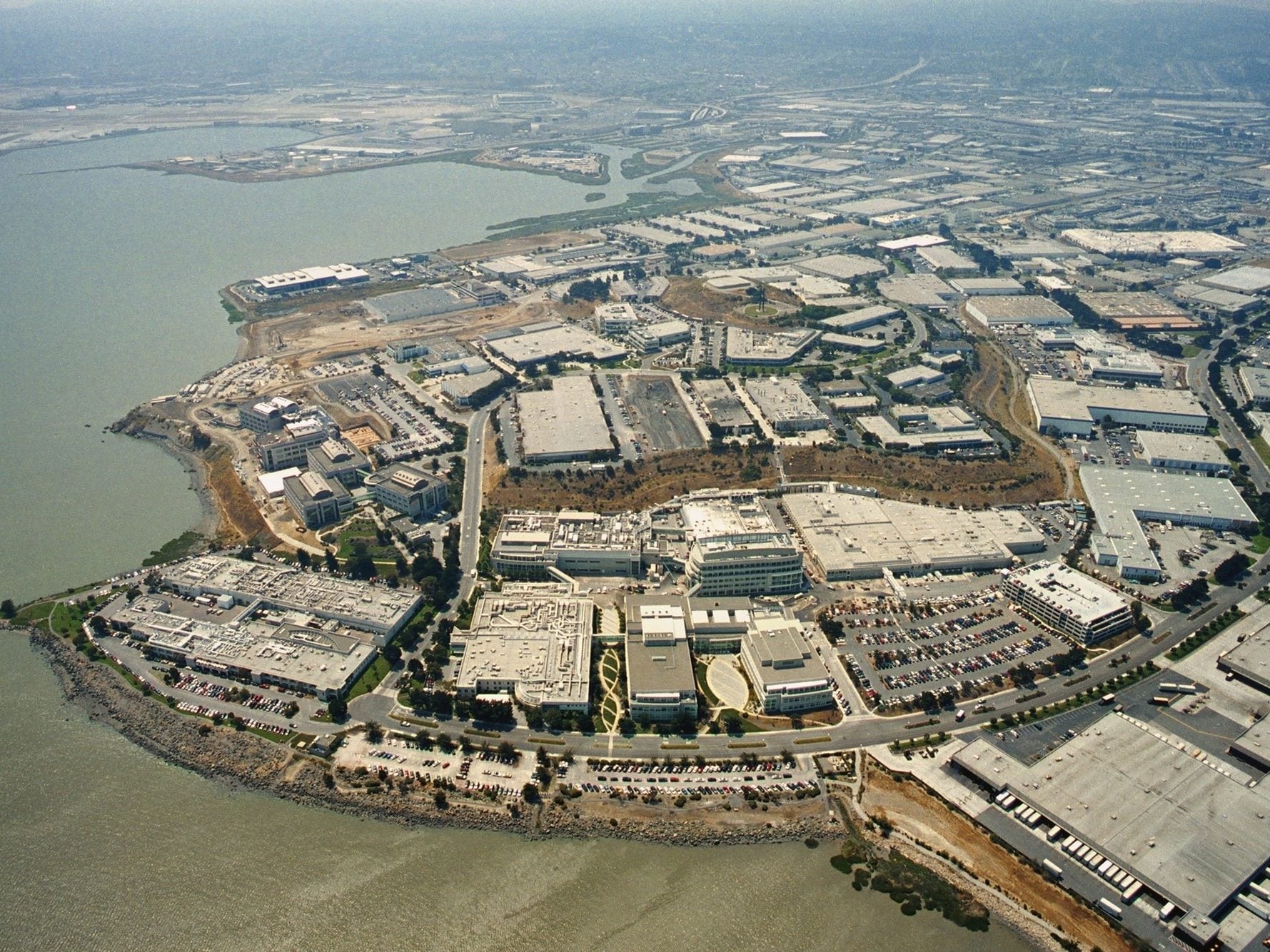
Genentech, a member of the Roche Group, has topped out its $2 billion manufacturing facility in Holly Springs, N.C. This is the firm’s first-ever East Coast property.
Genentech unveiled plans for the project last May, estimating a $700 million capital investment. The company broke ground three months later and has since more than doubled that commitment. Operations are expected to begin in 2029.
The 700,000-square-foot development is part of Roche and Genentech’s $50 billion plan to expand their R&D and manufacturing infrastructure across the U.S. The companies currently operate 13 facilities and 15 R&D sites with roughly 25,000 employees spread across eight states.
READ ALSO: Alternative Disruptors: Life Science Real Estate in Transition
Once completed, the facility will produce treatments for metabolic conditions. The Holly Springs plant will use advanced biomanufacturing, automation, robotics and digital technology aimed at increasing efficiency and supporting sustainability.
The development rises on a 102-acre site at 4001 Friendship Road, in the Southwest Wake County submarket of the Raleigh-Durham region. Downtown Raleigh and its international airport are both within 21 miles of the property.
The site is also across from Amgen’s campus. Other nearby life science operations include FUJIFILM Biotechnologies’ cell-culture biomanufacturing facility, one of the largest such plants in North America, and CSL Seqirus’ cell-based influenza vaccine manufacturing plant.
Genentech’s Holly Springs drug production facility is expected to support more than 2,000 jobs, out of which 1,500 jobs are construction-related and 500 are high-wage manufacturing roles. Genentech is partnering with local academic institutions for preparing future workers for careers in AI, robotics or biomanufacturing.
Pharma investments continue in Raleigh-Durham
The life science sector in Raleigh-Durham continues to witness elevated vacancy, substantial capital flow and development contraction, according to a recent report by Savills. In the second quarter, the metro’s life science vacancy rate declined 160 basis points year-over-year, reaching 23.1 percent. The total available space also declined to 3.3 million square feet, reflecting renewed biotech lab space demand.
Despite the headwinds, large pharmaceutical companies continue to invest in the Research Triangle region. One of them is AbbVie, which is developing $1.4 billion campus with manufacturing, lab, office and warehouse facilities on 185 acres near Durham, N.C. The company’s first North Carolina location is expected to come online in 2028.




You must be logged in to post a comment.