


AH Realty Secures $66M Refi for Baltimore Office Building
JLL Capital Markets arranged the deal on behalf of the borrower.
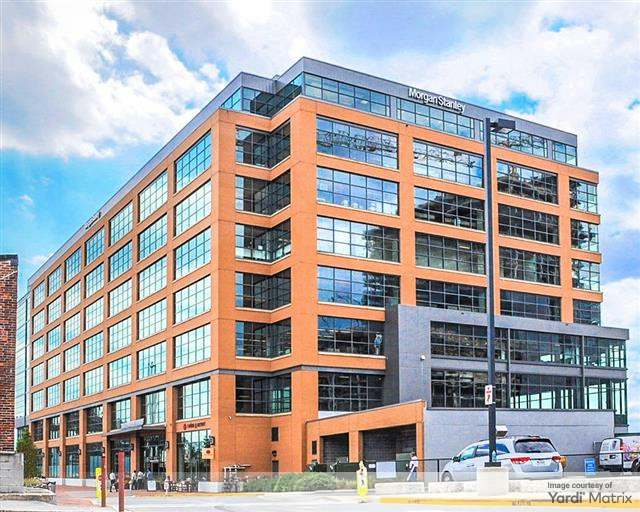
Image courtesy of Yardi Matrix
AH Realty Trust—formerly known as Armada Hoffler Properties—has secured a $65.7 million refinancing loan for Thames Street Wharf, a 263,426-square-foot office property in Baltimore. JLL Capital Markets arranged the five-year note on behalf of the borrower.
AH Realty Trust purchased the property in 2019 from KBS Realty Advisors for $101 million, or $383 per square foot, according to Yardi Matrix information, using a $70 million acquisition loan.
In 2021, Bank of America opened a line of credit on the asset, scheduled to mature in September 2026.
A waterfront office building
Developed by Beatty Development Group, Thames Street Wharf came online in 2010 on a 1-acre site within the Harbor Point District, marking the first property to be completed across the redeveloped industrial brownfield. Upon completion, the Harbor Point project will comprise 4.5 million square feet of office, retail, multifamily and hospitality space, as well as 9.5 acres of green areas.
READ ALSO: Top Commercial Mortgage Brokers
A LEED Gold-certified building, Thames Street Wharf rises eight stories and features 34,248-square-foot floorplates. The mid-rise is at 1300 Thames St., some 1.5 miles southeast of downtown Baltimore, overlooking Patapsco River. At the time of the deal, the property was 98.8 percent leased, anchored by Morgan Stanley, which occupies 242,000 square feet.
JLL Capital Markets Senior Managing Director Scott Aiese and Director Alex Staikos led the debt advisory team that arranged financing and represented the ownership in the transaction.
Refinancing deals and capital markets across the U.S. office landscape continue to face challenges. Lenders and investors prioritize high-quality and well-located assets with strong tenant demand, much rather than looking at the scale of an office property. This flight to quality brings Class A assets forward even more so than before, while lower-quality and obsolete buildings face growing pressure to remain competitive.




You must be logged in to post a comment.