

Exclusive: Twin Cities Office Asset Scores $50M Financing
The property debuted in 1998.
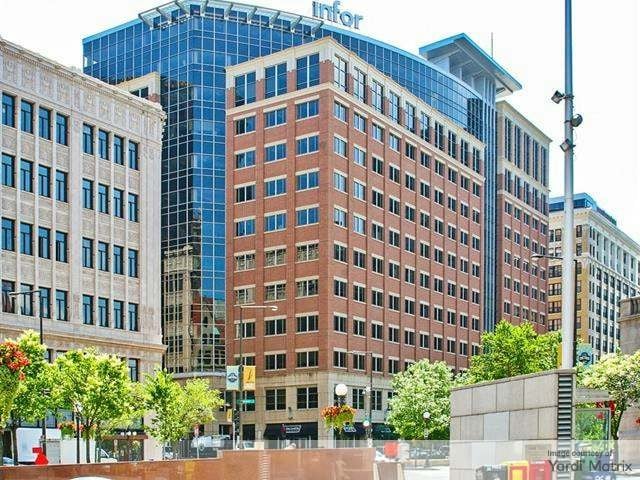
Frauenshuh has obtained $49.5 million for Infor Commons, a 436,478-square-foot office building in St. Paul, Minn., according to Yardi Matrix information. Insurance company Genworth Financial provided the debt.
Previous financing included a $49.5 million permanent loan originated by PNC Bank in March 2016. That note was set to mature in April this year. Frauenshuh used it to purchase the property for $68.4 million—about $157 per square foot—from Tier REIT.
Office loan originations in the first quarter of this year dropped 2 percent compared to a year earlier, according to a Mortgage Bankers Association report, reflecting broader commercial property trends. Quarterly, this metric saw a 28 percent drop from the fourth quarter of 2025.
Infor Commons, up close
The firm also owned the asset between 2000 and 2005, before selling it to the investment trust. The property traded for $84.5 million at the time, marking a $16.1 million price reduction at the time of acquisition later in 2016.
Located at 380 St. Peter St., the LEED Gold-certified building is within St. Paul’s central business district and within 10 miles from downtown Minneapolis. The 13-story property also has access to Interstate 94.
Completed in 1998, the mid-rise features 20,000 square feet of retail space and is transit oriented. Floorplates range between 31,674 and 34,497 square feet. The building has a fitness center and seven passenger elevators and is connected to a 1,000-stall parking ramp.
Twin Cities office sector remains steady
The Twin Cities office sector had a 17.7 percent vacancy rate as of April, placing it almost exactly in line with the 17.6 percent national average and making it one of Midwest’s more stable major office markets, according to a Yardi Matrix report. However, this figure was 160 basis points above last April’s index.
At the same time, the metro’s average listing rate reached $27.66 per square foot, up 5.6 percent year-over-year, reflecting landlords’ ability to maintain pricing despite ongoing demand challenges. While the market remains affected by elevated downtown vacancies, particularly in Minneapolis and St. Paul CBDs, asking rents have continued to trend upward as tenants increasingly gravitate toward higher-quality office assets.




You must be logged in to post a comment.