

How Woodside Health Approaches Medical Outpatient in 2026
Principal Ben Barr discusses operations, market clustering and investment discipline in this resilient sector.
While other asset classes recalibrate, health-care real estate remains anchored by structural demand. An aging population, consistently high occupancy levels, strong tenant retention and a restrained construction pipeline are among the medical office real estate trends that define today’s landscape.
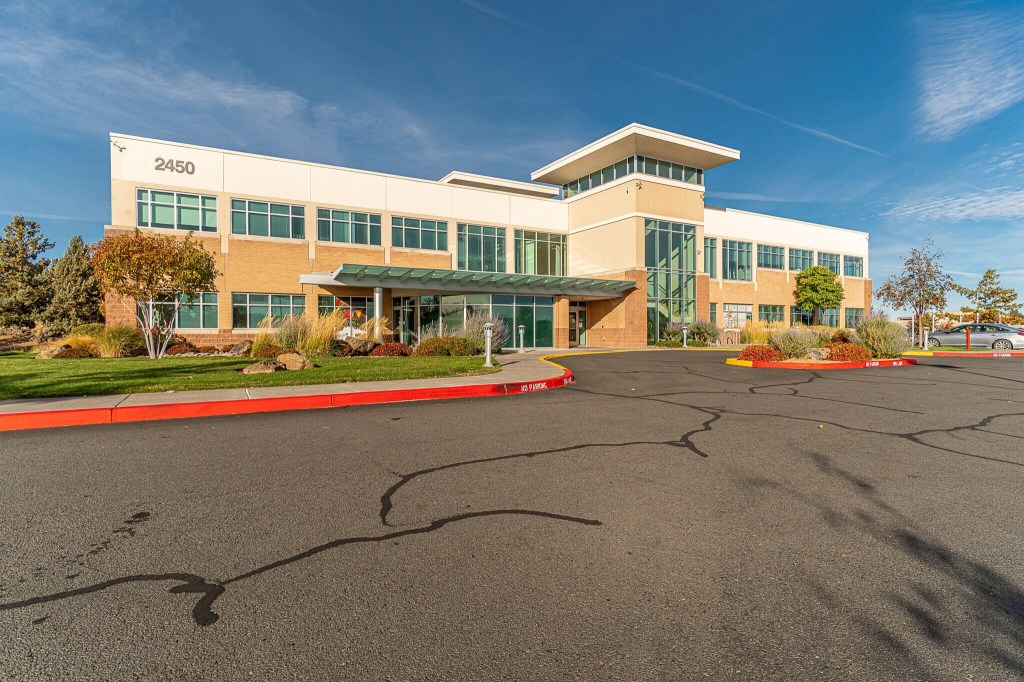
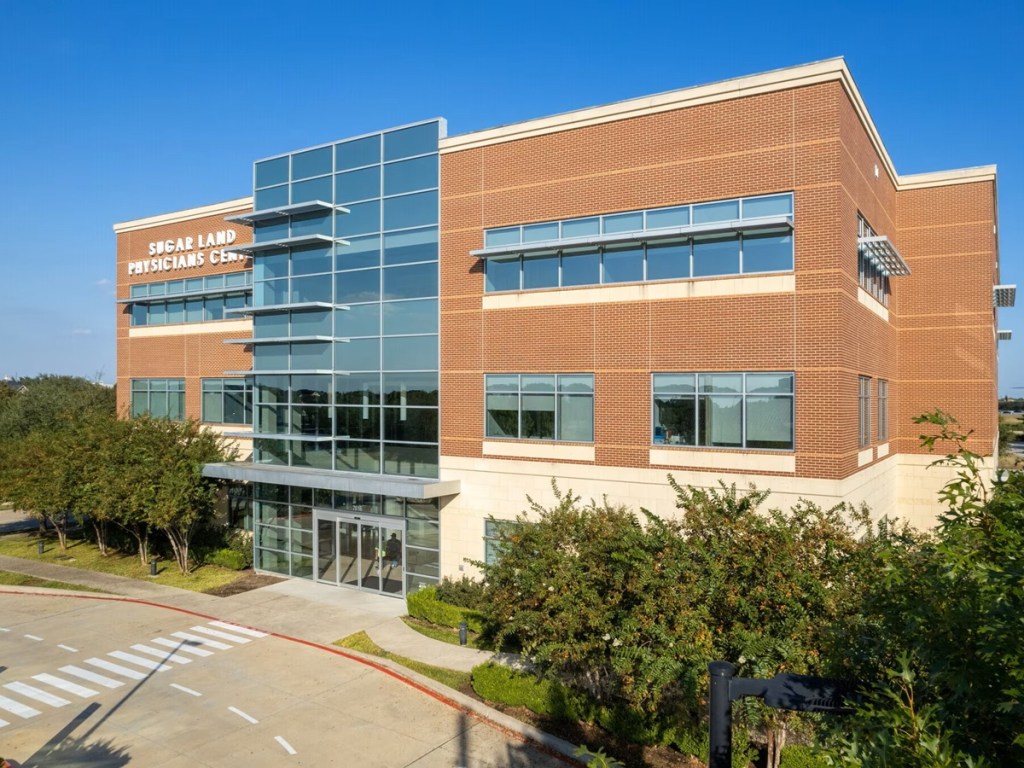
Because health care is a non-discretionary service, outpatient facilities have maintained investor appeal across cycles, positioning the sector as a defensive allocation within diversified portfolios. Woodside Health is one of the firms operating at the center of this sector. The company currently manages 2.2 million square feet nationwide and has executed $1.5 billion in transaction activity, with assets spanning Arizona, Ohio, Texas, Nevada, Florida and North Carolina.
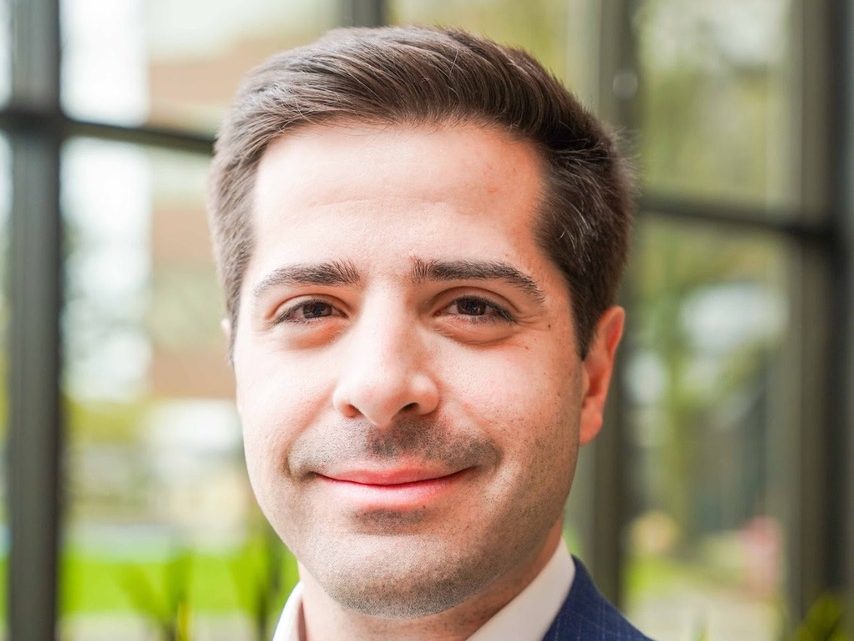
In this Q&A with Commercial Property Executive, Principal & Managing Partner Ben Barr discusses how Woodside approaches investment and operations, the retention strategies supporting long-term occupancy and how he sees the medical outpatient sector evolving in 2026.
READ ALSO: Top 5 US MOB Markets by Inventory
You’ve been active in the medical office sector for nearly two decades. How have your operations and strategy evolved as the MOB landscape has changed over that time?
Barr: Since 2008, Woodside Health has invested in health care real estate assets in markets with strong population demographics and a high demand for medical services. Historically, this strategy concentrated our investment focus in the Sun Belt states, where the aging population migration has been most pronounced. More recently, we have expanded into additional markets that exhibit the same favorable fundamentals.
Over the years, medical outpatient buildings have gained increased attention due to their resilience amid market fluctuations. The strong performance of the asset class has attracted more capital, making the investment landscape more competitive. In this environment, we’ve invested in and further refined our approach to sourcing off-market opportunities.
From an operational standpoint, we built our business around hands-on management and a relationship-driven service model for our tenants. As we have scaled to nearly $1 billion in assets under management, we have remained committed to maintaining this same level of focus and service across our entire portfolio. Our team has been central to growing the portfolio while preserving the quality of our integrated approach to ownership and management services.
How are current macroeconomic conditions and health care policy shifts influencing your business and approach?
Barr: These factors influence both our business and our tenants, particularly through inflation, interest rates and insurance reimbursement levels. In response, we have focused on securing cost efficiencies that help offset rising expenses and revenue pressures for our tenants. For example, we recently implemented an umbrella insurance policy across our portfolio to reduce premium costs without increasing risk.
We view our tenants as partners and, by supporting their success, we often find that it translates to strengthening our success as well. While many of these shifts are unavoidable, we actively work to mitigate their impact in a way that supports both our tenants and investors.
How has the aging population trend shaped your approach to selecting new medical outpatient assets to invest into?
Barr: When we launched the business, Baby Boomer migration was gaining momentum and was largely concentrated in Sun Belt markets. In recent years, migration has broadened to additional regions, including the Carolinas and the Pacific Northwest. This evolution has directly shaped the markets we pursue for new investment opportunities.
For each investment opportunity, we assess the convenience and accessibility of the location for patients, as well as the synergistic nature of the tenant mix. Our objective is to acquire well-located medical office assets that support efficient patient care and foster a tenant base that enhances one another’s success.
From an operational standpoint, what practices or services have proven most effective in supporting tenant retention and long-term occupancy?
Barr: As part of our investment strategy, we aim to cluster assets within select markets to achieve scale and build deep relationships with local partners and tenants.
Our vertically integrated platform creates direct engagement between tenants and building ownership, rather than introducing too many layers of separation. While new technologies offer additional ways to connect with tenants, we consistently find that timely, direct communication, often as simple as picking up the phone, remains one of the most effective ways to build strong relationships and support long-term occupancy.
How does that operational engagement translate into your acquisition strategy and underwriting decisions?
Barr: As an interesting benefit, we find that active operational communication provides better outcomes for acquisitions approach. The relationships we build with our leasing partners and tenants often create new investment opportunities. Separately, these same conversations tend to improve our acquisition approach as they provide empirical support for the assumptions that we utilize in our underwriting. It’s a valuable feedback loop that has become a key contributor to the consistency we’ve been able to achieve across our portfolio.
READ ALSO: A Pragmatic Approach to Health-Care Development
As you look toward the future, how do you think about Woodside Health’s next phase of growth, and where do you see the most opportunity to expand?
Barr: Looking ahead, we remain bullish on the health care real estate investment sector. Our unique approach to sourcing off-market investment opportunities has established a strong pipeline of deals, many of which we are actively pursuing with our trusted capital partners.
While we have strategically held or refinanced a number of assets in recent years, we’re beginning to see some compression in market cap rates and anticipate selectively selling a few properties in 2026.
Over the past two decades, we have continued to scale our portfolio of high-quality health care assets, completing more than $1.5 billion in transaction activity to date. Our team has grown to more than 45 full-time professionals who are truly the greatest asset of our business. We’re energized for the year ahead and look forward to acquiring more properties, entering new markets and providing exceptional service to our tenants across the portfolio.

You must be logged in to post a comment.