

Coworking in 2026: From Stopgap to Strategy
As hybrid work matures, flex space is becoming a structural part of office portfolios, driven by enterprise demand, network reach and hospitality-level service.
The coworking outlook for 2026 is being shaped by a simple reality: Hybrid work is no longer experimental—it is structured. Employers are refining return-to-office expectations, employees are recalibrating how and where they work, and landlords are adjusting their strategies accordingly.
As companies raise expectations for in-person collaboration while remaining wary of long-term lease obligations, demand for turnkey, flexible environments that support teamwork is gaining momentum.
“2025 was heavily defined by more companies implementing return-to-office mandates—both those that had previously refrained from adopting them and those that increased the number of required in-office days,” said WeWork Vice President & General Manager of U.S. West and Canada, Elton Kwok.
Workers are seeking spaces where they can gather, collaborate and reconnect socially, an appeal that applies to individuals and teams alike.
“Lots of people have realized they can’t actually work on their couch five days a week for the rest of their lives,” said Anna Squires Levine, president of Industrious.
Taking note of this trend, landlords are increasingly treating flex space as both a revenue stream and a leasing tool, using it to activate buildings, attract tenants and differentiate through network reach and experience.
Enterprise users and distributed teams are reshaping coworking at a more granular level, influencing everything from floorplan layouts to deal structures. Flex is no longer simply a short-term solution.
Hybrid holds—flex wins
Coworking has moved firmly into the mainstream of commercial real estate strategy. It’s not just a stopgap for startups or a temporary solution, but an integrated component of portfolio planning.
“2026 will be the first official year that CRE will have a flex-first approach,” believes Jason Anderson, president of Vast Coworking Group. “Today, large and mid-size companies are actively using flexible workspace to right-size their portfolios, reduce long-term risk and bring their teams closer to where their talent lives.”
That shift is increasingly visible among large occupiers. Fortune 500 companies, including Allstate and T-Mobile, are cutting 60 to 80 percent of traditional office space, Anderson noted, creating scenarios where employees may rely more heavily on flexible workspaces across multiple markets.
READ ALSO: Office Real Estate Trends
As enterprises rebalance their footprints, flex operators are adjusting accordingly and expansion is no longer limited to gateway cities. Operators are adding locations in secondary and tertiary markets while also expanding reach through network models. For example, WeWork’s expansion of its Coworking Partner Network last year added 1,000 third-party spaces across the U.S. and Canada to widen tenant access beyond its owned footprint. Kwok confirmed that many of these locations are in suburban and tertiary markets where the company previously lacked a presence, and are specifically designed to support enterprise demand.
Even so, shared-space inventory remains concentrated in gateway markets. According to Yardi Matrix, Manhattan coworking space continues to lead the nation in shared-space inventory with 12.2 million square feet, followed by Chicago coworking space at 8.9 million square feet and Los Angeles at 7.3 million square feet. Demand in these markets has supported continued growth for Industrious, which opened a 20,000-square-foot location in Manhattan and a 16,000-square-foot space in Beverly Hills last year. ElevatedNY also expanded its Manhattan footprint to 130,000 square feet across four floors at 1120 Avenue of the Americas.
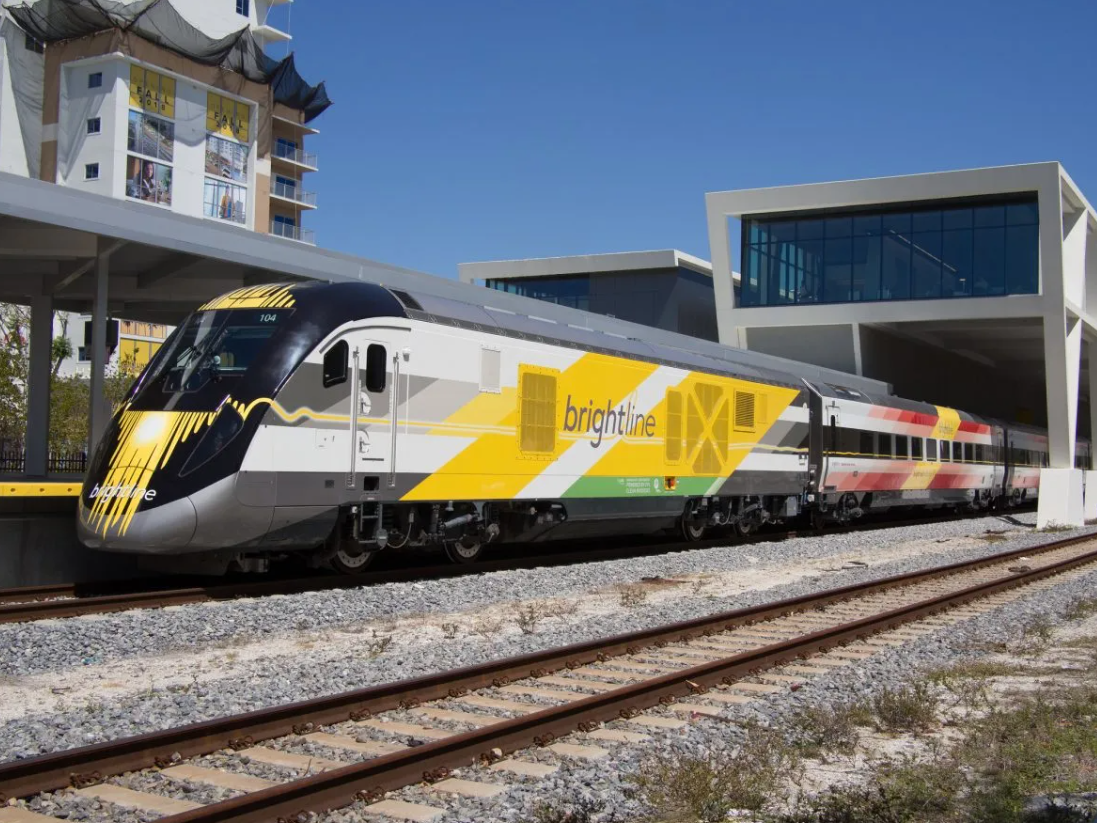
At the same time, operators are testing formats that extend beyond traditional coworking footprints. In May, Industrious partnered with Brightline to launch “on-the-go workspaces” at four Florida train stations—an example of how flexibility is evolving beyond office buildings.
“Our network strategy continues to be primarily focused on where people want to work, which I distinguish from where their office space is,” said Levine, reinforcing the company’s effort to meet users closer to daily routines rather than corporate headquarters.
As flex becomes more embedded in enterprise strategy, experience is emerging as a differentiator. Hospitality standards—once optional—are now expected.
“Thoughtful touches like welcoming members into the space, providing onsite support, offering curated events and paying attention to member preferences, help make the office feel inviting and comfortable,” Kwok said.
Enterprise demand is redefining flex
Although it has matured, the coworking sector remains rooted in flexibility, but the primary source of demand has shifted. Increasingly, it is well-established companies—not individual members—seeking turnkey, private space that can scale with their workforce. Private offices and dedicated suites have become some of the most sought-after products.
“We’ve seen a dramatic shift in what types of memberships drive the strongest demand,” said Anderson. “[Employers] want flexible terms, and they value the ability to expand or contract without the financial burden or operational complexity of a long-term traditional lease.”
That flexibility now extends beyond a single address. For many enterprise users, network access across multiple markets is becoming central to their real estate strategy. “We are seeing an increasing number of teams using Industrious in two or more locations simultaneously,” said Levine. “Teams that are distributed all over the country and all over the world are trying to figure out, well, I want to get together sometimes. Where and when do I do that?” she explained.
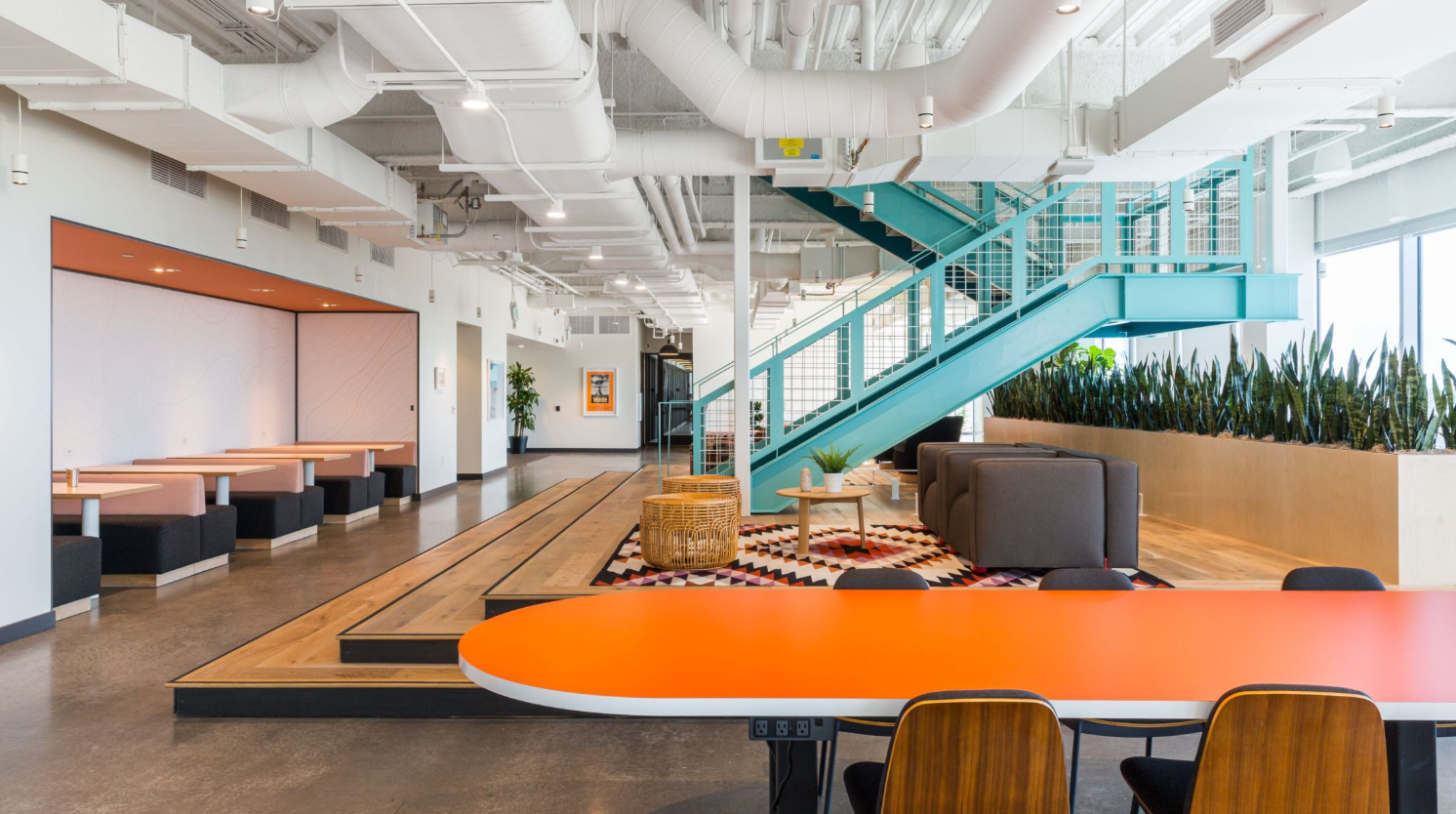
This distributed dynamic is driving the rise of coworking as a satellite office solution. Companies are turning to flex spaces to create regional hubs closer to where employees live. Occupier activity in 2025 underscores this trend. Workforce management company Aspect expanded its footprint at WeWork Canyon 28 in Boulder, Colo., establishing the location as its global hub while maintaining flexibility for collaboration. Amazon also expanded across multiple WeWork locations, leasing 141,000 square feet in Santa Clara, Calif., and 259,000 square feet at 1440 Broadway in Midtown Manhattan.
For large employers, predictability is part of the appeal. A flexible suite can operate much like a managed branch office, with technology, amenities and concierge services handled by the operator. WeWork’s 2025 Global Member Year in Review Report characterized this as a structural shift toward flexibility, noting more than 19 million unique visitors across its network and 5,110 member companies expanding their footprints last year.
The landlord reset
Even though hybrid work patterns have become more predictable, they’re still not balanced. CBRE’s 2025 Americas Office Occupier Sentiment Survey found that 73 percent of occupiers reached full capacity on peak days, while only 34 percent did so on average days. That midweek surge, paired with quieter Mondays and Fridays, is forcing landlords to rethink how space is activated and managed. The pressure is particularly acute for non-trophy assets.
“Landlords are trying to get people back into their buildings,” said Levine. “If you’re not the top, top, top trophy asset, you’re really working hard to make your building the place to be.”
In that context, coworking has emerged as both an amenity and a leasing strategy, bringing energy, foot traffic and shorter-term revenue streams into traditional office properties. Partnerships between landlords and flex operators have accelerated accordingly. Levine noted that multiple owners have partnered with Industrious “for the economics of coworking spaces and the positive externalities it has on the building overall.” Firms such as Nuveen and Granite Properties now incorporate hub-and-spoke workspace solutions within their portfolios, redesigning existing office strategies to include flexible components.
Other owners are building flex offerings in-house. Irvine Co. Office Properties, which manages assets across six markets, has integrated premium flexible workspace into its portfolio to meet growing demand.

“We’ve observed a sustained demand for move-in-ready, premium, flexible office solutions, as companies want a simple, frictionless leasing experience with high-quality space in the best locations,” said President Roger DeWames.
The firm now offers premium workspaces with lease terms starting at 12 months, catering to small- and mid-size businesses seeking amenity-rich environments without long-term commitments.
Similarly, Hines has positioned flex as part of its service platform, operating The Square brand across eight locations. Designed for teams of one to 25 employees, the offering allows the firm to capture enterprise and small-team demand while reinforcing tenant engagement within its broader office portfolio.
Networks, standards define 2026
This year will test not just demand, but reliability. As return-to-office mandates become more structured, operators are increasingly focused on two defining factors: network reach and a repeatable experience standard. Landlords, in turn, are leaning into that shift by aligning flex offerings with broader portfolio strategies.
“With California home to over 4 million small businesses, we expect to see continued strong demand for high-quality flexible workspace solutions,” said DeWames. He noted that this reflects the broader flight-to-quality dynamic reshaping the office sector. Tenants now expect hospitality-driven services, dependable technology infrastructure and access to meeting space that can scale with their needs.
READ ALSO: A Coworking Design in Harmony With Midtown Manhattan
At Irvine Co., Flex+ suites have accounted for nearly two million square feet of leased space in the company’s office portfolio in 2025, evidence of “the market’s ongoing interest and uptake in adaptable office environments as today’s workforce evolves,” according to DeWames.
Enterprise adoption is expected to reinforce that trajectory. Kwok believes large companies will continue turning to coworking as they refine return-to-office initiatives. “Evolving headcounts and economic uncertainty are expected to continue, making flexible workspaces the best option to contend with the lack of predictability,” he added.
Taken together, these signals suggest a 2026 coworking landscape where scale and experience operate in tandem. Network depth matters because distributed teams require access beyond a single urban core. Consistency matters because enterprise users depend on predictable service standards across multiple locations. The operators and landlords that can deliver both reach and reliability will be best positioned as flex space becomes a structural component of the broader office ecosystem.


You must be logged in to post a comment.