

With Rising Rates, Net Lease Is a Great Alternative
Why investors are diversifying into and within the sector.

Investing is seeing a double rate whammy.
For the first time since 2023, the Federal Open Market Committee raised the federal funds rate a quarter point. Meanwhile, the yield on the 10-year Treasury note is hovering around 5.00 percent.
Equity markets have taken this well so far, although they may face challenges in the near future due to growing uncertainty about technology companies and AI.
But the short- and long-term lending impacts have deepened problems for private-equity firm portfolios. There is a “generation of buyouts that are stuck” in financing, according to the Wall Street Journal.
Scott Kleinman, co-president of Apollo Asset Management, speaking at a recent Barclays conference, predicted a “squeezing of the number of managers” who “were more dependent on 0 percent interest rates than they were on anything else.” The lack of liquidity already has affected the ability to return capital.
Family offices and ultra-high-net-worth individuals looking to include alternative investments in their portfolios should watch the J.P. Morgan Asset Management playbook. For the first time in its history, the firm has a U.S. net-lease fund that just obtained $1.1 billion in commitments, more than double the original $500 million target, according to CRE Daily. Pledges came from institutional and private wealth investors around the globe.
The net-lease market has been strong. Compilations of data from multiple commercial real estate monitoring services suggest that by the end of Q2 2026, the trailing 12-month dollar volume of single-tenant net-lease retail sales was close to $70 billion, the third-highest figure since 2000. Deal volume was the highest over that period. Private investors were 73 percent of STNL retail dollar volume through June 2026. Year-over-year dollar volume increased by 9.9 percent. STNL retail transactions increased by 9.6 percent. STNL retail transactions in 2026 were 64 percent higher than the 2014 to 2019 annual average.

Time to rebalance?
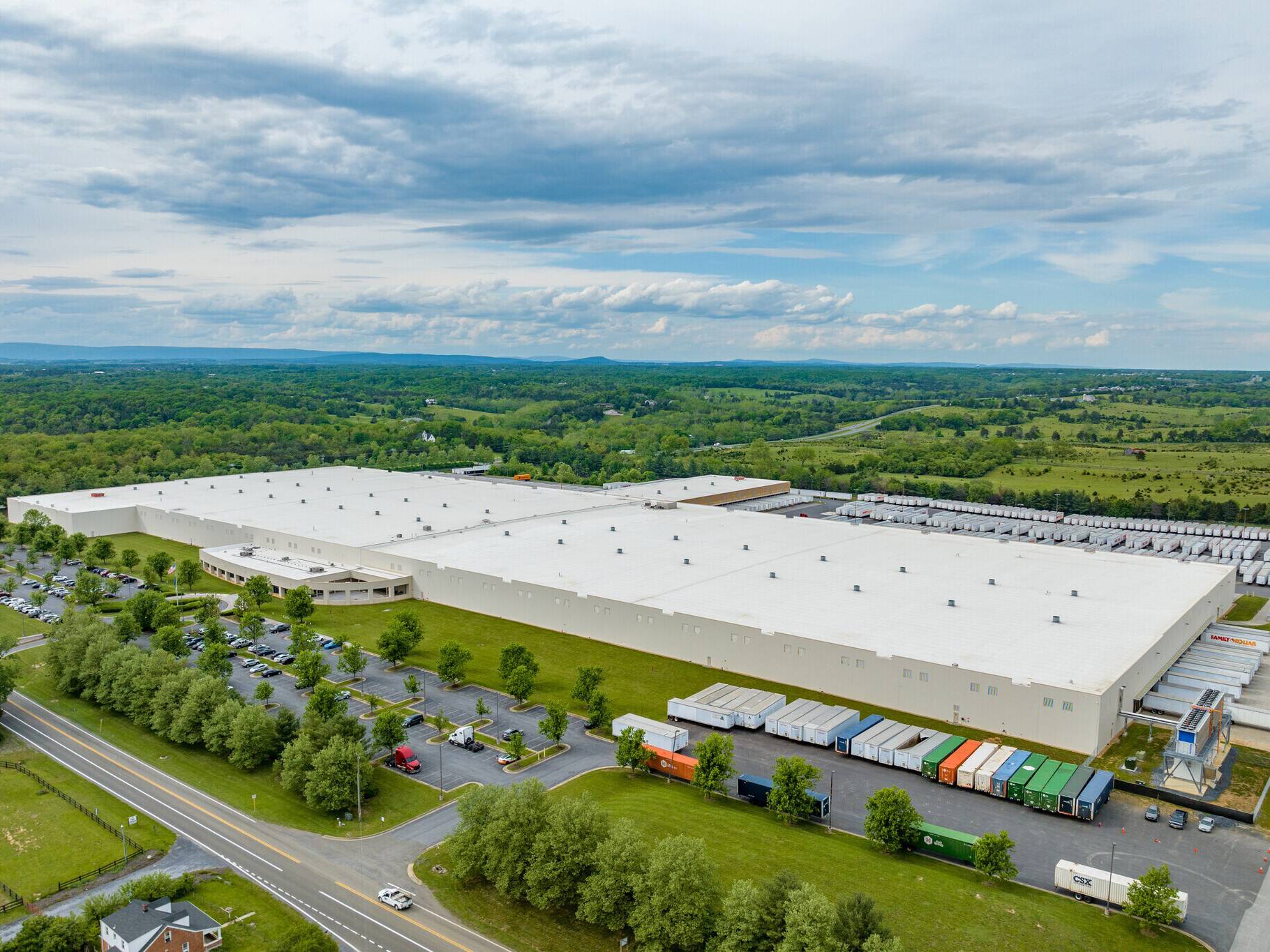
Traditional retail is hardly the only choice in net lease. As Avison Young has noted, medical office and outplacement buildings “have become key value drivers.” Industrial or freestanding office are other examples. Typically, tenants sign long-term leases, usually more than 10 years and sometimes as long as 25 years, with automatically increasing rents over the lease lifetime.
It’s a good time to consider a portfolio rebalance and which investments might face the greatest impact from increasing interest rates. . This is important even within a single category like net lease. The August Producer Price Index showed that building construction is becoming more expensive, as GlobeSt.com reported.
A higher federal funds rate—with a good chance of at least one more hike before the end of the year—will translate into costlier construction and bridge loans. The rising 10-year yield will push up long-term mortgages. On Sept. 18, diesel is $6.45 a gallon, making energy costs for construction even more expensive. Copper and steel prices are up sharply year-over-year.
Instead of looking at new construction, existing assets may be a better choice. Transaction options can include structures like 1031 exchanges, which can improve a portfolio through beneficial tax strategies.
The next step is to work with your financial planner and an expert in net-lease transactions to see what might be possible to strengthen your portfolio.

You must be logged in to post a comment.