
WiRE Special Report: Office Remains Resilient in Major Markets
Panelists explore demand drivers and opportunities for the various asset classes.
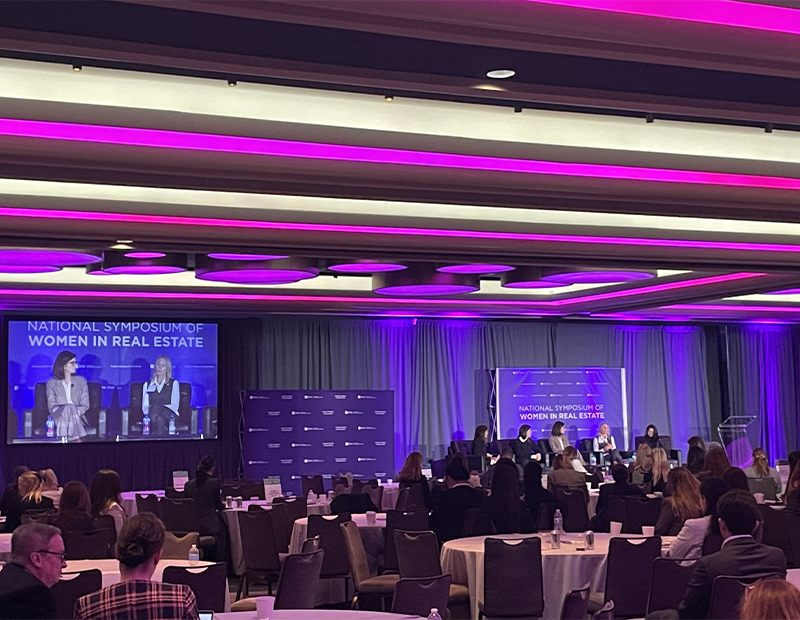
The eighth national symposium of Women in Real Estate in New York City brought together emerging and seasoned professionals to discuss major industry topics, from finance to construction and everything in between.
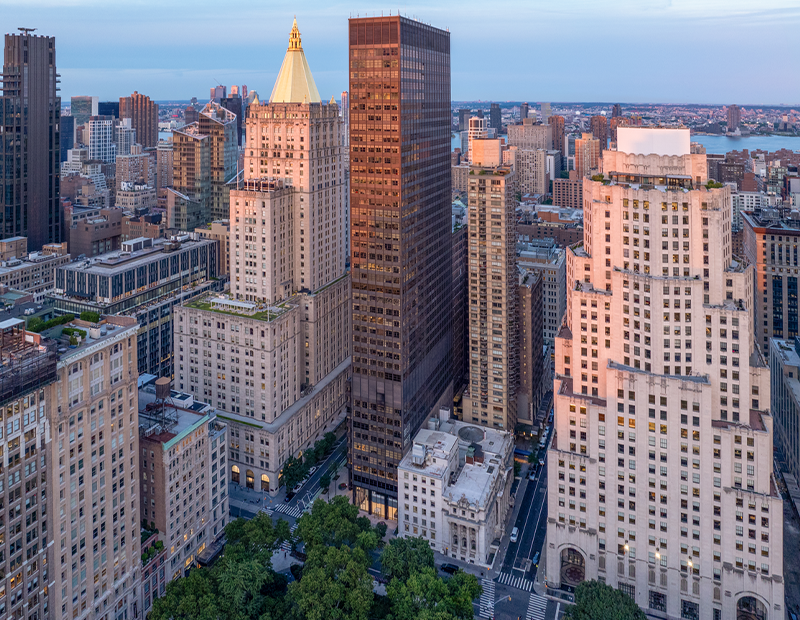
Across every panel, one topic stood out: New York City’s office market continues to show strength, resilience and a steady demand, despite the sector’s recent slowdown.
Though there was a dedicated office panel, the theme surfaced in the financing and economic outlook session as well: leaders said New York City’s market fundamentals are solid and poised to remain so as demand for Class A space and return-to-office policies take hold. San Francisco and Washington, D.C., were also cited as seeing increased return-to-office numbers.
What do tenants want?
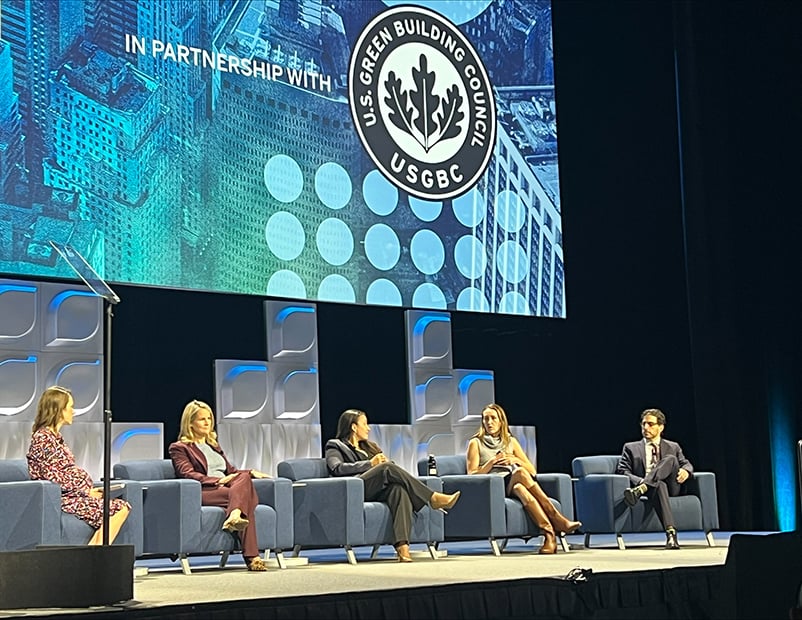
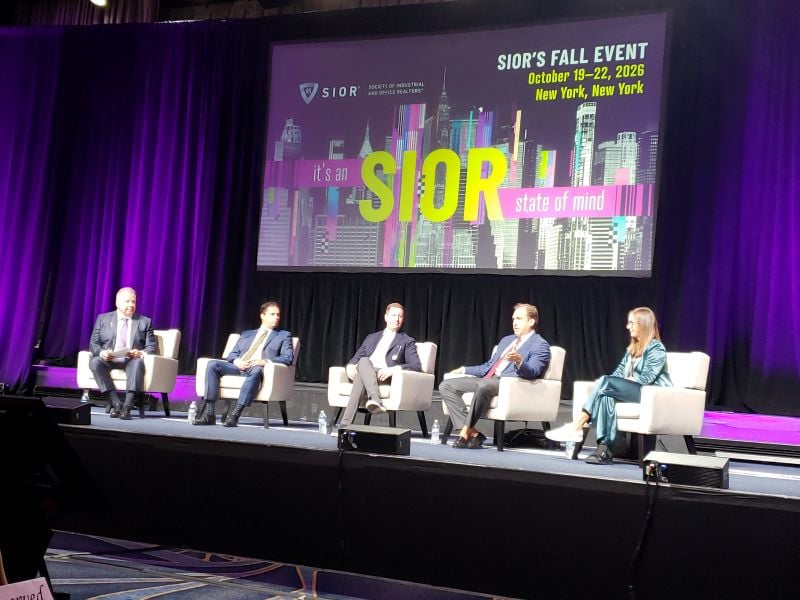
The office session was led by panelists Laurinda Martins, partner & co-chair of the real estate department at Fried Frank, Christina Chiu, president at Empire State Realty Trust, EB Kelly, senior managing director & head of Rockefeller Center at Tishman Speyer, Cynthia Wasserberger, vice chairman at JLL and Lauren Young, managing partner, investment real estate at Brookfield Asset Management.
Each panelist shared insights into what they have noticed tenants want from their office spaces. They also shared that they have been incorporating outdoor and community spaces as a key amenity to Class A trophy buildings. From rooftop gardens to nearby parks, tenants respond positively to spaces where they can gather.
READ ALSO: Why It’s a Good Time to Put Capital to Work
Access to public transit helps explain why New York City’s office sector now shows its highest leasing since 2020 and the lowest vacancy in five years.
“Location matters. The idea of build it and they will come is over,” Chiu said in the discussion.
The finance panel featuring Jillian Mariutti of JLL also echoed how lenders are ramping up their investments in office deals. During that panel, she noted that lender participation in office deals has jumped 162 percent compared to last year, highlighting the market’s resilience.
Adaptive reuse opportunities
Office demand is concentrated in newer Class A, trophy assets in major metros. When asked about the outlook for Class B/C and other distressed offices, panelists pointed to adaptive reuse. Across Manhattan, the rise of office-to-residential is adding rental units to the housing stock, as long as these buildings have a good basis.
These conversations have also led to more creative ideas. Starting out the day, finance panel moderator Christine O’Connell of King & Spalding said that the commercial real estate industry is like “walking on a tightrope with a blindfold on,” since it’s unpredictable. Multiple panelists agreed that strategies in real estate are always evolving.
Retail illustrates this, since it fell off with the rise of e-commerce, but is starting to stabilize. So, taking this imaginative approach to office, could be combining the “live, work, play” mentality that has been on the rise in mixed-use developments. This way, investors might gain an alternative strategy to extract value from aging office assets.


You must be logged in to post a comment.