


Why the Climate’s Right for Cold Storage
The significant uptick in both new development and upgrades is justified.
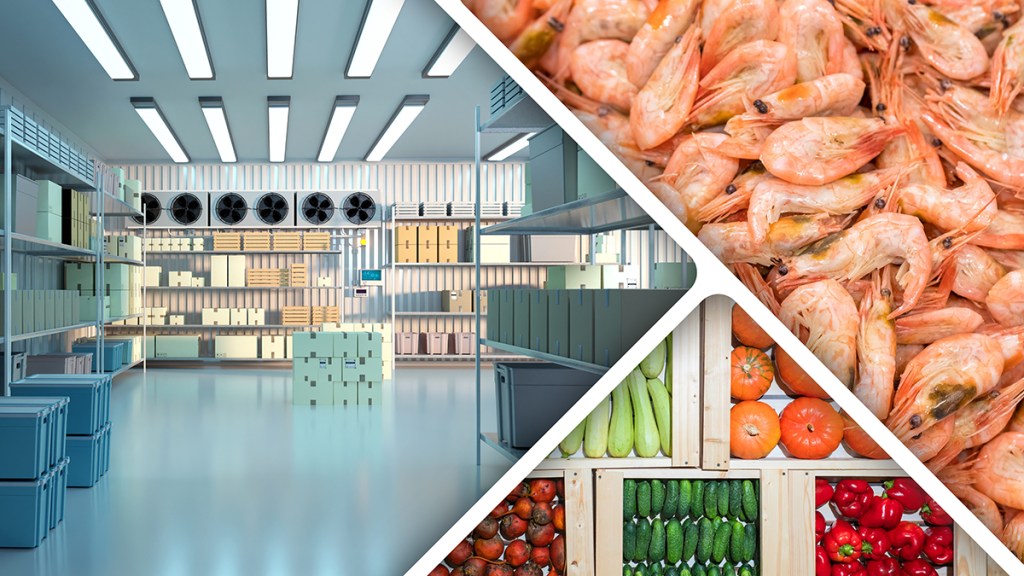
Despite some headwinds from local oversupply, inflation and economic uncertainty, investors and analysts believe the tailwinds of demographics and e-commerce will continue to drive demand for cold storage.
Global investment in the sector, which represents about 2 percent of all industrial properties, is anticipated to grow from $405.02 billion in 2024 to $452.84 billion in 2025 at a compound annual growth rate of 11.8 percent, according to a report from The Business Research Co. Investment in the sector is projected to grow to $769.54 billion, at a CAGR of 14.2 percent.
“Cold storage is one of the few industrial asset classes with structural growth built into its DNA,” said Jason Tolliver, president of Americas logistics & industrial real estate advisory at Cushman & Wakefield. “Modern cold storage is scarce, demand is rising and sophistication is non-negotiable. That’s a recipe for outsize returns.”

Despite some ups and downs in the sector, long-term demand fundamentals are favorable for cold storage, according to industry insiders. “Consumer preferences are moving away from dry and canned foods to healthier fresh and frozen foods that are less processed,” asserted Americold CEO Rob Chambers. Additional factors include online grocery shopping and heightened food safety regulations, in which cold storage plays an important role. Multicultural food preferences increasingly drive year-round consumer demand for fruits and vegetables, as well.
In August, Americold completed the $100 million Import-Export Hub in Kansas City, Mo. Developed in partnership with Canadian Pacific Kansas City railroad, the property serves the Mexico Midwest Express, which is North America’s only single-line rail service for refrigerated goods.

Market pressures
“Generally, the rule of thumb is that demand should be steady for cold storage, but we’re in a unique time now,” observed Vince Tibone, managing director & head of U.S. mall & industrial research at Green Street. High food prices are prompting consumers to be more careful about food purchases. At the same time, major food producers are keeping leaner inventories in response to inflation and lower demand. The ripple effect of tariffs on global trade may be affecting cold storage demand in port locations, he noted.

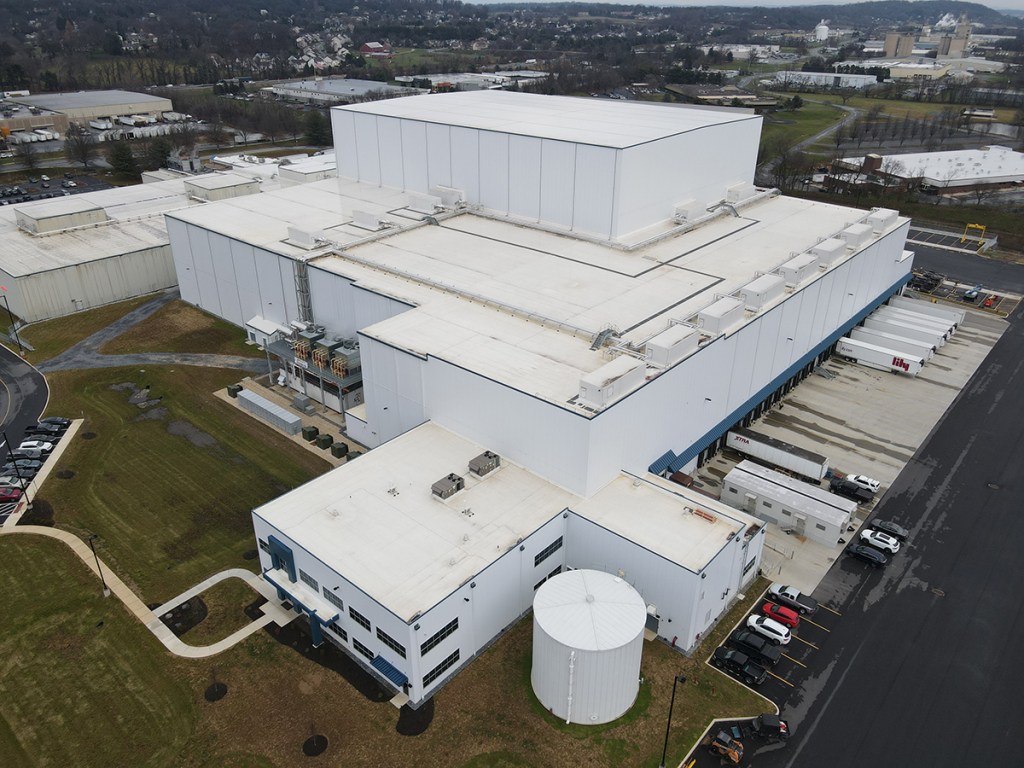
Spec development of cold storage facilities has slowed since 2023, under the pressure of higher interest rates and the capital-intensive nature of cold storage projects. According to Colliers, just 1.1 million square feet of speculative cold storage were delivered in 2024, compared to a total of 5.2 million square feet in 2022 and 2023. Some 294 million square feet of cold storage were under construction at the end of 2024, the majority of which was build-to-suit rather than speculative. “Some of those multitenant facilities are just 30 to 40 percent occupied, with owners cutting prices to gain market share,” Tibone pointed out.
As a result of the earlier overbuilding, Chambers estimates that the incremental oversupply of cold storage capacity in the U.S. is about 15 percent—more than can be absorbed in a normal economic cycle. By comparison, such markets as Australia, New Zealand, the Middle East and Europe don’t face the same capacity issues or degree of economic uncertainty as the U.S. does, he added.
Yet conditions may still be right for build-to-suit development to pick up in 2026, for several reasons. “There’s still plenty of demand for cold storage generally; it’s just that some facilities that aren’t in the best location aren’t leased,” shared Will Mogk, senior director of capital markets for JLL.
Also pointing to new development is the age of the current inventory, which averages 40-plus years. That also signals the need for significant investment in upgrades, especially as the cost of new development ranges from $250 to $320 per square foot.
Supply shift
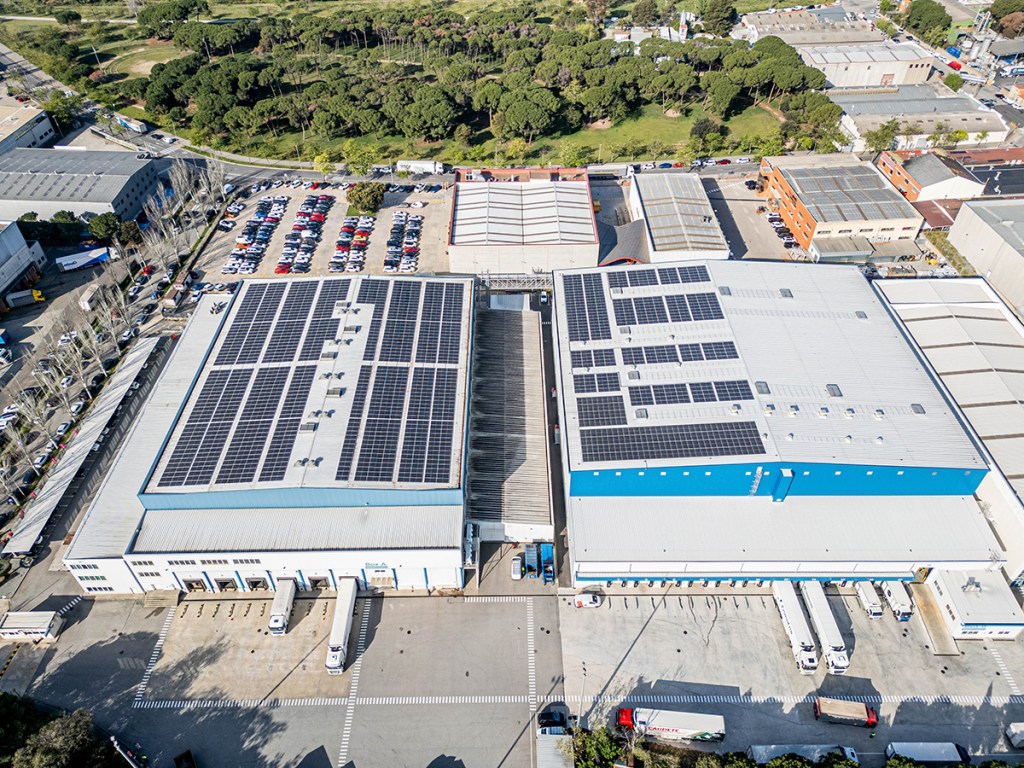
Supply is more limited in places adjacent to farmland or to food processing plants. Besides geographic distinctions, there are significant differences between conventional and automated cold storage facilities, which are highly sophisticated and designed to accommodate robots and other new technology.

“Upfront costs are higher for automated cold storage facilities, but operations costs are lower because you don’t need as much labor,” shared Mogk. “You see more automated sites in Europe. Some U.S. third-party logistics companies are looking for them, but 90 percent of operators in the U.S. aren’t interested in automation and think they can manage without it.”
Adaptive reuse of conventional industrial buildings is rare and doesn’t offer a lot of opportunities to meet the demand for cold storage. The sector’s specialized needs—including high ceilings, increased insulation and a slab that can handle heavier loads and colder temperatures—all present barriers, in addition to the location requirements.
“Some existing warehouses work for a ‘box within a box,’ but if the slab is already in place, then you can usually only provide refrigerated, not frozen storage,” Mogk pointed out. That said, one attractive alternative is upgrading existing cold storage facilities with new HVAC infrastructure and other improvements. Those steps require significantly less capital than ground-up development or adaptive reuse.
Generally, cold storage facilities are located near ports for global food distribution, food-production facilities, retail distribution centers—such as for a grocery-store tenant—or in key logistics corridors like Dallas, Atlanta, Southern California or eastern Pennsylvania.
“Overall, occupancy rates in the mid-70-percent range are relatively healthy, but over the last two years we’ve seen some compression,” Chambers reported. “We want to get back to the mid-80-percent range, but it takes time. We see much higher occupancy in the production plant-adjacent facilities and the retail distribution centers.”
Leasing trends
The cold storage industry used to follow a “pay by the drink” model using rate sheets to pay transactionally for space. The industry has moved toward storage arrangements that look more like traditional gross leases, with space reserved for a fixed monthly basis and a longer term.

“This started in part because space has been tight and customers wanted to secure their space,” Chambers said. “There’s a seasonality with spikes around the holidays, so customers don’t want to scramble for extra space before Thanksgiving or Easter.” Approximately 60 percent of Americold’s leases are now long-term commercial leases.
Cold storage facilities operate with either a traditional single-tenant net lease, which is usually for a 10-year term, or a multitenant lease. “Long leases with fixed escalations; service-level agreements for temperature integrity; and value-added services such as co-packing, kitting and managed inventory generate diversified and resilient income streams,” Tolliver reported. For smaller spaces of 75,000 square feet or less, three- to five-year leases are still typical.
Since the lead time for new cold storage product ranges from 12 to 24 months depending on the level of automation, facilities that are in the pipeline now will start service in a different market from today’s. The flight to quality affecting other commercial property sectors is evident in cold storage, too. Investors need to focus on the right site, the right developer, the right expertise and the right operator.
‘The winners in cold storage won’t be lucky—they’ll be disciplined,” Tolliver noted. “Technical underwriting, energy expertise and operator partnerships separate the leaders from the laggards.”

You must be logged in to post a comment.