


Us Construction’s Next Chapter in South Florida
President Rafael Reyes on the firm’s rebrand, its diversification into new sectors and where opportunities are emerging across the area.
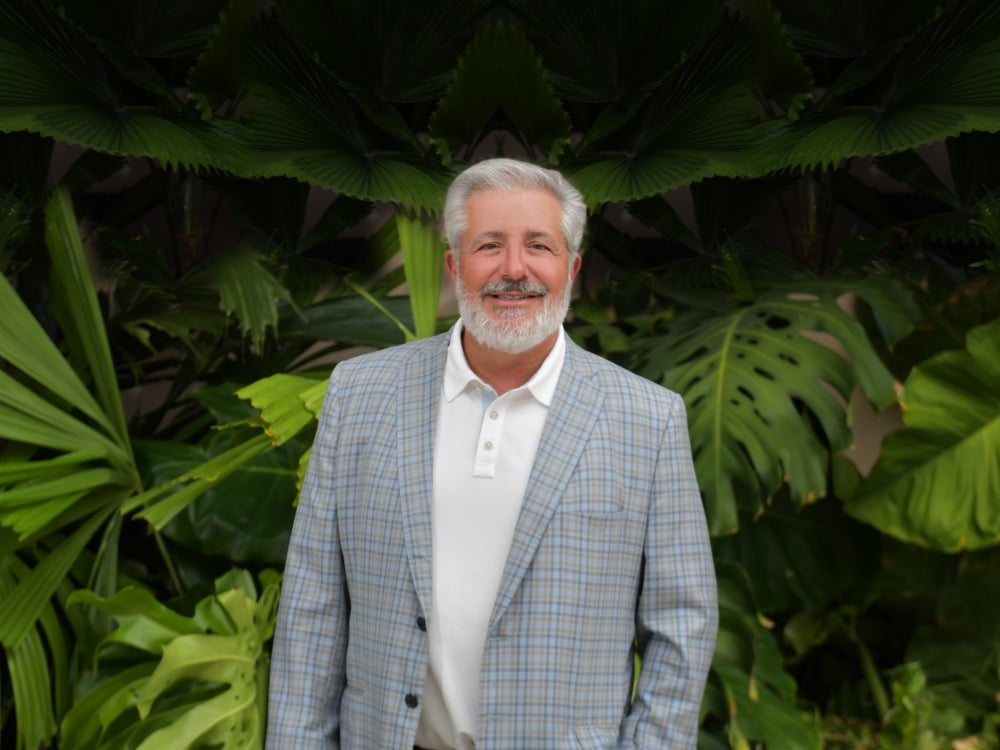
U.S. Construction is entering a new phase, marked by a rebrand that reflects more than a name change. Now operating as Us Construction, the Miami-based, family-owned general contractor is broadening the range of work it does across South Florida. Long associated with hospitality and aviation projects, the firm is now diversifying into luxury residential, industrial and data center projects.
Founded in 1977, Us Construction has built its portfolio on projects that often require careful coordination in active, high-traffic environments, including at Miami International Airport and within large-scale developments such as Miami Worldcenter, among others.
Commercial Property Executive spoke to President Rafael Reyes about the company’s next chapter, the experience shaping its approach and where he sees opportunities for growth.
READ ALSO: Future Projects in Miami
What has changed in the construction business over the past few years that made 2026 the right moment to reposition the company publicly and rebrand it?
Reyes: Over the last five years, we’ve been focusing on our company culture, creating a strong team and building our processes. We felt it was time that our visual identity and language matched the quality of our work and our team’s success.
Which parts of your previous experience in hospitality and airport environments translate most directly to other CRE sectors?
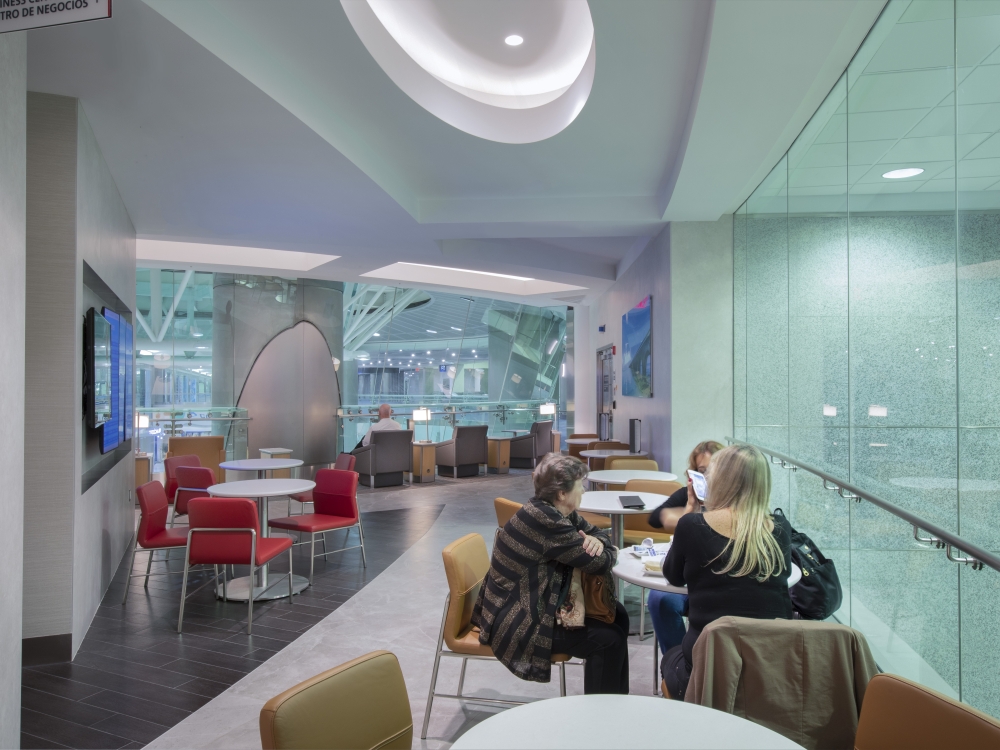
Reyes: What translates is the intention. It takes a high level of intention, smart decision-making, creativity and a strong client focus to execute at the level required in hospitality and airport work—areas where we’re already very successful. We bring that same level of attention to detail to projects where the deadlines matter but carry a bit more flexibility. They still require strong teamwork and transparency—and we implement that across all projects.
You’ve completed more than 60 projects at Miami International Airport. What has that work taught you about phasing, stakeholder management and zero-disruption execution that typical commercial jobs do not?
Reyes: Commercial jobs don’t always attract the best of the best. You have clients who can become overly focused on price rather than choosing a contractor with the right people and systems in place. And while many contractors have good intentions, they often lack the experience, discipline and culture needed to prioritize team development and strong client relationships.
Low-bid strategies can also create pressure to recover margins, which becomes a competing priority to client satisfaction. But when you know what to do, how to do it, and can execute consistently, you can shift focus to the client, where it belongs.
That ties back to the earlier point about branding. We’ve evolved to a place where we can focus more intentionally on both the client and how we present ourselves. Our brand needs to reflect the level of expertise behind it. In hospitality and airport work, quality and seamless execution aren’t optional—they’re expected. Not every company reaches a point where it can deliver that consistently.
What capabilities do you believe you already have for the industrial and data centers sectors, and what capabilities still need to be built before you would claim real credibility there?
Reyes: There are certainly nuances within each sector that need to be learned. But once you have the right principles, people and systems in place, you can adapt to different project types quickly.
We’ve worked on data centers and industrial projects, and we have already been very successful in those spaces because of our intentional approach and our commitment to understanding each client. That means learning what drives their business, how their facility operates and what success looks like from their perspective. When you focus on the client, the ability to perform across any sector becomes universal.
LISTEN TO: Inside Industrial Podcast: Automation, Power & Proximity
How do you think about moving from a finish-driven reputation to sectors where infrastructure, uptime and power can outweigh aesthetics?
Reyes: Data centers and industrial work actually came first. That experience helped shape our desire to take on more challenging projects, which led us into hospitality, restaurant and retail. We diversified into those sectors in part because of a strong opportunity for growth in the South Florida market, and also because of a personal interest in finishes and detail.
More recently, over the past three to five years, industrial and data center projects have re-emerged as a major area of growth for us, alongside the surge in demand tied to AI and the broader shift toward more data-driven infrastructure.

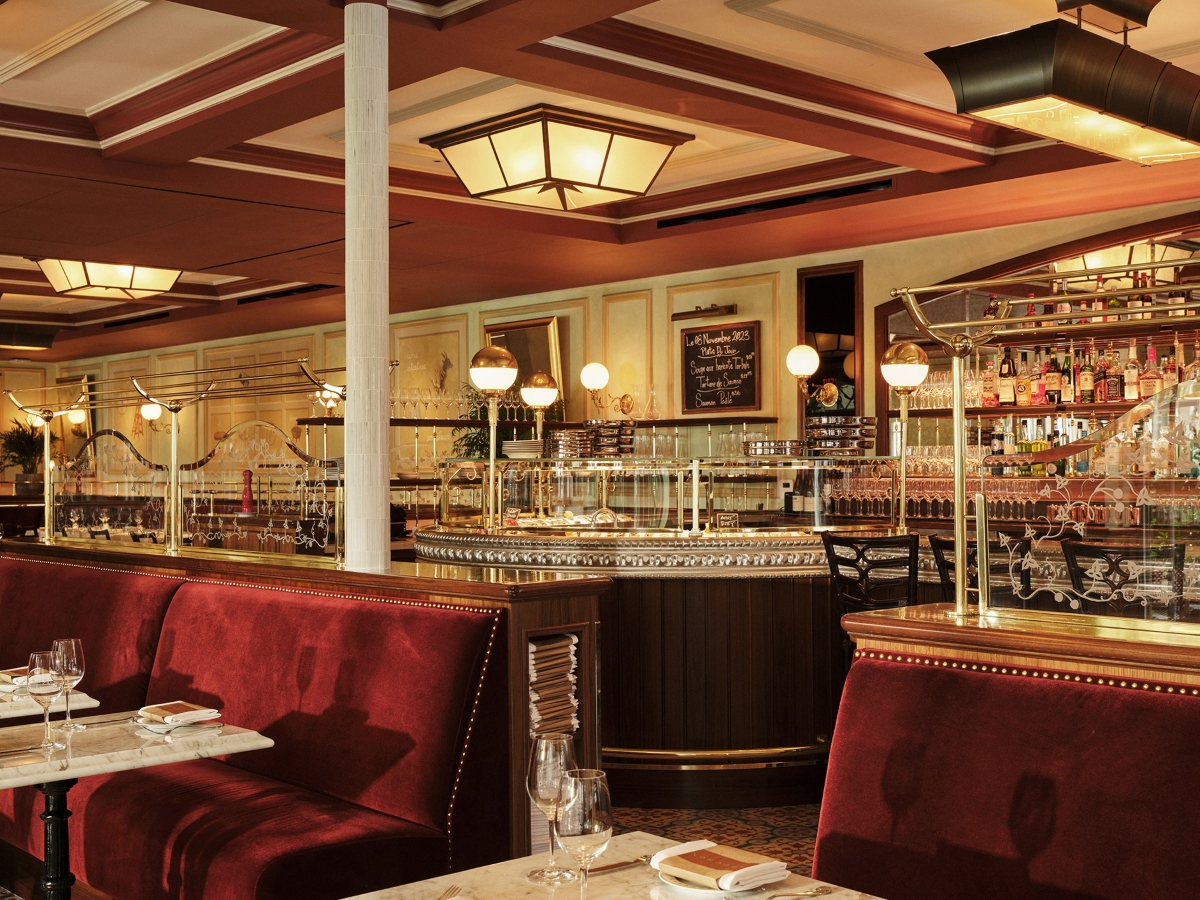
At Serafina Miami Worldcenter, Us Construction transformed a raw grey-shell space into a Mediterranean-inspired restaurant, adding to its growing portfolio inside the South Florida mixed-use district. All images courtesy of Us Construction 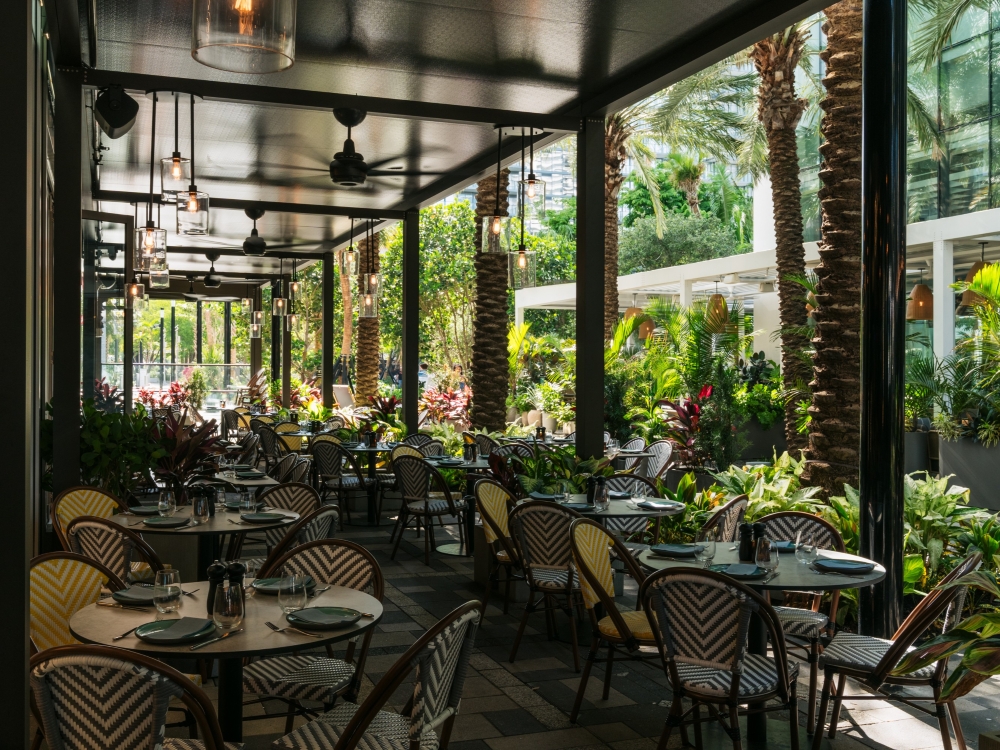
Serafina represented Us Construction’s second project with the restaurant group and its second completed assignment at Miami Worldcenter. 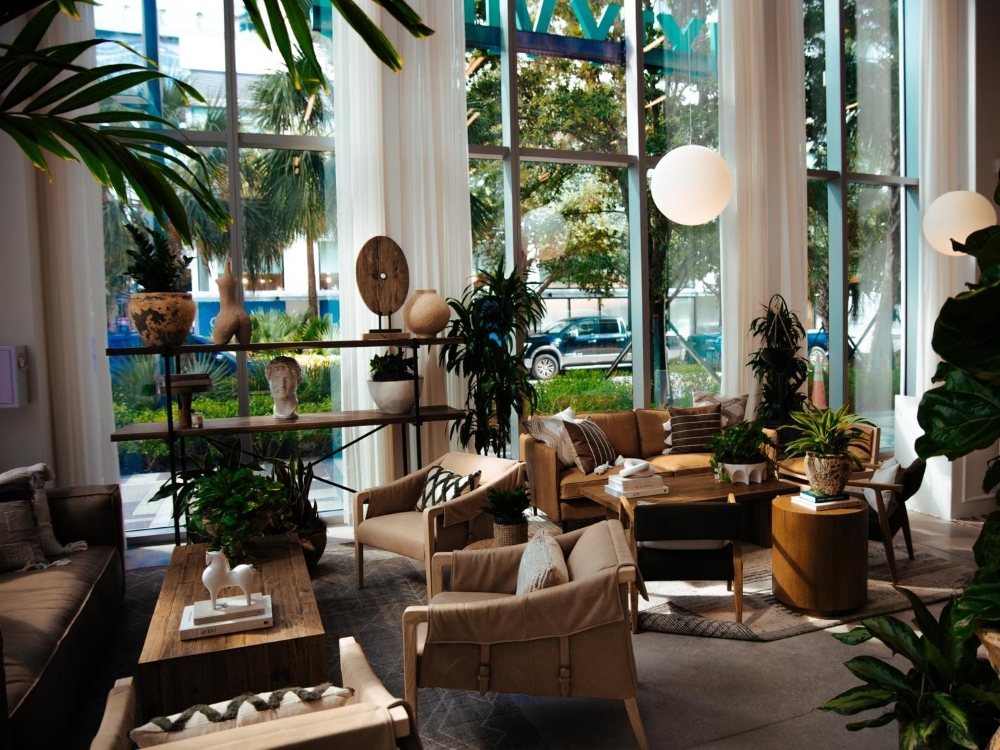
Sixty Vines marked the brand’s first Miami-Dade location and became an early milestone for Us Construction within the larger Miami Worldcenter development. 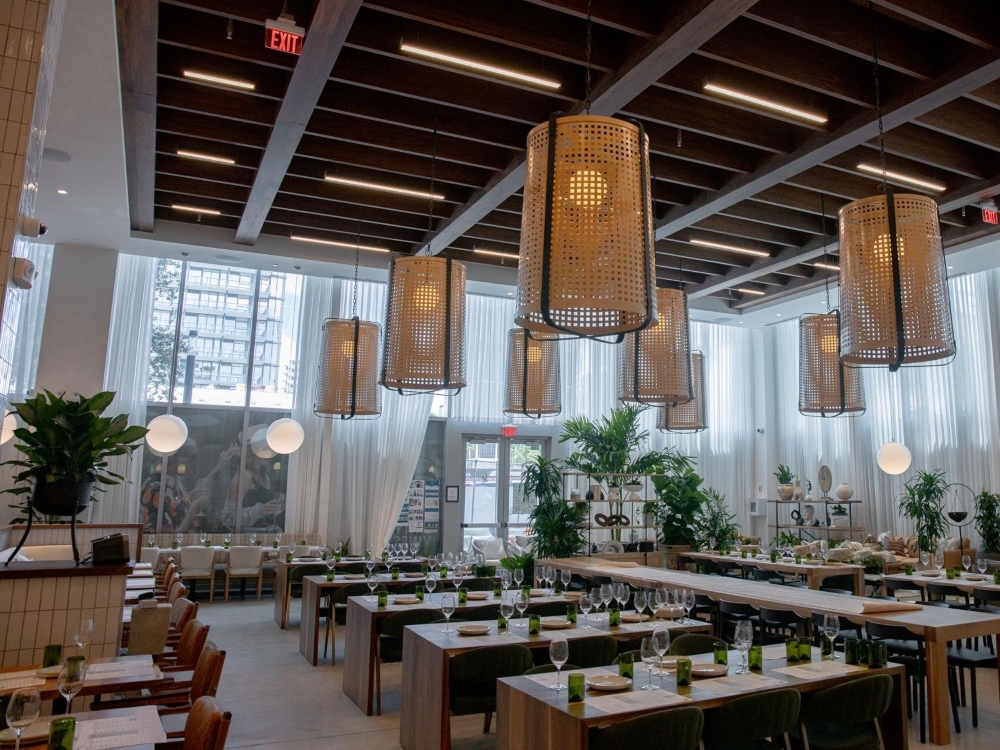
Us Construction delivered the 9,200-square-foot Sixty Vines at Miami Worldcenter in 2024.
As a multigenerational family business, how do you grow into larger or more technical commercial categories without losing the responsiveness that likely helped you win repeat clients in the first place?
Reyes: That’s really the key: How to grow without losing the personal experience that matters to clients.
It starts with having the right people who genuinely care and focus on what the client needs, not just the bottom line. Just as important, our team understands that their work matters. As they deliver results, they grow as individuals, and they begin to see that our clients are part of that growth.
We also put a lot of thought into placing the right people in the right roles. Someone who thrives on technical problem-solving shouldn’t be in a client-facing role, and someone who enjoys working with people shouldn’t be stuck in a purely technical position. Our role is to help people find that fit and grow into positions that align with what they do best. When you get that right, it naturally supports both strong execution and a high level of responsiveness for the client.
Where do you see the most durable demand in South Florida commercial construction over the next few years?
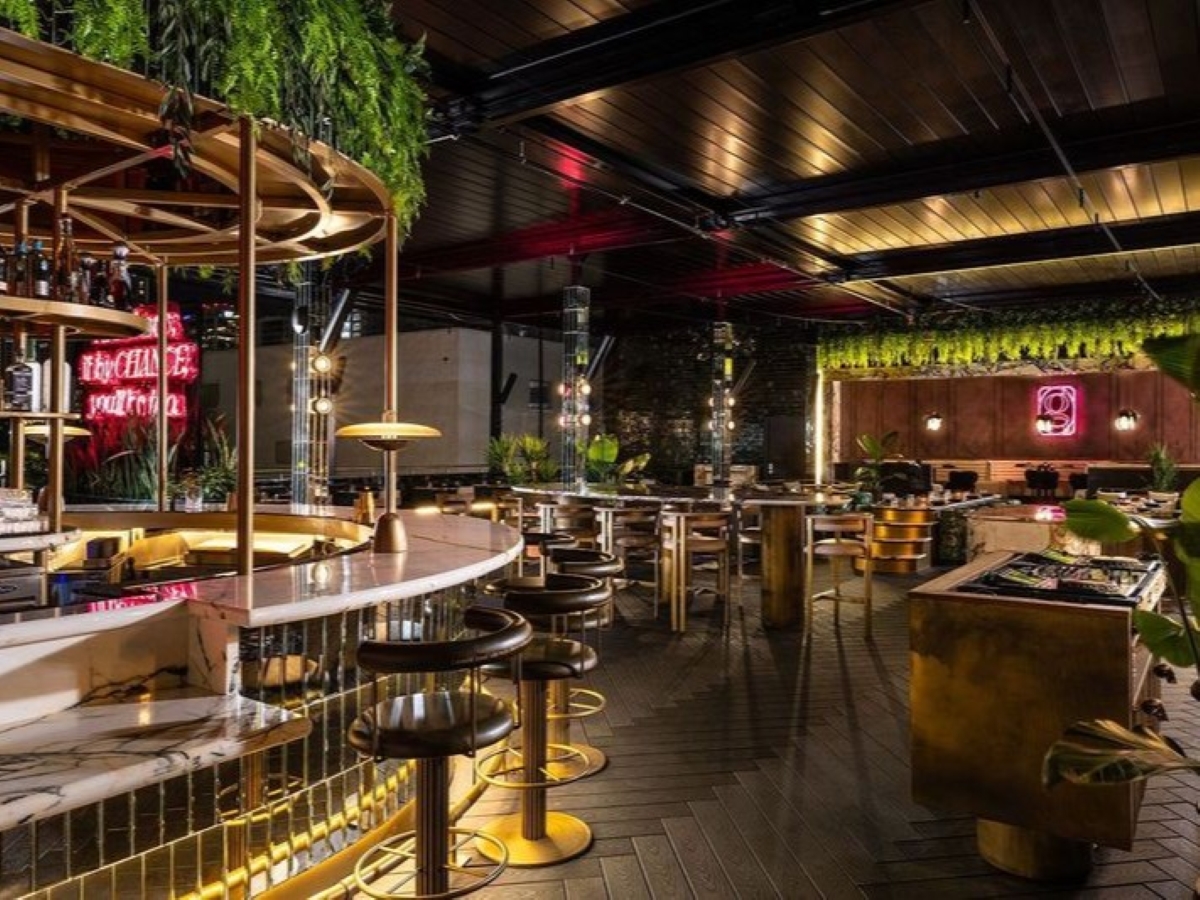
Reyes: Any projects that support both existing and new residents will continue to see strong demand. Miami is an expensive place to live, and people are drawn here for the amenities and the beauty. The combination of our people, natural resources and the quality of our built environments—from buildings to public spaces—is helping drive Miami’s growth as a cultural and business powerhouse.
As a result, sectors that deliver high-quality, experience-driven amenities, especially in the luxury space, will remain the most durable.
Five years from now, what would make this rebrand successful in your view?
Reyes: To us, success is working with clients who value great people, strong relationships and a team-oriented approach to delivering high-quality work. We tend to go where the relationships go, and that’s intentional.
Five years from now, if the rebrand is successful, we’ll be doing more volume, but with the right clients. That could mean adding a handful of boutique ground-up projects while continuing to perform across multiple sectors. More importantly, it means more happy, discerning clients, which in turn requires a team that’s equally motivated and fulfilled. If we’re growing in a way that strengthens both those relationships and our internal culture, that’s what success looks like.




You must be logged in to post a comment.