

Top 10 Markets for Industrial Deliveries in H1 2026
The latest ranking points to a slowdown in activity, with some surprising outliers.
U.S. industrial construction activity continued to moderate through June. Developers completed 135.5 million square feet across 616 properties nationwide, down 12 percent from the 153.6 million square feet delivered during the first half of last year. Compared to the same period in 2024, delivery volume fell almost 47 percent.
However, activity was more concentrated in the markets at the top of the ranking. The 10 metros below accounted for 59.8 million square feet across 255 properties, about 44 percent of all industrial space delivered nationwide. Their combined volume increased 20 percent from the first half of 2025, while six of the 10 markets posted year-over-year gains.
Inland logistics hubs dominated the ranking, with fewer traditional coastal gateways making the cut. The following list comprises the top 10 metros with the most industrial completions in the first half of 2026.
1. Dallas-Fort Worth
Dallas-Fort Worth led the nation with 14.9 million square feet in industrial completions across 58 properties—up 28 percent year-over-year. The Metroplex alone accounted for roughly 11 percent of all U.S. completions.
The market also had the largest underway pipeline in the ranking, with 33.7 million square feet under construction. In the first six months of this year, construction starts totaled 14.1 million square feet, slightly above the 13.4 million square feet recorded a year earlier.
One of the largest projects to come online so far this year is Building 4 within Intermodal Logistics Center, a roughly 1.3 million-square-foot facility in Fort Worth, Texas. NorthPoint Development completed the warehouse that is fully leased by Lennox International.
2. Houston
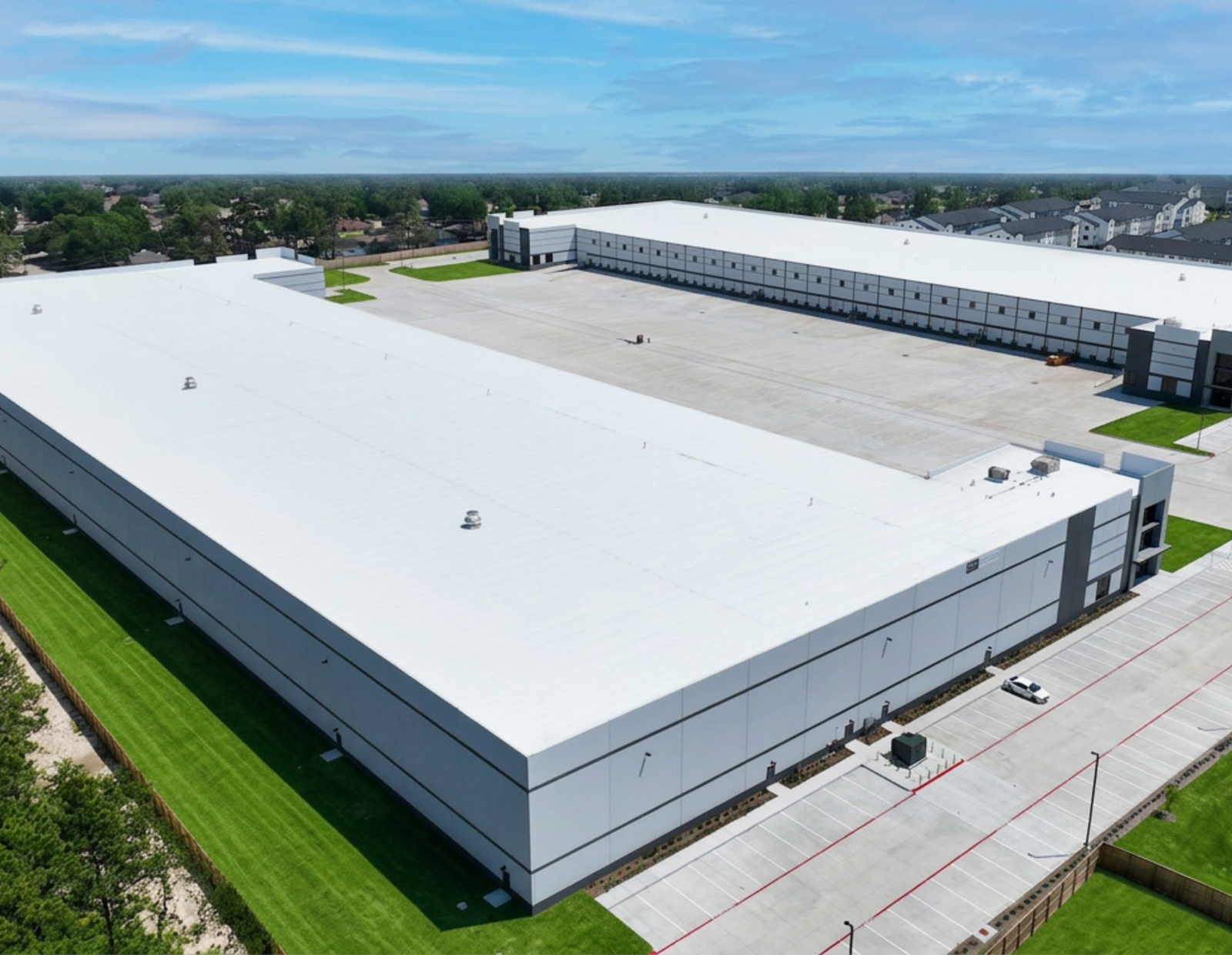
Houston followed with 12.9 million square feet across 80 properties, the largest number of projects completed among the top 10. Deliveries increased 50 percent from the first half of 2025 and exceeded the market’s 2024 total as well.
Another 22.1 million square feet were under construction as of June. However, starts fell to 8.7 million square feet from 11.2 million a year earlier, , suggesting a more measured pace of development ahead.
In May, Triten Real Estate Partners completed the almost 400,000-square-foot Kenswick at 1960 in Humble, Texas. The distribution center comprises two buildings and can also accommodate 5 acres of secured outdoor storage.
3. Chicago
Chicago ranked third with 6.7 million square feet delivered across 22 properties. That represented a nearly 90 percent year-over-year increase, one of the largest gains in the ranking, though completions remained below the 10.1 million square feet recorded in 2024.
The metro had 14.2 million square feet under construction and nearly 15 million square feet planned. Still, groundbreakings in the first half of the year declined 18 percent to 5.7 million square feet, suggesting a more measured near-term development pace.
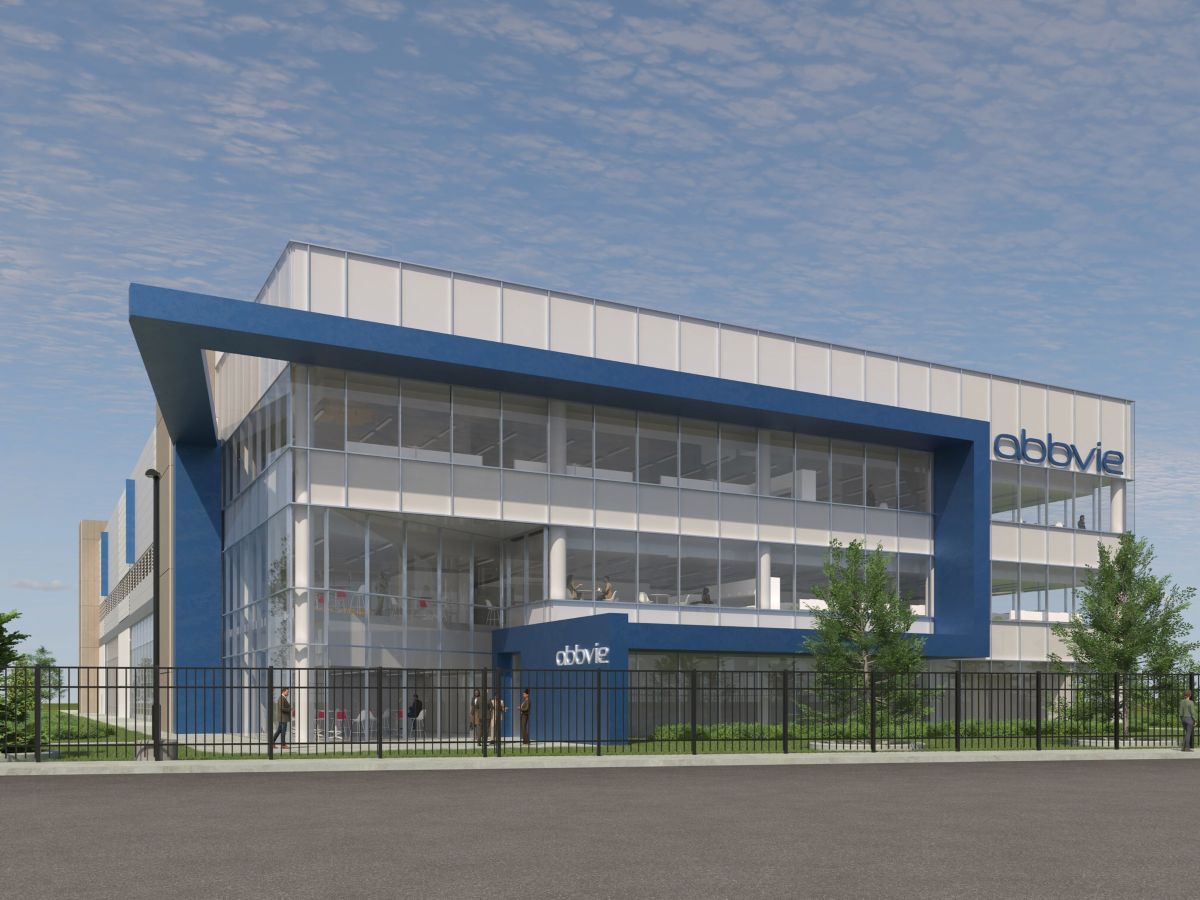
AbbVie is working on a $380 million expansion at its North Chicago, Ill., headquarters campus, which will add two new pharmaceutical ingredient manufacturing facilities to the metro’s stock. Both buildings are set to be fully operational by 2029.
4. Phoenix
Phoenix posted the steepest annual decline among the top 10. Developers completed 4.5 million square feet across 19 properties—down 61 percent from 2025 and 78.1 percent from the first half of 2024.
However, the metro’s pipeline remained strong. Phoenix had 30.8 million square feet underway and 42.7 million square feet planned, while construction starts more than doubled to 15.2 million square feet. The contrast points to a pause in completions rather than a broad development retreat.
In May, Dollar Tree opened a 1 million-square-foot distribution center in Litchfield Park, Ariz. The facility will support merchandise distribution to about 700 stores in Arizona, Colorado, Nevada, New Mexico and Utah.
Taiwan Semiconductor Manufacturing Co. announced an additional $100 billion investment in its Greater Phoenix operations, bringing its total U.S. commitment to $265 billion. The development is the largest economic project and foreign investment deal in U.S. history.
5. Louisville, Ky.
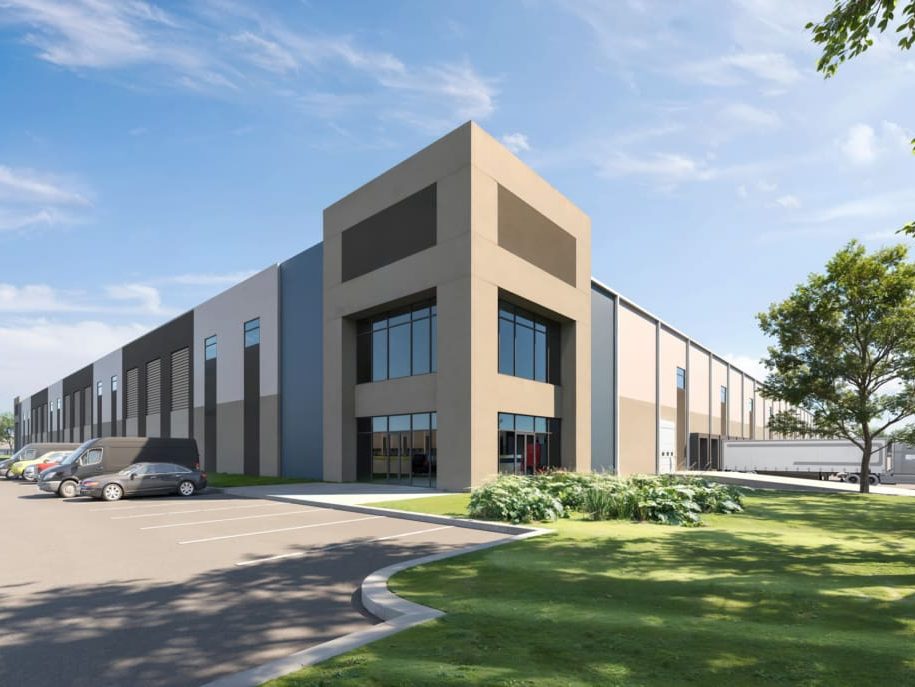
Louisville emerged as one of the first half’s biggest outliers, with 3.8 million square feet delivered across 12 properties. That was nearly four times the volume completed a year earlier and 82 percent above the first-half 2024 total.
The new supply equaled roughly 3 percent of existing inventory, the second-highest share on the list. Yet starts dropped to 1.2 million square feet from 3.6 million, signaling a thinner pipeline once current projects deliver.
In May, Hunt Midwest broke ground on the first two buildings at the 275-acre Simpsonville 64 Logistics Park in Louisville, Ky., set to total 775,000 square feet. At full build-out, the campus will comprise about 3.3 million square feet of commercial and industrial space.
6. New Jersey
New Jersey added 3.5 million square feet across 13 properties, down just 2 percent year-over-year. Although completions were stable compared with 2025, they remained 43 percent below the volume recorded two years earlier.
Deliveries represented only 0.6 percent of existing stock, one of the smallest shares in the ranking. Meanwhile, construction starts more than doubled to 3.5 million square feet, pointing to stronger delivery potential in the coming years.
7. Reno, Nev.
Reno recorded the largest annual increase among the top 10. Developers delivered 3.5 million square feet across six properties, nearly six times the volume recorded during the first half of 2025.
Those projects averaged roughly 589,000 square feet and expanded inventory by 3 percent, the highest share on the list. But only 350,554 square feet broke ground through June, pointing to a much leaner near-term pipeline.
The 1.7 million-square-foot Tesla Semi manufacturing facility in Sparks, Nev., was the largest project to be completed in the metro—accounting for roughly half of Reno’s delivery volume. According to Teslarati, volume production began in March, with the factory designed to eventually produce 50,000 trucks annually.
8. Washington, D.C.
Washington, D.C., logged 3.5 million square feet of completions across 13 properties, down 14 percent year-over-year. Delivery volume was also about 43 percent below its first-half 2024 level.
The market had 14.8 million square feet under construction and 15.3 million square feet planned. Starts rose roughly 24 percent to 4.4 million square feet even as fewer projects broke ground, indicating a shift toward larger developments.
Earlier this year, Flint Development completed Building 1 within Capitol 95 Logistics, a 934,534-square-foot distribution center in Fredericksburg, Va. The second phase is expected to include either two more buildings spanning about 340,000 square feet each, or outdoor storage. On a national level, industrial outdoor storage investment continues to attract interest within the broader logistics sector.
9. Atlanta
Developers brought online 3.4 million square feet of Atlanta industrial space across 15 properties, virtually unchanged from the first half of 2025. The total equaled just 0.6 percent of existing inventory, the smallest share among the top 10.
The pipeline was considerably larger, with 17 million square feet under construction. Starts also more than doubled to 7.7 million square feet, suggesting stronger development activity ahead despite flat current completions.
One of the facilities that came online in Atlanta during the first half of this year is Project Hammer Distribution Center, a 407,723-square-foot development in Douglasville, Ga. The Silverman Group completed the build-to-suit property that is part of Bright Star Logistics Center.
10. Raleigh-Durham, N.C.
Raleigh-Durham, N.C., rounded out the top 10, with 3.2 million square feet delivered across 17 properties, up 51 percent year-over-year. Completions were also 85 percent higher than in the first half of 2024.
New supply represented more than 2 percent of existing inventory, the third-highest ratio on the list. Developers started 3.7 million square feet through June, up 49 percent—while another 6.6 million square feet remained under construction.
Earlier this year, Summit Real Estate Group completed Building 500 at US-1 North Commerce Park in Youngsville, N.C. The project was backed by a $40.8 million construction loan from Central Trust Bank and is fully leased to Eaton.t.

You must be logged in to post a comment.