

Landmark Lake Tahoe Lodge to Get New Life
Realberry's Chad McWhinney on the renaissance of a resort once owned by Frank Sinatra.
Sitting on the border between California and Nevada, on the northeastern shore of Lake Tahoe, Cal Neva Resort & Casino is one of the region’s most storied hospitality properties.
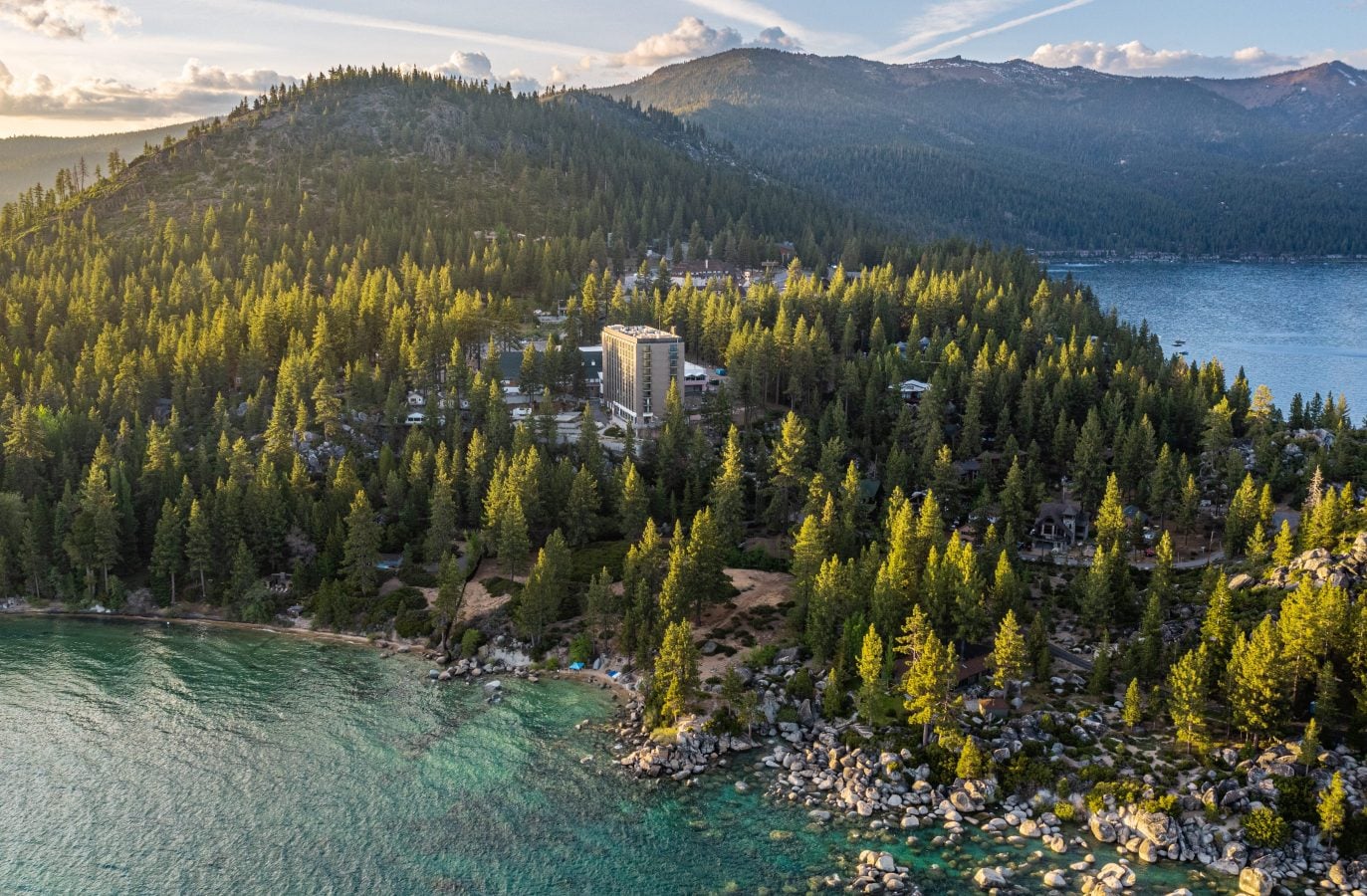
Originally developed in 1926 as the Cal-Neva Lodge, the property quickly gained a reputation for gambling. After Nevada legalized the activity in 1931, the lodge became one of the state’s earliest legal casinos. The original structure was destroyed by fire in 1937, but it was soon rebuilt into the resort that anchors the site today.
Cal Neva entered its golden age in 1960, when Frank Sinatra acquired a majority stake. Over the following decade, it became a year-round entertainment destination, drawing celebrities such as Dean Martin, Marilyn Monroe, Sammy Davis Jr. and John F. Kennedy. During Sinatra’s ownership, the resort added a 700-seat theater known as the Celebrity Room, along with amenities including a rooftop helicopter pad.
After 1970, the resort changed hands several times before eventually entering foreclosure in the 2010s. A redevelopment effort launched in 2013 was later halted, leaving the resort shuttered and its future uncertain.
READ ALSO: What’s Next for Atlanta’s Westin Peachtree Plaza?
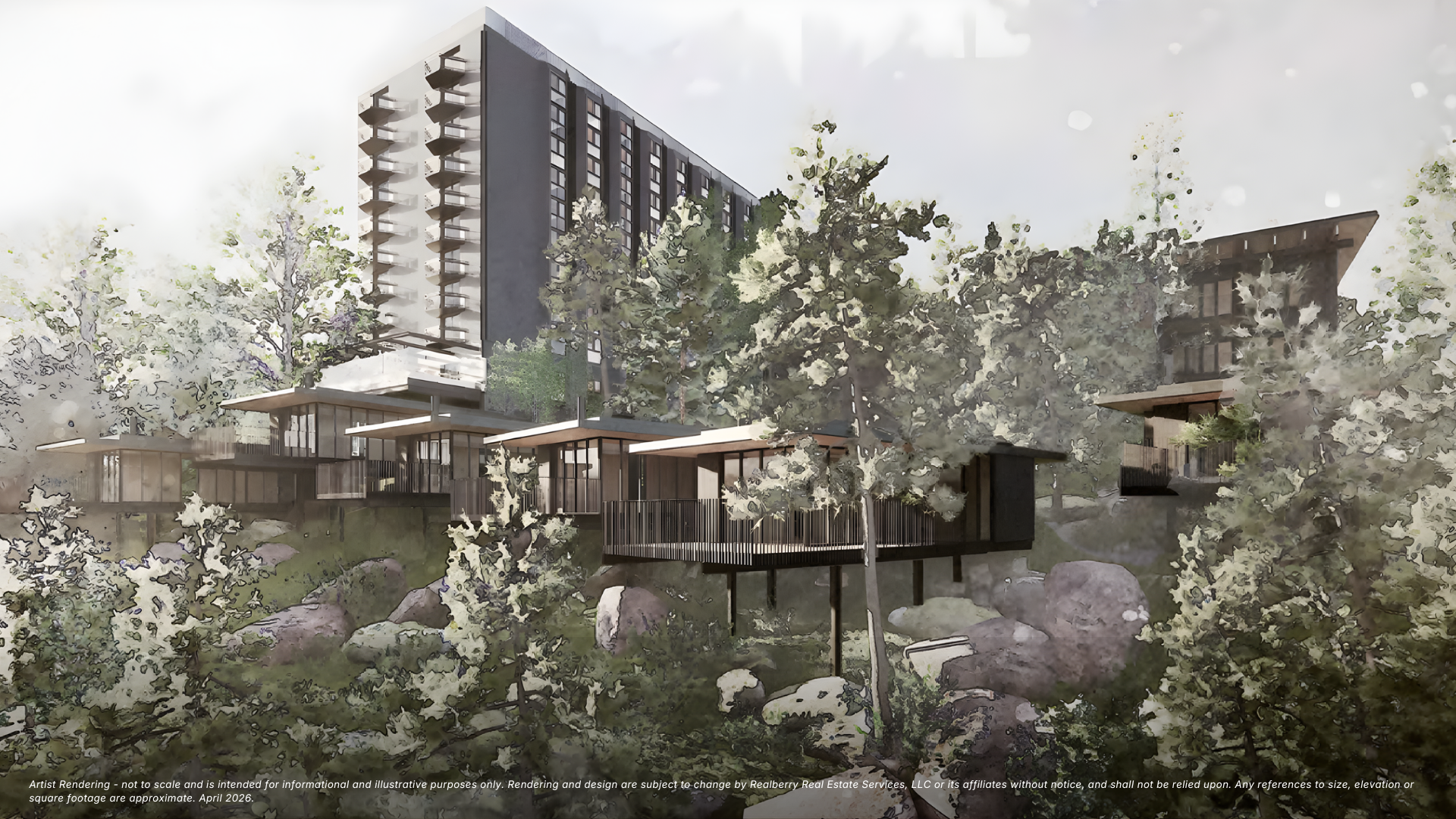
A new chapter began in 2023, when McWhinney—recently rebranded as Realberry—acquired Cal Neva. The company is now redeveloping it into a luxury hotel, in partnership with Kor Real Estate Partners and Proper Hospitality. Scheduled to reopen next year as Lake Tahoe Proper Resort & Casino, the resort is expected to include 197 guestrooms, suites and private villas, multiple restaurants and bars centered around the historic Circle Bar, two swimming pools, spa facilities, meeting and event space, a restored 225-seat theater and a casino.
Earlier this year, Realberry secured a $298 million financing package for the redevelopment. Commercial Property Executive spoke with CEO, Chairman & Co-Founder Chad McWhinney about how the loan came together and what’s next for one of Lake Tahoe’s most iconic resorts.
What drew you to the Cal Neva restoration? How important were the property’s brand, history and unique position on Lake Tahoe in raising the capital needed for the redevelopment?

McWhinney: Cal Neva is a rare property. There are very few hospitality assets on Lake Tahoe with its special kind of history, lakefront access and position in broader pop culture, and even fewer with the opportunity to be comprehensively restored. It is the type of unique, legacy asset Realberry looks for as part of our investment strategy. We build places people love, always with a long-term perspective.
The combination of all these things, along with site and asset quality and our track record of successfully restoring beloved community assets, helped attract interest from capital partners, as did the strong partnership between Realberry and Proper.
We intentionally selected Proper because of the team’s experience managing and creating iconic hospitality properties … The goal has always been to restore what people recognize and love about Cal Neva while creating a hospitality experience that feels meaningful for Tahoe today.
How exactly does Cal Neva Resort & Casino fit into your broader investment and development strategy?
McWhinney: Realberry has consistently focused on projects where there is an opportunity to take a long-term approach to placemaking and value creation. Cal Neva aligns closely with that strategy because it is an incredibly unique asset with deep historical significance and long-term potential.
The project also reflects our broader focus on investing in places that have lasting cultural and community impact. The approach at Cal Neva has been centered on thoughtful restoration, strong partnerships and creating something that can continue to evolve and remain relevant over time.
What did it take to secure financing for a project of this scale?
McWhinney: A project like this requires alignment across the capital stack, the operating vision and the long-term redevelopment goals. Lenders and capital partners needed confidence not only in the asset itself, but in the sponsorship team, the hospitality partnership and the overall positioning of the property within the Tahoe market.
The financing structure needed to support a full-scale restoration approach as well as some new construction. To get there, we and our partners balanced traditional financing with tools like C-PACE that aligned with the scale of infrastructure and efficiency improvements being made throughout the property.
Speaking of C-PACE, why was this financing type the right choice for this redevelopment?
McWhinney: C-PACE was a strong fit because of the amount of long-term infrastructure and building system improvements involved in the redevelopment. The financing supports qualified upgrades tied to energy efficiency, water efficiency and modernization of core systems across the property. That includes improvements related to the building envelope, resiliency and long-term operational performance of the asset. It also complemented the broader financing structure.
READ ALSO: Why C-PACE Lenders Remain Resolute
How did lenders and capital partners evaluate the risk profile of a 100-year-old hospitality asset, especially in today’s lending environment?
McWhinney: Historic hospitality assets naturally require a different level of diligence because every property comes with its own physical and operational considerations. In this case, lenders evaluated the strength of our redevelopment plan, our long-term vision for the property, the sponsorship team and the partnership with Proper Hospitality.
At the same time, Cal Neva benefits from characteristics that are extremely difficult to replicate, including its location on the lake, the scale of the site and the property’s long-standing cultural significance. Those factors helped support confidence in the future positioning of the asset.
What set Lake Tahoe Proper apart once completed, particularly among historic hospitality properties on the West Coast?
McWhinney: There are very few properties that combine this level of history, direct lakefront access and year-round recreation with a fully integrated luxury hospitality experience. The redevelopment will bring together restored historic spaces, wellness programming, entertainment, dining and a refined casino experience in a way that is relatively unique within the Tahoe market and across the West Coast hospitality landscape.
The Proper partnership also introduces a highly design-forward and culturally driven approach to the guest experience, while still maintaining a strong connection to the history and identity of the property.
READ ALSO: In a Liquid Market, Lender Difference Matters
In what ways did the partnership with Proper shape the redevelopment plan?
McWhinney: Proper has played a major role in shaping the overall vision for how the property will operate and experience the market. Their expertise across hospitality, design, food and beverage, wellness and cultural programming helped establish a very differentiated positioning for the resort from the beginning.
How did you decide which spaces will be updated for modern use and which will be preserved for their historic legacy?
McWhinney: We worked to prioritize the spaces that are most connected to the identity and history of Cal Neva and offer an active gathering place for both visitors and the Tahoe community. This included several historic spaces that are being restored, including the Circle Bar and the showroom, because they remain closely tied to how people remember and experience the property.
At the same time, the resort also needs to function in a way that supports how the modern guest uses hospitality spaces today. So while it is vital to preserve the character of the Cal Neva, we are updating spaces to align with expectations for a world-class hospitality experience.

You must be logged in to post a comment.