


ICSC Special Report: Retail Pros Talk AI
In conversations with CPE, experts at the annual event shared their current strategies—and a glimpse of what’s ahead.
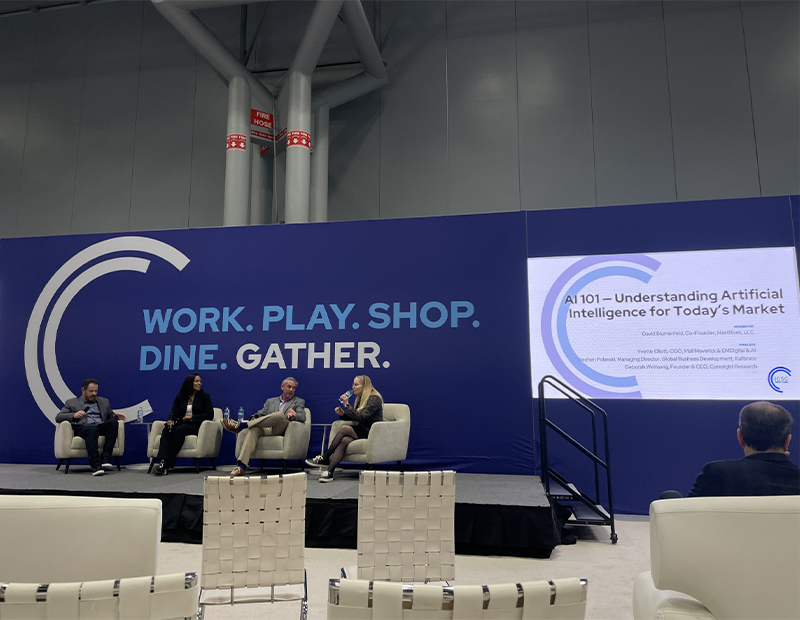
AI was a hot topic at this week at ICSC’s annual New York City event, no less than it’s been all year. In conversations with Commercial Property Executive, industry experts from a wide variety of business areas shared strategies and offered a glimpse of what’s ahead.
Developers and designers alike can now use AI to streamline processes and identify trends for faster decision-making.
“Everyone is dancing on the fringes of being very effective with AI,” Scott Schnuckel, managing director of Americas retail at CBRE, told CPE during the conference at Manhattan’s Javits Center. The technology is constantly changing, adapting and learning new ways to optimize processes in all real estate sectors. For retail, AI has been able to help on the development side and offer real-time insights on consumer behavior.
The future use of AI in development
Even though AI is still in its early adoption stage in real estate, people are looking for ways to use it on the development side. While there are few retail developments underway, AI holds the opportunity identify areas where investments could be made initially and showcase where the action is happening.
Experts at the event shared that Southern U.S. metros are safe bets for acquisitions and investments going into 2026. Individuals from Avison Young, CBRE, Colliers and Vestar have all shared that they are bullish and confident about retail investments in Texas, Miami and Phoenix in the new year.
READ ALSO: The Rise of Tertiary Retail Markets
Ryan Ash, vice president of development at Vestar, shared that the company has a pipeline of 3 million square feet in the Phoenix area, either recently completed or in the predevelopment and development stages. Ash added that AI’s use on the design side of the process has been extremely beneficial.
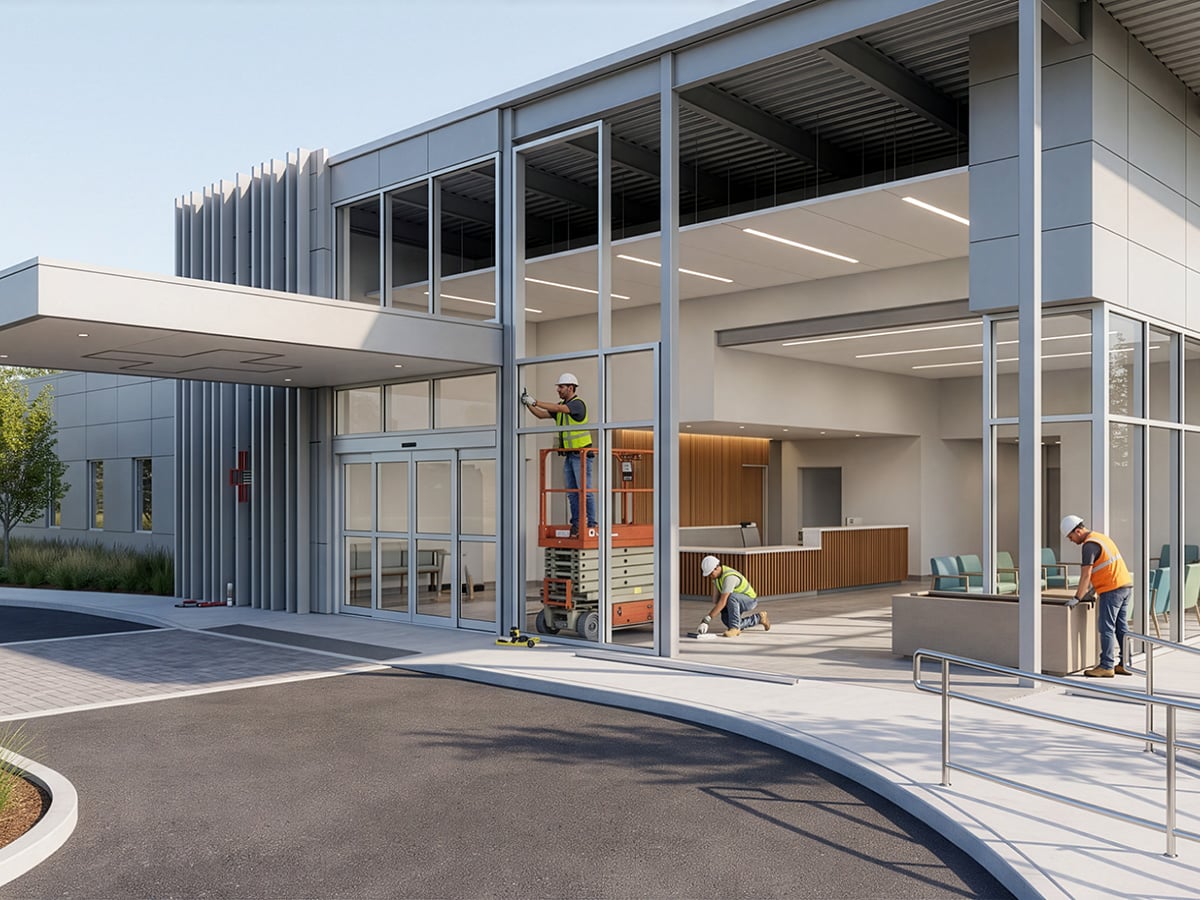
When thinking about design layouts, developers are able to talk to an AI model about their ideas of how they want a property to look. The model will then create an image of how the building could look based on the information provided, optimizing the process between developer and architect to build a product that meets all needs while improving communication between the two parties. As AI continues to change, other uses in development will evolve as well.
Understanding the consumer
The consumer is utilizing AI as a new way to research, especially for bargains during the holiday season. Avison Young’s holiday 2025 retail trends report states that between November 1, 2024, and December 31, 2024, generative AI sources of traffic increased 1,300 percent year-over-year, showing that this technology has become the consumers’ advisor. For retailers themselves, Meghann Martindale, principal leading retail market intelligence at Avison Young shared that AI is useful in inventory management, allowing retailers to understand consumer demand in real time.
This year, AI played a role in Black Friday shopping as consumers looked for the best deals. Nicole Larson, manager of national retail research at Colliers found the same uptick in using AI for bargain shopping in the winter 2025 retail report. She believes that moving into the new year, this trend will continue and be used to generate gift ideas for the next season. Already, people have shared they will use this approach, as 35.7 percent of consumers in the report say they will use AI for gift ideas.
The report noted that AI generated $14.2 billion in worldwide sales, and that most top-searched malls saw an increase in foot traffic on Black Friday. For example, the American Dream mall in East Rutherford, N.J., saw 95,000 visitors on Black Friday this year, an 8.8 percent increase year-over-year, meaning consumers are still shopping in person at malls and shopping centers alike.
As consumers remain active in the retail market, AI-generated data has become a valuable tool for understanding what they are buying and which brands are being suggested to them through agentic AI search. When looking to lease out retail centers, this type of data can be useful for filling vacancies. Owners and leasing agents can identify which retailers are likely to perform well and offer the community what they are asking for—ultimately increasing sales and foot traffic for tenants, while improving the retail experience for consumers.
New online optimization strategy
To close the conference, there was a general session called AI 101: Understanding Artificial Intelligence in Today’s Market. The panel included Yvette Elliott, COO at Mall Maverick; Stephen Polanski, managing director of global business development at Kalibrate; and Deborah Weinswig, founder & CEO of Coresight Research. The session was moderated by David Blumenfeld, co-founder of NextRivet LLC.
Throughout the discussion, panelists gave an overview that explained what AI is and how it is being used in the retail sector. Polanski nodded toward optimizing data and keeping it all in one place, while Weinswig and Elliott referenced content development as a beneficial starting point.
Elliott mentioned that AI is changing the digital landscape for retailers and the real estate that needs to be considered moving forward. “Whatever AI says, it will become your brand,” Elliott remarked.
The panel also highlighted the importance of understanding the difference between generative engine optimization (GEO), which involves getting AI to suggest your website in a prompt, and AI optimization (AIO), using AI tools to enhance SEO strategies across search engines and AI platforms. Elliott suggested that people in the sector monitor and improve their digital footprint, which will support their growth moving forward. By making this optimization shift, brands can influence how they are represented by AI tools, drive traffic to their sites and maintain a strong presence in a competitive market even as consumer behaviors change.
As consumers increasingly rely on AI to guide their shopping choices, the industry is moving alongside them. Retail has shown to be resilient, bouncing back from the pandemic and shifting with the growth of e-commerce. AI is now the next step, reshaping how retail is conducted.






You must be logged in to post a comment.