
How Lifestylization Is Making Office Work
As mixed-use incorporates more of the community, it’s raising the value of office space—and attracting more investors.

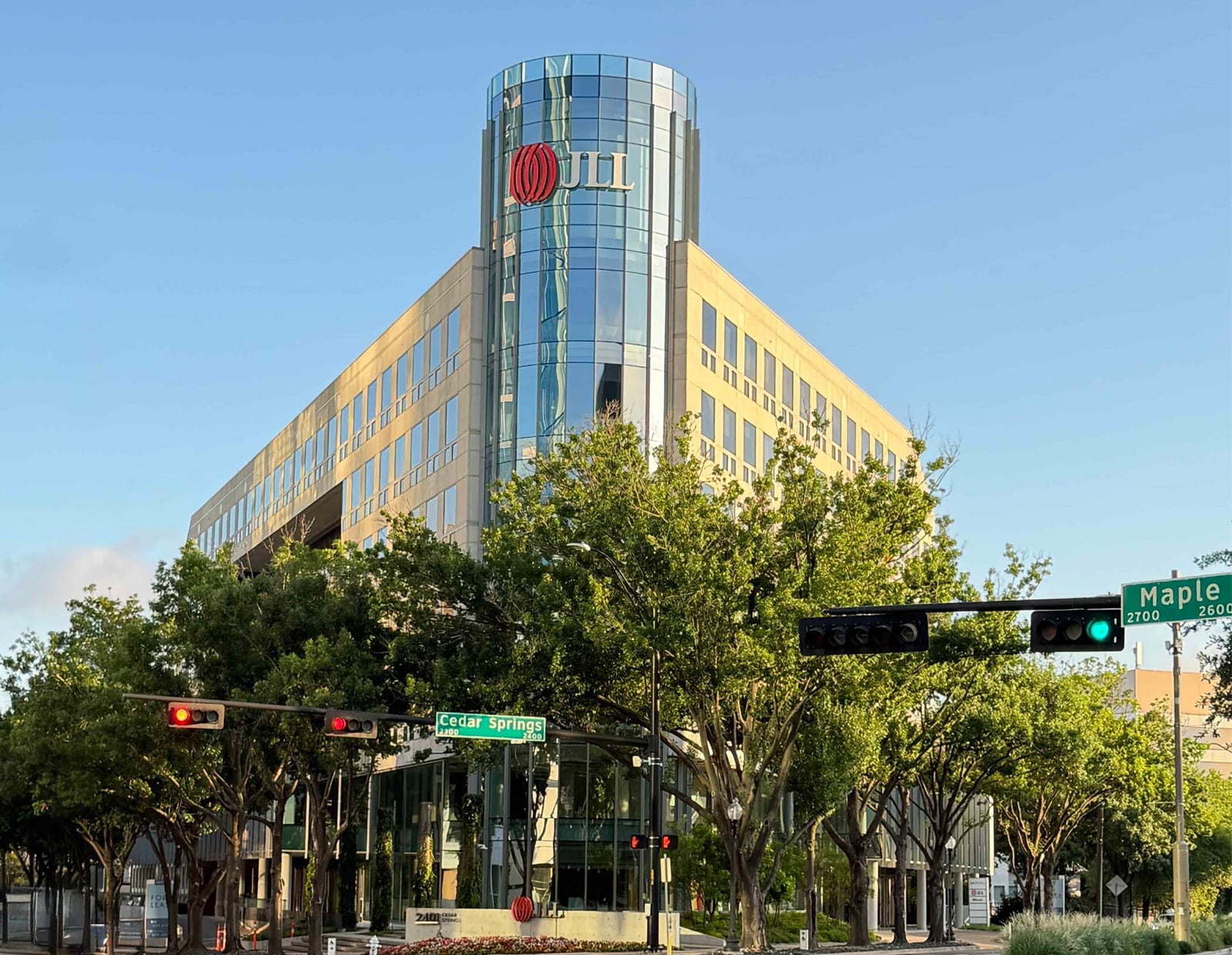
As with any tsunami, the ongoing efforts to attract employees back to the office are affecting much more than just the composition of office real estate. There’s a ripple effect that’s impacting the make-up and value of surrounding mixed-use properties. So much so, in fact, that JLL is forecasting an increase in what it calls “lifestyle office markets” to 30 percent of U.S. office inventory by 2040, up from only 4 percent now.
That would constitute a big change in value perception, since until recently institutional investors have limited their exposure to live-work-play, perceiving it as a short-term phenomenon, JLL reported in its September lifestyle office market report.
However, recent studies from Gensler and Steelcase found the connection between experience and office allure spans a wider generational cohort than previously predicted, JLL noted. The result, according to additional data, is higher levels of preleasing and ultimately occupancy, with a greater willingness to accept elevated rental rates as corporate users anticipate increased productivity. For investors, that all adds up to greater value and thus higher pricing.
It’s not just the desire to get out of the house that’s driving this expanded interest in lifestyle properties. Developers, designers and city planners have been working together to create what writer Diana Mosher describes in this month’s feature story, “What’s Driving Mixed-Use Design,” as “intentional spaces” that connect workers, shoppers and the surrounding community and maintain a true 24/7 energy.
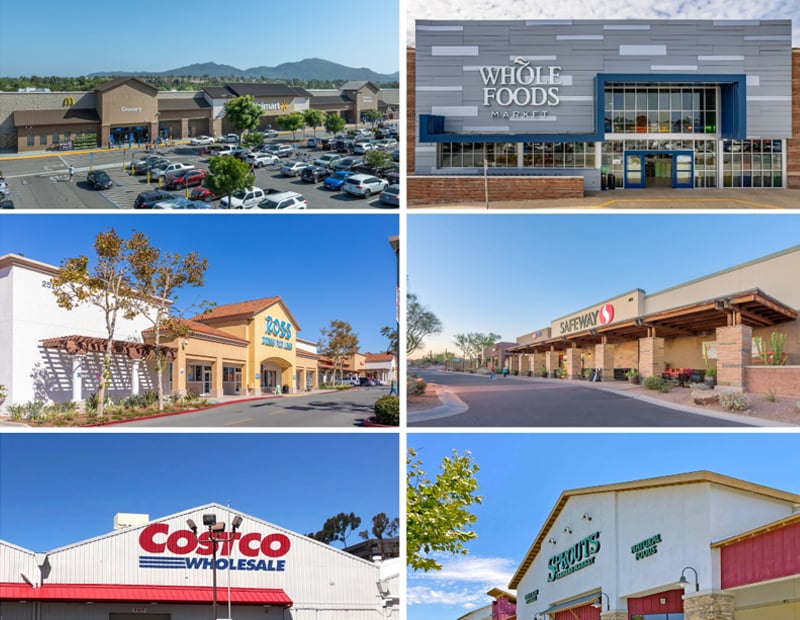
That’s a big step up from the lifestyle retail centers that enticed people to come for the experience and stay for dining and shopping. Or the mix of uses that were geared for the anchor tenant. Or the sports and entertainment districts that tended to attract traffic only during events, limiting the types of tenants that would occupy the space.
This more holistic vision incorporates the neighborhood’s culture, makes residents feel more at home, and eases office workers’ access to spaces where they can wander and find inspiration–whether the community sprawls across a suburban expanse or extends vertically to accommodate urban space limitations. It also takes into account newer requirements like ease of access for backdoor services like DoorDash.
JLL foresees this approach elevating the performance of CBDs as well as creating new districts along the lines of Reston Station or Hudson Yards. But it can also be beneficial on a smaller scale–and is certainly easier to pull off, as Duncan Paterson of Gensler pointed out to Mosher. That expands the potential for more developers, investors, tenants and communities to benefit.

You must be logged in to post a comment.