


Ancillary Advantages in the Satellite Sphere
Sometimes finding the best opportunities requires an in-depth understanding of business sector needs.

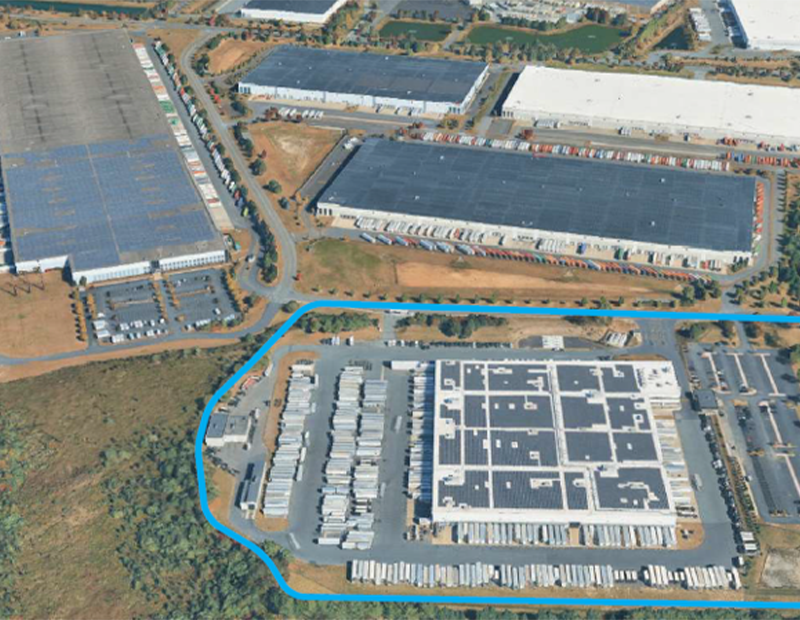
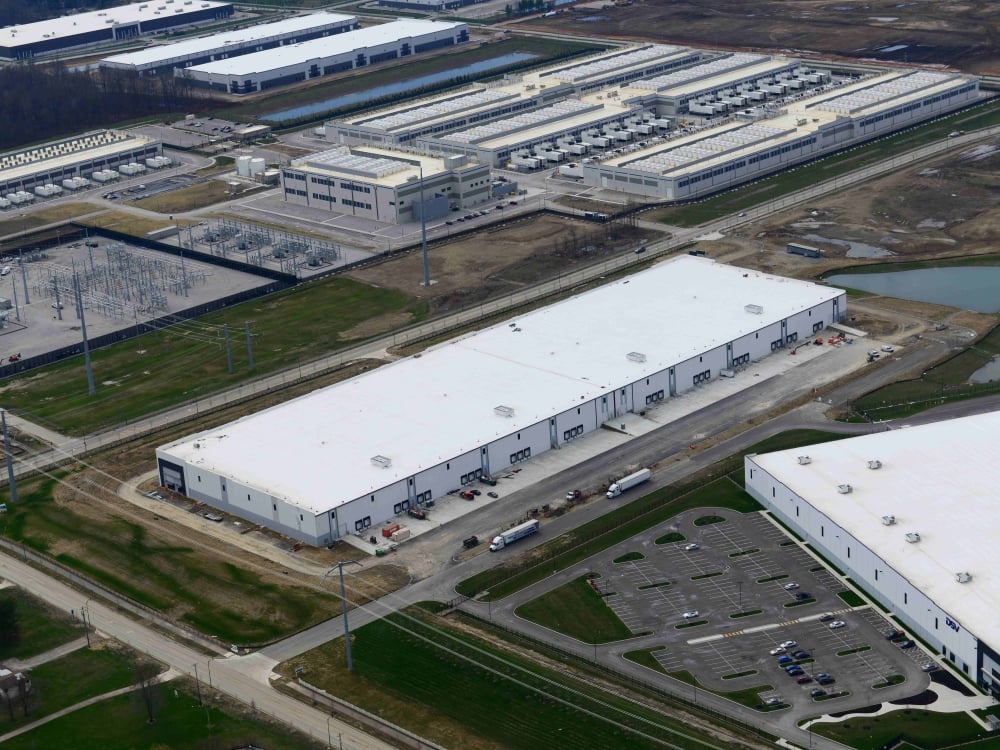
The data center growth trajectory may have slowed as demand encounters consumer resistance. But sometimes you just need to know where to look for opportunity. One good place to consider in the data center space? The satellite businesses that provide ancillary services. As some industrial developers have realized, every data center requires nearby light manufacturing and warehouse facilities, and they have their own needs. Jordan Mann discusses this in greater detail in this month’s feature, “Data Centers Are Giving Warehouse Demand a Jolt.”
It makes sense, really. After all, most big business sectors don’t operate entirely independently, and very often they attract a range of supporting service and equipment providers.
That may be on a small scale, as in the case of a local hospital attracting medical centers, equipment suppliers and pharmacies. It may also be much larger. The automotive industry in Detroit and the oil patch in Texas were early examples. As was the government sector in Washington, D.C., which for years supported a thriving and very stable commercial real estate market that included not just General Services Administration-occupied space but a wide range of related businesses in the private sector.
Of course, the flip side is that when growth reverses, as in the case of the GSA under the current administration, or moves, as with the pharmaceutical industry’s greater shift from New Jersey to Boston and Raleigh, it affects suppliers, too.
Which raises another topic: the benefit of developing an in-depth understanding of specific industries, whether those in your area, if you have a local or regional focus, or on a broader basis, like nationally or internationally. That allows you to strategize more completely: To stay ahead of an industry’s growth needs (including demand for space geared to its suppliers). And to anticipate the inevitable shifts that may necessitate your rethinking space usage.
In the case of data centers, the jury’s still out on how many large hubs there’ll be in the U.S., although some have already emerged, such as Northern California and Northern Virginia. It makes sense for them to follow Big Tech, especially with much of their expansion in response to artificial intelligence advancement. But Northern Virginia is a much larger data-center market than Northern California—in fact, it’s the largest in the world—because of the range of other variables necessary to success: from infrastructure to land availability, environmental factors, regulatory issues and economic concerns.
That’s complex. But as with other real estate sectors, the greatest advantages will likely go to those who can couple the age-old “location, location, location” with an understanding of industry needs.






You must be logged in to post a comment.