


How Fitness Is Getting Retail Back in Shape
Gyms can help fill vacancies and bring regular activity to shopping centers, but the strongest tenant choices depend on more than foot traffic.
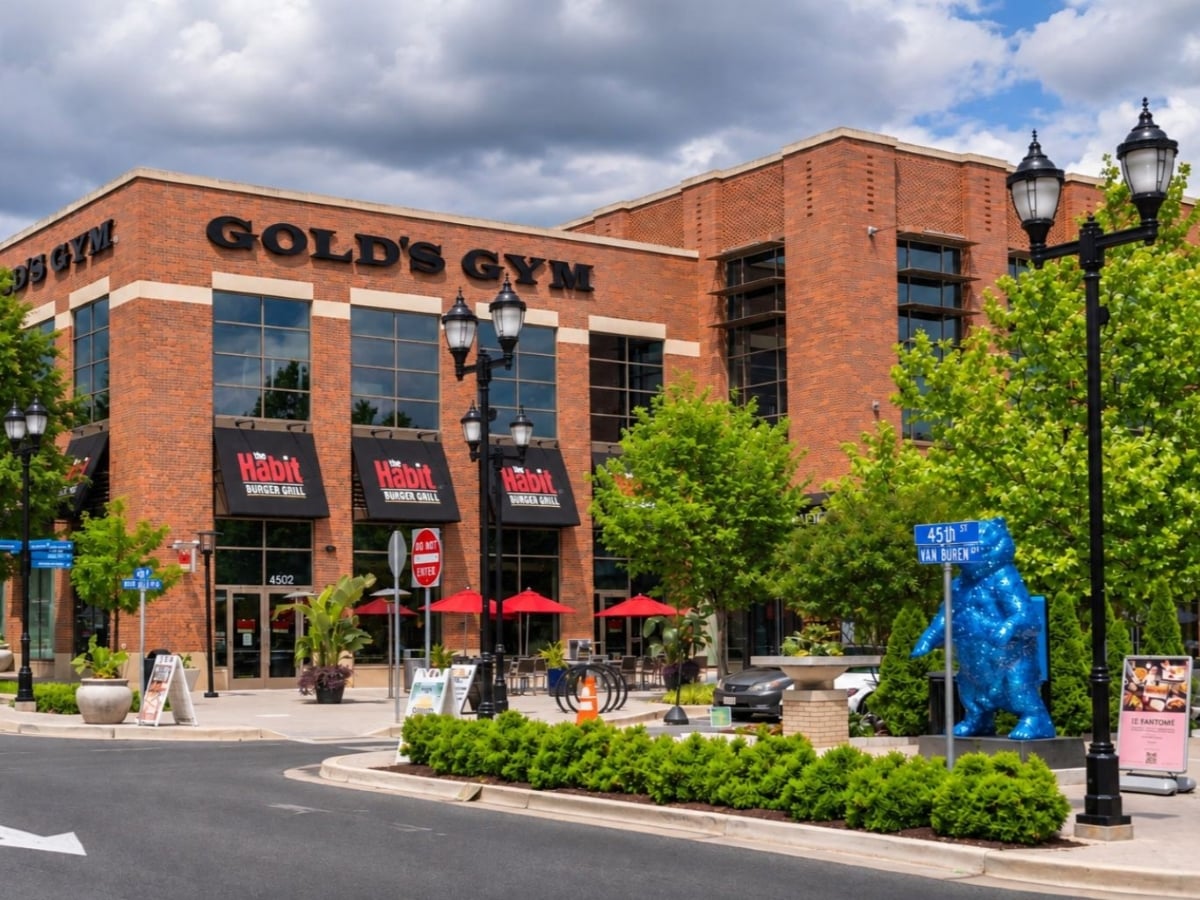
Gyms have long served as backfill tenants for vacant retail spaces. That role remains critical as apparel, convenience stores, electronics, pharmacy, department store and specialty retailers reduce their footprints, leaving landlords to find new tenants for large spaces. Today, fitness and wellness operators are increasingly being considered for the traffic they can bring to neighboring businesses throughout the day.
Fitness, wellness and value-oriented retailers were among the categories leading leasing activity in the third quarter of 2026, when shopping centers recorded 3.5 million square feet of net absorption, according to Cushman & Wakefield. Overall, quality space remains hard to find: U.S. shopping center vacancy held at 5.9 percent in the third quarter, well below the historical average of 7.4 percent, while just 2.3 million square feet of new space was delivered.
The consumer base behind that demand has also widened. A record 81 million Americans belonged to a gym, studio or other fitness facility in 2025, up 5.2 percent from the previous year, and nearly 7 billion visits were recorded nationwide, according to the Health & Fitness Association. Newmark estimates that announced openings and closures among the major fitness chains it tracks could represent an 8.1 million to 11.8 million-square-foot positive absorption impact, based on operators’ 2026 plans and their typical footprints.
Why fitness is a traffic anchor
Traditional anchors have typically combined a large footprint with the ability to pull customers to the rest of a shopping center. Fitness operators can generate that traffic at a range of sizes because members return regularly. A report by Cushman & Wakefield in partnership with Placer.ai found that fitness center and gym visitors averaged 4.2 visits per month in 2025, compared with 2.5 for coffee concepts and 2.4 for grocery stores. In grocery-anchored neighborhood centers, those visits can complement steady, necessity-driven traffic and extend activity into the early morning, midday and evening.
“Fitness adds frequency,” said Emily Gagliardi, senior vice president & head of leasing for the East and Central regions at First Washington Realty.
READ ALSO: Is Grocery-Anchored Retail Worth the Premium?
Several First Washington properties pair gyms with grocery stores. Fairwood Shopping Center in Renton, Wash., is anchored by both Safeway and LA Fitness, while Lakeside at Canyon Park in Bothell, Wash., combines Safeway with Planet Fitness. Gagliardi has seen gym users add other errands or purchases around their workouts, including coffee, smoothies, dry cleaning and meals.
Vestar has also seen successful fitness tenants increase traffic and dwell time at levels comparable to a strong soft-goods junior anchor. The cross-shopping effect is particularly noticeable on weekends, according to the company, which invests in, manages and develops retail real estate throughout the western U.S.,
These examples suggest that a fitness tenant’s potential as an anchor is not determined by square footage alone. Brandon Isner, head of U.S. retail research at Newmark, said the traditional test is whether a tenant attracts traffic that supports surrounding retailers. Gyms can pass that test when members’ visits extend beyond their own four walls.
From a backfill solution to leasing strategy
Large vacant boxes remain a major source of expansion space for fitness operators. Crunch Fitness has take over several former Big Lots, Joann and Bed Bath & Beyond locations, while Planet Fitness and EoS Fitness have also moved into space vacated by other retailers. For landlords, those deals can address vacancies while bringing in a tenant capable of generating substantially more recurring traffic than the previous retailer.
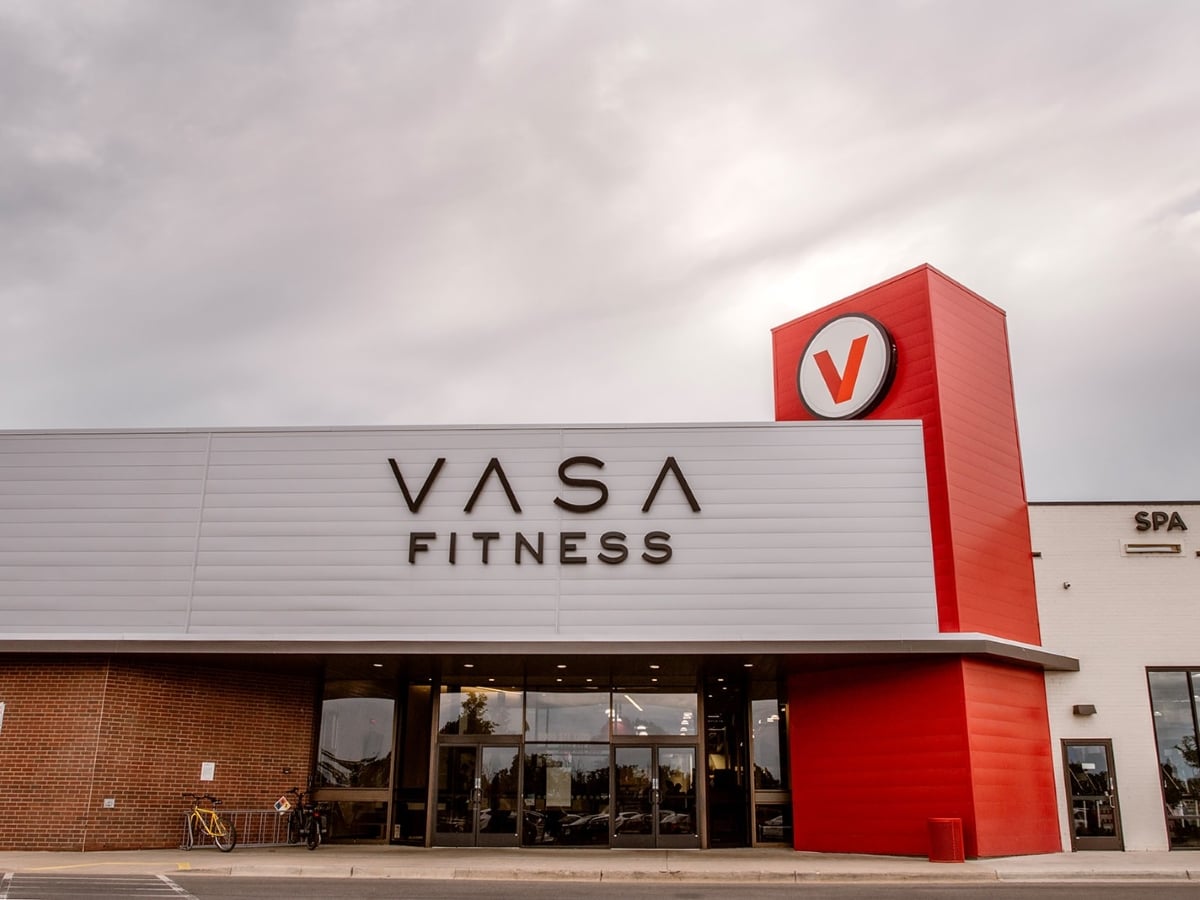
Vestar’s Bowles Crossing shopping center in Littleton, Colo., illustrates how backfill can become part of a broader leasing strategy. When Sports Authority closed at the center in 2016, Vestar selected VASA Fitness to occupy the roughly 52,000-square-foot space. The spacing between competing fitness concepts in the submarket made the location a good fit, but its ability to serve as an additional anchor offered more than a solution to the vacancy, according to Vestar Senior Vice President of Development Kean Thomas. Today, Vestar considers fitness operators alongside other potential junior anchors and major tenants when repositioning properties. The size and configuration of available space help shape those decisions.
But competition for fitness-oriented retail space extends to smaller spaces, as well. For example, Stretch Zone Franchising typically seeks second-generation spaces at around 1,000 square feet, and Director of Real Estate Jeremy Rosenthal said the company faces more competition for plug-and-play locations in stronger A and B centers. That has contributed to higher pricing and longer deal cycles.
For a smaller wellness operator, the economics can depend on how much work a space needs before the tenant can begin its own buildout. Stretch Zone favors spaces with an accessible restroom, adequate HVAC and sufficient power. Significant demolition or mechanical, electrical and plumbing work can add enough time and cost to make a location unviable.
The right mix
The growing range of fitness formats is giving landlords more leasing options, but it makes it also makes it important to assess whether uses complement or compete with one another. First Washington sees the greatest potential for coexistence when concepts serve different needs.
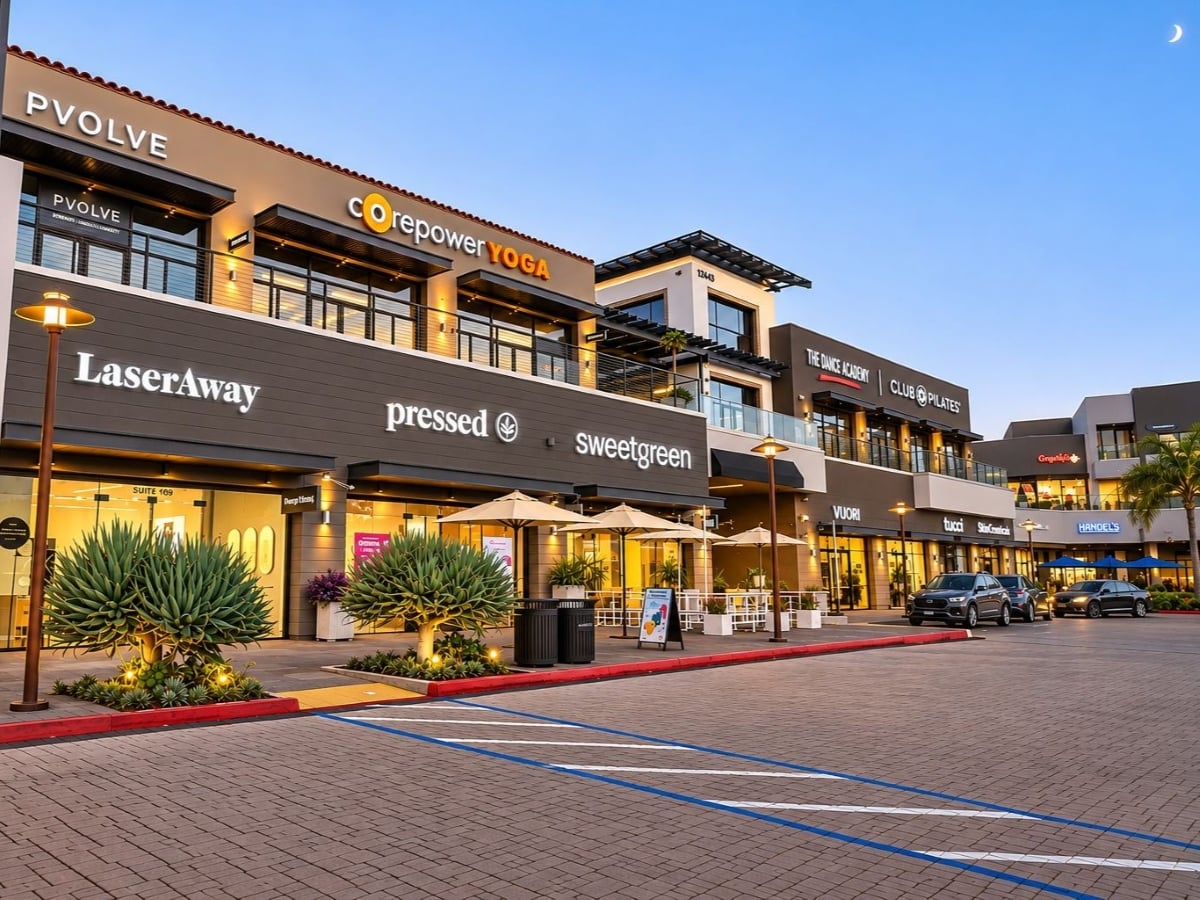
A full-service gym, Pilates or yoga studio, climbing gym and a recovery or stretching concept can all operate within the same center because customers often use more than one service, according to Gagliardi. Stretch Zone also considers neighboring businesses when evaluating a location, looking for the presence of boutique brands such as Orangetheory Fitness, Club Pilates and Massage Envy as well as large gyms.
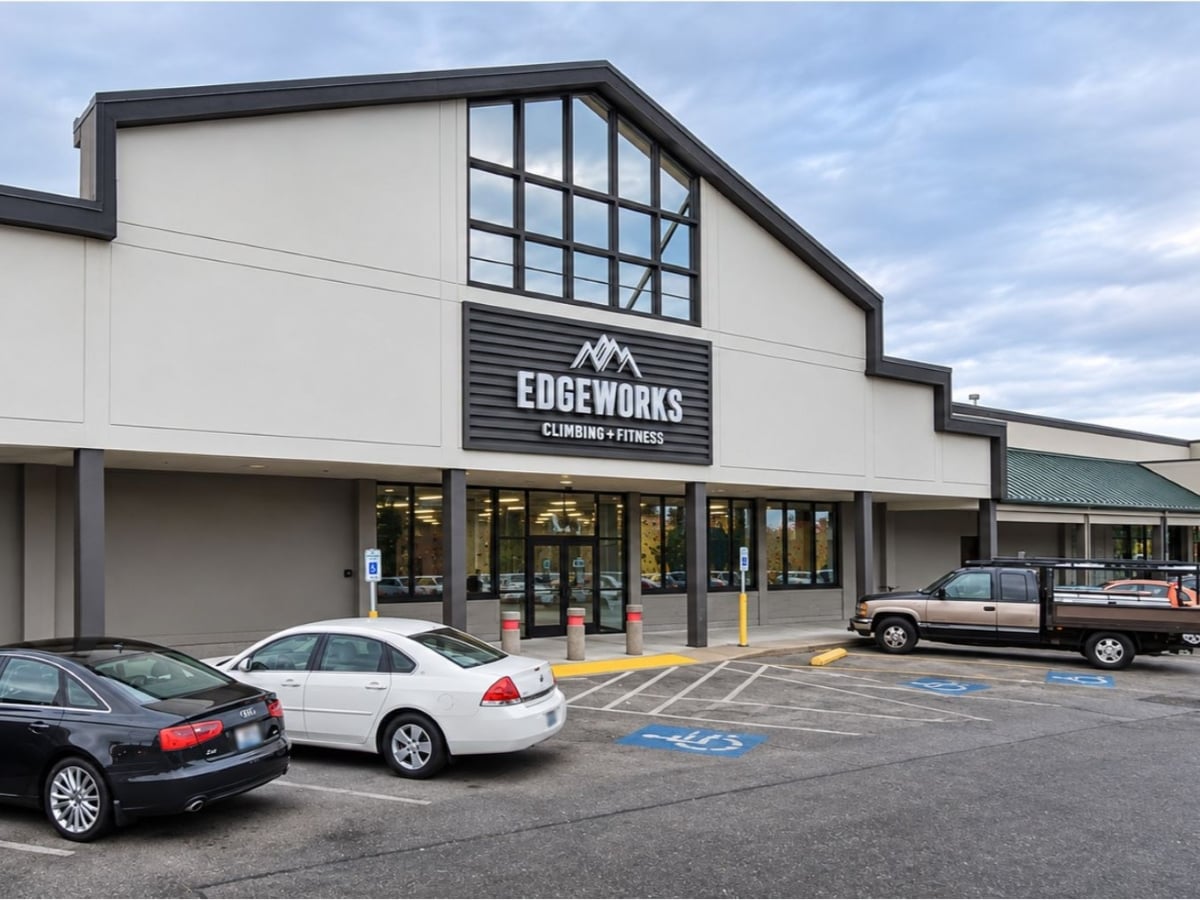
Specialty fitness can broaden a center’s trade area. For example, First Washington’s Evergreen Village shopping center in Bellevue, Wash., which the company acquired in July, combines a Safeway grocery anchor with Edgeworks Climbing, Puetz Golf Superstore, Starbucks and other tenants.
READ ALSO: Inside Retail’s Shopping Spree
Unlike a conventional gym that customers may choose largely for convenience, a climbing facility can attract visitors from farther away and encourage longer, more social outings involving friends, children or groups, Gagliardi noted. Restaurants and other experiential tenants may benefit when those customers stay at the property before or after their fitness activity.
The mix becomes less compelling when several concepts are pursuing essentially the same customers, particularly if their services and pricing give shoppers little reason to use more than one. For owners, the question is therefore whether each wellness tenant can create a distinct reason to visit.
Credit, parking and re-leasing risk
Frequent traffic does not remove the financial considerations that come with dedicating a large space to fitness. First Washington underwrites a gym as it would any other anchor tenant, examining credit quality, lease terms, location performance and fit with the real estate. When acquiring a center with an existing fitness tenant, the company also considers membership at that location, remaining lease term, rent, the tenant’s effect on parking and evidence it drives traffic elsewhere in the property.
Similarly, Vestar also assesses fitness tenants’ financial positions, along with market rents, landlord contributions and the work required to complete the deal. Newmark has seen landlords pay close attention to operator credit, Isner said, pointing to recent S&P rating upgrades for several large groups as a positive development for the sector.
Parking can be particularly difficult to manage when a fitness tenant is part of the roster. Because a large gym’s busiest hours can overlap with restaurants and other evening-oriented businesses, Vestar tries to locate fitness facilities where dedicated and shared parking can accommodate demand. Uses with different peak hours make the arrangement easier to manage.
But in a weaker economic environment, what trumps everything is operator strength. Fitness is a discretionary expense, and the businesses carry substantial operating demands, according to Thomas. So operators without strong balance sheets or enough flexibility may therefore be more exposed during a contraction.
In addition, as more fitness brands pursue expansion, the possibility of eventual oversaturation is also growing, Isner said, although the range of operators serving different income segments may allow the category to keep expanding before that becomes a broader concern.
The risk of financial distress for a retail landlord is clearest when a gym leaves. Large fitness spaces may contain locker rooms, showers, pools, heavy plumbing and HVAC infrastructure, mezzanines or high-ceiling areas that have limited value to another tenant. That has prompted First Washington to consider the next leasing scenario before committing capital to a retail asset, weighing its tenant allowance or landlord work against the rent and remaining term, while assessing whether other uses would find the space appealing if the fitness operator went dark.
That re-leasing calculation puts a practical limit on how much value landlords can assign to traffic alone. The strongest deals are those in which recurring visits justify the investment while leaving the property with options for what comes next.





You must be logged in to post a comment.