


Foreign Capital Shifts CRE Priorities
International buyers look beyond trophy assets as pricing, sector fundamentals and domestic partnerships reshape their U.S. investment strategies.
This article first appeared in the CPE Sneak Peek Newsletter. Subscribe now for early access to exclusive content, in-depth analysis and key trends!
Despite geopolitical volatility, foreign investment in American commercial real estate increased in the first half of 2026.
What’s notable is that international buyers are becoming more selective, increasingly targeting artificial intelligence-driven assets such as data centers, power infrastructure and technology platforms. Retail and senior housing are gaining attention due to their favorable supply-demand dynamics, but industrial and Class A office investments are still in the mix.

The U.S. remained the largest destination for global cross-border capital during the first half of the year, according to Savills. Direct investments totaled about $16.1 billion, up 23 percent year-over-year, although foreign capital still represents only 6 to 7 percent of overall U.S. investment.
Canadian and European capital continued to lead that activity, with investors beginning to look beyond the trophy assets that historically drew the most attention, according to Howard Cho, managing director at Eastdil Secured Savills. The search for higher yields is also directing more foreign capital toward digital infrastructure, including major mergers and acquisitions.
Investment patterns vary significantly, however. “Certain APAC investors, particularly in Korea, have been more constrained by the strong U.S. dollar, higher hedging costs and legacy U.S. investments, leading them to be more selective around credit and data center opportunities,” Cho said.
Investor strategies are shifting, as well. One of the most notable changes this year has been the movement of capital from private credit funds into direct real estate, according to Bill Shanahan, chairman of capital markets at CBRE. As private credit spreads have compressed and interest rate expectations have stabilized, direct ownership has become relatively more attractive.
READ ALSO: What a Credit-Led Recovery Means for CRE Investors
That evolution has not eliminated demand for real estate debt. Sovereign wealth funds and foreign pension funds have accelerated their lending activities in U.S. commercial real estate since the global cash crisis, according to Michael Maduell, president & founder of Sovereign Wealth Fund Institute in Seattle.
“Sovereign wealth funds and other entities are happy to do asset-backed lending,” Maduell said. “That’s a competition game with other non-bank lenders.”
Canadian investors, which pulled back last year amid tariff uncertainty and broader bilateral tensions, have also returned to the U.S. CRE market. Both CBRE and Savills reported that Canadian investment during the first half of 2026 has already exceeded the full-year 2025 totals.

“Last year we saw a little over $2 billion of investment from the Canadian community. This year we’re already above $6 billion,” Shanahan said.
It remains unclear how the latest trade dispute between President Donald Trump and Canadian Prime Minister Mark Carney will affect investments in the second half of the year. Tensions escalated again following the collapse of negotiations on Aug. 21, but before that development, Savills reported that Canada was on track to reach its strongest year of U.S. CRE investments since 2021.
Another unknown heading into the remaining months of 2026 is how much of an impact the Iranian conflict is having on foreign investments, particularly from Middle Eastern sovereign wealth funds, into the U.S.
READ ALSO: How CRE Investors Are Adapting to Higher-for-Longer Interest Rates
“Any sharp volatility event definitely causes market participants to pause and especially pause on something outside of their home domicile,” said Chris Muoio, managing director & head of data and research at Madison International Realty. “We don’t have data on it yet because data comes in with a lag, but I wouldn’t be surprised if the war in Iran had an impact on capital flows out of the Middle East specifically, just because of what is going on in terms of oil prices and flows.”
AI infrastructure takes center stage
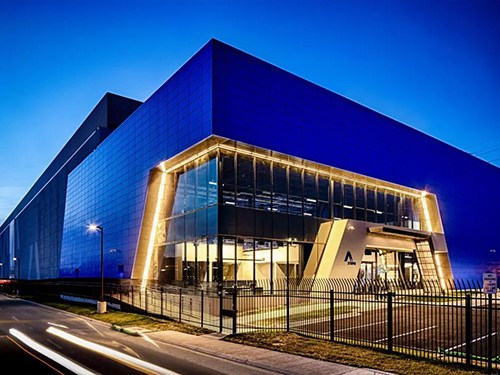
One of the biggest recent changes in foreign investment patterns has been the growing focus on U.S. data centers. “When you talk to offshore investors, one of the things they all want to talk about is data centers,” Shanahan noted. The full volume of that investment can be difficult to measure because many transactions involve infrastructure companies, operating platforms or corporate-level deals that fall outside traditional real estate tracking.
Foreign capital is increasingly entering the CRE sector through those platforms. For example, KKR launched Helix Digital Infrastructure in June with more than $10 billion in committed capital. KKR, the Kuwait Investment Authority, NVIDIA and Vistra are founding investors in the company, which will develop and finance data centers, power and connectivity infrastructure.
READ ALSO: Why Net Lease Investing Is ‘All About the Real Estate’
KIA also joined BlackRock, Global Infrastructure Partners, Microsoft and MGX in the AI Infrastructure Partnership, an initiative that aims to mobilize $30 billion in equity capital and as much as $100 billion including debt financing. In July, a consortium comprising AIP, MGX and BlackRock’s GIP completed its acquisition of Aligned Data Centers from Macquarie Asset Management and its co-investors. The transaction valued Aligned at approximately $40 billion.
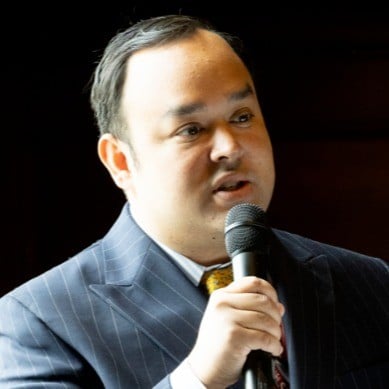
The shift toward digital infrastructure follows an earlier repositioning away from office. After suffering losses on U.S. office investments following the Covid pandemic, large sovereign wealth funds and Canadian pension plans moved into industrial and logistics in recent years, Maduell said.
More recently, they expanded into data centers, AI companies and the businesses supporting that ecosystem. Their exposure also extends to the power needed for the AI buildout. According to Maduell, foreign institutions are investing in utilities through both direct stakes and joint ventures.
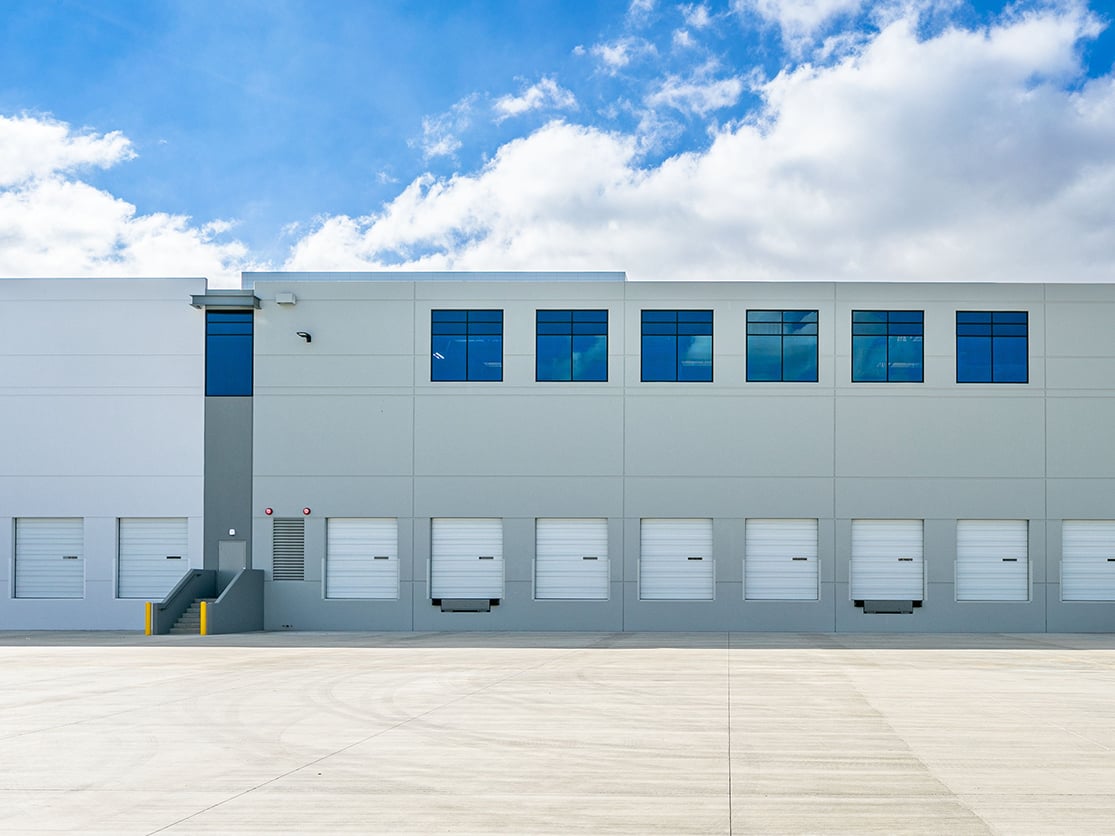
Meanwhile, oversupply in some industrial and multifamily markets has muted returns and contributed to a pullback from those sectors this year, Shanahan said. Senior housing and manufactured housing have performed better because neither experienced the same construction boom.
Partnerships open the door to retail
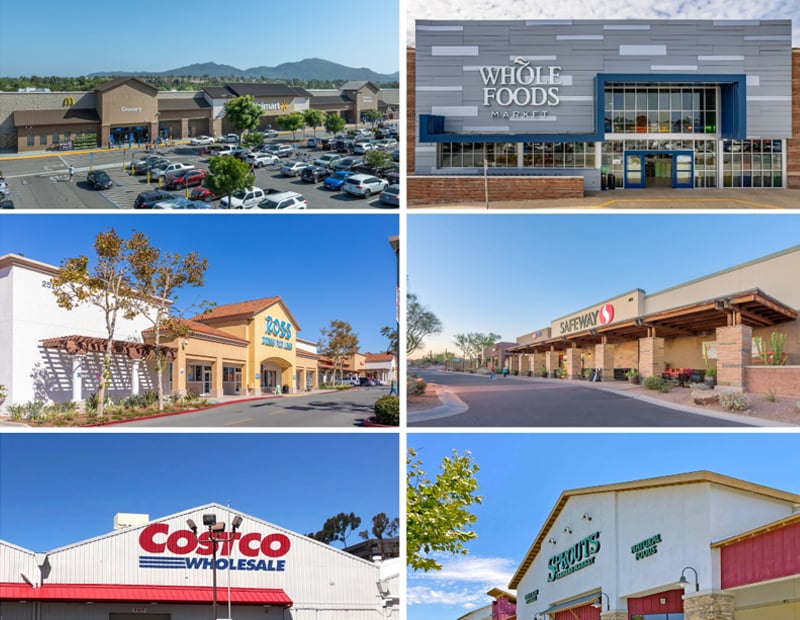
Retail is attracting foreign capital for many of the same reasons. Limited new construction has supported operating performance, while joint ventures with established U.S. firms provide international investors with local expertise and access to portfolios at scale.

In July, Norges Bank Investment Management invested $500 million for a 49 percent stake in a strategic joint venture with Asana Partners targeting core and core-plus neighborhood retail assets. Its first investment was a 50 percent interest in a portfolio of premium grocery-anchored retail centers. The venture also plans to pursue unanchored centers, street retail and mixed-use properties in markets with strong demographics and tenant demand.
A month earlier, TPG Real Estate led a group comprising Norges and two Canadian pension investors, PSP Investments and La Caisse, in the approximately $2 billion acquisition of ECHO Realty. The company owns and operates approximately 230 retail centers across the Midwest and Southeast.
Madison International Realty’s separately managed accounts have also invested in retail during the past year, with an emphasis on premium lifestyle centers.
“We think that’s a pretty compelling opportunity,” Muoio said. “We personally haven’t been as active in grocery-anchored retail. We’ve liked the lifestyle execution a little more but investors in general have always loved grocery-anchored retail for that recessionary defensive nature.”
Office capital targets select opportunities
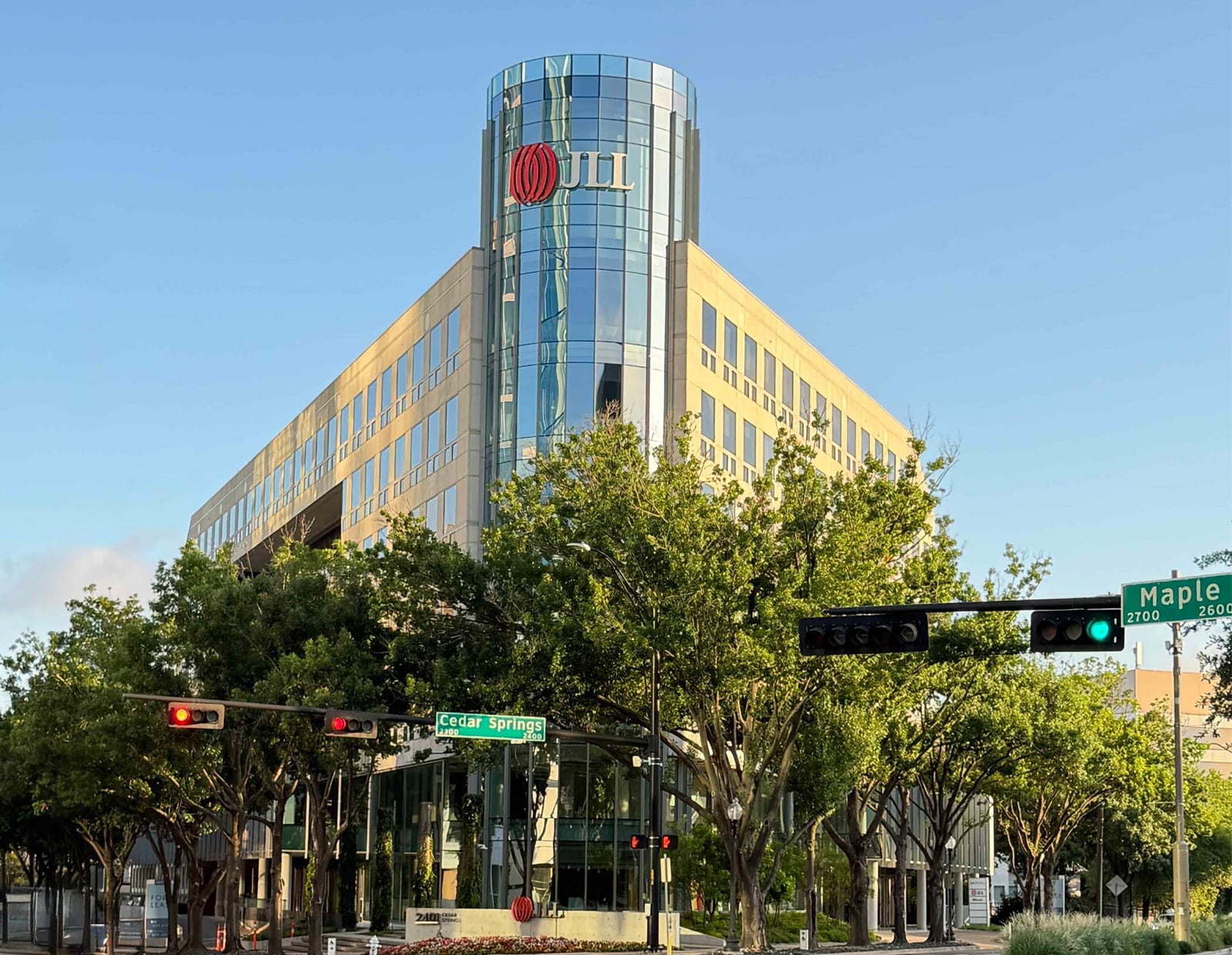
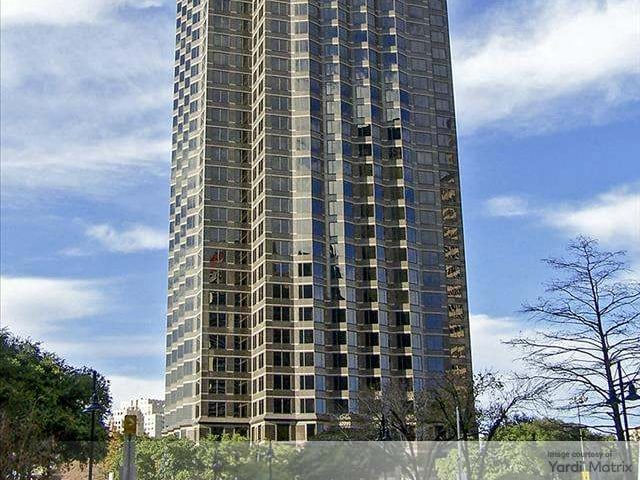
Although many foreign investors remain wary of office investments in general, others are returning to select deals in gateway markets like New York City and San Francisco. Discounted U.S. valuations relative to other global markets are helping renew that interest, Cho said.
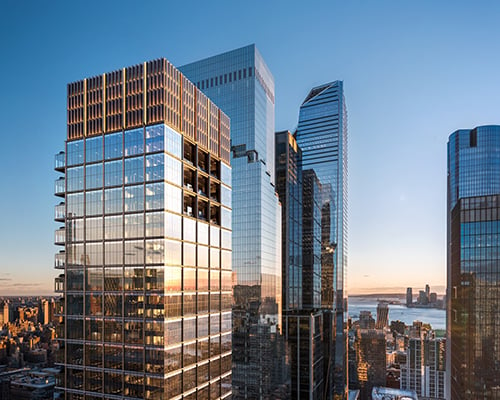
The Kuwait Investment Authority, for example, acquired an equity stake valued at $412.6 million in the 70 Hudson Yards office development in Manhattan in late December 2025. KIA was an early investor in the first Hudson Yards tower developed by The Related Co. and Oxford Property Group on the borough’s Far West Side.
In San Francisco, the iconic Transamerica Pyramid and two adjacent buildings sold for $691.6 million in March to a Cyprus-based firm. The acquisition marked Yoda PLC’s first U.S. investment, and CEO Alon Bar told the San Francisco Chronicle that the property would serve as the foundation for a larger U.S. portfolio.
Meanwhile, a smaller pool of offshore capital is pursuing value-add and opportunistic investments in markets such as downtown Los Angeles, where sharply reduced acquisition bases can improve potential returns, according to Shanahan.
Whether more foreign investors move up the risk curve will depend on whether those pricing advantages outweigh the volatility ahead.


You must be logged in to post a comment.